pakistan wheat import
| |

Pakistan wheat import faces Sindh opposition

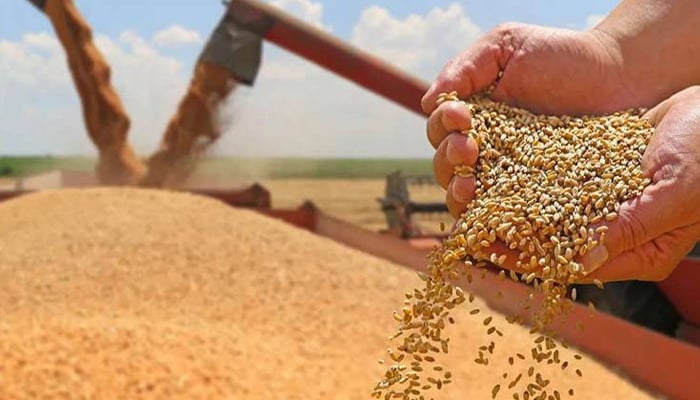
The Sindh government has strongly opposed the federal government’s decision to import wheat, warning that the move could hurt local farmers and weaken the domestic agriculture sector.

Sindh Food Minister Makhdoom Mehboob-uz-Zaman said the province does not support wheat imports at a time when the country already has sufficient local production. He argued that bringing in imported wheat would reduce demand for locally grown crops and create financial difficulties for farmers who are already struggling with rising production costs.

The minister also criticized the Punjab government for restricting the inter-provincial movement of wheat. According to him, Punjab currently has a surplus of around seven million metric tons of wheat, while Sindh faces a shortfall of nearly one million metric tons. He said that easing the movement of wheat between provinces would help address supply gaps without relying on imports.

Makhdoom Mehboob-uz-Zaman added that the Sindh government plans to purchase wheat from the Pakistan Agricultural Storage and Services Corporation (PASSCO) to meet the province’s procurement target. He stressed that local resources should be utilized before considering foreign imports.

Commenting on flour prices, the food minister said wheat flour in Karachi is currently selling between Rs130 and Rs140 per kilogram. He maintained that better coordination between the federal and provincial governments, along with the efficient distribution of locally available wheat, would help stabilize supplies and protect the interests of both consumers and farmers.

Similar Posts

  • | |

    Court extends remand of PAF officer’s murder sus…

    An anti-terrorism court (ATC) in Islamabad has granted police another seven days of physical remand of Saad Abbasi, who is accused of killing Pakistan Air Force (PAF) Group Captain Asim Tariq. Abbasi was produced before the court on Monday after completing his initial seven-day physical remand. ATC Judge Abul Hasnat Muhammad Zulqarnain heard the case. The prosecution requested an additional 15 days of physical remand to continue the investigation. Prosecutor Raja Naveed Hussain Kayani told the court that police had recovered the pistol allegedly used in the killing. He said the suspect had allegedly concealed the weapon after the incident. The prosecution also informed the court that investigators had yet to recover the suspect’s mobile phone. Police said the phone could provide further information relevant to the investigation. After hearing arguments from the prosecution, the court reserved its decision on the remand request. The court later approved seven more days of physical remand. Abbasi was handed back to police custody for further investigation. The court directed police to produce the suspect before it again after the completion of the additional remand period. The case relates to the death of Group Captain Asim Tariq in Islamabad on July 5. According to the investigation, the PAF officer intervened when the suspect allegedly attempted to forcibly take a woman away. The situation reportedly escalated after Tariq intervened. The suspect allegedly opened fire, and the officer was struck by a bullet. Tariq succumbed to his injuries and was later declared a martyr. Islamabad police arrested Abbasi within nine hours of the incident. Investigators are continuing to examine the circumstances surrounding the shooting. Police are also working to recover the suspect’s mobile phone and gather additional evidence.

  • | | |

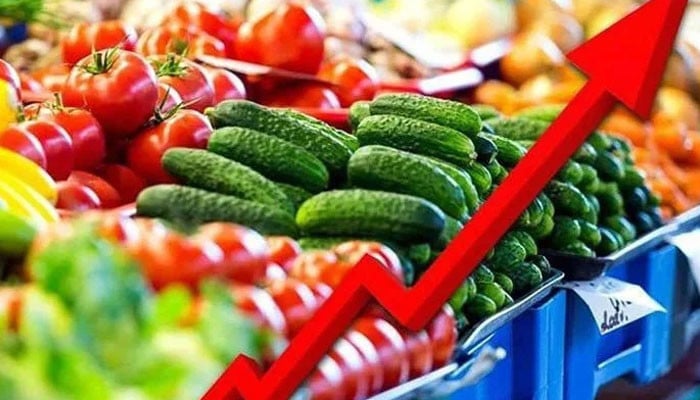
    Weekly inflation hits 9.66% amid price surge

    ISLAMABAD: Pakistan’s weekly inflation increased during the latest reporting period as higher fuel and food prices pushed up the cost of living, according to the latest report released by the Pakistan Bureau of Statistics (PBS). The report showed that weekly inflation rose by 0.91%, while the country’s annual inflation rate reached 9.66%, indicating that prices of essential goods continue to remain under pressure despite declines in a few commodities. According to the Bureau of Statistics, prices of 22 essential commodities increased during the past week, while eight items became cheaper and 21 items recorded no change. The sharpest increase was recorded in petroleum products. High-speed diesel became 15.87% more expensive, while the price of petrol increased by 5.23%. The rise in fuel prices is expected to affect transportation costs and may also increase the prices of other goods in the coming weeks. Among food items, tomatoes recorded the highest increase, with prices rising 39.92% in just one week. Egg prices increased by 7.31%, adding to household food expenses. The report also showed that the price of liquefied petroleum gas (LPG) increased by 0.91%, while potatoes became 3.70% more expensive. Prices of garlic, beef and several other essential food items also registered increases during the week. Although inflation remained on the rise, consumers received limited relief in the prices of a few commodities. Chicken prices fell by 4.66%, making it one of the biggest weekly declines among food products. Bananas became 1.72% cheaper, while prices of sugar, rice and different varieties of pulses also recorded decreases. Economists say rising fuel prices are one of the major reasons behind the increase in weekly inflation because higher transportation and production costs often lead to price increases across various sectors of the economy. The latest inflation figures suggest that many households continue to face pressure from the rising cost of essential goods, particularly food and fuel. While price reductions in some commodities have provided modest relief, overall inflation remains elevated due to continued increases in several key household items.

  • Thailand Declares 15-day Mourning Period Following Death Of Princess Bajrakitiyabha

    BANGKOK, Thailand — The Thai Cabinet has officially ordered a 15-day mourning period across all government agencies, state enterprises, and educational institutions nationwide following the passing of Her Royal Highness Princess Bajrakitiyabha Narendira Debyavati. The directive was issued after an urgent special Cabinet meeting convened by Prime Minister Anutin Charnvirakul at Government House. Her Royal […]

  • | |

    Pakistan’s olive oil export dream at risk, g…

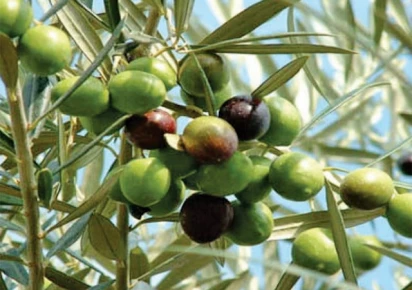
    LAHORE: Pakistan’s rapidly growing olive oil industry has reached a defining moment, with growers and processors warning that the country’s ambitions to become a major exporter could be undermined unless authorities introduce stricter quality standards, certification systems and stronger market regulation. Industry stakeholders say Pakistan has made significant progress in expanding olive cultivation over the past decade, but the absence of an effective regulatory framework now poses the biggest challenge to long-term growth. Dr. Qurat-ul-Ain Irfan, founder of Meshak Farms in Mardan, believes the focus should now shift from planting more olive trees to protecting product quality and building consumer confidence. “There is no proper implementation framework,” she said, noting that products of varying quality can currently be marketed as olive oil with little monitoring. “Consumers deserve to know whether they are buying premium extra virgin olive oil, blended oil or another edible oil altogether.” According to growers, the lack of routine laboratory testing, nationally recognized grading standards and certification mechanisms has made it difficult for genuine producers to distinguish their products from adulterated or lower-quality alternatives. Pakistan imports an estimated $5-6 billion worth of edible oil annually, making it one of the country’s largest import expenses. Policymakers have promoted olive cultivation as a strategic alternative capable of reducing dependence on imports while creating new export opportunities. Government-backed initiatives have led to the plantation of millions of olive trees, particularly across Potohar, Khyber Pakhtunkhwa and Balochistan, where nearly 10 million acres are considered suitable for olive cultivation. The industry’s latest boost has come through the OliveCulture Scale-Up Project (2024–2027), funded by the Italian Agency for Development Cooperation (AICS) and implemented by CIHEAM Bari, which aims to strengthen Pakistan’s olive value chain from cultivation to processing and marketing. Despite these initiatives, growers argue that commercial olive farming requires long-term investment and stronger policy support. Unlike seasonal crops, olive orchards often take several years before generating meaningful yields and may require 10 to 15 years to reach peak production. Meshak Farms reflects this long-term approach. Established on previously uncultivated land in Mardan, the farm uses imported Arbequina olive saplings, modern drip irrigation systems and internationally recognized cultivation techniques learned through collaboration with Italian experts. Dr. Irfan, who also leads a pharmaceutical company exporting to the United Kingdom and the European Union, said the same principles of traceability, laboratory testing and quality assurance should become standard across Pakistan’s olive industry. She revealed that representatives of an Italian company had expressed interest in sourcing Pakistani olive oil if producers consistently met internationally recognized certifications, including ISO 14000, and maintained premium quality standards. Experts also point to changing global market conditions as an opportunity. Climate change, ageing orchards and declining olive production in parts of the Mediterranean have encouraged international buyers to diversify their supply chains, potentially opening doors for emerging producers like Pakistan. However, industry leaders caution that export ambitions will remain difficult to achieve without mandatory grading systems, accredited testing laboratories, traceability mechanisms and consumer awareness campaigns promoting authentic Pakistani extra virgin olive oil. They also argue that reducing taxes and offering incentives for growers would encourage investment and help lower domestic prices. “The challenge is no longer proving that olives can grow in Pakistan,” Dr. Irfan said. “The real test is whether policy reforms can keep pace with an industry that is ready to compete in international markets.”

  • | |

    River garden residents protest repeated increase i…

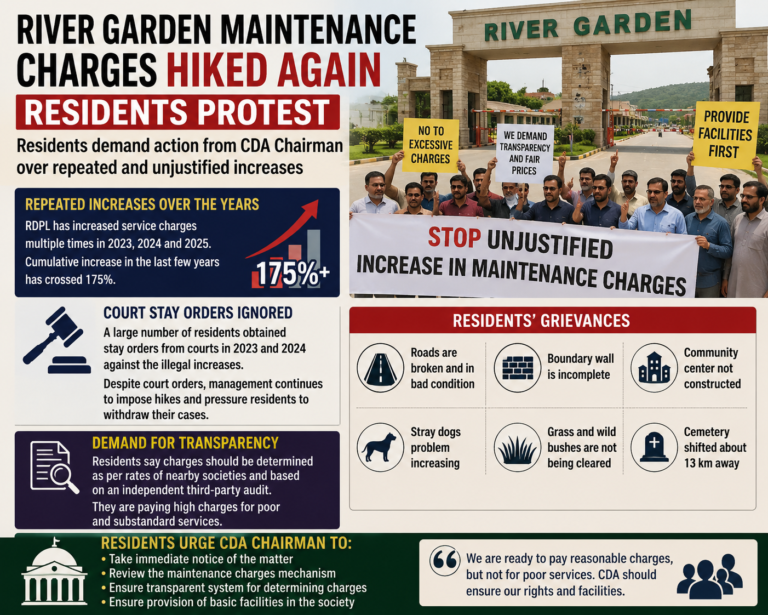
      Residents of River Garden Islamabad have strongly protested a fresh increase in monthly maintenance charges after the society’s management, River Garden Development Private Limited (RDPL), once again raised service fees. According to residents, the revised charges have been applied unilaterally in bills issued from July onward, placing an additional financial burden on homeowners. Residents claim that this is not the first time maintenance charges have been increased. They state that RDPL had already raised service charges several times during 2023, 2024, and 2025. As a result of these repeated revisions, the cumulative increase in maintenance fees over the past few years has reportedly exceeded 175 percent, leading to growing frustration among residents. A large number of River Garden residents have previously challenged these increases in court. During 2023 and 2024, several homeowners obtained stay orders against the hikes, arguing that the increases were unjustified and lacked transparency. However, residents allege that despite these court orders, the management has continued to introduce higher maintenance charges and adopt various administrative measures that they believe place pressure on residents to withdraw their legal cases. The latest increase has once again triggered widespread criticism within the community. Residents argue that they continue to pay maintenance charges despite receiving inadequate and below-standard services. They believe that the fees being collected do not reflect the quality of facilities available in the housing society. Residents have demanded that maintenance charges should be determined through a transparent and independent process. They have called for the appointment of a neutral third-party auditor to evaluate the society’s operational expenses and recommend fair service charges. They also insist that the rates should be comparable to those charged by neighboring housing societies offering similar facilities and services. According to the residents, the Capital Development Authority (CDA) regulations emphasize that housing societies must prioritize the provision of essential infrastructure and address the concerns of residents before imposing additional financial burdens. They argue that instead of increasing maintenance charges, the management should first improve the condition of the society and fulfill its basic responsibilities. Residents highlighted several longstanding issues that, they say, remain unresolved. They claim that many roads within River Garden are damaged and require urgent repair. They also pointed out that the boundary wall of the housing society is still incomplete, raising concerns about security. In addition, residents say that the promised community center has yet to be constructed despite repeated assurances. They have also expressed concerns over the increasing number of stray dogs roaming the society, describing the situation as a public safety issue for families and children. Other complaints include poor maintenance of green areas, with grass and wild shrubs reportedly left unattended for extended periods. Residents further criticized the relocation of the society’s cemetery, stating that it has been moved approximately 13 kilometers away from the residential area, making it difficult for families to visit and creating inconvenience during funeral arrangements. The residents have once again appealed to the Chairman of the Capital Development Authority to take immediate notice of the matter. They have urged the authority to review the process used to determine monthly maintenance charges and introduce a transparent mechanism that ensures fairness and accountability. Furthermore, residents have requested the CDA to ensure that RDPL fulfills its obligations by improving infrastructure, completing pending development projects, and providing the essential services promised to homeowners. They believe that only after these basic facilities are delivered should any discussion regarding increases in maintenance charges take place. The issue has become a major concern for many families living in River Garden, who say they are willing to pay reasonable service charges but expect transparency, accountability, and quality services in return. They hope that intervention by the CDA will help resolve the dispute and ensure that residents receive the facilities and standards they were promised when investing in the housing society.

  • | | | |

    US forces to leave Iraqi Kurdistan by September 30

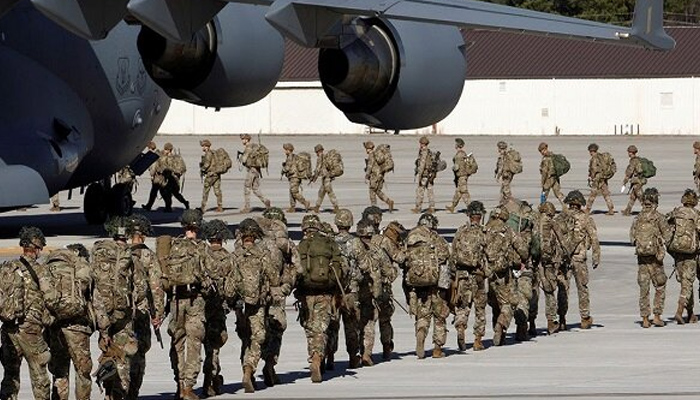
    BAGHDAD: The Iraqi government has announced that US forces will complete their withdrawal from Iraq’s Kurdistan region by September 30, marking another step in the planned transition of the American military mission in the country. According to foreign media reports, Iraqi and US officials held discussions in the Kurdistan region regarding the withdrawal and the transfer of military responsibilities. Under the plan, US military bases in Kurdistan will be handed over to Iraqi security forces following the departure of American personnel. The Iraqi government said the movement of US military equipment and personnel out of the region is already underway. The withdrawal is expected to take place in coordination with Iraqi authorities to ensure an orderly transition. The announcement comes as Baghdad and Washington continue implementing an agreement reached in 2024 on the gradual transition of the US-led military mission in Iraq. The agreement envisaged a phased reduction of the international coalition’s military role while strengthening Iraq’s own security capabilities. US forces have played a significant role in supporting Iraqi forces in the fight against Islamic State militants and in providing training, intelligence and logistical assistance. The latest withdrawal from Kurdistan is therefore likely to attract attention as Iraq assumes greater responsibility for securing military facilities previously used by US forces. The Iraqi government has not provided further details on the exact number of American troops or equipment involved in the latest phase of the withdrawal.

Leave a Reply

Your email address will not be published. Required fields are marked *