punjab launches green
| |

Punjab launches Green Bus Service in seven more di…

Punjab Chief Minister Maryam Nawaz has inaugurated the Green Bus Service in seven additional districts, expanding the provincial government’s public transport network.

Speaking at the inauguration ceremony, the chief minister said the Green Bus project has received an overwhelmingly positive response from the public by providing affordable, comfortable and high-quality transportation services.

She said the Punjab government is gradually expanding the service and plans to introduce more buses across every district of the province in phases to improve public mobility.

According to Maryam Nawaz, the Green Bus Service has officially started operations in seven districts, including Gujrat, Narowal, Kasur and Sheikhupura. The remaining newly covered districts were also included in the latest expansion under the provincial transport programme.

The chief minister said all buses are fully air-conditioned and equipped with free Wi-Fi to provide passengers with a modern travel experience. She added that special facilities have also been introduced for senior citizens, women and students to make public transport more accessible and convenient.

Maryam Nawaz said the expansion reflects the government’s commitment to improving public transport infrastructure and providing safe, reliable and economical travel facilities for residents across Punjab.

The provincial government expects the expanded Green Bus network to improve daily commuting, reduce travel difficulties and encourage greater use of public transport throughout the province

Similar Posts

  • | |

    Brad Pitt sees AI as a tool, not a threat to Hollywood

    Brad Pitt has offered a measured view on the growing use of artificial intelligence in Hollywood, saying the technology could help filmmakers produce mid-budget movies more efficiently if it is used responsibly. The Oscar-winning actor acknowledged that AI has become a controversial subject across the entertainment industry. While many filmmakers, actors and other industry professionals remain concerned about its impact, Pitt believes the technology could have practical benefits when treated as a creative tool rather than a replacement for human talent. Speaking about the potential financial impact of AI, Pitt said the technology could make it easier to produce films with budgets ranging from around $40 million to $90 million. According to Pitt, the main value of AI could be in helping filmmakers reduce production costs and bring projects to the screen that might otherwise struggle to secure financing. However, the actor does not appear convinced that AI can simply reproduce an actor’s performance in a way that replaces the individual behind it. Discussing the possibility of artificial intelligence recreating his performances, Pitt pointed to the importance of human decisions in filmmaking. He suggested that even if technology can reproduce aspects of an actor’s appearance or performance, the final result would depend heavily on the person directing and shaping the material. For Pitt, acting is not simply about physical appearance or delivering lines. It also involves personal choices, emotions and discoveries made during the creative process. He questioned whether an AI-generated performance would necessarily reflect the decisions an actor originally made while developing a character. His comments come as Hollywood continues to debate how artificial intelligence should be used in film and television. The technology has raised concerns about the future of acting, writing, visual effects and other creative professions. Industry representatives have been pushing for safeguards to protect performers and creators from having their likenesses, voices or work reproduced without appropriate consent and compensation. Pitt acknowledged that opposition to AI remains widespread within Hollywood. At the same time, his comments suggest that he sees a distinction between using AI to assist filmmakers and allowing it to replace human creativity.

  • | |

    What happens to your body if you drink soft drinks…

    Soft drinks have become a regular part of modern lifestyles, with many people enjoying them during meals, celebrations, and social gatherings. While these sugary beverages are refreshing and widely available, health experts warn that drinking them every day can have serious consequences for overall well-being. Regular consumption of soft drinks has been linked to several health problems, making it important to understand the risks and choose healthier alternatives whenever possible. One of the biggest concerns is the high sugar content found in most carbonated beverages. A single can of soft drink often contains a significant amount of added sugar and calories, which can contribute to weight gain over time. Consuming excess sugar regularly increases the risk of obesity, a condition that is closely associated with type 2 diabetes, high blood pressure, and heart disease. Soft drinks may also contribute to dehydration. Although they are liquids, many contain caffeine, which can have a mild diuretic effect in some individuals. Combined with high sugar levels, these beverages may not hydrate the body as effectively as water. As a result, people who rely heavily on soft drinks instead of water may experience headaches, fatigue, constipation, and reduced energy levels. Another area of concern is digestive health. Nutrition experts suggest that excessive intake of sugary and artificially sweetened drinks may affect the balance of beneficial bacteria in the gut. A disrupted gut microbiome can lead to digestive discomfort, increased appetite, changes in metabolism, and difficulty maintaining a healthy weight. Dental health is also at risk. The acids used in carbonated drinks can gradually wear away tooth enamel, making teeth more vulnerable to decay. At the same time, the high sugar content feeds harmful bacteria in the mouth, increasing the likelihood of cavities and gum problems. Drinking these beverages frequently throughout the day can significantly raise the risk of long-term dental damage. Research has also explored possible links between frequent consumption of sugary beverages and chronic illnesses. Studies suggest that high intake of sugar-sweetened drinks is associated with an increased risk of cardiovascular disease and type 2 diabetes. Some research has examined potential connections with certain types of cancer, but scientists continue to investigate these relationships, and more evidence is needed before firm conclusions can be drawn. Health professionals recommend limiting soft drink consumption and choosing healthier options such as water, fresh fruit-infused water, milk, buttermilk, or unsweetened natural juices. Making small dietary changes today can reduce long-term health risks and support a healthier lifestyle for years to come.

  • |

    AI errors hit report behind Australia’s under-16 ban

    A government-commissioned report that helped support Australia’s plan to restrict social media access for children under 16 has come under scrutiny after several inaccurate and apparently fabricated academic references were identified. The report, produced as part of a $3.48 million government-funded trial examining age-assurance technologies, was prepared by the Age Check Certification Scheme (ACCS). The organisation has acknowledged that ChatGPT was used to rewrite parts of the document after initially denying that artificial intelligence had been involved. An analysis of the report found six problematic citations in a chapter examining emerging technologies. Some of the digital object identifiers, or DOIs, reportedly directed readers to research papers that did not exist. Other references contained combinations of authors, journals and publication dates that could not be verified in academic records. In another case, a DOI reportedly led to a genuine research paper, but the paper did not support the claim attributed to it in the report. The controversy intensified after ACCS was questioned about the use of artificial intelligence. A spokesperson initially said no AI had been used in producing the report. The organisation later acknowledged that ChatGPT metadata was present in four links across two sections of the document. ACCS maintained that the metadata effectively disclosed the use of the tool and said the references had been manually checked. However, efforts to correct the disputed citations reportedly resulted in further inconsistencies. One example involved a research paper that an ACCS source said had been accessed in March 2025. According to the paper’s lead author, however, the research was not published until June 2025, raising additional questions about the accuracy of the report’s references. The report has attracted attention because it was used in the policy process surrounding Australia’s planned restrictions on social media for under-16s. Communications Minister Anika Wells had previously praised the report for identifying potential approaches to age verification. The minister’s department told a Senate inquiry that it had discussed the citation problems with ACCS. However, the department was reportedly informed about faulty links rather than allegations that some references had been fabricated. Australian National University academic Christian Downie warned that unreliable references can have serious consequences regardless of whether they were generated by AI or resulted from human error. He said inaccurate citations could contribute to poor policymaking and weaken public confidence in government-commissioned research. Independent Senator Fatima Payman also compared the controversy with a separate case involving Deloitte, which refunded part of a $440,000 government contract after problems were identified with AI-generated references.

  • | |

    NCCIA cracks down on cyber fraud, arrests 7 in Lah…

    LAHORE: The National Cyber Crime Investigation Agency (NCCIA) has arrested seven suspects in separate operations against online financial fraud in Lahore and Multan, exposing schemes involving WhatsApp hacking, fake visa charges and marriage scams. Acting on special directives from NCCIA Punjab Director Muhammad Ali Wasim, officials in Lahore arrested a suspect identified as Haider Ali, who allegedly posed as a courier company representative to obtain victims’ OTPs and verification codes. The suspect and his associates reportedly gained access to WhatsApp accounts and then contacted victims’ relatives and friends to demand money. Investigators said one victim transferred Rs2.77 million to an account linked to Haider Ali. The money was subsequently moved through several accounts and withdrawn. A mobile phone recovered from the suspect contained WhatsApp conversations, transaction records, identity documents and other digital evidence. In Multan, authorities arrested Muhammad Imran Shahid for allegedly impersonating a victim’s cousin and demanding money through phone calls and WhatsApp messages on the pretext of visa extension and visa fees. The suspect reportedly received Rs580,000 from the victim. In another case, five suspects were arrested for allegedly using fake Instagram and Snapchat profiles to befriend women and lure them with marriage proposals. The suspects allegedly sent fake gift and parcel receipts before demanding money under the guise of customs duties, taxes and clearance charges. Mobile phones were recovered during the operations, while investigators are examining the suspects’ financial transactions, call records and digital data. The NCCIA said further revelations are expected as the investigations continue.

  • KP to celebrate International Youth Day at University of Peshawar

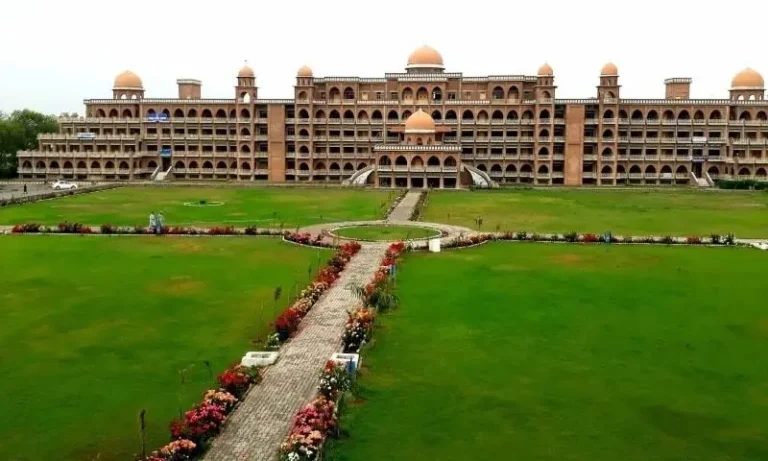
    PESHAWAR: The Directorate of Youth Affairs, Government of Khyber Pakhtunkhwa, will organise a programme to mark International Youth Day 2026 at Sahibzada Abdul Qayyum Hall, University of Peshawar, on Wednesday, August 12, from 2pm to 6pm. Chief Minister Khyber Pakhtunkhwa Sohail Afridi will attend the event as the chief guest, while Advisor to the Chief Minister for Sports and Youth Affairs Taj Muhammad Khan Tarand will also participate. The event has been planned as a celebration of the passion, potential and power of youth and will feature a range of activities aimed at recognising young people’s achievements and providing them with a platform for expression and engagement. A key feature of the programme will be a panel discussion featuring Akif Khan, Sumaira Shams, Samar Khan, Abaseen Yousafzai, Junaid of Jamboys and Asif Qurashi. The programme will also include the Youth Excellence Awards, through which outstanding young people will be recognised for their achievements and contributions. A youth anthem will be launched during the event, with Mehtab Ziyab associated with its presentation. The celebrations will also feature live music performances by Tamash Band and Junaid Kamran Siddique, besides a segment featuring inspirational stories. Director Youth Affairs Abbas Khan Afridi said the event was being organised to celebrate the talent, energy and achievements of young people in Khyber Pakhtunkhwa. He said the Directorate remained committed to creating opportunities for young people to showcase their abilities, develop their potential and play a constructive role in society. “Our youth possess immense talent, creativity and potential. It is our responsibility to provide them with platforms where their abilities can be recognised and their voices can be heard,” Mr Afridi said. He added that the International Youth Day celebrations would bring together young people from different backgrounds and provide them an opportunity to engage with distinguished personalities, share ideas and celebrate youth achievements. The event carries the message “Empowering Youth, Shaping the Future” and will run from 2pm to 6pm at Shahzebda Abdul Qayyum Hall, University of Peshawar.

  • | |

    Forensic probe advances Momina Iqbal case

    New developments have been reported in the ongoing case involving actor Momina Iqbal and PML-N lawmaker Saqib Chadhar. Momina recently shared a post on social media suggesting that forensic evidence has strengthened her case. She described the latest progress as another step toward justice. The case is being investigated by the National Cyber Crime Investigation Agency (NCCIA). It involves allegations of cyber harassment, intimidation and threats. Momina had approached the authorities after accusing Saqib Chadhar and his wife, Samira Chadhar, of harassment and other alleged offences. During the latest court proceedings, the investigation officer informed the Lahore sessions court that the investigation involving Saqib Chadhar had been completed. The officer also told the court that Samira Chadhar had submitted her mobile phone to the NCCIA. The device is reportedly being examined as part of the forensic investigation. Momina’s lawyer, Adnan Ahsan, asked the court to withdraw the interim bail granted to the accused. He argued that allowing them to remain free could pose a security concern for the actor. The investigation has focused heavily on digital evidence. Mobile phones and other electronic material have been examined as authorities work to establish the facts surrounding the allegations. The dispute became a legal matter after Momina accused the couple of harassment and threats. The allegations reportedly include cyber harassment, stalking, intimidation and blackmail. The accused have denied the allegations and obtained interim pre-arrest bail while the legal proceedings continue. Momina’s latest statement has drawn attention to the progress of the investigation. However, her reference to the accused being “proven guilty” reflects her position and does not constitute a final judicial verdict. The court will ultimately determine the legal status of the allegations after considering the investigation and evidence presented before it. The forensic examination of digital devices remains an important part of the case. Investigators are expected to assess the material recovered during the probe before the matter proceeds further.

Leave a Reply

Your email address will not be published. Required fields are marked *