punjab support students

Punjab to support students from other provinces, Education Minister

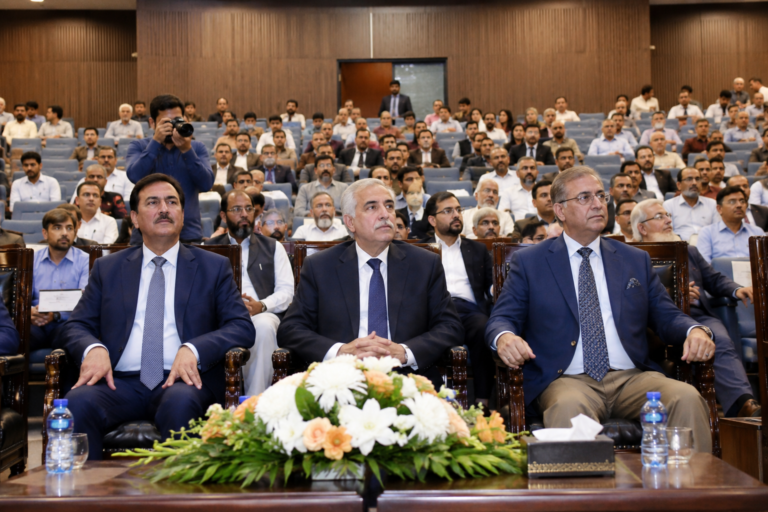
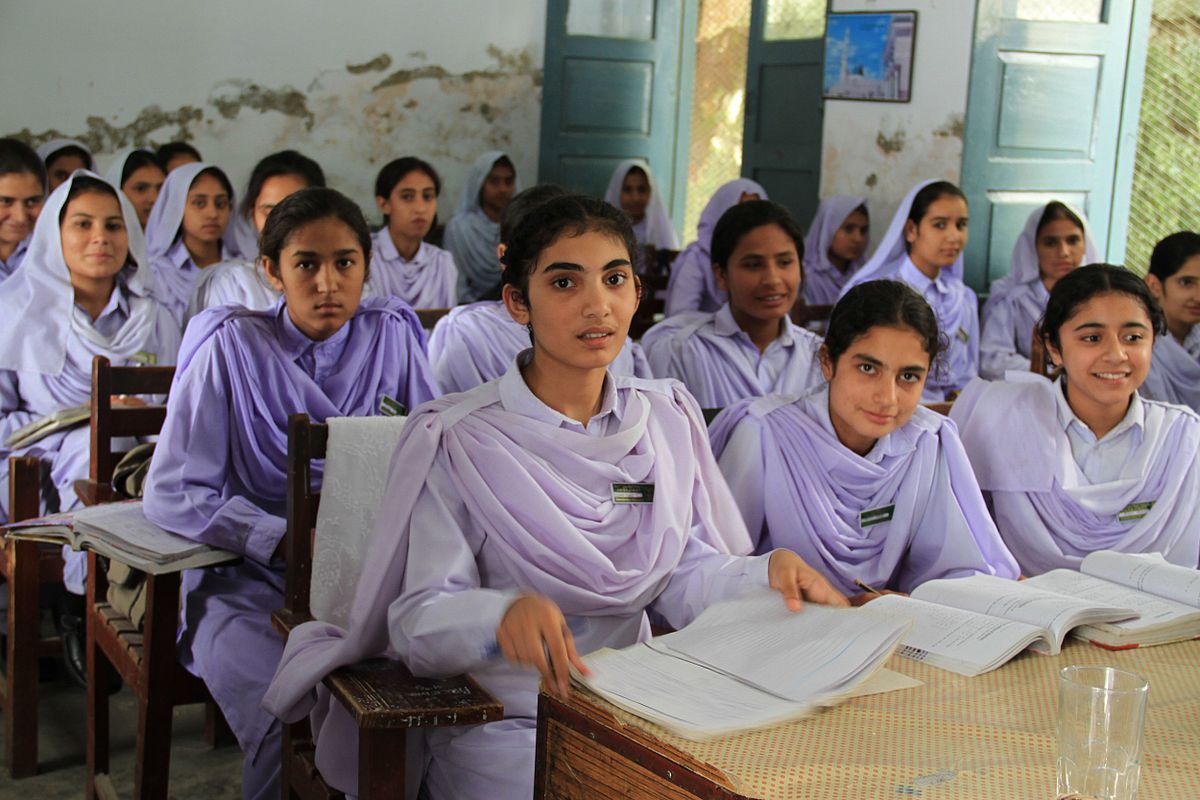
Lahore – Punjab Education Minister Rana Sikandar Hayat has announced that the Punjab government will support students from other provinces who wish to study at universities in Punjab. He also revealed that a Semester Exchange Program for students from other provinces is expected to be launched soon while Daanish Schools will also be established in Balochistan, Azad Jammu and Kashmir and Gilgit-Baltistan.

The announcement came during a meeting between Punjab Education Minister Rana Sikandar Hayat, Punjab Communications and Works Minister Sohail Bharth and a delegation of students from various universities in Balochistan. The delegation also included students from Khyber Pakhtunkhwa, Gilgit-Baltistan and Azad Jammu and Kashmir.

During the meeting, students praised Punjab Chief Minister Maryam Nawaz and Education Minister Rana Sikandar Hayat for their education reforms. Students from Balochistan humorously remarked that they wished to have Punjab’s Chief Minister and Education Minister lead their province for six months so that Balochistan could also achieve similar progress.

The students discussed Punjab’s development projects, education system and other public initiatives with the provincial ministers. They also requested the introduction of a Semester Exchange Program to which the Education Minister responded that, subject to the approval of the Chief Minister, the program could be launched from next year.

Many students from Balochistan, Khyber Pakhtunkhwa, Azad Kashmir and Gilgit-Baltistan expressed their desire to enroll in Punjab’s universities. In response, Rana Sikandar Hayat assured them that students from Balochistan would be offered admissions through scholarship programs in Punjab’s universities. He personally recorded the details of interested students during the meeting.

The minister said that more than 15,000 students from other provinces are currently studying in educational institutions across Punjab. He added that he has a deep emotional connection with Balochistan and would be proud to see more Baloch students pursuing higher education in Punjab.

Rana Sikandar Hayat also revealed that he has been in regular contact with the Education Minister of Balochistan to launch the Google Education Program in the province with both ministers having held seven consultations over the past few months.

He further assured students that Punjab would also support learners in distance education. He emphasized that if students from Balochistan or any other province wish to study at any university in Punjab, the provincial government will extend full support.

The minister also announced that Daanish Schools will soon be established in Balochistan, Azad Kashmir and Gilgit-Baltistan. He noted that 1,900 students from Gilgit-Baltistan are currently studying in Punjab on scholarships while the 10 percent admission quota for Balochistan students in Daanish Schools is also being increased.

Rana Sikandar Hayat said that Chief Minister Maryam Nawaz has a special commitment to supporting the youth of Balochistan and other provinces. Therefore, students from other provinces have been included in scholarship programs, university admission quotas and the Punjab laptop scheme.

At the end of the meeting, Rana Sikandar Hayat and Sohail Bharth presented one laptop each on behalf of the Chief Minister of Punjab to every student in the visiting delegation.
Similar Posts

  • | | |

    Pakistan requests $10bn US foreign exchange stabil…

    Pakistan has requested a $10 billion foreign exchange stabilization facility from the United States in an effort to strengthen its economy and improve its external financial position. The proposed facility is expected to help increase the country’s foreign exchange reserves, ease pressure on the Pakistani rupee, and reduce dependence on emergency financial assistance from international lenders. According to reports, the Pakistani government has submitted a formal proposal to US Treasury Secretary Scott Bessent seeking a five-year bilateral Exchange Stabilization Support Facility. If approved, the financial arrangement could provide Pakistan with greater economic stability at a time when the country continues to face external financing challenges. The proposed fund is designed to support Pakistan’s foreign exchange reserves, which remain under pressure despite recent improvements in the country’s economic outlook. Stronger reserves would help stabilize the rupee, improve investor confidence, and provide the government with greater flexibility in managing external debt repayments. The request comes after Pakistan’s reported diplomatic efforts during the Iran conflict. According to the report, Islamabad played a facilitating role in communication between Tehran and Washington. The diplomatic engagement is believed to have enhanced Pakistan’s strategic importance and may have contributed to closer economic discussions with the United States. If Washington approves the request, Pakistan could reduce its dependence on short-term financial support from multilateral institutions, including the International Monetary Fund (IMF). The facility would also help the country better manage future external financing needs while maintaining stability in the foreign exchange market. Pakistan is currently implementing wide-ranging economic reforms under the IMF’s $7 billion Extended Fund Facility (EFF). The programme requires the government to increase tax revenues, reduce public spending, improve fiscal discipline, and introduce structural reforms aimed at strengthening the economy. The country narrowly avoided a sovereign default in 2023 after securing a $3 billion IMF emergency programme. That support was later followed by the approval of the larger $7 billion EFF programme. Although the reforms have improved economic indicators, Pakistan still relies heavily on external borrowing, financial assistance from friendly countries, and the rollover of existing loans to meet its financing requirements. Economic experts believe that a US-backed stabilization facility would provide a significant boost to Pakistan’s financial position. It could strengthen foreign exchange reserves, support currency stability, improve investor confidence, and reduce the need for repeated emergency borrowing.

  • |

    Karachi braces for cloudy, humid weather

    Karachi is expected to witness cloudy and humid weather over the next 24 hours, with light drizzle likely in some areas during the morning and evening, according to the latest forecast issued by the Pakistan Meteorological Department (PMD) on Monday. The Met Office said daytime temperatures in the port city are expected to remain between 33°C and 35°C, while the minimum temperature recorded early Monday was 28°C. Humidity levels remained high at 78 percent, making weather conditions feel warmer than the actual temperature. Sea breezes continued to blow across the city at a speed of around 15 kilometres per hour, providing some relief from the humid conditions. Weather officials said intermittent drizzle could occur in isolated parts of Karachi, particularly during the early morning and after sunset, although no widespread rainfall is expected. Meanwhile, the PMD has projected that August 2026 is likely to be drier than usual across much of Pakistan, with rainfall expected to remain below the long-term average in most regions. The monthly climate outlook, released on July 31, was prepared using forecasts generated by 10 internationally recognised seasonal climate prediction models, providing a comprehensive assessment of expected weather trends during the month. According to the department, large-scale climate patterns are expected to play a significant role in shaping weather conditions across the country. The El Niño-Southern Oscillation (ENSO) is currently in a positive phase and is likely to continue through August, while the Indian Ocean Dipole (IOD) has also shifted into a positive phase. Meteorologists say the combination of these climate systems is expected to suppress rainfall in many parts of Pakistan. As a result, below-average rainfall is forecast for most regions of the country. The greatest rainfall deficits are expected over northeastern and central Punjab, extending into adjoining parts of Khyber Pakhtunkhwa and Azad Jammu and Kashmir, as well as southeastern Sindh. In contrast, parts of Gilgit-Baltistan are expected to receive rainfall closer to normal levels during the month, making it one of the few regions where precipitation is not forecast to decline significantly. The PMD has also warned that temperatures across Pakistan are likely to remain above seasonal averages throughout August. The most pronounced rise in temperatures is expected over eastern Gilgit-Baltistan, central and northeastern Punjab, adjoining areas of Khyber Pakhtunkhwa, and northern Balochistan.

  • | |

    Only 170 officials and rising HIV cases push Sindh…

    Islamabad / Karachi: The Sindh Healthcare Commission came under intense scrutiny in the Senate after lawmakers questioned its ability to control illegal medical practices and respond effectively to the growing HIV situation in Sindh. Senators raised concerns over delayed action, staff shortages, and legal weaknesses that they said were limiting the Commission’s performance. The issue was discussed during a meeting of the Senate Standing Committee on National Health Services, Regulations and Coordination chaired by Senator Amir Waliuddin Chishti. The meeting was attended by Senator Syed Masroor Ahsan, Senator Samina Mumtaz Zehri, Senator Nadeem Ahmed Bhutto, Senator Nasir Mehmood Butt, Senator Anusha Rehman Ahmad Khan through Zoom, Federal Minister Syed Mustafa Kamal and Sindh Labour Minister Saeed Ghani along with senior federal and provincial health officials. Senator Nasir Mehmood Butt questioned why FIRs had still not been registered against those responsible in connection with the HIV situation, while Senator Syed Masroor Ahsan expressed dissatisfaction over delays in action and questioned the role of the Sindh Healthcare Commission in preventing the spread of the disease. Responding to the Committee, the Chief Executive Officer of the Sindh Healthcare Commission said the Commission had already registered several FIRs against medical quacks. However, he stated that weaknesses in the existing legal framework allowed many accused to obtain bail shortly after arrest. He informed the Committee that amendments to the law were being prepared to strengthen action against quackery. The CEO also disclosed that the Commission has only around 170 officials serving across the entire province, highlighting a serious shortage of human resources. Senator Samina Mumtaz Zehri questioned why the Commission remained understaffed and asked whether the issue had been formally raised with the Sindh Government. Federal Minister Syed Mustafa Kamal requested the Committee Chairman to issue directions so the matter could move forward. Senator Syed Masroor Ahsan stressed that the Government should acknowledge administrative shortcomings wherever they exist. He also asked how many times the Sindh Healthcare Commission had formally requested additional staff from the Provincial Government. The discussion also focused on the governance structure of the Commission. Members were informed that after the 18th Constitutional Amendment, the Sindh Health Department no longer exercises administrative control over the Sindh Healthcare Commission. Federal Minister Syed Mustafa Kamal suggested that legislative measures should be considered to address governance-related issues affecting provincial institutions. The Committee also examined the appointment process for members of the Sindh Healthcare Commission Board. The Secretary Health informed members that the Department did not have the authority to appoint or remove Board members. Senator Samina Mumtaz Zehri observed that such limitations weaken accountability, while Senator Nasir Mehmood Butt expressed concern that the Chief Executive Officer of the Commission was not administratively answerable to the Secretary Health. Earlier in the meeting, Sindh Labour Minister Saeed Ghani informed the Committee that two inquiries had been conducted into the Valika Hospital incident, during which 37 officials were identified for disciplinary action. He said the inquiry findings had not been made public due to security considerations but assured the Committee that strict action would be taken against those found responsible. He also informed members that the Sindh Government had established a social security fund to support families affected by HIV.

  • | | |

    Field Marshal Asim Munir vows unrelenting war on t…

    Field Marshal Syed Asim Munir, Chief of Army Staff and Chief of Defence Forces, has reaffirmed Pakistan’s commitment to eliminating terrorism, saying security forces will continue intelligence-based and targeted operations until militant networks and their facilitators are completely dismantled. He made these remarks while addressing participants of the 20th National Workshop Balochistan during an interaction at the General Headquarters (GHQ) in Rawalpindi on Wednesday. The army chief said lasting peace in Balochistan can only be achieved through sustained efforts by the armed forces, law enforcement agencies and the unwavering support of the people. He stressed that operations against militant groups would continue with full determination to ensure long-term peace and stability across the country. Field Marshal Asim Munir said hostile elements backed by foreign interests have repeatedly attempted to create unrest in Balochistan, weaken national unity and disrupt peace. However, he maintained that such attempts would not succeed because of the professionalism of Pakistan’s armed forces and the resilience of the nation’s people. He reaffirmed that Pakistan remains determined to dismantle terrorist infrastructure wherever it poses a threat to the country’s security and the safety of its citizens. He said the state would continue taking decisive action against all groups involved in terrorism or supporting extremist violence. Highlighting the importance of Balochistan, the army chief described the province as a vital part of Pakistan with enormous natural resources and a resilient, patriotic population. He said the people of Balochistan are the province’s greatest asset and play a key role in the country’s future. He also pointed to ongoing development projects being carried out by the federal and provincial governments, saying these initiatives are aimed at improving infrastructure, creating economic opportunities and enhancing the quality of life for local communities through an inclusive development strategy. During the interaction, the army chief praised the contributions of civil society, academics, media professionals and the youth in promoting national harmony and supporting efforts for lasting peace and development in Balochistan. He emphasized that unity, resilience and collective national resolve are essential for overcoming challenges and ensuring Pakistan’s continued progress.

  • |

    UET hosts HEC meeting on AI-driven higher educatio…

    LAHORE: The University of Engineering and Technology (UET) Lahore hosted a high-level meeting of vice chancellors from more than 80 universities across Punjab under the auspices of the Higher Education Commission (HEC). HEC Chairman Professor Dr Niaz Ahmad Akhtar chaired the meeting, while UET Lahore Vice Chancellor Professor Dr Shahid Munir hosted the gathering. Punjab University Vice Chancellor Dr Muhammad Ali Shah also attended the meeting and joined the senior academic leadership on stage. The meeting focused on the rapid transformation of higher education in line with the changing demands of technology, industry and the global job market. Participants discussed the federal government’s initiative to modernize university curricula and degree programmes, with a particular emphasis on artificial intelligence and emerging technologies. Dr Niaz Ahmad Akhtar urged universities to take immediate steps to update their curricula, teaching methods and academic programmes. He stressed the need to equip students with modern knowledge and practical skills that can help them compete in an increasingly technology-driven economy. The HEC chairman highlighted the importance of incorporating fields such as artificial intelligence, data science, robotics, cybersecurity and biotechnology into university education. He also called on universities to align their academic programmes with the evolving needs of industry and the employment market so they can produce graduates with relevant and marketable skills. During the meeting, participants exchanged views on the role of artificial intelligence in higher education, research and innovation. They also discussed digital learning, technology-enabled teaching and opportunities to strengthen international collaboration among universities. UET Lahore Vice Chancellor Professor Dr Shahid Munir said the university was ready to share its AI-related curriculum and coursework with other higher education institutions. He emphasized the importance of cooperation among universities to accelerate the adoption of modern technologies and strengthen the quality of higher education across the country. The meeting also highlighted the growing importance of research and digital education in preparing universities for future challenges. Academic leaders discussed ways to promote innovation, improve learning opportunities and create stronger links between higher education institutions and industry. As part of a plantation campaign at UET Lahore, HEC Chairman Professor Dr Niaz Ahmad Akhtar also planted a sapling on the university campus, underscoring the institution’s commitment to environmental sustainability. The meeting concluded with UET Lahore Vice Chancellor Professor Dr Shahid Munir presenting a commemorative shield to the HEC chairman in recognition of his visit and participation in the important academic gathering.

  • | | |

    KP eyes M-1 motorway BRT service to connect 4 majo…

    PESHAWAR: The Khyber Pakhtunkhwa government is exploring a plan to extend its Bus Rapid Transit (BRT) network onto the M-1 Motorway, with the proposed service aimed at improving public transport links between Peshawar and several major cities. Officials from the provincial Transport Department said the proposed BRT service could connect passengers with Nowshera, Mardan, Swabi and Charsadda, potentially providing a faster and more convenient travel option for thousands of daily commuters. Under the initial proposal, buses would pick up and drop off passengers at designated toll plazas along the motorway. The exact locations and number of stops, however, have yet to be determined. Officials said a detailed feasibility study would establish where stations should be developed and assess the operational requirements of the proposed service. If approved and implemented, the initiative could strengthen regional connectivity and provide commuters with an expanded public transport option across key areas of Khyber Pakhtunkhwa.

Leave a Reply

Your email address will not be published. Required fields are marked *