shc rejects contract
| |

SHC rejects contract employee’s regularisati…

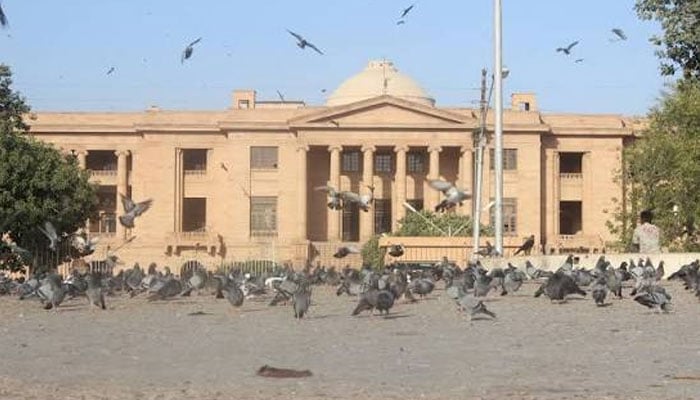
The Sindh High Court (SHC) has dismissed a petition filed by a contract employee of the Zulfiqarabad Development Authority seeking permanent employment, ruling that the request was not maintainable at the preliminary stage.

The constitutional bench held that a contract employee does not acquire a legal right to permanent employment merely by serving for a long period. The court observed that contractual appointments remain subject to the terms and conditions agreed upon at the time of hiring.

According to the court, the petitioner’s employment contract expired in 2024 after completing its specified term. Since the contract had already ended, the petitioner could not claim permanent status solely on the basis of continued service.

Justice Adnan-ul-Karim Memon observed that employment on a contractual basis does not automatically create a legal entitlement to permanent appointment. He noted that permanent regularisation can only be granted if there is a relevant law or an approved policy issued by the competent authority.

The court ruled that, in the absence of such legal provisions or an authorised policy, the petition seeking permanent employment had no legal basis. Consequently, the constitutional bench declared the petition inadmissible at the initial stage and dismissed it.


Similar Posts

  • HSA VC dismissal upheld in harassment case

    Islamabad: The President of Pakistan rejected the appeal of Health Services Academy Vice Chancellor Dr Shahzad Ali Khan and maintained his dismissal from service. The latest order held that retaliatory action against Dr Ayesha Khan created a hostile work environment and amounted to gender based harassment, justifying the punishment of dismissal. The decision creates a major legal twist in the high profile HSA case. The President’s legal forum clearly observed that this was not established as a case of sexual harassment in the manner found earlier by the Federal Ombudsperson for Protection Against Harassment of Women at the Workplace. It said the earlier FOSPAH decision contained serious weaknesses, including failure to properly examine the nature of the relationship between the two parties and failure to frame separate questions on several important parts of the dispute. However, those weaknesses did not save Dr Shahzad Ali Khan from dismissal. The final order stated that his later conduct, especially the abrupt termination of Dr Ayesha Khan, could not be ignored. It held that the retaliatory measures created a hostile work environment for her and amounted to gender-based harassment. The President approved the recommendation to dismiss Dr Shahzad Ali Khan’s representation and maintain the penalty of dismissal from service. The final decision also strongly observed that Dr Shahzad Ali Khan had not approached the President with clean hands. It questioned his claim that he had been honey trapped when that claim was examined together with what the decision described as extreme retaliatory measures taken against Dr Ayesha Khan. One important point was the timing of her removal from service. The record showed that Dr Ayesha Khan registered an FIR and her employment was terminated the following day. The presidential decision said this sequence was important when deciding whether retaliation had occurred. At the same time, the President’s legal forum strongly criticised major parts of the original FOSPAH reasoning. It said FOSPAH failed to properly establish the timeline of the different complaints and legal actions between the two parties. It also found contradictions and unanswered questions in the case. The decision said FOSPAH should have separately examined the exact nature of the relationship, whether any employment benefit was linked to a romantic or sexual demand, whether electronic evidence was reliable, what the financial transactions represented and whether Dr Ayesha Khan’s termination was retaliation. Instead, FOSPAH had mainly framed the broad question of whether harassment had occurred and who was responsible. The President’s legal forum described that approach as inadequate for such a complicated case. The order went further and stated that not a single specific incident of sexual harassment had been identified in the complaint. It said the sexual harassment conclusion was reached through indirect reasoning instead of being linked to a particular incident. The forum therefore concluded that the dispute could not properly be treated as sexual harassment on that basis. The decision described the dispute as involving two people who had remained close for several years before serious differences developed. Dr Ayesha Khan’s position was that the relationship involved marriage or a promise of marriage. Dr Shahzad Ali Khan denied that a marriage existed and claimed he had been honey trapped. The presidential forum said neither honey trapping nor marriage had been established on the record before it. It observed that questions over whether a valid marriage existed should be decided by a competent family court rather than through workplace harassment proceedings. The case originally started with complaints and counter complaints between Dr Shahzad Ali Khan and Dr Ayesha Khan. Dr Shahzad Ali Khan accused Dr Ayesha Khan of blackmail, honey trapping, financial fraud, threats and misuse of authority. He alleged that she extracted Rs 27.44 million from him through threats and manipulation for an alleged property investment. He also alleged that she threatened his wife while demanding Rs 30 million. According to his version, money from the sale of two vehicles, worth around Rs 10 million, was also handed to Dr Ayesha Khan for investment and was not returned. Dr Ayesha Khan denied those accusations. She alleged that Dr Shahzad Ali Khan made personal and inappropriate remarks, discussed private marital matters with her, promised marriage and later took retaliatory action against her. She also accused him of workplace harassment and alleged physical harassment in an official vehicle. She maintained that her termination and other actions followed her resistance to him and her pursuit of legal action. The original FOSPAH order took a much stronger view against Dr Shahzad Ali Khan. It found that he had misused his authority while serving as a teacher and later Vice Chancellor, developed an inappropriate relationship with a student who later became his junior colleague and gave her unusual professional benefits. FOSPAH ordered his removal from service after finding quid pro quo harassment. WhatsApp messages also became an important part of the original case. The record included messages from Dr Shahzad Ali Khan’s number in which Dr Ayesha Khan was addressed with personal names including Zalim Princess and other affectionate expressions. FOSPAH considered these messages important evidence against the honey trap allegation and viewed them as showing personal communication initiated from a position of authority. The Ombudsperson also found that allegations of financial misappropriation against Dr Ayesha Khan had not been proved through enough documentary evidence. Dr Shahzad Ali Khan challenged the FOSPAH decision before the President. His lawyers argued that Dr Ayesha Khan had given different versions of important events before different legal forums. They also challenged the use of WhatsApp screenshots, saying the material was incomplete and had not been properly examined through forensic testing. His side denied any marriage, sexual favour or sexual relationship and argued that the finding of quid pro quo sexual harassment was based on assumptions rather than direct evidence. Dr Ayesha Khan’s lawyers opposed the appeal. They argued that the original order had followed a full inquiry, evidence and cross examination. Her side said the WhatsApp messages came from Dr Shahzad Ali Khan’s registered number and argued that his

  • |

    England on track to eliminate hepatitis C by 2030

    More than 100,000 people in England have received potentially life-saving treatment for hepatitis C in the past decade, as the NHS steps up efforts to eliminate the virus as a public health threat by 2030. New NHS figures show that more than 100,000 people have been diagnosed and treated since pioneering antiviral medicines were introduced in 2015, putting England among a handful of countries that have already exceeded the World Health Organisation benchmark of treating 80% of known hepatitis C cases. (NHS England) Hepatitis C is a viral infection that can damage the liver and, if left untreated, can lead to serious and potentially life-threatening conditions including cirrhosis, liver failure and liver cancer. The infection can remain undetected for years because many people experience no noticeable symptoms until significant liver damage has already occurred. However, modern treatment has transformed the disease. A free course of antiviral tablets lasting between eight and 12 weeks can cure more than 95% of cases. The NHS says effective treatment could reduce the number of people requiring liver transplants by 80% over the next decade, while also reducing cases of liver cancer and cirrhosis. Deaths from hepatitis C have already fallen by 36% over the past ten years. (NHS England) NHS urges people at risk to get tested The latest figures have prompted the NHS to urge people who may be at greater risk of having undiagnosed hepatitis C to order a free and confidential home-testing kit. Those particularly encouraged to test include people who have moved to England from certain Eastern European countries, anyone who has had a tattoo abroad, and people who currently use or have previously used injectable drugs. Adults born in Ukraine, Romania, Estonia, Latvia, Poland, Albania, Lithuania, Bulgaria, Czechia and Slovakia are also being urged to test. The NHS says some people from these countries may have been exposed to the virus through medical or dental procedures before 1991, when modern sterilisation standards were introduced. The free home-testing service is designed to reach people who may not otherwise come into contact with drug and alcohol services, sexual health services, GPs or A&E departments. Thousands of hidden cases identified The NHS has significantly expanded hepatitis C testing over the past five years. A first-of-its-kind programme offering hepatitis C testing to patients having blood tests in participating A&E departments has identified around 1,900 previously undiagnosed cases since 2022. GP practices are also asking new patients whether they received a blood transfusion before 1996, helping identify people who may have been infected through the contaminated blood scandal. The treatment programme was made possible on a large scale following a landmark 2019 agreement between the NHS and pharmaceutical companies Gilead Sciences, MSD and AbbVie, which enabled access to modern curative treatments. (NHS England) ‘Determined to finish the job’ Professor Frankie Swords, NHS national medical director, said hepatitis C could cause serious harm including liver failure and cancer, while many people could remain unaware they have the virus. He said treating more than 100,000 people in a decade was a major achievement but stressed that the NHS would continue looking for people with undiagnosed infections. “England is now leading the world in the mission to eliminate this disease and on course to beat the WHO’s 2030 target,” Professor Swords said. He added that the NHS was “determined to keep up the momentum and finish the job”. “With hepatitis C curable in more than nine out of ten cases, we are committed to finding and treating everyone who needs support,” he said. (NHS England). Patient urges others to take the test Among those treated is 65-year-old Paul Eatwell from Blackburn, Lancashire, who discovered he had hepatitis C after routine liver-function tests following a change of GP. His new doctor ordered additional tests, including screening for hepatitis C. Paul said he initially could not believe the result because he had no symptoms and could not understand how he might have contracted the virus. The precise source of his infection was never established, although possible risk factors included surgery in South Africa several decades ago. He said the specialist team helped answer his questions and reassured him about the condition. Paul said treatment was far less difficult than he had imagined, involving one tablet a day for 12 weeks and several blood tests. He urged anyone who believes they may have been exposed to hepatitis C to get tested, saying that knowing their status could provide peace of mind. ‘Leading the world’ Health and Social Care Secretary Yvette Cooper said the progress demonstrated the impact of NHS treatment and prevention programmes. She said hepatitis C was now curable in the vast majority of cases and described the UK’s progress as part of efforts to “wipe out this disease for good”. “This is exactly the kind of preventative, forward-looking healthcare that we want the NHS to deliver across the board – catching illness earlier, easing pressure on hospitals, and giving people the chance to live longer, healthier lives,” Cooper said. (NHS England. Dr Sema Mandal, deputy director of Blood Safety, Hepatitis, STIs and HIV at the UK Health Security Agency, said the sharp fall in cases since 2015 demonstrated the impact of expanded testing and access to modern treatments. She said treating more than 100,000 people in ten years had brought England closer than ever to eliminating hepatitis C as a public health threat. The Hepatitis C Trust also called for continued long-term investment to maintain the progress made by the national programme, particularly among marginalised communities that can face barriers to healthcare. Rachel Halford, chief executive of The Hepatitis C Trust, said continued funding would be essential to ensure people at greatest risk were not left behind. Hepatitis B remains a challenge While England’s progress against hepatitis C is described as world-leading, health authorities stress that elimination of viral hepatitis as a whole also includes hepatitis B. Further work is therefore required to improve diagnosis and access to treatment for people living with hepatitis B. A national

  • |

    Anurag Kashyap’s T-shirt steals spotlight at dinner party

    Indian filmmaker Anurag Kashyap recently found himself at the centre of online attention after a casual dinner outing with filmmaker Imtiaz Ali and a group of friends. While the gathering brought together two well-known names from the Indian film industry, it was Kashyap’s unusual T-shirt that quickly became the main talking point on social media. Kashyap shared several pictures from the dinner on social media, giving fans a glimpse of the gathering. Alongside the photographs, he joked that although it was supposed to be a family dinner, his T-shirt ended up attracting more attention than anything else. The red T-shirt featured the words “dimagi nakal” prominently, followed by the phrase “been into this since my school days”. The unusual wording immediately caught the attention of social media users, particularly because it appeared to be a playful reference to the phrase “dimagi naxals”, which has recently featured in political discussions in India. Kashyap’s humorous choice of clothing quickly prompted a variety of reactions. Some users appreciated the filmmaker’s sense of humour and found the design amusing, while others were impressed enough to suggest that the T-shirt should be made available as merchandise. One social media user expressed admiration for the design and proudly referred to themselves as a “dimagi nakal”. Another directly encouraged Kashyap to consider launching merchandise featuring the slogan. Beyond the T-shirt, the dinner pictures also generated excitement because of Kashyap’s meeting with Imtiaz Ali. Fans were delighted to see the two acclaimed filmmakers together and filled the comments section with reactions to their reunion. The reference behind the T-shirt gained additional significance because the phrase “dimagi naxal” had recently become part of a political conversation following remarks made by Indian Prime Minister Narendra Modi during his Independence Day speech. The comment prompted reactions and debate across political and social circles. Meanwhile, Kashyap remains busy with several projects across the Indian film industry. He has been involved in directing, producing and acting in a number of films. His recent directorial work includes Nishaanchi, while he has also been associated with projects such as Bad Girl, Bandar and the Kannada film Vaghachipani. As an actor, Kashyap is also set to appear in the Telugu film Dacoit: A Love Story. Known for his distinctive filmmaking style and outspoken personality, he frequently attracts attention both for his creative work and his candid presence on social media.

  • |

    Pakistan inflation falls to 9.2% in July 2026: PBS

    Pakistan’s annual inflation eased to single digits in July 2026, with the latest official figures showing a noticeable decline in price growth compared to the previous month. However, economists cautioned that inflationary pressures have not disappeared, as higher fuel costs and other economic challenges continue to weigh on the outlook. According to data released by the Pakistan Bureau of Statistics (PBS) on Monday, the Consumer Price Index (CPI) recorded an annual inflation rate of 9.2% in July 2026. The reading marked a significant decline from 11.1% in June, although it remained considerably higher than the 4.1% recorded in July 2025. On a monthly basis, consumer prices increased by 1.2% during July, reversing the 0.3% decline witnessed in June. In comparison, monthly inflation had risen by 2.9% in July last year. Urban and rural inflation The PBS data showed that inflation in urban areas slowed to 8.7% year-on-year in July, down from 11.2% in June. During the same month last year, urban inflation had stood at 4.4%. Month-on-month, urban prices climbed 1.2%, compared to a 0.5% decline in June and a 3.4% increase recorded in July 2025. Meanwhile, rural inflation also moderated, with the annual rate easing to 9.9% in July from 10.9% a month earlier. Rural inflation had been 3.5% in the corresponding month of last year. On a monthly basis, rural prices increased by 1.2%, compared with no change in June, while July 2025 had witnessed a 2.2% monthly increase. Government projects inflation to remain elevated The Finance Division had earlier projected inflation to remain between 9% and 10% in July, warning that rising international oil prices could continue to exert pressure on domestic prices. The ministry’s latest economic outlook also highlighted concerns over external investment, noting that Pakistan’s foreign direct investment (FDI) fell by 33.9% during the last fiscal year, declining from $2.48 billion in FY2024-25 to $1.64 billion in FY2025-26. SBP keeps policy rate unchanged Last week, the State Bank of Pakistan’s Monetary Policy Committee maintained the benchmark policy rate at 11.5% during its first monetary policy meeting of the new fiscal year. Speaking after the decision, SBP Governor Jameel Ahmad said inflation was expected to decline in July and expressed optimism that it would gradually move towards the central bank’s target. He said the State Bank expects inflation to settle within the upper end of its 5-7% target range by the close of the current fiscal year. Analysts see base effect behind slowdown Market analysts had largely anticipated inflation returning to single digits in July, though many argued that the improvement was mainly due to favourable statistical base effects rather than a broad-based easing in price pressures. Analysts at Ismail Iqbal Securities estimated July inflation at 9.3%, saying the decline reflected comparison with a higher base from the previous year rather than a sustained reduction in inflationary momentum. Similarly, JS Global projected headline inflation at 9.1% for July, indicating that while inflation has eased, underlying economic pressures continue to pose risks for the months ahead. The latest inflation reading provides some relief for consumers and policymakers, but economists believe the path ahead will depend on global commodity prices, exchange rate stability, energy costs and the government’s fiscal management during the current financial year.

  • |

    Lebanon becomes first Middle Eastern country to abolish death penalty

    Lebanon’s parliament has voted to abolish capital punishment, making it the first nation in the Middle East to formally end the practice. While Lebanon has maintained a de facto moratorium on executions since 2004, courts continued to hand down death sentences for major crimes including murder, terrorism, and espionage. Prior to the vote, human rights group Amnesty International estimated that 85 individuals remained on death row across the country. Under the new legislation, capital punishment will be replaced by life imprisonment with aggravated hard labour. Lebanese Justice Minister Adel Nassar described the vote as “historic”, noting that the legal existence of the death penalty had previously hampered Beirut’s ability to secure the extradition of criminal suspects from nations where capital punishment is outlawed. International observers and human rights organisations welcomed the landmark decision. The European Union stated that Lebanon was setting a powerful example for the region, while French Foreign Minister Jean-Noel Barrot praised the vote as a courageous step that upholds democratic values. Human Rights Watch also lauded the law, calling it a monumental victory for human rights in the Middle East.

  • | |

    Marriyum Aurangzeb says Kashmiris have chosen PML-…

    Senior Punjab Minister Marriyum Aurangzeb has said that the people of Azad Jammu and Kashmir have already made their political choice in favour of the Pakistan Muslim League-Nawaz (PML-N). In a statement, Aurangzeb said Mirpur had given its verdict in favour of the PML-N on July 24. She linked the decision to the visit of PML-N leader Nawaz Sharif and party leader Maryam Nawaz to the city. According to Aurangzeb, the response from the people of Mirpur showed their support for the PML-N leadership. She said the people had made their choice clear through their political support. Aurangzeb said the PML-N’s electoral symbol, the lion, had also received strong support. She claimed that by voting for the lion symbol, the people had formally expressed their belief that the development of Azad Jammu and Kashmir was connected with the PML-N. She said the party was committed to the progress and development of the region. Aurangzeb maintained that the public response in different areas was an indication of growing support for the PML-N. The senior provincial minister also referred to the situation in Muzaffarabad. She said the people of Muzaffarabad had already announced their decision on July 21. Aurangzeb said the political choices made in Mirpur and Muzaffarabad reflected the direction of the election campaign. She suggested that the response from voters in both areas had strengthened the PML-N’s position. She further said August 2 would be an important day for the people of Azad Jammu and Kashmir. According to her, voters would use the lion symbol to formally announce their decision through the ballot. Aurangzeb urged Kashmiris to vote for the PML-N and support its leadership. She presented the party as a force for development and progress in Azad Jammu and Kashmir. The statement comes amid the ongoing electoral activity in the region. Political parties are campaigning to win the support of voters ahead of the final voting process. Aurangzeb’s remarks underline the PML-N’s focus on development as a central theme of its campaign. She said the people’s vote would determine the future political direction of Azad Jammu and Kashmir. The minister expressed confidence that voters would reaffirm their support for the PML-N on August 2 by voting for the lion symbol.

Leave a Reply

Your email address will not be published. Required fields are marked *