south korea offers
|

South Korea offers North Korea formal end to war

South Korea has made a fresh and potentially significant proposal to North Korea, calling for both sides to formally bring an end to the Korean War and move away from decades of hostility.

According to officials, Seoul has urged Pyongyang to abandon threats and confrontational policies and instead work toward ending the state of war that has technically remained unresolved since the 1953 armistice.

The South Korean government also proposed establishing a coordinated security system along the border to help prevent military tensions and reduce the risk of accidental clashes. The initiative is aimed at creating greater stability on the heavily fortified Korean Peninsula.

The proposal comes amid continued tensions between the two Koreas, where military activity and hostile rhetoric have repeatedly raised concerns about a possible escalation.

Seoul’s latest offer could open a new diplomatic door if Pyongyang responds positively, although North Korea has historically remained cautious about South Korean-led initiatives.

Meanwhile, US President Donald Trump also drew attention to the issue by sharing a memorable photograph on social media showing his meeting with North Korean leader Kim Jong Un.

The developments have renewed questions over whether diplomacy could eventually replace confrontation on the Korean Peninsula.

Similar Posts

  • |

    US-backed Venezuela talks set to begin as Machado stays out of negotiations

    Negotiations aimed at reshaping Venezuela’s political system are expected to begin in the coming days with support from the United States, but the country’s most influential opposition leader, Maria Corina Machado, will not take part in the discussions. The talks are intended to lay the foundation for future democratic elections and political reforms following major changes in the country’s leadership. The dialogue will bring together representatives of Venezuela’s interim government and a faction of the opposition. Jorge Rodriguez, president of the National Assembly and an experienced negotiator, will head the government delegation. The opposition team will be led by Dinorah Figuera, who heads the opposition controlled National Assembly elected in 2015. That legislature continues to be recognised by the United States as Venezuela’s last democratically elected parliament. Sources familiar with the process said Washington encouraged Figuera to lead the opposition delegation because of her position within the 2015 assembly. The United States has backed her group’s efforts to reform Venezuela’s electoral authority and judicial system in preparation for future elections that it says should be free and transparent. Machado’s absence has attracted significant attention because she remains the country’s most popular opposition figure. The Nobel Peace Prize winner has been living mostly outside Venezuela after spending months in hiding following the disputed 2024 presidential election. She recently announced plans to return to Venezuela to assist communities affected by the devastating earthquakes that struck the country in June, despite concerns expressed by some US officials about the timing of her return. Reports suggesting that the Trump administration discouraged Machado from returning have been rejected by US President Donald Trump. Since the removal of former president Nicolas Maduro earlier this year, Machado has largely remained outside the political process promoted by Washington. US officials have argued that broader political support is needed to lead the country’s transition. According to people familiar with the negotiations, Machado was either informed about the talks shortly before they were announced or was never invited to join the delegation because she is not a member of the 2015 National Assembly. Despite her exclusion, she has said she will not obstruct any effort that genuinely advances democracy. Machado has stated that she will judge the success of the negotiations by whether they restore democratic institutions, release political prisoners and establish a clear path toward credible elections. Political analysts believe the negotiators face pressure to deliver meaningful progress quickly. They say any agreement must convince Venezuelans that the process is capable of producing real political change while addressing concerns over Machado’s absence from the discussions. The interim government is expected to use the negotiations to seek the removal of remaining US sanctions. Washington has previously eased restrictions on Venezuela’s oil, gas and gold industries after agreements aimed at improving electoral conditions. Officials hope further progress could lead to additional sanctions relief as part of a broader political settlement. Although the talks were initially scheduled to begin on August 1, sources close to both the government and the opposition said they are now expected to start on Sunday or Monday after the opposition delegation arrives in Caracas. Previous negotiations between the opposition and the former Maduro administration produced limited results. An agreement before the 2024 election promised fair competition and full opposition participation, but Machado was later barred from running. International observers and the United States questioned the election outcome, arguing that opposition candidates received the majority of votes while state institutions declared Maduro the winner. Some experts believe excluding Machado’s political movement leaves an important section of Venezuelan society without direct representation. However, they also note that divisions within the opposition have existed for years, making further splits unlikely. US Secretary of State Marco Rubio has said the United States supports an inclusive political process and believes Machado represents a significant part of Venezuelan society. He stressed that Washington’s role is to facilitate negotiations rather than control them. Opposition figures also say US involvement provides reassurance because many political leaders have previously faced arrests and legal action that they describe as politically motivated. They believe continued international support will be essential if the negotiations are to produce lasting democratic reforms.

  • | | |

    Pakistan needs hard governance to defeat terror: D…

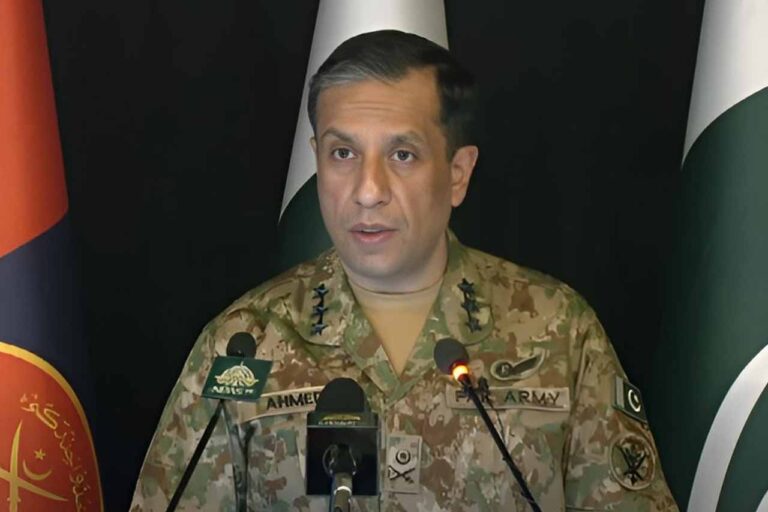
    Director General of Inter-Services Public Relations (ISPR) Lieutenant General Ahmed Sharif Chaudhry has said Pakistan must become a “hard state” where the Constitution and law are applied equally to everyone, stressing that strong governance is essential to defeating terrorism and ensuring lasting peace. He rejected claims that the security situation in Balochistan is worsening, calling them part of a deliberate campaign to create a false perception about the province. Addressing a detailed press conference on Friday, the military spokesperson said Pakistan’s security forces continue to make significant gains against terrorism through sustained intelligence-based operations across the country. Lt Gen Chaudhry said a total of 40,348 intelligence-based operations (IBOs) have been carried out so far this year by the armed forces, police, intelligence agencies and civil armed forces. More than 31,000 of these operations were conducted in Balochistan, reflecting the state’s continued focus on restoring peace in the province. He said Pakistan recorded 3,145 terrorism-related incidents during 2026. Of these, 1,971 incidents occurred in Khyber Pakhtunkhwa, 1,148 in Balochistan and 26 in other parts of the country. The ISPR chief said security forces killed 2,084 confirmed terrorists during operations this year, describing it as the highest average in the country’s history. On average, around 10 terrorists have been eliminated every day, while nearly 200 intelligence-based operations are conducted daily. Highlighting the sacrifices made in the fight against terrorism, Lt Gen Chaudhry said 819 Pakistanis lost their lives in terrorism-related incidents this year. The victims included 303 military personnel, 194 members of police and civil armed forces, and 322 civilians. He also revealed that 28 suicide attacks had taken place across the country during the year. According to him, most of these attacks involved Afghan nationals or individuals linked to groups operating from Afghan territory. The military spokesperson said the rise in terrorist attacks should not be viewed as a sign of weakness. Instead, he argued that militant groups have intensified attacks because of increasing pressure from proactive security operations and repeated battlefield setbacks. Lt Gen Chaudhry also accused the Afghan Taliban administration of allowing terrorist groups to operate from Afghan soil, claiming cross-border support remains a major factor behind terrorism inside Pakistan. Explaining his vision of a “hard state,” he said it does not mean military rule. Rather, it refers to a country where institutions function according to the Constitution, laws are enforced fairly, and no individual or group stands above the law. Referring to Article 5 of Pakistan’s Constitution, he said loyalty to the state and obedience to the Constitution are fundamental duties of every citizen. He added that discussions about rights must also include recognition of civic responsibilities. Speaking specifically about Balochistan, Lt Gen Chaudhry said the province’s real challenge lies with certain elites and tribal leaders who seek to preserve the existing power structure. He alleged that some influential groups oppose educational and economic progress because they fear losing their traditional influence. He further claimed that some individuals benefit from illegal activities, including smuggling and other criminal networks, and promote unrest whenever the state strengthens law enforcement or cracks down on such activities. The military spokesperson reiterated that Pakistan would not negotiate with terrorist groups or those using violence for political purposes. Instead, he said the armed forces would continue engaging directly with the people of Balochistan, whom he described as the province’s true stakeholders. Lt Gen Chaudhry also alleged that hostile foreign powers are attempting to exploit Balochistan’s strategic location and natural resources by supporting anti-state elements in collaboration with local actors opposed to reforms and development. Discussing the issue of missing persons, he said the Commission of Inquiry on Enforced Disappearances has received 10,901 complaints since its establishment. Of these, 9,372 cases have been resolved, with 4,896 individuals returning home, around 1,030 found in prisons, 308 confirmed dead, and nearly 2,400 complaints determined to be incorrectly reported. He added that 2,933 complaints originated from Balochistan, of which 2,767 have already been resolved.

  • | | |

    Iran executesan accused of helping US, Israel duri…

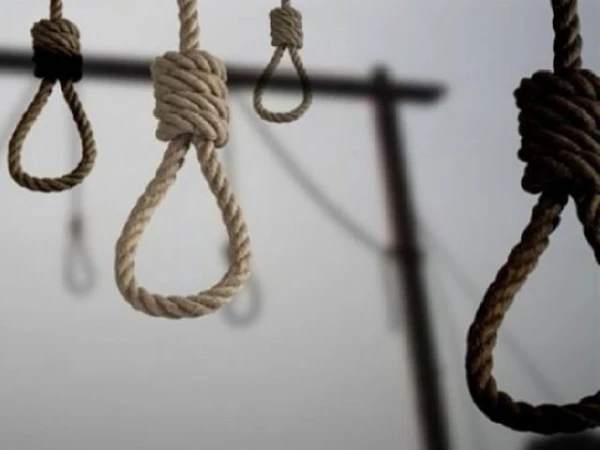
    TEHRAN: Iran has executed a man accused of supporting the United States and Israel during the country’s January anti-government protests, adding to growing international concern over Tehran’s use of capital punishment against people linked to the unrest. Iranian judicial authorities identified the man as Majid Adineh, saying he was arrested during the protests and accused of involvement in activities carried out in support of groups considered hostile to Iran. According to the judiciary, Adineh was accused of deliberately committing arson, participating in gatherings aimed at undermining national security and conspiring against the state. Authorities also alleged that he had worked with opposition groups linked to the United States and Israel. Iran’s judiciary said the Revolutionary Court in Karaj convicted him after considering documents, evidence and statements attributed to the defendant. The court also ordered the confiscation of his property. The allegations could not be independently verified, and the account published by Iranian authorities did not include comments from Adineh’s lawyer or family. The execution comes amid an increasingly severe crackdown following nationwide protests that began in late December and expanded across Iran in January. The demonstrations were initially fuelled by economic grievances but quickly developed into broader anti-government protests. Iranian authorities have repeatedly described some protesters as agents or operatives working for foreign enemies, while rights organisations have challenged the fairness of several cases brought against demonstrators. The latest execution also follows a broader increase in executions connected to the unrest. The UN human rights chief said earlier this month that Iran had executed at least 56 people on national-security-related charges since March 19, including 27 people linked to the anti-government protests. Human rights organisations have warned that dozens of other protesters remain at risk of execution. Amnesty International said in July that at least 60 people, including some who were children when arrested, were at risk after receiving death sentences connected to the protests. The UN’s Iran fact-finding mission has also urged Tehran to halt executions linked to the protests, expressing concern over accelerated proceedings and allegations surrounding the fairness of trials. Iran, however, maintains that its courts are dealing with serious national-security offences and that capital punishment is lawful. The executions have intensified debate over the government’s response to dissent. While officials portray the cases as necessary measures against threats to national security, rights groups argue that protesters and political dissidents are being subjected to harsh sentences after proceedings that fail to meet international fair-trial standards. With further cases reportedly moving through Iran’s Revolutionary Courts, the execution of Adineh is likely to renew scrutiny of Tehran’s treatment of those accused of involvement in the January protests.

  • |

    Trump and Republicans face tough test as US midterm elections draw closer

    With just 100 days remaining before Americans head to the polls for the midterm elections, President Donald Trump and the Republican Party are preparing for what could become one of the biggest political challenges of his presidency. While Trump himself will not be on the ballot on November 3, the outcome of the elections is expected to shape the final years of his administration. Recent opinion surveys suggest Democrats are well positioned to regain control of the House of Representatives, while Republicans are also facing an increasingly competitive fight to maintain their majority in the Senate. A Democratic victory in the House would dramatically shift the balance of power in Washington. It would allow the party to lead key congressional committees and launch investigations into the Trump administration through subpoena powers. Such authority could open the door to fresh inquiries into government decisions and even fuel discussions about another attempt to impeach the president. Republicans currently hold only a slim majority in the House, making it easier for Democrats to take control if just a small number of seats change hands. Political analysts say several national issues are making the election environment more difficult for Republicans. Rising living costs remain one of the biggest concerns among voters. Fuel prices have climbed above four dollars per gallon following disruptions in global energy markets linked to the conflict with Iran. Inflation has remained stubbornly high while interest rates continue to place pressure on households and businesses. Surveys also indicate that voters are increasingly trusting Democrats over Republicans on issues such as inflation, healthcare and even immigration, which has traditionally been considered one of the Republican Party’s strongest campaign issues. House Democratic leader Hakeem Jeffries recently criticized the Trump administration’s economic record and announced a campaign focused on lowering the cost of groceries, gasoline, housing and medical care. Republicans, however, argue that voters will have a clear choice between what they describe as practical conservative policies and a Democratic Party they say has moved further to the left. Their campaign is expected to emphasize border security, tax reductions and public safety while attempting to link Democratic candidates with progressive policies that they believe are unpopular among moderate voters. At the same time, Republicans are pursuing strategies that could improve their chances despite difficult polling numbers. One major effort has involved redrawing congressional district boundaries. Both major parties have participated in redistricting, but experts believe Republicans may benefit more from the latest changes. Some projections suggest the new electoral maps could provide Republicans with an advantage of several House seats, which may prove crucial in what is expected to be another closely contested election. Political scientist Sarah Binder of George Washington University said the new district maps have significantly reduced the number of truly competitive House races, limiting the opportunities available to Democratic candidates in some areas. Republicans also enter the final months of campaigning with a financial edge. Party organizations and allied groups have reportedly raised tens of millions of dollars more than their Democratic rivals, giving them greater resources to advertise, organize campaigns and support candidates across the country. The battle for the Senate is expected to be just as important. Republicans currently control the chamber with a 53 to 47 majority. Democrats need to gain four seats to take control, although current forecasts suggest Republicans remain slight favorites to keep the Senate. Some projections indicate the chamber could end in a 50 to 50 split, allowing Vice President JD Vance to cast deciding votes whenever necessary. For President Trump, losing the House while keeping the Senate would still create major obstacles for the remainder of his term. His legislative agenda would likely face repeated roadblocks, while Democratic lawmakers could use committee hearings to closely examine issues including the administration’s handling of the Iran conflict, government ethics and election related policies. Political analyst Chuck Todd said Republicans have seen their advantage in the Senate narrow considerably over recent months. He also predicted Democrats could gain between 10 and 25 seats in the House if current political trends continue. Recent polling from Economist and YouGov shows Trump’s approval rating remains low, with only 36 percent of Americans approving of his performance as president. Analysts note that historically, presidents with approval ratings below 45 percent almost always see their party lose seats during midterm elections. Whether Republicans can limit those losses or face a much larger defeat will become clear when Americans cast their votes in November.

  • | | | |

    Upper Dir battles massive cholera outbreak as case…

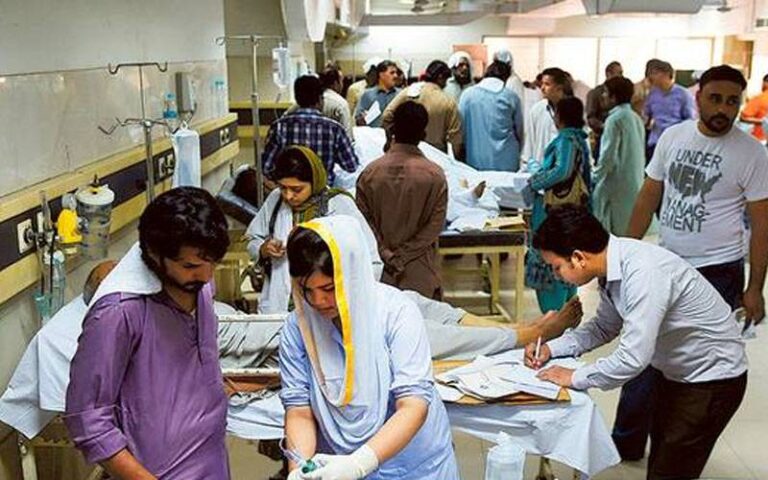
    PESHAWAR: A major cholera outbreak has struck several areas of Upper Dir in Pakistan’s Khyber Pakhtunkhwa province, infecting more than 3,000 people and placing severe pressure on local healthcare facilities, officials said on Saturday. The outbreak has affected multiple localities, including Ashirai Dara, Sharingal, Barawal and Dir Khas, where a large number of residents have reported symptoms associated with the waterborne disease. According to Dr. Sahibzada Imtiaz, Medical Superintendent of the District Headquarters Hospital in Upper Dir, the number of cholera patients has risen rapidly over the past few days. He said more than 3,000 people, including women and children, have been infected since the outbreak began. Hospital authorities revealed that 600 patients were admitted in a single day, highlighting the alarming pace at which the disease is spreading. The influx of patients has overwhelmed the District Headquarters Hospital, leaving medical staff under immense pressure. Doctors said several patients remain in critical condition and are being shifted to other healthcare facilities for specialized treatment because the main hospital has reached full capacity. In response to the health emergency, teams from the Khyber Pakhtunkhwa Health Department have been dispatched to the affected districts. Public health officials are conducting field inspections, monitoring the spread of the disease and working to improve access to safe drinking water. Authorities are also testing local water sources to identify possible contamination, as cholera is commonly spread through polluted water and poor sanitation. Health experts have urged residents to drink only boiled or purified water, maintain proper hygiene and seek immediate medical attention if they experience severe diarrhea, vomiting or dehydration. They stressed that early treatment can significantly reduce the risk of serious complications. The outbreak has raised concerns about public health infrastructure in remote areas, where limited access to clean water and medical services can accelerate the spread of infectious diseases. Officials say emergency response efforts will continue until the situation is brought under control and further infections are prevented.

  • Cambodia Hires U.S. Firm to Wage Information War, Documents Show

    BANGKOK — A U.S.-based consulting firm has been formally contracted by the Cambodian government to conduct an international information campaign aimed at discrediting Thailand and swaying global opinion amid ongoing border hostilities, according to documents published by the STRONG Anti-Corruption Thailand Club. Civilian Death Toll in Thailand Rises to 16 Amid Continued Border Clashes The […]

Leave a Reply

Your email address will not be published. Required fields are marked *