surprising benefits day

Surprising benefits of day old roti

Stale roti is usually less popular than fresh roti but experts say that properly stored roti from the previous day may have some possible health benefits.

Research suggests that when cooked bread or roti cools down some of its starch changes into resistant starch.  A study found that roti stored for about 24 hours may contain more resistant starch than freshly made roti.

This type of starch is digested differently from regular starch.

May help control blood sugar

Resistant starch is not fully broken down into glucose in the small intestine. Because of this eating cooled or day old roti may have a lower effect on blood sugar than fresh roti.  It may also help with better blood sugar control although more research is needed.

May support digestion

Resistant starch can support the growth of helpful bacteria in the large intestine.  If the roti is made from whole wheat flour its fiber content may also help improve digestion and reduce the risk of constipation.

May keep you full longer

The combination of fiber and resistant starch may help you feel full for a longer time. Day old roti can be part of a filling breakfast especially when eaten with foods such as yogurt, eggs or vegetables.

A nutritious breakfast option

Whole wheat roti contains fiber vitamins minerals and other useful nutrients.  When combined with other healthy foods it can be part of a balanced breakfast.

Fresh roti is not necessarily less healthy

It is important to remember that stale roti is not automatically healthier than fresh roti. Its nutritional value depends on the type of flour used how the roti was prepared and how safely it was stored.

Most importantly leftover roti should be stored properly to prevent spoilage. If it develops an unusual smell taste mold or other signs of spoilage it should not be eaten.

Similar Posts

  • Hair loss causes and prevention

    Hair loss is a common problem that can affect both men and women. For some people it is temporary while for others it may slowly lead to noticeable thinning or baldness. Experts say hair loss can happen for many reasons. These include poor nutrition hormone changes stress certain illnesses inherited factors and frequent use of harsh hair products or chemical treatments. Common causes of hair loss Some of the most common reasons for excessive hair loss include. •Poor or unbalanced diet •Iron and vitamin deficiencies •Hormonal changes •Anemia •Stress •Certain medical conditions •Some medicines or medical treatments Family history of hair loss Women may also experience hair loss because of hormone related conditions. Tips to help reduce hair loss Healthy daily habits may help keep your hair strong and reduce breakage. Eat a balanced diet rich in protein. Ask your doctor about iron or vitamin deficiencies if you think you may have one. Keep your hair and scalp clean. Avoid using too many chemical hair products or treatments. •Do not brush or comb wet hair roughly. •Drink enough water every day. •Get enough sleep and manage stress. Before trying any new hair oil or home remedy do a patch test to check for skin irritation. Onion Juice A popular home remedy onion juice is a well known home remedy that many people use for hair care. It is usually applied to the scalp left on for a short time, and then washed off. However onion juice is not a proven cure for baldness. It may also cause irritation or allergic reactions in people with sensitive skin so it should be used with care. When to see a doctor If your hair is falling out quickly or you notice clear bald patches do not rely only on home remedies. It is best to visit a dermatologist to find the cause and get the right treatment.

  • The Cost of Carelessness

    Through the columns of your newspaper, I would like to draw attention to the growing problem of carelessness in our society. Many accidents and difficulties could be prevented if people and authorities took their responsibilities seriously. Careless driving, ignoring traffic rules, poor road conditions, and negligence by concerned departments are putting innocent lives at risk. People often drive at high speed, use mobile phones while driving, or ignore traffic signals. At the same time, damaged roads and a lack of proper safety measures make the situation worse. The cost of such carelessness is very high. Families lose their loved ones, people suffer injuries, and society faces unnecessary financial and emotional burdens. These problems cannot be solved unless everyone understands their responsibility. I urge the authorities to strictly enforce traffic rules, improve road conditions, and take action against negligence. Citizens should also follow safety rules and act responsibly.

  • | | |

    Reason, passion and desire

    We often like to view ourselves as unified, consistent individuals guided by singular motives. Yet, almost everyone has experienced an intense internal conflict. It’s wanting to spend on a impulse buy while knowing it defies financial logic. Or feeling overcome with regret immediately after giving in to a temptation. Over two millennia ago, the ancient Greek philosopher Plato set out to explain this psychological friction in Book IV of his masterwork, the Republic. Plato proposed that our psyche is composed of three distinct yet interacting forces rather than treating the human mind or psuche (soul) as a monolithic entity. Plato developed the concept of the tripartite soul. Further, he offered a framework that remains remarkably relevant to modern understandings of human behavior, self-control and moral choice. The Three Components of the Psyche Plato divides the human mind into three primary elements, each responsible for different aspects of our drives and behavior. 1. The Appetitive Element (To Epithumetikon) The appetitive part is the largest and most primal component of human nature. It encompasses our basic instinctual desires, including physical appetites for food, drink, comfort, and sensual pleasure, as well as material wants. Because these cravings are immediate and self-interested, the appetitive drive is inherently impulsive. Left unchecked, it seeks gratification regardless of long-term consequences. 2. The Spirited Element (To Thumoeides) The spirited element represents our emotional drive, passion, and sense of honor. It is the source of courage, pride, and righteous indignation when we witness or experience injustice. Unlike raw bodily appetite, the spirited part is closely tied to our moral identity and self-image. When functioning healthily, spirit acts as an ally to reason. It generates feelings of shame or self-directed anger when we surrender to harmful appetitive urges. 3. The Rational Element (To Logistikon) The rational element is the calculating and reflective mind. It seeks truth through logic, forethought, and critical reflection. What sets rationality apart from the other two components is its scope. While appetite and spirit focus on fulfilling specific, immediate goals, the rational mind evaluates what is best for the entire person in the long run. The Conflict Within: Why the Soul Divides To demonstrate that these three elements are truly distinct, Plato relies on an early formulation of the principle of non-contradiction: a single entity cannot simultaneously move in opposite directions in the exact same respect. Therefore, when a person experiences contradictory impulses such as feeling an intense thirst yet consciously choosing not to drink due to illness or health concerns, different parts of the mind must be in opposition. A classic illustration of this psychological war is the story of Leontius. While walking, Leontius felt a compulsive curiosity to look at execution corpses lying on the ground. Simultaneously, he felt disgust and moral repulsion. Eventually, his base appetite won out, causing him to rush over while angrily cursing his own eyes. This reaction demonstrates the spirited part of the soul becoming angry at the appetitive part for overriding rational judgment. From Conflict to Harmony Plato’s goal was not to suggest that humans should eradicate desire or emotion altogether. Instead, he argued that mental health and moral integrity, what he called justice of the soul, require a proper hierarchy. Reason must govern, serving as the wise leader that understands the big picture. Spirit must protect and enforce reason’s guidance with courage and conviction. Appetite must operate within temperate limits established by reason.   When these three components function in balance, an individual achieves psychological harmony. Conversely, when base desires or untamed emotions usurp the throne, inner turmoil and destructive behaviors follow. Plato’s tripartite framework ultimately serves as a timeless reminder that self-mastery is not about suppressing who we are, but about bringing our competing drives into a balanced, reason-guided unity.

  • |

    Pashtun identity in modern South Asia

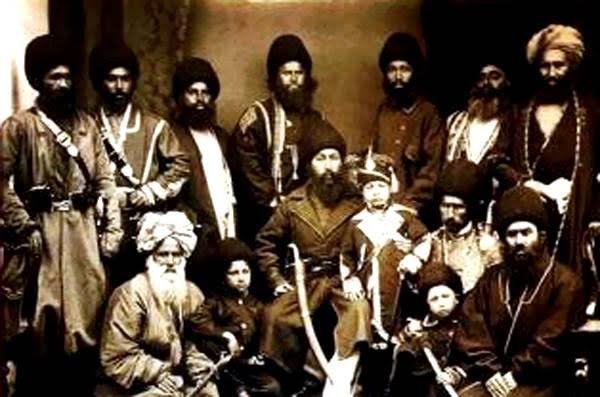
    The Pashtuns represent one of the most populous indigenous groups across South and Central Asia, predominantly in Afghanistan and Pakistan. Their social backbone relies on interconnected lineages, extended families, clans, and tribal alliances rather than a centralized political authority. From major confederations like the Durrani and Ghilzai to influential communities such as the Yusufzai, Afridi, Mohmand, Khattak, Wazir, and Mahsud, Pashtun society is a rich tapestry of overlapping regional, religious, and civic loyalties. At the core of their culture is Pashtunwali, an ancient honor code governing daily life through principles of hospitality, courage, asylum, and restorative justice. Historically, community issues and disputes were negotiated collectively through jirgas, or assemblies of local elders, maintaining order through consensus. Empire Builders and Cultural Crossroads Beyond tribal structure, Pashtuns have repeatedly reshaped the political landscape of the Indian subcontinent and Central Asia. Sultanate Dynasties: The Lodi dynasty established its rule over the Delhi Sultanate, paving the way for intricate South Asian governance structures. Administrative Reforms: Imperial leader Sher Shah Suri founded the Sur Empire in North India, pioneering sweeping reforms in taxation, infrastructure development, and currency. Empire Founding: In the 18th century, Mirwais Hotak challenged Safavid Persian dominance, while Ahmad Shah Durrani established the Durrani Empire in 1747, laying the groundwork for modern Afghanistan. This history is far more than military conquest. Pashtun territories served as vital crossroads where Persian, Turkic, Indian, and Islamic traditions converged. Consequently, their heritage spans beyond warrior traditions. It thrives in rich oral poetry, musical compositions, complex embroidery, craftsmanship, and trade networks. The Borderlands and Modern Challenges The 19th century brought prolonged conflict with British imperial forces along the northwestern frontier. A pivotal turning point arrived with the demarcation of the Durand Line in 1893. By drawing an artificial boundary between Afghanistan and British India (now Pakistan), the British divided ancestral Pashtun communities, establishing a geopolitically sensitive frontier that continues to spark debate and shape regional politics today.   In recent weeks, administrative re-alignments and border disputes in provinces like Balochistan and Khyber Pakhtunkhwa have reignited local debate. Prominent political and tribal leaders have voiced strong resistance to state restructuring, asserting that top-down administrative decisions risk erasing historical identities. Through renewed calls for broad political dialogue rather than bureaucratic divisions, modern Pashtun communities continue to rely on unified assemblies to safeguard their cultural heritage, self-determination, and historical voice in a changing region.

  • Talking to yourself could be sign of intelligence

    Some habits are considered by people to be signs of foolishness or poor mental ability. In fact, many people associate such habits with a lack of concentration, poor discipline or mental decline. However, one such habit that may seem strange to others has been linked to intelligence in some research reports. Yes, the habit is talking to yourself which is often viewed negatively by people. According to research reports, if you have a habit of talking to yourself, it does not mean you are crazy. Instead, it could be a sign that you are more intelligent than other people. Although people may not generally view this behaviour positively, there is evidence suggesting that talking to yourself can benefit the brain. It may improve memory, boost confidence and help with concentration. A 2012 study found that people who talked to themselves were able to identify objects in pictures more quickly. Similarly, a 2023 study found a connection between self-talk and self-control or self-discipline. The study suggested that people who talk to themselves often have a better understanding of themselves. However, these benefits may occur when self-talk is practiced in moderation. Negative self-criticism, on the other hand, can have harmful effects. So, if you have a habit of talking to yourself, there is no need to feel embarrassed about it. This unusual habit may help you analyze details, improve concentration and sharpen your mind.

  • |

    Remembering Marjane Satrapi: an author who humanized Iran

    The global arts community is mourning the unexpected passing of Marjane Satrapi. She is the pioneering French-Iranian author, illustrator, and film director best known for her graphic memoir Persepolis. Satrapi passed away in Paris at the age of 56. Relatives confirmed that her death was tied to profound heartbreak following the loss of her husband, Swedish producer Mattias Ripa, who died the previous year. Her death sparked an outpouring of tributes from political leaders, cultural institutions, and readers worldwide. French President Emmanuel Macron paid homage to Satrapi as a monumental talent who converted her childhood in revolutionary Iran into an accessible, universal human story, blending sharp irony, vulnerability, and courage. Born in 1969 in the northern Iranian city of Rasht, Satrapi grew up in Tehran during one of the most turbulent eras in modern Middle Eastern history. As a child of progressive, middle-class parents, she witnessed the overthrow of the Shah in 1979, followed by the rapid consolidation of power by the fundamentalist Islamic regime and the devastating Iran-Iraq War. Concerned for her safety and rebellious spirit, her family sent her to study at the Lycée Français in Vienna when she was just fourteen. Her years in Austria were marked by acute feelings of social isolation, homelessness, and cultural displacement. The struggles that would later become central themes in her creative career. After returning to Tehran to complete her university education in visual communication, Satrapi ultimately chose a life in exile, relocating permanently to France in 1994. In 2000, Satrapi published the first volume of Persepolis, a monochrome graphic novel that fundamentally altered how Western audiences viewed everyday life in Iran. Drawn in a bold, stripped-down visual style influenced by expressionist art, the book chronicled her youth with remarkable humor and emotional honesty. Satrapi demystified a country often flattened by geopolitical headlines. The book became an international bestseller, translated into dozens of languages and adopted into school curricula worldwide. In 2007, Satrapi co-directed an animated film adaptation alongside French artist Vincent Paronnaud. The film won the Jury Prize at the Cannes Film Festival, earned an Academy Award nomination for Best Animated Feature, and cemented Satrapi’s standing as a multi-talented cinematic voice.        “I don’t want to return to a dictatorship and spend the rest of my life in jail being tortured.” — Marjane Satrapi Satrapi’s artistic career extended well beyond Persepolis. She directed live-action feature films including Chicken with Plums (2011), the dark comedy The Voices (2014) starring Ryan Reynolds, and Radioactive (2019), a biopic celebrating Marie Curie. In addition, she was an accomplished painter and was elected to the prestigious French Academy of Fine Arts. Yet, Satrapi remained fiercely principled. She consistently criticized the Iranian regime while demanding true integrity from Western governments. In early 2025, she publicly rejected France’s prestigious Légion d’honneur, citing European political hypocrisy regarding human rights in Iran. Following the 2022 Iranian protests triggered by the death of Mahsa Amini, she edited the collective work Woman, Life, Freedom, uniting artists and historians to support the civil rights uprising. Through her uncompromising honesty, sharp wit, and visual mastery, Marjane Satrapi left behind a legacy that proved art can dismantle prejudice, bridge divide, and speak truth to power.  

Leave a Reply

Your email address will not be published. Required fields are marked *