thai prime minister

Thai Prime Minister Anutin To Visit Malaysia For High-level Talks

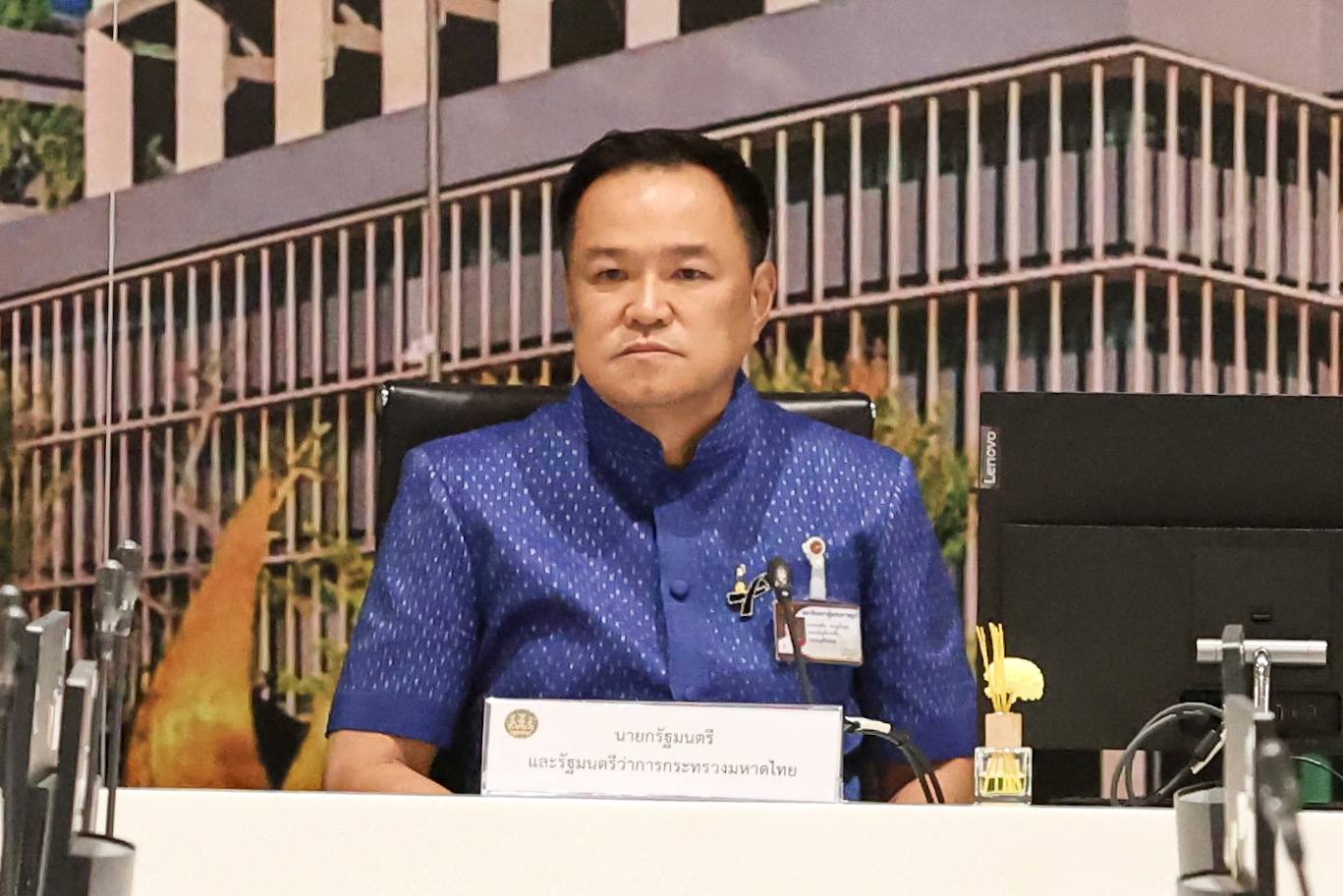
BANGKOK, Thailand — Thai Prime Minister Anutin Charnvirakul is scheduled to visit Malaysia next month for high-level bilateral talks aimed at strengthening cooperation to combat the longstanding southern insurgency and curb cross-border militant activities. The diplomatic mission comes in direct response to a recent surge in violence across Thailand’s southernmost provinces.

Two Malaysian Tourists Injured In Narathiwat Culvert Bomb Blast

National Security Council (NSC) Secretary-General Chatchai Bangchuad announced that Prime Minister Anutin will raise these critical security issues with his Malaysian counterpart, Prime Minister Anwar Ibrahim, during his official visit to Kuala Lumpur on July 9 and 10. Chatchai welcomed Malaysia’s recent crackdown on its citizens attempting to cross into Thailand through illegal border routes, describing it as a positive indication that Kuala Lumpur is taking the security challenges in Thailand’s deep South more seriously. He emphasized his long-standing desire to see Malaysia attach greater strategic importance to the ongoing insurgency.

The porous border separating southern Thailand and northern Malaysia has historically been exploited by separatist militants seeking temporary refuge from security operations conducted by Thailand’s Fourth Army Region. Many of these insurgents hold dual Thai-Malaysian citizenship or maintain family ties in Malaysia, allowing them to traverse the border or establish safe havens with relative ease. Furthermore, several key members of the Barisan Revolusi Nasional (BRN)—the primary insurgent group currently engaged in Malaysian-facilitated peace talks with the Thai government—are believed to be residing across the border in Malaysia.

The planned diplomatic visit coincides with a disturbing escalation of violence in the border provinces, characterized by bombings and shootings targeting government officials and public infrastructure. Among the most recent incidents was a bombing at a petrol station in Yala province on June 28, followed by a roadside bomb explosion in the Tak Bai district of Narathiwat province that injured two Malaysian tourists.

Interior Permanent Secretary Orasit Samphantharat recently visited the Narathiwat blast site, where the tourists were injured and their vehicle sustained severe damage. A preliminary investigation revealed that the roughly 70-kilogram improvised explosive device (IED) was constructed using specialized components not commercially available within Thailand. Police reported that the bomb was concealed inside a roadside culvert and detonated remotely by militants hiding in the vicinity. Investigators believe the attackers’ primary intention was to destroy an armored military vehicle, but the blast tragically struck the tourists’ car after it overtook the military convoy.

Coordinated Blasts Strike Southern Thai Petrol Stations, Injuring One

As diplomatic efforts intensify, both nations are expected to focus on enhancing intelligence sharing, joint border patrols, and the disruption of militant supply chains.

-Thailand News (TN)
Similar Posts

  • | |

    Iran summons French ambassador over diplomats accu…

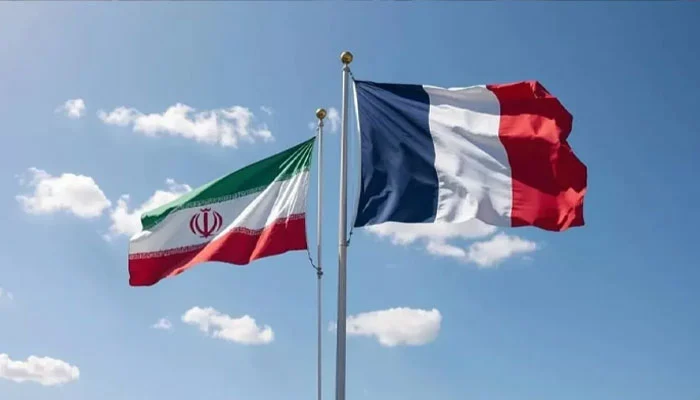
    Iran summoned the French ambassador in Tehran this week over allegations that two French diplomats interfered in the country’s internal affairs. A spokesman for Iran’s Foreign Ministry said the ambassador was called in specifically to address the conduct of the two diplomats stationed in Tehran. Speaking at a weekly press briefing, Esmaeil Baghaei said the meeting emphasized that the French government must halt what he described as interference in Iran’s domestic affairs carried out under misleading pretexts. Baghaei said both diplomats had been using contact with civil society groups as cover for activities that amounted to meddling in Iran’s internal matters, and argued that their conduct had no legal basis under the Vienna Convention on Diplomatic Relations. The dispute stems from an incident on July 20, when Iranian security forces detained the two French diplomats and questioned them for several hours before allowing them to return to the French embassy. One of the diplomats later alleged that he was subjected to physical mistreatment while in custody. French Foreign Minister Jean Noel Barrot condemned the episode, describing it as an extremely serious act of intimidation. The incident adds to a period of heightened friction between Iran and Western governments, as Tehran remains locked in a broader standoff with the United States and its allies over its nuclear program and regional activities, a dynamic that has repeatedly spilled over into diplomatic disputes with European nations in recent months.

  • | | |

    Imran Khan’s sons renew concerns over father…

    The sons of former prime minister Imran Khan have once again expressed concern over their father’s health, saying they have been unable to receive reliable information about his condition due to continued restrictions on family access. Speaking in an interview with an international news outlet, Kasim Khan and Sulaiman Khan said they have not been allowed to communicate with their father for several months and claimed that his family, lawyers and personal doctors have also been denied regular access. Kasim said the family has remained in the dark about Imran Khan’s health throughout his imprisonment. He referred to an Islamabad High Court order that directed authorities to facilitate regular phone calls, but claimed the arrangement has not been effectively implemented. The brothers, who were interviewed in London, also said they have been trying to travel to Pakistan but have faced difficulties related to travel documentation. According to them, their National Identity Cards for Overseas Pakistanis (NICOPs) have expired, while visa-related issues have prevented them from visiting their father. The Ministry of Information, however, rejected the allegations, maintaining that the brothers possess NICOPs and therefore do not require visas to enter Pakistan. The ministry described their claims as misleading and said an administrative matter should not be turned into a political issue. The government did not comment on the brothers’ claim that their identity cards had expired. Asked whether Imran Khan might reach a political understanding with the government, both sons expressed doubt. Sulaiman said his father would be unlikely to agree to any arrangement that did not also address the situation of other political prisoners. Kasim added that the family’s inability to obtain updated medical information made it difficult to assess his father’s current health. The brothers also criticised the legal cases against the former prime minister, insisting the allegations were politically motivated. Kasim urged the international community to pay attention to the situation, claiming that his father remained imprisoned despite enjoying widespread public support. Imran Khan has been in prison since August 2023 after being convicted in the Toshakhana case. He is also serving a sentence in the £190 million corruption case and continues to face several other legal proceedings, including cases linked to the May 9 riots. His health has remained a point of dispute between the government and the opposition since he was diagnosed earlier this year with central retinal vein occlusion (CRVO), an eye condition affecting vision. Opposition leaders and members of his family have repeatedly demanded access for his personal doctors and called for his transfer to a private hospital for further treatment.

  • | |

    SC to hear Imran access pleas on August 18

    The Supreme Court has scheduled five petitions concerning access to jailed former prime minister and PTI founder Imran Khan for hearing on August 18. A three-member bench headed by Justice Shahid Waheed will hear the petitions. Justice Naeem Akhtar Afghan and Justice Ishtiaq Ibrahim are also part of the bench. The cases were previously being heard by a bench headed by Justice Muhammad Ali Mazhar. The bench has now been reconstituted after Justice Mazhar became unavailable at the Supreme Court’s principal seat. The petitions seek permission for Imran Khan’s family members, personal doctors and legal team to meet him in prison. The applicants have also requested access to his medical records and proper arrangements for his medical treatment. The petitions gained renewed attention after PTI lawyers and lawmakers gathered outside the Supreme Court earlier this week, protesting over the continued delay in fixing the cases. A delegation led by PTI lawyer Salman Akram Raja subsequently met the apex court registrar. According to Insaf Lawyers Forum chief organiser Intezar Panjutha, the registrar assured the delegation that five petitions relating to restrictions on meetings with Imran would be listed for hearing. The cause list was expected to be issued ahead of the proceedings. One of the petitions was filed by Imran’s sister, Uzma Khan. She has sought his transfer to Shifa International Hospital, arguing that he requires proper treatment and continuous medical monitoring for an eye-related condition and other health complications. The Supreme Court had earlier directed that details of meetings held by Imran and his wife, Bushra Bibi, with family members, lawyers and party leaders in prison be submitted. The newly constituted bench has attracted attention because of the legal positions previously taken by its members in politically sensitive matters. Justice Afghan has been associated with dissenting opinions on several major constitutional and legal issues. He had opposed the constitutionality of trying civilians in military courts and had also dissented in a case involving the transfer of judges between high courts. He has previously granted post-arrest bail to PTI leaders facing cases related to the May 9 violence. Justice Ibrahim was part of a Supreme Court judgment that overturned an earlier order concerning Imran’s right to defend himself in a defamation case filed by Prime Minister Shehbaz Sharif. Meanwhile, the Islamabad High Court is separately hearing petitions concerning the alleged solitary confinement of Imran Khan and Bushra Bibi. The dispute over access to Imran has remained a major issue for the PTI, which maintains that his family, lawyers and doctors should be allowed regular meetings. The government has continued to face pressure over the prison arrangements surrounding the former prime minister.

  • Chula, Thai Red Cross Society Partner to Bring ‘SALYWA’ Artificial Saliva to Patients 

    Chulalongkorn University, in collaboration with the Thai Red Cross Society and Specialty Innovation Co., Ltd., held a press conference announcing the licensing agreement for research utilization and the launch of “SALYWA”, an artificial saliva product made from Thai herbal extracts. The product is designed to relieve dry mouth and reduced saliva production, particularly among cancer patients undergoing radiation therapy and elderly individuals. The initiative aims to bring […]

  • | |

    Award-winning ‘Ghost School’ denied cinema cer…

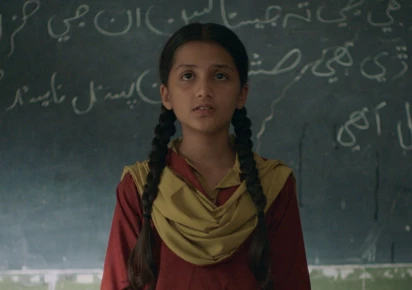
    British-Pakistani filmmaker Seemab Gul’s award-winning film Ghost School has been denied certification by the Sindh Board of Certification, preventing its theatrical release in the province where the film is set. The decision has sparked discussion about artistic expression, girls’ education and the portrayal of social issues through cinema. Gul has appealed to the Sindh Board to reconsider its decision. She said the film was made from a child’s perspective and aims to encourage audiences to think about education and the challenges faced by children. The filmmaker said she had asked the board to explain the reason for refusing certification but had not received an explanation. Despite the decision in Sindh, Ghost School has already gained recognition at several international film festivals. The film won the Best Director award at the UK Asian Film Festival. It also premiered at the Toronto International Film Festival, where it received a nomination in a major competition category. It was later screened at the Red Sea Film Festival in Jeddah. The film also received an honourable mention at the Indian Film Festival of Los Angeles and secured a special award at the Asian, African and Latin American Film Festival. The film follows 10-year-old Rabia, who tries to understand why the only school in her rural village has stopped operating. Through the young girl’s journey, the story examines barriers to girls’ education, resilience and problems within publicly funded schools. The film focuses on the issue of so-called “ghost schools”. These are schools that exist officially but are no longer functioning properly as educational institutions. Gul explained that some such schools were never fully completed. They may lack basic facilities such as doors, windows, water, electricity or gas. In other cases, she said, schools were completed and teachers initially worked there, but operations eventually stopped. The filmmaker described the issue as a serious challenge in Pakistan, where millions of children remain outside the formal education system. Gul said the film was not intended simply to highlight a problem. Instead, she wanted to tell the story through a child’s eyes and encourage discussion about access to education. The refusal to certify the film in Sindh has therefore raised broader questions about whether filmmakers should be able to explore sensitive social issues through cinema. Gul has urged the provincial certification authority to review its decision and allow audiences to watch the film.

  • | | | |

    PM Shehbaz directs timely implementation of privat…

    Prime Minister Shehbaz Sharif has directed all relevant ministries and institutions to ensure the timely implementation of targets and deadlines under the government’s privatisation programme, stressing the need for close coordination to complete the process according to schedule. The directives were issued during a meeting held to review progress on the privatisation of state-owned enterprises. The meeting was informed that a total of 27 public sector organisations have been included in the government’s privatisation agenda, which is being carried out in three phases. During the briefing, officials updated the prime minister on the progress of the privatisation of Islamabad, Lahore and Karachi airports, as well as several major public sector entities. The meeting also reviewed the privatisation process of electricity distribution companies, including the Islamabad Electric Supply Company (IESCO), Faisalabad Electric Supply Company (FESCO), and Gujranwala Electric Power Company (GEPCO). Officials informed the prime minister that Expressions of Interest (EOIs) have already been invited for all three companies. The deadline for investors to submit documents for FESCO has been set for August 7, while submissions for GEPCO will close on August 21. The deadline for IESCO is September 7, 2026. The briefing noted that several international companies have expressed interest in acquiring the power distribution companies. Officials added that roadshows and engagement sessions with potential investors are continuing to attract further investment. Prime Minister Shehbaz also reviewed the proposed privatisation of the Zarai Taraqiati Bank Limited (ZTBL) and directed authorities to design the transaction in a way that preserves the bank’s vital role in supporting Pakistan’s agricultural sector. He emphasised that the bank should continue providing agricultural loans and financial services to farmers even after privatisation. The prime minister said farmers’ access to financial resources is essential for increasing crop yields and improving agricultural productivity. He further stated that agriculture remains a key pillar of Pakistan’s economy and plays a critical role in ensuring food security. Therefore, any privatisation model should safeguard the sector’s long-term interests while maintaining uninterrupted financial support for farmers.

Leave a Reply

Your email address will not be published. Required fields are marked *