security council begins
|

UN Security Council begins informal voting to choose next secretary general

The United Nations Security Council will begin its first round of informal voting on Thursday to measure support for candidates seeking to become the next UN secretary general. The confidential ballots mark the start of a selection process that will eventually determine who succeeds Antonio Guterres when his second five year term ends later this year.

Seven candidates from different regions are currently competing for the position. They include Argentina’s Rafael Grossi, who heads the UN nuclear watchdog, former Chilean President Michelle Bachelet, former Costa Rican Vice President Rebeca Grynspan, former Ecuadorian Foreign Minister Maria Fernanda Espinosa, former Guyanese Foreign Minister Carolyn Rodrigues-Birkett, former Senegalese President Macky Sall and Ugandan diplomat Olara Otunnu. Additional candidates are still allowed to enter the race before the selection process concludes.

The next secretary general will take charge of the United Nations at a time when the organization faces mounting criticism over its effectiveness and structure. Calls for reform have increased as member states push for a more efficient institution, arguing that the UN must reduce bureaucracy, eliminate overlapping responsibilities among its agencies and improve its ability to respond to global crises.

The first stage of the selection process involves informal straw polls conducted behind closed doors among the Security Council’s 15 members. During these secret ballots, council members indicate whether they encourage, discourage or have no opinion on each candidate. The votes are non binding but provide an early indication of which candidates have the strongest support and which face significant opposition.

At this stage, all Security Council members use identical ballots, meaning diplomats can see the overall level of support for each candidate without knowing whether opposition comes from one of the council’s five permanent members. Those permanent members are China, France, Russia, the United Kingdom and the United States, each of which holds veto power over the final recommendation.

As the selection process moves forward, the permanent members will use ballots in a different color during later rounds of voting. This allows diplomats to determine whether any candidate has received a negative vote from a veto holding country, information that often plays a decisive role in narrowing the field.

There is currently no clear favorite to replace Guterres. Previous UN leadership contests have required several rounds of voting over many weeks before a consensus candidate emerged. Diplomats expect this year’s process could continue throughout the summer and possibly into late September or early October if no candidate gains broad enough support. If the Security Council remains divided, the process could take even longer.

Once the council agrees on a single candidate, it will formally recommend that person to the 193 member UN General Assembly. The recommendation requires at least nine votes in favor and no veto from any of the five permanent members. The General Assembly then votes to confirm the appointment, a step that has traditionally been considered a formality after the Security Council reaches agreement.

The current president of the Security Council is the Democratic Republic of the Congo. Its ambassador to the United Nations, Zenon Mukongo Ngay, confirmed that the first round of straw polls will take place on Thursday morning. He also said that Ugandan candidate Olara Otunnu will participate in the voting despite not taking part in the informal public hearings completed by the other candidates.

According to his biography, Otunnu played an important role in shaping the current selection process. He states that he introduced the system of informal straw polls while serving as president of the Security Council in 1981. That method has since become a key part of the process used to identify the candidate most likely to secure broad international support before the final appointment is made.


Similar Posts

  • | |

    Four bodies recovered after Broad Peak avalanche

    The bodies of four climbers have been recovered after a deadly avalanche struck Broad Peak, the world’s 12th-highest mountain, located in Pakistan. Rescue teams are continuing an extensive search for the remaining missing climbers in difficult weather and terrain. The avalanche hit the mountain during the climbing season, leaving around 10 mountaineers missing. The victims include climbers from Nepal, Pakistan, China and the United States, highlighting the international nature of the expedition. Search and rescue teams remain on the mountain despite harsh conditions. The operation is being carried out in a challenging high-altitude environment, where steep slopes, freezing temperatures and unstable snow have made rescue efforts extremely difficult. Tourism Minister Nikk Nam Karim said every possible effort is being made to locate the missing climbers. He said rescue teams are working continuously to search the affected area and provide assistance to those involved in the incident. The minister added that the Tourism Department is supporting the rescue mission by providing logistical assistance. Authorities are coordinating with rescue teams and other relevant agencies to ensure the search operation continues without interruption. Broad Peak, which rises to more than 8,000 metres in the Karakoram mountain range, is one of Pakistan’s most challenging peaks and attracts climbers from around the world every year. However, the mountain is also known for its unpredictable weather and avalanche risks, particularly during the peak climbing season. Officials have not yet released the identities of the recovered climbers.

  • |

    Kuwait keeps bottled water purchase limit to prevent panic buying

    Kuwait’s Ministry of Social Affairs has confirmed that restrictions on bottled water purchases will remain in place as part of efforts to discourage panic buying and ensure supplies remain available for everyone. Under the current rules, shoppers can buy no more than five cartons of bottled water per invoice at central markets and cooperative society branches across the country. The ministry said all cooperative societies are required to enforce the purchase limit without exception. Officials have instructed the Union of Consumer Cooperative Societies to make sure every branch follows the directive and prevents customers from making unusually large purchases. Authorities believe the measure will help stop unnecessary stockpiling that could leave other shoppers without access to essential supplies. According to officials, the restriction is purely a precaution and should not be seen as a sign of a shortage. The ministry stressed that bottled water production remains stable and factories continue to operate at full capacity. Regular deliveries are being made to markets and cooperative stores, ensuring that supplies remain sufficient to meet consumer demand. Officials explained that the temporary limit is designed to promote fair distribution and prevent panic buying during the current situation. They said excessive purchasing by a small number of customers can quickly create empty shelves, increase crowding at stores and trigger unnecessary public concern even when supplies remain adequate. The ministry also confirmed that it is closely monitoring the implementation of the policy. Cooperative societies that fail to follow the instructions or violate the regulations could face action from the authorities. Officials urged retailers to strictly apply the purchase limit so that bottled water remains available to all consumers. Residents have been encouraged to buy only the amount they genuinely need and avoid hoarding. The ministry also warned against spreading unverified information or rumors that could create unnecessary fear and encourage panic buying among the public. Officials emphasized that responsible purchasing will help maintain steady supplies and prevent disruption in the market. In a separate development, Kuwait’s Ministry of Commerce and Industry has introduced a new legal framework for e-commerce platforms to improve consumer protection and regulate the country’s rapidly growing online marketplace. The regulations were introduced under Ministerial Resolution No. 109 of 2026 and officially came into force on July 8. They apply to all digital platforms involved in selling, ordering and delivering products within Kuwait. The new rules clearly define the responsibilities of online platforms, merchants, delivery companies and consumers. Officials said the regulations are intended to create a more transparent business environment while encouraging fair competition and supporting future investment in the digital economy. Under the updated framework, companies operating electronic platforms must obtain the required licences and comply with existing laws. They are also required to strengthen cybersecurity measures and protect their digital systems and customer information from cyberattacks, data breaches and misuse. Authorities believe the updated regulations will help build greater public confidence in online shopping while ensuring higher standards of safety and accountability across Kuwait’s expanding e-commerce sector.

  • |

    Oil prices rise as Middle East conflict deepens

    Global oil prices edged higher on Wednesday as escalating tensions in the Middle East renewed fears of supply disruptions and pushed investors to closely monitor developments in the region. Brent crude futures rose to $91.51 per barrel, while US West Texas Intermediate (WTI) crude increased to $84.64 per barrel in early trading. The gains came after oil prices reached a five-week high in the previous session. The latest rise followed another round of US military strikes inside Iran. American forces carried out attacks on Iranian military targets for the 11th consecutive night, highlighting the continued escalation of the conflict. At the same time, Kuwaiti authorities reported that air defense systems intercepted Iranian drones, adding to growing concerns that the conflict could spread further across the Gulf region. The continued exchange of attacks between Iran and the United States has heightened fears over the security of global energy supplies. Investors worry that any disruption in oil-producing regions or major shipping routes could tighten supplies and drive prices even higher. Additional pressure on energy markets came after Yemen’s Houthi movement announced a naval blockade targeting Saudi Arabia and warned that ships transporting Saudi oil through the Bab el-Mandeb Strait could face attacks. The Bab el-Mandeb Strait is one of the world’s most important maritime trade routes and serves as a key passage for oil shipments from the Middle East to international markets. The route has become increasingly important as traffic through the Strait of Hormuz has declined amid the worsening regional conflict. Energy analysts say that any disruption in either of these strategic waterways could significantly affect global oil supplies, increase shipping costs and create further volatility in international energy markets. Meanwhile, US Defense Secretary Pete Hegseth said the military campaign against Iran has so far cost the United States $37.5 billion, reflecting the growing financial burden of the prolonged conflict. Market participants are also monitoring supply data from the United States. Industry figures showed that US crude oil and distillate inventories increased during the previous week, while gasoline stockpiles declined, indicating mixed signals about fuel demand and supply conditions. Investors are now awaiting official inventory data from the US Energy Information Administration, which could provide further insight into supply trends and influence the direction of oil prices.

  • | | |

    Bangladeshi muslims India crackdown: Deportation d…

    A growing controversy over undocumented migrants in India’s West Bengal has drawn attention after authorities launched a crackdown targeting people accused of illegal entry from Bangladesh. The move has created uncertainty among many migrant families and sparked debate over immigration policies, legal procedures, and human rights. In border areas such as Hakimpur, families who migrated from Bangladesh in search of better economic opportunities say they are now facing an uncertain future. Many claim they came to India years ago to find work and support their families but are now worried about detention and possible deportation. India shares a long border with Bangladesh, and movement of people between the two regions has a complex historical background. Communities on both sides have long-standing cultural, linguistic, and economic connections, particularly in border states such as West Bengal and Assam. Authorities supporting the crackdown say action is being taken against people who do not have valid documents to remain in India. Officials argue that the country has laws for dealing with undocumented foreign nationals and that proper procedures are being followed. However, human rights organizations have raised concerns about whether individuals are being given sufficient legal protection before removal. Rights groups have emphasized that anyone facing deportation should have access to legal representation and a fair process to verify their citizenship status. The issue has also increased diplomatic sensitivity between India and Bangladesh. Dhaka has called for established verification procedures to be followed before any person is sent across the border, while Indian officials maintain that deportation procedures are carried out according to existing laws. For many migrant families, the dispute is not only about documents and borders but also about their livelihoods and future. Some workers who spent years building lives in India say they now fear losing their homes, jobs, and social connections. The controversy has also fueled wider discussions about identity, religion, and politics in India. Critics argue that vulnerable communities should not become victims of political disputes, while supporters of stricter immigration controls say governments have the right to protect their borders. As authorities continue their actions, the situation remains a sensitive issue involving immigration policy, regional relations, and the rights of individuals caught between two countries.

  • | |

    Adani group weighs entry into Indian aviation mark…

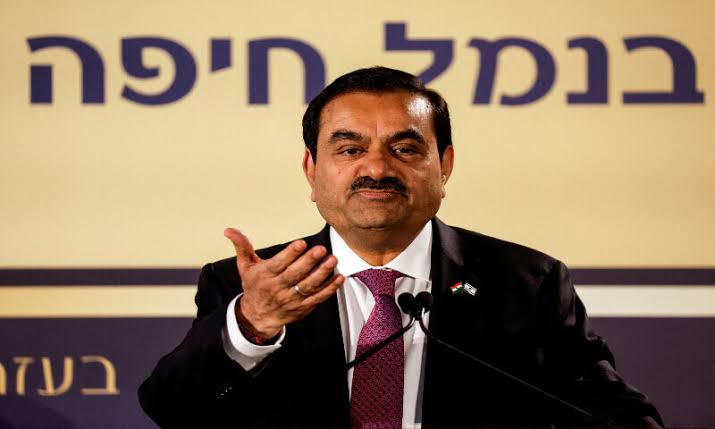
    Indian billionaire Gautam Adani’s conglomerate is exploring a possible entry into the airline business, a move that could disrupt an Indian aviation market currently controlled by just two major carriers, according to two people familiar with the discussions. The consideration marks a potential shift in direction for the group, which runs eight airports across India, including two serving Mumbai, and is midway through an expansion plan worth 11 billion dollars. The group had previously indicated it had no plans to enter the airline sector. According to one of the sources, who spoke on condition of anonymity because they were not authorized to discuss the matter publicly, no final decision has been reached and the idea remains under internal review, partly because the airline business is widely seen as difficult to run profitably. The source said Indian officials have privately encouraged large business groups, including Adani’s, to consider launching a carrier following heightened scrutiny of Air India after a fatal crash in Ahmedabad last year, along with operational breakdowns at market leader IndiGo that disrupted air travel nationwide in December. The source characterized Adani’s interest as motivated partly by a sense of national interest, noting that the government has grown concerned that the country needs another major airline given the troubles at both existing carriers. Shares of Adani Enterprises fell more than 3 percent on Thursday following the report. Internal talks about a possible airline venture remain in early stages, and the group has not set a timeline for a decision. Adani ranks as Asia’s second wealthiest individual, with a net worth of roughly 89 billion dollars, though entering the airline industry would represent one of the riskier moves of his business career. Several Indian carriers, including Kingfisher, Jet Airways and Go First, have collapsed into bankruptcy over the past fifteen years amid high taxes, intense competition and supply chain problems. While Adani has aggressively expanded his footprint in ports and airports, he has also spent time since 2024 contending with United States allegations that he paid bribes to secure a solar energy project. Those charges were dropped by American prosecutors earlier this month. India remains one of the fastest growing aviation markets in the world, but the sector has faced persistent concern over its lack of competition. IndiGo currently holds about 65.4 percent of the domestic market, while Air India controls roughly 25 percent, leaving little room for smaller players. The Indian government has said it wants to expand the country’s airport network to between 350 and 400 facilities by 2047, up from 74 in 2014, as passenger traffic climbs and airlines place record aircraft orders with Boeing and Airbus. Rajan Mehra, the former India head of Qatar Airways, said an Adani led entry into aviation could reshape the sector, though he added that regulators would need to ensure strong safeguards and a level playing field for all carriers going forward. One option under consideration is acquiring a stake in an existing airline rather than building a new one from scratch, according to the second source, who said the group is keeping all possibilities open. The government’s push for new entrants comes after it warned IndiGo in December that it could face regulatory action following a wave of flight cancellations triggered by a pilot shortage. That crisis stranded thousands of passengers and prompted officials to intervene to curb a sharp spike in airfares. The broader push toward breaking up India’s aviation duopoly reflects a pattern seen in other fast growing emerging markets, where regulators and governments have historically encouraged new entrants once dominant carriers show signs of strain, though such efforts have a mixed record of success given the industry’s notoriously thin margins and high capital requirements.

  • | |

    Juggan Kazim reveals heartbreaking childhood trauma

    Pakistani television host and actress Juggan Kazim has shared emotional details about her father’s murder and the difficult experiences she faced during her childhood, saying those events remain among the most painful chapters of her life. Speaking during a recent podcast, Juggan reflected on losing her father, veteran television personality Syed Abbas Kazim, who was murdered in 2002. She said she was in North America when she received the shocking phone call informing her of his death. Juggan recalled that she initially struggled to believe the news and disconnected the call, thinking it was false. She later learned that her father had been murdered, describing the moment as one of the darkest periods of her life. She said the tragedy changed her perspective and exposed her to difficult realities at a young age. The actress said she often wished her father had lived long enough to witness her professional achievements. She added that she especially remembered him when she received a prestigious national honour, feeling saddened that he was not there to celebrate her success. Reflecting on her childhood, Juggan said she grew up in a challenging family environment following her parents’ separation. She described herself as an energetic and rebellious child who frequently found herself in conflict with her mother. According to her, the divorce and family circumstances had a lasting impact on her personality. Juggan also spoke about her father, saying he had a strict and aggressive nature at home despite being respected by many people outside the family. She said he cared deeply for others but acknowledged that life within the household was often difficult.

Leave a Reply

Your email address will not be published. Required fields are marked *