water during meals

Water during meals may increase food intake

A new study suggests that drinking water again and again while eating may not help with weight loss.

Instead it could actually make people eat more food. Many people believe that taking sips of water during a meal helps them feel full faster leading them to eat less.

However the new research challenges that common belief.

Researchers at Cornell University found that for every extra 100 milliliters of water people drank during a meal they ate about 40 grams more food on average.

This equals roughly 50 extra calories.

The study also found that people who frequently switched between eating and drinking water consumed more food overall than those who did not.

Earlier studies have also shown that people with obesity are more likely to drink water for longer periods during meals drink it more quickly and take frequent sips throughout the meal.

Researchers say these findings suggest that the relationship between drinking water during meals and the amount of food people eat may be different from what was previously believed.

However they stress that more research is needed before any firm conclusions can be made.

Similar Posts

  • | | |

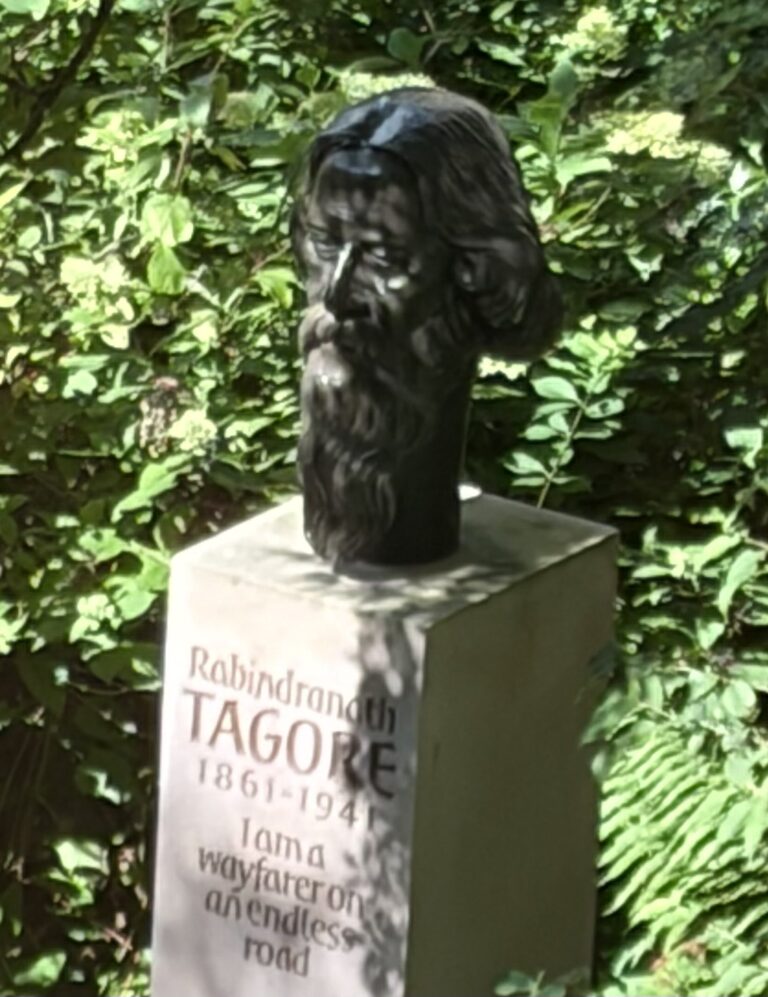
    Rabindranath Tagore’s statue in Edinburgh

    The Sandeman House garden in Edinburgh holds a bronze statue of Asia’s first Nobel laureate in Literature, Rabindranath Tagore. Inscribed upon the pedestal supporting his likeness are his famous words, “I am a wayfarer on an endless road.” A Cross-Cultural Bridge Travelers often seek out Scotland’s capital for its ancient castles, gothic architecture, and literary heritage tied to the likes of Sir Walter Scott or Robert Louis Stevenson. However, discovering Tagore’s presence in this peaceful courtyard offers a cross-cultural bridge. The statue, unveiled to commemorate the deep-seated connections between Scotland and India. It is particularly the intellectual dialogue between Scottish polymath Patrick Geddes and Tagore himself. This monument serves as a physical testament to a global humanism that transcends geographic boundaries. Tagore’s India Tagore was far more than a celebrated poet and author. He was an uncompromising philosopher, musician, visual artist, and social reformer whose thoughts shaped modern South Asia and beyond. At the heart of his vast body of literature lies a profound critique of borders, nationalism, and sectarian division. Tagore envisioned an India, and indeed a world, defined by radical openness. In his mind, India is a sanctuary where diverse faiths, ethnicities, and cultures could coexist in mutual respect. He rejected narrow chauvinism in favor of an inclusive internationalism, advocating for a world where the mind is without fear and the head is held high. Tagore’s Literary Legacy In the contemporary geopolitical landscape, Tagore’s ideals feel relevant. Across the globe, modern youth face a climate marked by rising social polarization, cultural fracturing, and ideological echo chambers. In response, a growing movement of young activists, writers, thinkers, and students are turning back to Tagore’s literary legacy as a blueprint for unity. They are rediscovering his essays and poetry not merely as historical artifacts, but as active tools to reclaim a society rooted in pluralism and dialogue. By reimagining Tagore’s vision for a modern era, today’s generation is fighting to restore an environment where freedom of thought, artistic expression, and inclusivity thrive over division. His stance on education emphasized learning in harmony with nature and breaking down rigid academic and social silos. Young scholars and community organizers are channeling this exact ethos, utilizing art, literature, and grassroots civic engagement to rebuild cross-cultural bridges in an increasingly fragmented world. Message of Universal Brotherhood   Standing before Tagore’s statue in Edinburgh’s quiet garden, one is reminded that his journey as a “wayfarer” was never meant to be walked alone. His message of universal brotherhood, preserved in stone far from his native Bengal, serves as a timeless compass. For the youth striving to cultivate a more empathetic and open world, Tagore’s endless road remains wide open, inviting everyone to walk forward together.

  • How Indian mughal art inspired Rembrandt’s forgotten miniatures

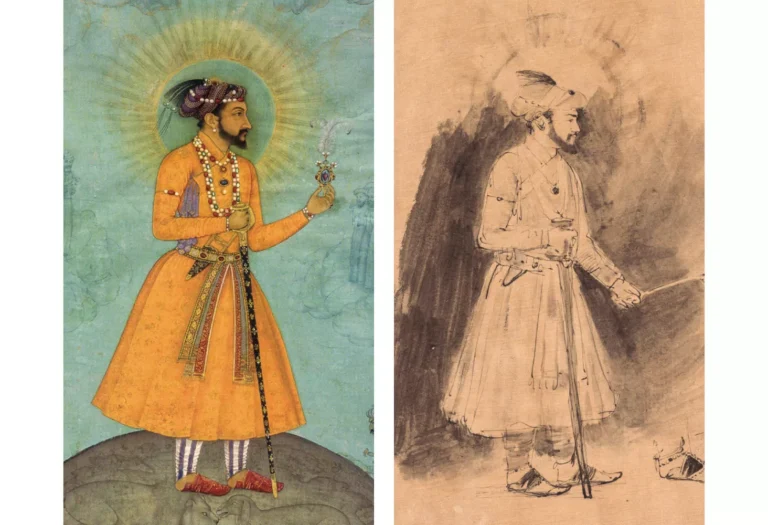
    Art lovers typically look upon dramatic chiaroscuro oil paintings, European portraiture, or biblical scenes while thinking about Rembrandt. Yet, buried within historical records and private collections lies a lesser-known chapter of the legendary master’s life. A profound fascination with South Asian art that inspired a unique series of fine Indian-style portraits. Rembrandt produced 25 delicate drawings depicting Mughal emperors and religious scholars Between 1656 and 1661. These works reveal an artist expanding his creativity through an encounter with Islamic and Indian aesthetic traditions half a world away. During the 17th century, Amsterdam was a booming node in global trade. The locality was largely powered by the Dutch East India Company (VOC). Ships arriving at Dutch ports carried exotic commodities such as raw silk, muslin, spices, and fine craftsmanship straight from Surat in western India. There were original miniature paintings and sketches produced by imperial Mughal ateliers among these goods. Rembrandt was an avid collector who frequently spent beyond his means on art and curiosities from abroad. He acquired dozens of foreign items. An official inventory compiled by municipal authorities during his 18th-century bankruptcy proceedings recorded a slim book labeled item No. 203. The scholars believe that the book contained Mughal miniatures that captured his imagination. Rembrandt’s Mughal series represented a striking departure from his thick, layered oil technique. Instead of broad canvas strokes, he utilized fine brown ink, delicate wash, and subtle chalk accents to carefully document the distinctive attire and posture of Mughal royalty. He repeatedly portrayed Emperor Shah Jahan, builder of the Taj Mahal. That too alongside his sons and predecessor Emperor Jahangir. Every sketch rendered precise details of traditional jamas (stitched coats), elaborate patkas (sashes), turbans, and sarpech ornamentations with remarkable fidelity. Rembrandt drew exclusively on imported Torinoko paper. This paper was seemingly a smooth Japanese paper sourced through East Asian maritime networks. “Copying was his way of learning about another style of making portraits… show[ing] him working in a much more refined manner than he is known for.”   Stephanie Schrader, Curator of Drawings at the J. Paul Getty Museum. Rembrandt didn’t copy images mechanically. He adapted Mughal compositions into his own artistic vision. For instance, in his study titled Four Mullahs Seated Under a Tree, he altered the background and surroundings from the original Indian painting. This exercise directly influenced his later print Abraham Entertaining the Angels (1656). In the latter, he repurposed the relaxed seating arrangements of Mughal scholars to illustrate an important biblical motif. The subtle colors and calm poses he absorbed during this phase continued to echo in his late-career oil paintings. Rembrandt never set foot outside Europe. However, his engagement with Mughal miniatures demonstrates a spirit of cross-cultural curiosity during the Dutch Golden Age. He studied them diligently as an intellectual equal. He discovered new ways to capture human expression and line.  

  • Digital depression and human interactions

    By Asma Qayyum Digital depression refers to the negative impact of excessive screen time, information overload, and unhealthy social media use on mental health. In today’s digital age, smartphones, social media platforms, and the internet have become an essential part of everyday life. While these technologies help people communicate, learn, and work more efficiently, their excessive use can have serious consequences for mental well-being. Digital depression is a condition in which prolonged use of digital devices and online platforms contributes to feelings of sadness, anxiety, loneliness, emotional exhaustion, and low self-esteem. It is becoming increasingly common, particularly among teenagers and young adults, who spend a significant portion of their day online. According to the World Health Organization (WHO), depression affects approximately 280 million people worldwide, making it one of the leading causes of disability. Although digital technology is not the sole cause of depression, research shows that excessive screen time and unhealthy social media habits can significantly increase the risk of mental health problems. A 2023 advisory by the U.S. Surgeon General reported that adolescents who spend more than three hours a day on social media are at a greater risk of developing anxiety, depression, and other mental health issues. Similarly, DataReportal’s 2024 Global Digital Report found that the average internet user spends approximately 6 hours and 38 minutes online each day, highlighting how deeply digital technology has become integrated into modern life. Several factors contribute to digital depression, including excessive use of social media, constantly comparing one’s life with idealized online images, cyberbullying, online harassment, poor sleep caused by late-night screen use, smartphone and internet addiction, and reduced face-to-face interaction with family and friends. The effects of digital depression can be both psychological and physical. People may experience persistent sadness, anxiety, loneliness, low self-esteem, difficulty concentrating, sleep disturbances, headaches, eye strain, fatigue, and reduced productivity. If left unaddressed, these problems can negatively affect academic performance, professional life, and personal relationships. Fortunately, digital depression can be prevented by adopting healthy digital habits. People should limit their daily screen time, avoid using electronic devices before bedtime, take regular breaks from social media, engage in physical exercise, spend more quality time with family and friends, and seek professional help if symptoms persist. Schools and parents should also educate young people about responsible technology use and the importance of maintaining a healthy balance between online and offline life. In conclusion, digital technology has transformed modern life by creating countless opportunities for education, communication, business, and innovation. However, when used excessively or without balance, it can seriously affect mental health. By promoting digital awareness, developing healthier online habits, and supporting those experiencing emotional difficulties, society can reduce the impact of digital depression and encourage a healthier relationship with technology.


  • Monsoon may raise stroke risk

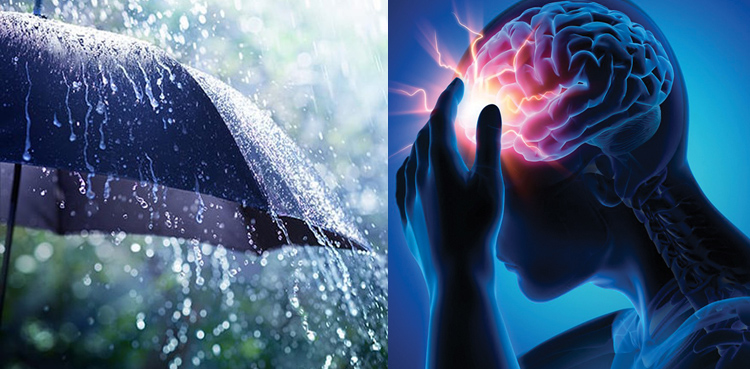
    The rainy season brings relief from extreme heat and makes the weather pleasant but it can also create health challenges for some people. Health experts say sudden weather changes high humidity and increased chances of infections during the monsoon season may be risky for people who already have conditions like high blood pressure diabetes high cholesterol or heart problems. Neurology experts explain that changes in temperature and humidity can affect the body’s natural system and may cause blood pressure levels to become unstable. This can increase the risk of stroke, especially among people with existing heart or blood vessel problems. During the rainy season cases of viral infections cold cough stomach problems and dehydration often increase. These conditions can put extra stress on the body and disturb blood sugar and blood pressure control. Reduced physical activity poor sleep and improper use of medicines can also increase health risks. Doctors advise people to remember the BE FAST rule to identify early signs of stroke. B – Balance: Sudden loss of balance or coordination E – Eyes: Sudden vision problems F – Face: One side of the face becomes weak or droops A – Arms: Weakness in one arm or leg S – Speech: Difficulty speaking or understanding words T – Time: Get emergency medical help immediately Experts say quick treatment can save lives and reduce the chances of long term disability. Health professionals recommend that high risk people regularly check their blood pressure and blood sugar take medicines on time stay physically active eat a balanced diet reduce salt intake avoid smoking and drink enough water. Experts also highlight that the monsoon season itself is not dangerous. The real risk comes from ignoring existing health conditions. Keeping blood pressure diabetes cholesterol and heart diseases under control throughout the year can greatly reduce the risk of stroke and other complications.

  • Donated skin for younger looks

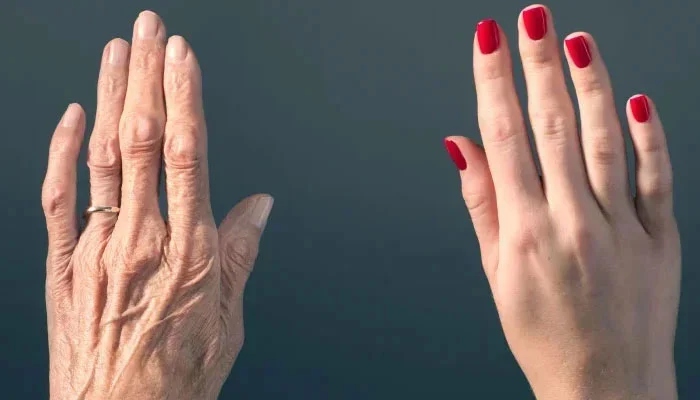
    Everyone ages and growing older is a natural part of life. While many people wish they could stay young forever a unique anti aging treatment in South Korea is attracting attention for its unusual approach. The treatment called RE20 (Return to Your Twenties) uses donated human skin from deceased donors. The skin is processed in a laboratory where all living cells are removed.  This leaves behind a clean tissue structure that can be safely used in cosmetic treatments. The final product contains collagen elastin hyaluronic acid and other ingredients. It is also combined with the patient’s own skin cells to help the body accept the treatment more easily. According to Dr. Kim Han Saem of DOD Dermatology Clinic removing the cells reduces the risk of the body rejecting the tissue or causing an allergic reaction. The treatment is injected into the face and neck. The company says it can reduce fine lines improve skin texture tighten pores and encourage the skin to produce more collagen and elastin making it look  younger. Many people who have tried the treatment have shared positive experiences. One Reddit user said their skin looked smoother and healthier just two weeks after the procedure. However the treatment has also raised ethical concerns.  Some critics question whether using donated human tissue for cosmetic purposes is appropriate. Experts also say more long term research is needed to confirm its safety. Besides South Korea the treatment is also available in Singapore and Japan.

  • Rabi ul Awwal to begin on August 15

    The moon for Rabi ul Awwal 1448 AH was not sighted in Pakistan. As a result the first day of Rabi ul Awwal will be on Saturday, August 15, while 12 Rabi ul Awwal will fall on Wednesday August 26. The Ministry of Religious Affairs has also issued an official notification. The Central Ruet-e-Hilal Committee held a meeting in Islamabad on Thursday to look for the new moon. The meeting was chaired by Committee Chairman Maulana Abdul Khabir Azad. Meetings of zonal Ruet-e-Hilal committees were also held in different parts of the country. After the meeting Maulana Abdul Khabir Azad announced that no reliable moon sighting was reported from anywhere in Pakistan. Therefore Rabi ul Awwal will begin on August 15. Rabi ul Awwal is the third month of the Islamic calendar and has special importance for Muslims. 12 Rabi ul Awwal is observed as Eid Milad-un-Nabi ﷺ across Pakistan. On this occasion people arrange gatherings Quran recitation, Naat sessions, and Durood-o-Salam. Mosques, homes and streets are also decorated. Religious scholars use the occasion to remind people about the life, character teachings and Sunnah of Prophet Muhammad ﷺ. They emphasize that the true message of the occasion is to follow his teachings and bring his good example into daily life.

Leave a Reply

Your email address will not be published. Required fields are marked *