rubio bessent stayed
| |

Rubio and Bessent stayed aboard decoy jet as Trump…

Two members of President Donald Trump’s cabinet remained aboard a decoy aircraft after Trump quietly departed the plane and boarded a different flight while in Turkey last month, according to a US television network report.

Secretary of State Marco Rubio and Treasury Secretary Scott Bessent stayed on what was widely believed to be Air Force One and did not join the alternate flight arranged for Trump due to security concerns tied to Iran. Trump boarded Air Force One on July 8 alongside both officials as well as members of the traveling press before slipping away via a catering truck, which transported him discreetly to a separate military aircraft. Because the designation “Air Force One” applies to whichever plane the president occupies, the original aircraft retained the call sign even after Trump had already left it, effectively turning it into the decoy.

According to the report, Rubio and Bessent remained on the first aircraft in order to preserve the presidential line of succession in case anything happened to Trump during the flight. Under that line of succession, Vice President JD Vance would assume power if the president died or became incapacitated, followed by the Speaker of the House and the President Pro Tempore of the Senate. The Secretary of State ranks next in the order, followed by the Treasury Secretary.

Others who stayed aboard the original aircraft designated as Air Force One included White House Deputy Chief of Staff Stephen Miller and White House communications director Steven Cheung. The second aircraft that carried Trump out of Ankara also included Defense Secretary Pete Hegseth, according to separate US media reports.

Speaking to reporters Monday night, Trump said the decision to carry out the plane switch came from the US military and the Secret Service, who he said wanted him to travel on a different aircraft. He did not provide specifics about the nature of the security threat, saying only that he regularly receives numerous threats and that any consequential president faces the same. A request for comment sent to the White House had not been answered as of publication.

Similar Posts

  • | |

    Six non-local workers killed in Kech

    Six non-local workers have been killed by militants linked to Fitna al-Hindustan in the Nasirabad area of Kech district, Balochistan, according to security sources. The sources said militants initially abducted six workers and killed another worker, identified as Javed, on July 27. The attackers later killed all six abducted workers, bringing the total number of victims in the incident to seven. The deceased workers have been identified as Muhammad Arshad, Muhammad Taimur, Muhammad Parvez, Muhammad Wazir, Muhammad Amjad and Muhammad Yahya. According to security officials, four of the victims came from Punjab, while two belonged to Khyber Pakhtunkhwa. The workers had reportedly been employed on development projects in Balochistan. Their deaths have raised fresh concerns about the security of workers from outside the province who travel to Balochistan for employment and infrastructure projects. Security sources also recalled a separate incident in Mashkel, Balochistan, where militants recently killed five non-local workers. The victims in that attack were also reportedly working on development-related projects. The latest killings come amid continued security challenges in parts of Balochistan, where militants have repeatedly targeted civilians, security personnel and workers involved in development activities. Security forces have been conducting operations against militant groups in various parts of the province.

  • |

    China, Indonesia deepen security and economic ties

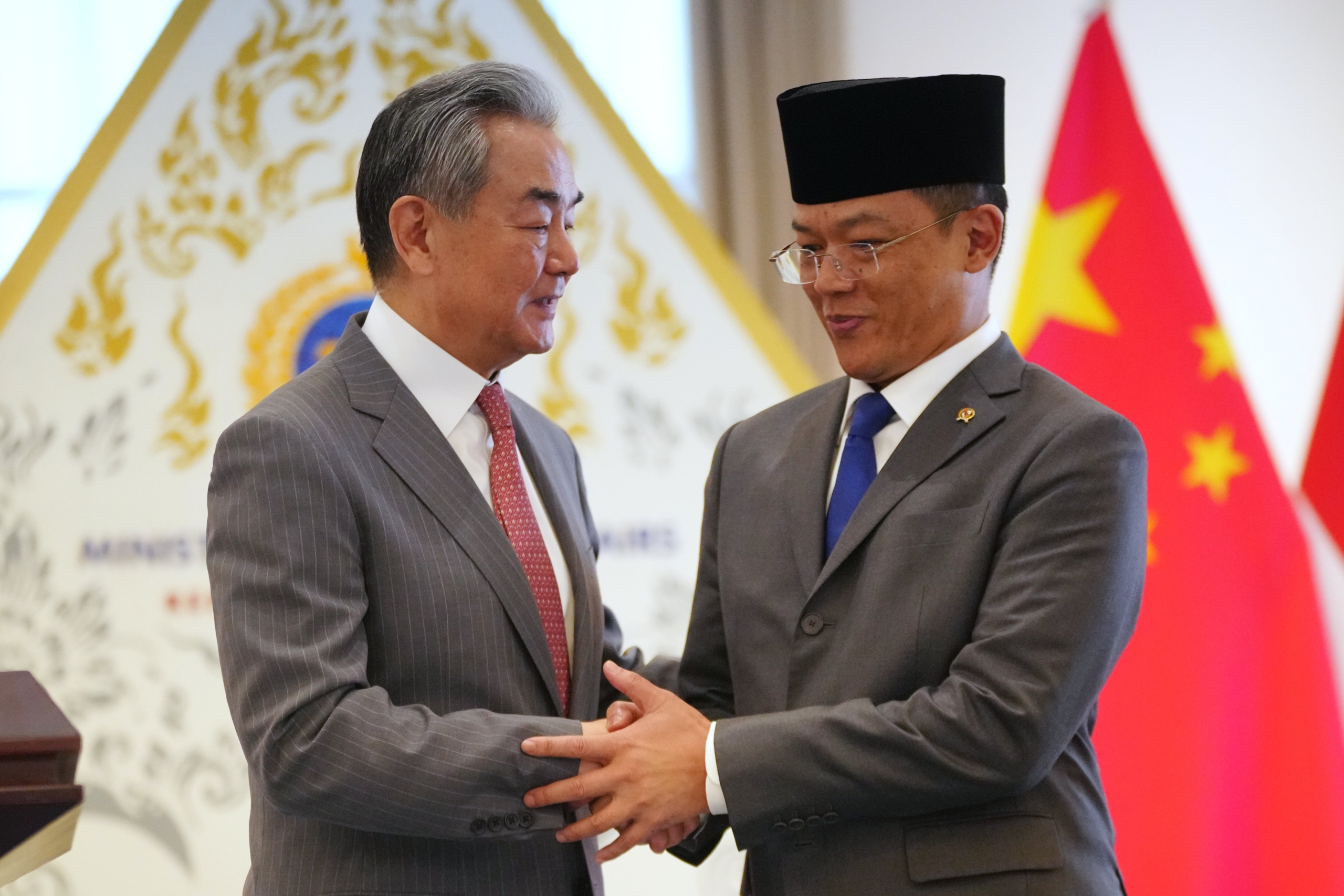
    JAKARTA: China and Indonesia opened a new round of high-level talks on Friday, with defence cooperation, regional security, political relations and trade expected to dominate discussions as Jakarta seeks to maintain strong ties with Beijing while preserving its relationship with Washington. Chinese Foreign Minister Wang Yi, visiting Jakarta for the first time in two years, met his Indonesian counterpart Sugiono before joining a “2+2” dialogue involving the two countries’ defence ministers. The talks come at a sensitive moment for Southeast Asia, where tensions in the South China Sea, competition between China and the United States and growing economic interdependence are putting pressure on regional governments to carefully balance their relationships with major powers. Wang said the new dialogue mechanism was timely as the world faced increasingly complex challenges. “Unilateralism and hegemonic acts bring serious impact on global cooperation and stability,” he said, adding that China aimed to build cooperation with Indonesia at a high level. Indonesian officials said economic issues and political relations would be among the foreign ministers’ priorities, while China said the discussions would also cover defence cooperation and international and regional affairs. Defence Cooperation Expands Chinese Defence Minister Dong Jun was welcomed with a military honour guard at Indonesia’s defence ministry, where he said the two armed forces had significant room to strengthen cooperation. “The prospects for cooperation between the two militaries are broad,” Dong said, describing the relationship as increasingly effective and higher in quality. Indonesia’s Defence Minister Sjafrie Sjamsoeddin said the countries planned to expand military activities, including joint exercises, officer exchanges and cooperation in the defence industry. He described the move as an important step in strengthening Indonesia’s defence capabilities. The discussions follow a joint naval exercise between China and Indonesia last week that drew attention because of its location east of Taiwan. Taiwan, which Beijing claims as part of China, expressed concern over the exercise. Indonesia’s navy said the activity was routine and noted that it conducts exercises not only with China but also with Japan and the United States. Defence analyst Curie Maharani said the episode highlighted how military diplomacy could serve broader strategic purposes. Indonesia, she said, had gained an important lesson about how major powers can use defence cooperation to project influence. Balancing China and Washington Jakarta’s approach reflects its long-standing “free and active” foreign policy. President Prabowo Subianto has repeatedly said Indonesia intends to remain non-aligned while maintaining friendly relations with all countries, including China and the United States. That balancing act is becoming more complicated as competition between Washington and Beijing intensifies. Indonesia also has differences with China over developments in the South China Sea. Beijing claims almost the entire disputed waterway, while Indonesia has sought to avoid becoming directly involved in broader territorial disputes between China and the Philippines, Malaysia and Vietnam. Jakarta has generally maintained a measured position, prioritising diplomacy and economic cooperation while protecting its own interests. Billions at Stake Economic ties provide another major reason for Indonesia to maintain close relations with Beijing. China contributed $3.9 billion in foreign direct investment to Indonesia during the first half of 2026, according to Indonesian figures. Chinese companies have invested heavily in industries ranging from nickel processing and steel to electric-vehicle batteries. Indonesia possesses the world’s largest nickel reserves, making it strategically important to China’s rapidly expanding electric-vehicle supply chain. Among major investors are Contemporary Amperex Technology, one of the world’s largest electric-vehicle battery makers, and Tsingshan Group, which operates nickel and steel facilities in Indonesia. However, the growing investment relationship has not been free of tension. In May, Chinese companies operating in Indonesia urged Jakarta to introduce more business-friendly policies, arguing that higher taxes and a new nickel pricing formula were increasing costs and threatening investment. The China Chamber of Commerce in Indonesia also complained of what it described as excessive regulation and enforcement, while raising allegations of corruption and extortion. The concerns underline the challenge facing both countries: expanding economic cooperation while managing disagreements over regulation, investment conditions and strategic interests. For Indonesia, Friday’s talks therefore carry significance beyond bilateral diplomacy. Jakarta is trying to strengthen its economy and defence capabilities without becoming overly dependent on either Beijing or Washington. In For China, deeper engagement with Indonesia offers an opportunity to strengthen its influence in one of Southeast Asia’s largest economies while expanding defence and economic partnerships in a strategically important region.

  • | |

    Pakistan’s Cnergyico ramps up US crude purch…

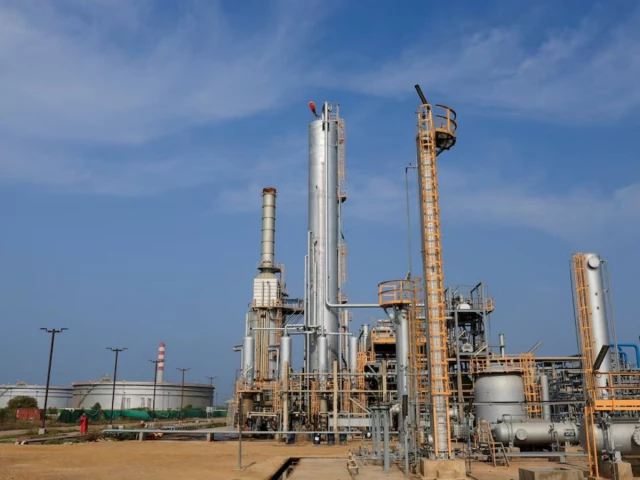
    Cnergyico, Pakistan’s largest oil refiner, has increased its purchases of US crude as the federal government works to diversify the country’s energy supply following disruptions tied to the war in Iran that exposed how heavily Pakistan depends on Gulf shipping routes. The government is also pushing to expand imports from the United States as part of a broader effort to narrow its trade surplus with Washington and secure relief from tariffs imposed by President Donald Trump. Cnergyico, which made its first purchase of US crude last year, is now weighing spot purchases alongside longer term supply contracts with Vitol and other suppliers, basing those decisions on pricing, reliability and supply security, Vice Chairman Usama Qureshi said. The refiner imported roughly 8.1 million barrels of US crude over a nine month stretch, including 7.1 million barrels worth about $750 million during the fiscal year that ended in June, according to Qureshi. Central bank data showed Pakistan’s payments for US imports climbed by $914 million to reach $3.27 billion during that fiscal year, meaning Cnergyico’s crude purchases accounted for roughly 80 percent of that overall increase. Qureshi said the refiner could expand its US crude purchases further if Pakistan’s proposed EXIM Bank trade finance facility gets extended to Cnergyico. Islamabad pitched that facility last month as a mechanism allowing Pakistani buyers to delay payments to US exporters for as long as three years. Pakistan has traditionally sourced most of its oil from Saudi Arabia and the United Arab Emirates, with roughly 90 percent of its oil and liquefied natural gas imports passing through the Strait of Hormuz before the war disrupted that route. Rising fuel costs have added pressure on Islamabad to respond, particularly as fresh protests over inflation and fuel prices broke out this week. The government has also pursued alternative supply routes, including Saudi crude delivered via the Yanbu port on Saudi Arabia’s Red Sea coast. Qureshi said Cnergyico is evaluating construction of a second offshore mooring facility linked to its existing storage network, which would allow the company to import and export refined products using large tankers outside Karachi’s congested ports. That project forms part of a broader $1.2 billion upgrade aimed at meeting Euro V fuel standards, reducing furnace oil output and expanding refining capacity to around 200,000 barrels per day. Fawad Basir, head of research at KTrade Securities, said the disruptions in the Middle East have underscored the risks of relying on a single supply corridor. He said using Very Large Crude Carriers to import US oil could reduce freight costs by 25 to 30 percent, while adding a second Single Point Mooring facility would speed up vessel turnaround times. Cnergyico currently processes 156,000 barrels of crude per day and operates Pakistan’s only single point mooring terminal near Karachi, giving it the unique ability among the country’s refiners to handle large tankers directly. The company plans to build a second offshore terminal to accommodate larger or more frequent shipments and intends to upgrade its refinery over the next five to six years. The refiner, which has been running at an average utilization rate of just 30 to 35 percent amid weak domestic demand, is betting that demand for refined oil products will strengthen in the years ahead.

  • | |

    Daanish schools enrol only 40,000 in 15 years: Edu…

    Punjab Education Minister Rana Sikandar Hayat has raised questions about the performance and accessibility of the Daanish School System. He said education at Daanish schools was expensive. As a result, the system had enrolled only around 40,000 students in 15 years. The minister questioned the effectiveness of earlier education initiatives in the province. He specifically referred to comprehensive and pilot schools established in Punjab. He asked where those schools had gone and why they had failed to deliver the expected results. Rana Sikandar Hayat said the Punjab government was working to reduce the gap between public and private education. For this purpose, the government had moved towards a public-private partnership model. He said the approach could help improve the quality of education and increase access for children. The provincial minister also highlighted the enrolment performance of the Nawaz Sharif School of Eminence programme. He said these schools had recorded an average enrolment of around 112 per cent so far. Rana Sikandar Hayat also spoke about the issue of inaccurate student records in government schools. He claimed that authorities had removed around 1.5 million ghost students from government school records across Punjab. The minister said the province still faced a major education challenge. Around 25 per cent of children in Punjab remain out of school, according to him. He said the dropout problem becomes particularly serious when students reach the high-school level. A significant number of children leave education after reaching secondary-level schools, he said. This affects the overall literacy and education indicators of the province. The minister said the government was now focusing on bringing children who are outside the education system back into schools. He said schools operating under outsourcing arrangements had been given a specific target. They would be required to enrol 5 per cent of children currently deprived of education. The initiative is aimed at increasing school enrolment and reducing the number of children who remain outside the formal education system. Rana Sikandar Hayat said improving access to education required both enrolment and retention. Bringing children into schools would not be enough if they later dropped out. He stressed the need to strengthen the education system and ensure that children continue their studies through higher grades. The minister’s remarks highlight the challenges facing Punjab’s education sector. Despite having a large network of schools, the province continues to deal with out-of-school children, inaccurate enrolment records and high dropout rates. The government is now looking towards partnerships with the private sector and reforms in public schools to address these problems. The minister said the ultimate objective was to provide more children with access to quality education and reduce the divide between public and private schooling.

  • |

    Acting US Attorney General rescinds $1.8 billion initiative to clear path for Senate confirmation

    Acting US Attorney General Todd Blanche has issued an official order rescinding the controversial $1.8 billion “Anti-Weaponisation Fund”, resolving a key point of friction ahead of his confirmation vote before the Senate Judiciary Committee. The action follows extended negotiations with Republican Senators John Cornyn and Thom Tillis, who had withheld support for the nomination pending written assurances that the initiative would be permanently discarded. Although Blanche previously indicated in Congressional testimony that the department would not move forward with the program, lawmakers sought a formal rescission to prevent its potential revival. The directive also clarifies terms surrounding a related legal settlement, stipulating that provisions concerning tax audit protections apply exclusively on a retroactive basis to open claims active at the time of the agreement and do not extend to future tax filings.

  • |

    Israel says Hezbollah tunnel network destroyed in southern Lebanon

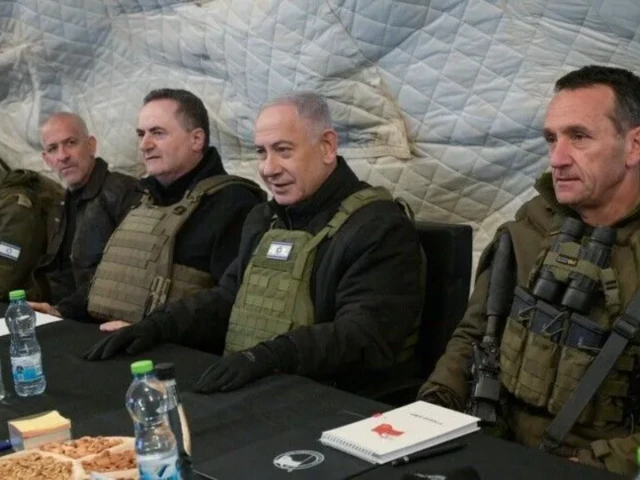
    Israeli Prime Minister Benjamin Netanyahu and Defence Minister Israel Katz announced that Israeli forces had destroyed what they described as a major Hezbollah tunnel network in southern Lebanon. According to a joint statement released on Friday, the underground tunnels in the Beaufort area were considered an important part of Hezbollah’s alleged plan to enter communities in northern Israel’s Galilee region. The Israeli government said the military used around 700 tons of explosives to demolish the tunnel system. Officials described the operation as part of Israel’s continuing efforts to eliminate Hezbollah’s military infrastructure in southern Lebanon. They claimed the action was necessary after accusing Hezbollah of violating the ceasefire agreement that had been reached between the two sides. Before the Israeli announcement, Lebanese media reported a series of powerful explosions across several locations in southern Lebanon. Blasts were heard in the town of Hadatha, around Deir Mimas near Beaufort Castle and in the area between Arnoun and Yahmar. Residents said the explosions echoed across nearby districts and caused widespread concern during the night. The military operation comes only weeks after Lebanon and Israel signed a United States backed framework agreement on June 26 aimed at reducing tensions along the border. The deal outlined a gradual withdrawal of Israeli forces from occupied Lebanese territory while the Lebanese army would expand its presence in the south and armed groups would be disarmed. Although Hezbollah was not named directly, the agreement was widely understood to include the group. As part of the first phase of the agreement, the Lebanese army began deploying forces in the town of Zawtar al Gharbiyeh on July 21 after Israeli troops pulled back from the area. The town was selected as one of the first locations for implementing the security arrangements outlined in the agreement. Despite the deal, tensions remain high. Israel continues to maintain a military presence in parts of southern Lebanon. Some of these areas have been occupied for decades while others have been under Israeli control since the conflict that took place during 2023 and 2024. Reports also indicate that Israeli forces recently advanced more than 10 kilometres into Lebanese territory during their latest operations. According to Lebanon’s Health Ministry, Israeli attacks carried out since March 2 have killed 4,333 people and injured more than 12,200 others. The figures reflect the heavy human cost of the ongoing conflict, which has continued despite diplomatic efforts to restore stability along the border. Lebanon’s National News Agency also reported that large explosions shook the southern regions of Yohmor al Chqif, Arnoun and Kfar Tebnit overnight. The blasts were so powerful that shockwaves were felt in towns far from the affected areas. In the Marjayoun district, explosions near Beaufort Castle reportedly shattered windows and damaged nearby homes in Qlayaa. Residents described strong vibrations and the smell of gunpowder spreading through the area after the blasts. The agency further reported that Israeli forces carried out heavy machine gun fire near al Mansouri and Biyout al Sayyad in the Tyre district while artillery shells struck al Mansouri. Tank movements were also reported near Baraachit hill heading towards Aainata in the Bint Jbeil district as military activity continued across southern Lebanon.

Leave a Reply

Your email address will not be published. Required fields are marked *