saif ali khan
|

Saif Ali Khan shares behind-the-scenes details from Aap Ki Izzat

Pakistani actor Saif Ali Khan, who gained recognition after appearing in the reality show Tamasha 4, is gradually making his mark in the television industry. A software engineer by profession, Saif has successfully balanced his career with his passion for acting and singing. He has also built a strong fan following on social media, where more than 466,000 people follow his updates. After making his acting debut in Aap Ki Izzat, the emerging star is now preparing for two more television projects.

In a recent television interview, Saif Ali Khan spoke about his experience of playing a vegetable vendor in Aap Ki Izzat and revealed interesting details about filming one of the drama’s most talked-about train sequences alongside Urwa Hocane.

Although his character appears to be an ordinary vegetable seller at first glance, Saif explained that the role carries much greater importance within the storyline. He said that the drama mainly revolves around four central characters, including Beena, Tabish, the character played by Sania Saeed, and his own role. According to the actor, he immediately understood the significance of the character after reading the script and believed it was much more than what audiences would initially assume.

Saif added that viewers will gradually discover the true impact of his character as the story unfolds. He expressed confidence that every appearance of his character serves a meaningful purpose and contributes directly to the development of the plot.

The actor also discussed his on-screen chemistry with Urwa Hocane, whose character Beena shares an important connection with his role. While fans have been curious about the direction of their relationship in the drama, Saif chose not to reveal any major details.

He said he wanted audiences to experience the story without spoilers, adding that revealing too much in advance would take away the excitement. According to Saif, the relationship between Beena and Behram has several unexpected twists, and viewers will have to continue watching the drama to see how their journey unfolds.

Speaking about one of the drama’s visually striking moments, Saif shared behind-the-scenes details about the train sequence that has attracted viewers’ attention. He revealed that the sequence was filmed during January under extremely cold weather conditions, making it one of the more challenging shoots for the cast and crew.

The actor explained that although a real train and an actual railway station were used for filming, the train itself was stationary during production. Some portions of the sequence were later enhanced using chroma technology to create the illusion of movement and make the scenes appear more realistic on screen.

Saif also praised the production team for their professionalism and dedication throughout the filming process. He credited the crew for carefully executing the technically demanding sequence and ensuring that the final result looked convincing despite the challenges involved.

With Aap Ki Izzat introducing him to television audiences and more projects already in the pipeline, Saif Ali Khan continues to establish himself as one of Pakistan’s promising emerging actors. His latest comments have given fans an interesting glimpse into the hard work that goes into bringing dramatic scenes to life while also increasing anticipation for the upcoming episodes of the drama.

Similar Posts

  • | | |

    PM Shehbaz calls Makkah pact a ‘historic milesto…

    Prime Minister Shehbaz Sharif has described the signing of the Makkah Agreement for Joint Defence between Pakistan, Saudi Arabia and Türkiye as a historic step towards strengthening peace, security and regional stability. In a post on X, the prime minister said he had the honour of signing the agreement alongside Saudi Crown Prince and Prime Minister Mohammed bin Salman and Turkish President Recep Tayyip Erdogan. Shehbaz said the agreement reflected the unity of the three brotherly countries, which share deep-rooted ties, common values and a commitment to protecting the interests of their peoples. He said the pact represented a shared vision to strengthen the foundations of peace, security and stability and expressed hope that it would become a lasting pillar of cooperation among the three nations. The prime minister prayed that the agreement, signed in the sacred precincts of Makkah, would serve as a strong shield for peace and promote greater cooperation and integration among the three countries for generations to come. He also expressed hope that the pact would contribute to economic prosperity and benefit not only the peoples of Pakistan, Saudi Arabia and Türkiye but the wider Muslim world. Shehbaz Sharif particularly praised Field Marshal Syed Asim Munir for his role in making the agreement possible. He described Asim Munir’s efforts, commitment and dedication as instrumental in turning the shared vision of the three countries into a concrete agreement. The prime minister said the agreement would further strengthen regional security and stability while advancing the common interests of the three partner nations.

  • | | |

    Gastroenteritis and Cholera cases rise in Lahore 

      Gastroenteritis and cholera cases have started emerging in Lahore and surrounding areas, raising concerns about the quality of drinking water, food hygiene and sanitation in the city. Health officials have reported a significant number of patients suffering from gastrointestinal illnesses at basic health centres, dispensaries and district health units across Lahore. Chief Executive Officer (CEO) Health Lahore, Dr Asif Niazi, said that gastroenteritis cases were being reported at basic health centres, dispensaries and district health units. According to him, approximately 7,000 people were affected by gastroenteritis during the month of July. Dr Niazi further revealed that basic health centres were receiving an average of 271 gastroenteritis patients every day. He said that a significant proportion of those affected were children, with most patients falling between the ages of five and 10. The increasing number of cases has also been observed at major teaching hospitals in Lahore. Senior Medical Officer Dr Mustafa Kamal said that patients suffering from gastroenteritis and cholera were being brought to teaching hospitals for treatment. He stated that Sir Ganga Ram Hospital was receiving between 150 and 200 such patients within a 24-hour period. According to Dr Kamal, a high incidence of dysentery is one of the major symptoms associated with cholera. He added that cholera cases were also being reported in the emergency department and outpatient department of Mayo Hospital. The health officials have linked the rise in gastrointestinal diseases to unsafe drinking water and unhygienic food. Senior Medical Officer Dr Kazim said that contaminated water was one of the major factors contributing to the spread of cholera and other gastrointestinal illnesses. He also warned against consuming food sold by roadside vendors, saying that unhygienic food from carts and stalls could increase the risk of cholera and diarrhoea. According to the medical officer, ice sold in local markets could also be a potential source of contamination and may contribute to the spread of cholera and diarrhoea. Health experts have repeatedly emphasized the importance of clean drinking water, proper sanitation and food hygiene in preventing waterborne diseases. Gastroenteritis can cause symptoms such as diarrhoea, vomiting, abdominal pain and dehydration, while cholera can become particularly dangerous if severe dehydration is not treated promptly. The situation is particularly concerning for children, who can become dehydrated quickly after repeated episodes of diarrhoea or vomiting. With most reported gastroenteritis patients reportedly between five and 10 years of age, health authorities and families may need to pay particular attention to children’s water and food consumption. Residents have been advised to take precautions by drinking safe and properly treated water, maintaining hand hygiene and avoiding food and beverages prepared under unhygienic conditions. Particular caution may also be necessary when purchasing ice, as contaminated water used in its preparation can potentially transmit waterborne infections. The rising number of cases has highlighted the need for improved monitoring of drinking-water sources, food outlets and roadside vendors in Lahore and its surrounding areas. Authorities may also need to strengthen public awareness campaigns about preventive measures and ensure that affected patients have timely access to medical treatment. With thousands of cases reported in July and hospitals continuing to receive patients, health officials are closely monitoring the situation. Ensuring access to clean water and safe food remains essential to controlling the spread of gastroenteritis, cholera and other waterborne diseases across Lahore.

  • |

    Increasing fuel prices

    From Meer Baloch Through the columns of your respected newspaper, I would like to draw the attention of the concerned authorities to the continuous increase in fuel prices in Pakistan. The rising cost of petrol and diesel has made life difficult for ordinary people. Higher fuel prices increase transportation costs, which also raise the prices of food, medicines, and other daily necessities. Poor and middle-class families are suffering the most because their incomes remain the same while expenses continue to rise. The government should take effective measures to control fuel prices and provide relief to the public. It should also promote affordable public transport and reduce unnecessary taxes on fuel. I hope my letter will create awareness and encourage the authorities to take prompt action.

  • | | |

    Pakistan to reopen all border, transit routes with…

    A decision has been taken to reopen all border crossings and transit routes between Pakistan and Afghanistan, following a meeting chaired by Federal Interior Minister Mohsin Naqvi with senior officials and representatives of the business community. The meeting discussed measures to remove obstacles affecting bilateral trade and facilitate the movement of goods between the two countries. Participants also stressed the need to restore normal economic ties and improve trade relations between Pakistan and Afghanistan. The meeting further focused on making legal travel between the two countries easier and more convenient for their citizens. Officials and business representatives agreed that reopening the routes would help address difficulties faced by traders and support economic activity on both sides of the border. The government also emphasised the importance of reducing unnecessary hurdles in trade and movement while ensuring that legal procedures remain in place.

  • |

    Baked with Pride, Sung with Love

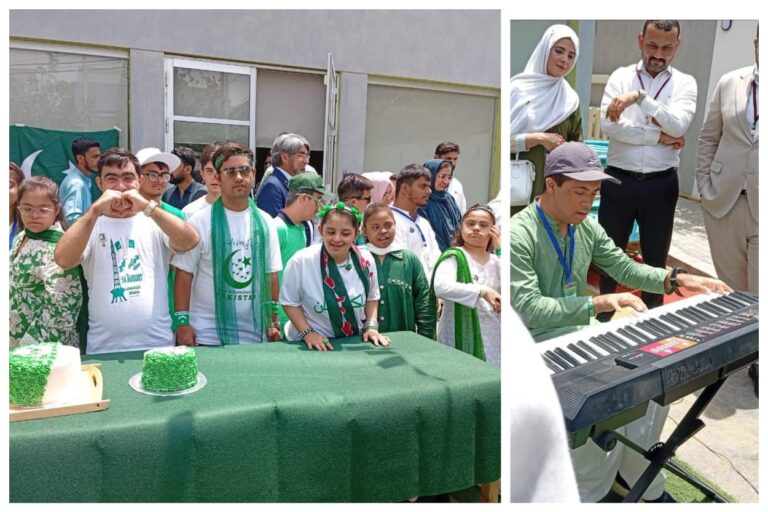
    Karachi: As journalists, we’ve attended countless 14th August celebrations — most of them lost in long speeches, endless queues of guests of honour and chief guests, or simply mismanaged and overcrowded. You leave unable to focus on even a single stage performance, let alone the sequence of events. This year was different. I attended a ceremony that was not only full of joy, but also remarkably well-managed and disciplined — a gathering where everyone truly felt part of the celebration. It was held at KDSP, a centre of excellence for children with Down syndrome. A Lesson in Discipline and Dignity And isn’t it surprising? In a country where we can’t even manage discipline at regular school functions, it took a centre for differently-abled children to show us how it’s done. With sharing. With togetherness. With dignity. I saw real joy and happiness on those children’s faces — and my daughter, Bibi Marium, was among them. The event was full of surprises.   In most gatherings, adults push and shove to get to the main head table and into group photos. Here, the children were gently accommodating each other in the queue for cake cutting. There was no chief guest to distract, no protocol to irritate the kids and parents. Even the CEO and Chairman stood to the side, watching joyfully as their children celebrated. A Family Festival, Not Just a Ceremony The next surprise was this: it wasn’t just a celebration. It was a family festival. Children and parents both came dressed in green and white — shalwar kameez, t-shirts, trousers, mostly in flag colours. They weren’t sitting on the sidelines. They were part of it — they were guests and chief guests both. The entire KDSP management — CEO, Directors, Managers, teachers, staff and mentors — made a point to be present too. But they chose to stand from the sidelines, letting the children take center stage. One of the most moving moments was when Abdullah Haris, a student of KDSP’s EFL program, played the National Anthem on the piano. The entire venue erupted in thunderous applause. And you could see the proudest smile on the face of CEO Tabish Shahzad as she watched her children shine. Baked with Love After the anthem came the cake-cutting ceremony — and again, no pushing, no crowding. Children, staff, and parents all enjoyed the refreshments together. There was enough for everyone. The cake was so soft, yummy and delicious that I assumed it came from some high-profile bakery. But to my surprise, it was prepared in-house — by the children of the cooking class, guided by their young yet expert instructor, Head Chef Zainab Durrani. A COTHM graduate and pursuing her special education degree, Chef Zainab has a rare gift: children instantly connect with her. For years she has been associated with KDSP, putting in all her effort to teach them the skill of cooking on every available platform. Under her guidance, these children aren’t just baking — they’re gaining confidence, independence, and pride. While talking to me, a parent of a child with Down syndrome, Mr. Karim Navroz Ali from the Finance Department said, “KDSP makes every effort to motivate our children, to inspire them, and to build a more inclusive society. These children must be treated equally — and normally.” He nodded, head held high. And again to my surprise, after the ceremony, everyone was back to work and into the class, no day of skill development of a child is wasted, that development means here. “1947. Pakistan. Independence.” I also spoke with Ms. Sadia Navaid, a skills facilitator at KDSP, who teaches and empowers students with fine motor skills and hand-eye coordination. She is among the teachers loved by all. When I asked her whether these children feel patriotism and love for the country, her answer left me speechless. She shared that when she asked the children to make a quilling flag, they instantly said: “1947. Pakistan. Independence.” Ms. Sadia emphasized that these children are often more sensitive than others, and they carry a deeper feeling of ownership for their country. The managers of the Skill Development Program — Ms. Mahzaib Faheem, Ms. Umme Farwa, and Ms. Sania Siddiqui, Ms Mehak — also dressed in green and white, were glowing with pride. They shared that although the event was short and sweet, it took days of decorating the entire center and making arrangements for this precious day. “For us, it’s not just about a celebration,” they said. “It motivates the children, and it also binds us all together in joyful times.” What Independence Is Meant to Be As I walked out of KDSP that day, my heart was full. What I saw wasn’t just an Independence Day celebration. I saw courage, I saw dignity, I saw belonging. These children taught me that patriotism isn’t about grand speeches — it’s about standing together, singing together, baking together, and believing together. KDSP isn’t just building skills. It’s building a Pakistan where every child, regardless of ability, is seen, heard, and celebrated. And in that hall, dressed in green and white, I truly felt it: this is what independence is meant to be. “Independence is not a day on the calendar. It is the day a child feels they belong to.”   Meet the author: The writer is a senior journalist and columnist covering crime, law, social issues, governance, energy, health, literature, and women and children’s rights across Pakistan’s leading English media houses. Feedback: mediawomen2014@gmail.com

  • | |

    Islamabad High Court orders NCCIA officers 

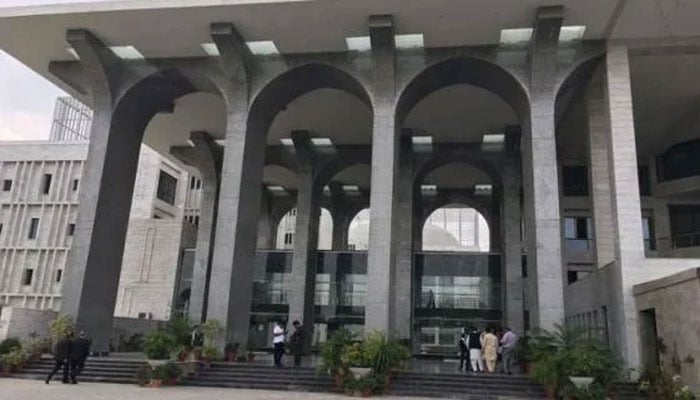
      The Islamabad High Court (IHC) has issued a detailed written order directing that officers of the National Cyber Crime Investigation Agency (NCCIA) must not be prevented from carrying out their official duties. The court also maintained its earlier stay order restraining the authorities from taking any disciplinary action against the petitioning employees until further proceedings. The written order was issued by Justice Azam Khan following the hearing of a petition filed by the affected officers. The petitioners, who are contractual employees of the NCCIA, have approached the Islamabad High Court seeking regularization of their employment. They argue that they have been serving the organization for an extended period and should be granted permanent status in accordance with the law. According to the court’s written order, counsel representing the NCCIA authorities requested additional time to submit their formal response to the petition. The court noted that the respondents sought an extension to file their reply before the next hearing. However, the petitioners’ legal representatives strongly opposed the request for further delay. They argued that the respondents had already been given several opportunities to submit their response since the first hearing of the case on February 13. Despite multiple chances, the authorities had failed to place their reply on record within the time provided by the court. The petitioners’ counsel further informed the court that at nearly every hearing, the respondents had sought adjournments on one pretext or another. According to the lawyers, these repeated delays were causing irreparable harm to the petitioners, who continued to face uncertainty regarding their employment and professional responsibilities. Taking note of these submissions, the Islamabad High Court granted the NCCIA authorities one final opportunity to submit their written reply. The court directed that the response must be filed before July 30. The written order clearly states that if the respondents fail to submit their reply by the specified deadline, the court will proceed to decide the case on the basis of the available record without granting any further extensions. The court also made important observations regarding the professional role of the petitioning officers. Justice Azam Khan remarked that it would be unfair to prevent such highly educated and experienced individuals from performing their official duties. The written order emphasized that qualified professionals should not be obstructed from carrying out work assigned to them, particularly while legal proceedings remain pending. Furthermore, the court instructed all concerned parties to ensure that the petitioning officers are allowed to perform their duties strictly in accordance with the law. It directed the respondents not to create any obstacles in the officers’ work or interfere with their lawful responsibilities until the matter is finally decided. In addition, the High Court reaffirmed that the interim stay order protecting the petitioners from disciplinary action will remain in force until the next hearing. This provides temporary legal protection to the employees while the court continues to examine the merits of their petition seeking regularization of service. After issuing these directions, the Islamabad High Court adjourned further proceedings in the case until July 30. The next hearing is expected to determine whether the respondents have complied with the court’s instructions and may also shape the future course of the contractual employees’ plea for permanent employment within the NCCIA.

Leave a Reply

Your email address will not be published. Required fields are marked *