Inside the ‘House of Secrets’: How Britain sec…
A newly opened museum in North London is shedding light on one of Britain’s most remarkable intelligence operations of the Second World War. Known as the Trent Park House of Secrets, the site reveals how British intelligence secretly monitored conversations between captured German generals and senior military officers, gathering information that proved invaluable to the Allied war effort.
Located in Enfield, North London, Trent Park was originally a luxurious country estate owned by British politician Philip Sassoon during the 1920s and 1930s. The mansion was famous for hosting lavish gatherings attended by influential figures, including politicians, artists, writers, and members of the British royal family. Guests reportedly included Winston Churchill, Charlie Chaplin, and Wallis Simpson.
However, the estate took on a dramatically different role after the outbreak of World War II. British authorities transformed the elegant residence into a highly secret intelligence facility where captured German military leaders were housed under comfortable conditions. The relaxed atmosphere encouraged prisoners to speak freely, unaware that nearly every conversation was being secretly monitored.
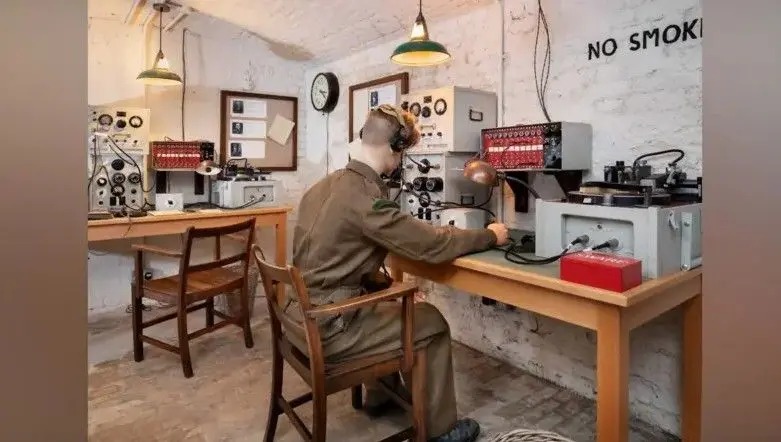
Hidden listening devices were installed throughout the mansion, while intelligence officers worked from concealed rooms in the basement, recording and analyzing discussions between German officers. The operation enabled Britain to collect valuable military intelligence without relying on interrogation or coercion.
Historians believe the conversations captured at Trent Park provided critical insights into German military strategy, battlefield developments, and even the internal thinking of senior Nazi commanders. Some recorded discussions also revealed information about war crimes and the treatment of prisoners, offering important historical evidence after the war.
The foundation responsible for restoring the estate says Trent Park deserves recognition alongside Bletchley Park, Britain’s famous codebreaking center, because both sites played crucial roles in Allied intelligence operations. While Bletchley Park focused on decrypting enemy communications, Trent Park relied on covert surveillance and psychological techniques to obtain sensitive information directly from high-ranking prisoners.
The newly opened museum allows visitors to explore restored rooms, historical exhibits, and the basement areas where surveillance equipment was once operated. Through interactive displays and archival material, guests can learn how one seemingly peaceful country house became the center of a sophisticated intelligence mission that remained largely unknown for decades.
Today, the Trent Park House of Secrets stands as a powerful reminder of the creativity and innovation behind Britain’s wartime intelligence network. By preserving this remarkable chapter of history, the museum offers visitors a unique opportunity to understand how hidden conversations inside one mansion helped shape the outcome of World War II.