بلاگز

  • Why do car turn signals click?

    When you turn your car left or right you hear the familiar click-click sound from the turn signal. At the same time the arrow on the dashboard flashes to show the signal is working. Even though cars have become much more advanced this sound has stayed the same for many years. But have you ever wondered why? Turn signals first appeared in cars in the late 1930s. In older vehicles the clicking sound came from a thermal flasher. When the driver switched on the turn signal electricity heated a small metal strip.  As it bent from the heat it completed an electrical circuit and turned the signal lights on. The metal quickly cooled returned to its original shape and broke the circuit turning the lights off. This heating and cooling cycle repeated over and over making the lights flash. The movement of the metal strip created the well known clicking sound. As technology improved car makers replaced the old thermal system with electromagnetic and later electronic systems controlled by computer chips.  These newer systems no longer need moving metal parts to flash the lights. However most modern cars still play the click click sound on purpose. Manufacturers keep it because drivers are used to hearing it and the sound reassures them that the turn signal is working correctly even though it is no longer mechanically necessary.

  • |

    Walking through time: A personal journey inside Na…

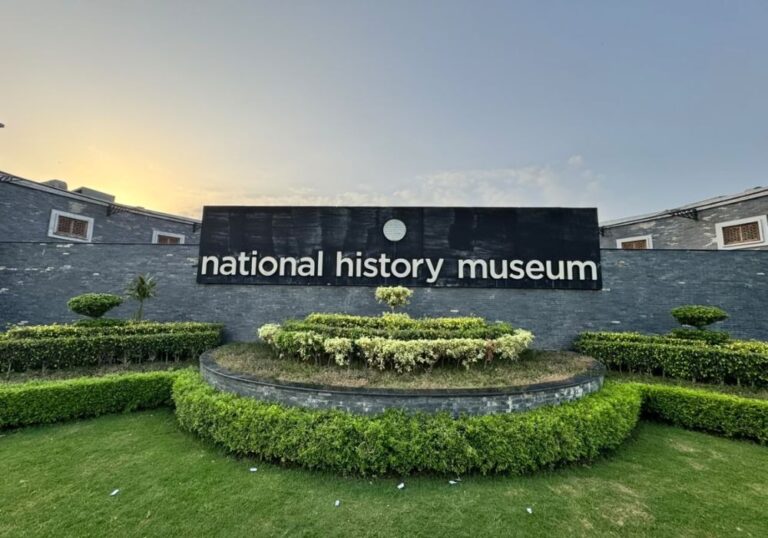
    The rain had just stopped when I reached Lahore’s National History Museum. The roads were quieter than usual, the air felt fresh and, for the first time in weeks, I wasn’t in a hurry. I had postponed this visit for years, ever since a brief stop during my internship at the Lahore Museum left me wishing for more time. This Sunday, I finally had it. I have also realised something over the past few weeks. Waiting for friends before exploring new places often means never going at all. So I decided to spend the afternoon on my own, following nothing except curiosity. As I entered the museum, Floor Supervisor Tabish welcomed me and arranged a guided tour with Muhammad Shamsher, a PhD scholar in History who also serves as one of NHM’s guides. His explanations never sounded like a lecture. Instead, he connected historical events with the people behind them, making every gallery feel like part of one continuing story. Growing up, I believed museums were places where objects sat behind glass while visitors quietly read information panels. That idea came from childhood visits to museums in Islamabad, Taxila and Harappa, and later from my internship at Lahore Museum. The National History Museum challenged that idea completely. Through digital displays, sound, projection and interactive exhibits, history became something to experience rather than simply observe. Every gallery encouraged visitors to slow down and become part of the story unfolding around them. One exhibit that caught my attention focused on the making of Minar-e-Pakistan. Like many Pakistanis, I had always admired the monument without knowing much about the person who designed it. The museum introduced architect Nasreddin Murat-Khan and displayed photographs that offered a glimpse into the creative process behind one of Pakistan’s most recognisable landmarks. It reminded me how often we celebrate monuments while forgetting the people who imagined them. The journey then moved towards Partition, where history became deeply personal. The restored railway carriage, once part of the North Western Railway, stood quietly inside the gallery. Visitors could step inside and experience a virtual reality presentation recreating the migration of 1947. I had watched countless documentaries and films about Partition, but sitting inside that carriage created an entirely different feeling. The sounds, voices and uncertainty surrounding the experience made history feel much closer than any textbook ever could. The museum then shifted from the birth of Pakistan to the challenge of building a new country. One gallery recreated the early government offices established after independence. I found myself studying old files, furniture and official records, imagining the enormous responsibility carried by those tasked with running a newly created nation. Nearby, early Pakistani passports were displayed inside glass cases. Different in design from today’s passports, they represented the same hope of a country beginning to define its identity. Another section I found especially engaging was Camera from the Past. Visitors could stand before a vintage-style camera and have their photograph taken, creating a small connection between the present and the past. The gallery also highlighted photographer Aziz Ahmed Azmi, whose images documented Pakistan’s early years. Looking at his work, I realised that photographs often become history long after the moment they capture has passed. Perhaps the gallery where I spent the most time was Popular Culture. Having studied Mass Communication with a specialisation in Theatre, Film and Television and continuing to work in journalism, I naturally found myself drawn towards the colourful Lollywood posters and displays celebrating Pakistan’s cinematic heritage. Reading about Azra, the country’s first colour film, and Zinda Laash, Pakistan’s first horror film, reminded me how rich our film history is, even if many younger audiences know little about it today. Before leaving, I also explored Husn-e-Hunar, an exhibition celebrating Pakistan’s traditional craftsmanship. Alongside literature, music and cultural displays, it served as a reminder that a nation’s identity is shaped not only by political events but also by its artists, craftsmen and storytellers. When I stepped back outside, I realised I had spent far longer inside the museum than I had planned. I didn’t leave with pages of notes or dozens of photographs. Instead, I left with a greater appreciation for how history can be presented when museums invite visitors to participate rather than simply observe. The National History Museum doesn’t just preserve Pakistan’s past. It encourages visitors to pause, ask questions and discover the stories that continue to shape the country today.

  • New drug treatment Center opens in Karachi

    Karachi: Sindh Health Minister Dr. Azra Fazal Pechuho has inaugurated a new Opioid Agonist Maintenance Therapy (OAMT) Center at Jinnah Hospital to help people recovering from drug addiction. Speaking to the media the minister said the center will support people in gradually overcoming addiction and returning to a healthy normal life. Patients will receive medical treatment regular health monitoring counseling and rehabilitation services under one roof. Dr. Pechuho said the facility will be staffed by experienced doctors and trained healthcare workers who will closely monitor patients throughout their recovery. She also stressed the need to speed up HIV screening so that more cases can be detected early and  treated without delay. Commenting on reports of a patient’s death at Jinnah Hospital the health minister said that every loss of life is deeply tragic. If negligence was involved she said a full and transparent investigation must be carried out to identify those responsible. She added that no patient’s death should ever be treated as unimportant and strongly condemned any remarks that appeared to downplay such incidents.

  • Healthy weight may protect male fertility study

    Male infertility is becoming a growing health concern around the world and new research suggests that excess body fat may be one of the reasons behind the rising number of cases. A study from Aarhus University found that higher levels of body fat can negatively affect male reproductive health and reduce fertility. The researchers followed 1,058 young men, who were about 18 years and 9 months old when the study began. They measured body fat body weight and muscle mass to understand how body composition affects fertility. According to the researchers a healthy body fat percentage for men is generally between 8% and 19%, while 20% or higher is considered elevated. The study found that men with higher body fat had on average a 23% lower sperm count than those with healthier body fat levels. The researchers also found that excess body fat may disrupt hormones that play an important role in sperm production and overall reproductive health. Hormonal changes caused by obesity can reduce both sperm  quality and fertility. Experts say maintaining a healthy weight through regular exercise a balanced diet enough sleep and stress management can support both overall health and reproductive health. Avoiding smoking limiting alcohol and managing long term medical conditions may also help improve fertility. The findings were published in the journal Human Reproduction. The study supports earlier findings from the World Health Organization, which reported in 2023 that about 17.5% of adults worldwide experience infertility at some point in their lives. The WHO also noted that infertility affects people in high middle and low income countries making it a global public health challenge. Researchers say that while infertility can have many causes keeping body fat at a healthy level may be an important step in protecting male fertility and improving reproductive health.

  • How to remove shower head Limescale

    If the water coming from your shower has become weak or sprays unevenly limescale buildup inside the shower head could be the reason. Experts say a simple citric acid solution is one of the easiest and most effective ways to restore normal water flow. Limescale forms when minerals such as calcium and magnesium commonly found in hard water collect inside the tiny holes of the shower head. Over time these deposits reduce water pressure block the spray nozzles, and can shorten the life of the fixture. To clean it experts recommend mixing 2–3 tablespoons of citric acid with warm water. Remove the shower head if possible and soak it in the solution for 30 minutes to one hour. After soaking gently scrub the nozzles with an old toothbrush and rinse thoroughly with clean water. If the shower head cannot be removed pour the citric acid solution into a plastic bag and secure it around the shower head with a rubber band so the nozzles remain fully submerged. After soaking remove the bag scrub away any remaining deposits and rinse well. Experts say this method helps dissolve stubborn limescale improves water pressure restores an even spray pattern and can extend the lifespan of the shower head. To prevent future buildup clean your shower head at least once a month wipe it dry after use whenever possible and consider installing an anti-limescale or water softening filter if you live in an area with hard water. Regular maintenance can keep your shower working efficiently and reduce the need for costly replacements.

  • Experts warn against extra soft pillows

    A soft pillow may feel comfortable at first but health experts say it is not always the best option for good sleep. They explain that a pillow should not only feel soft in the store but also provide proper support for your head and neck throughout the night. Physiotherapists say many people choose pillows after trying them for only a few minutes. However the real test comes after several hours of sleep. As your head presses down on the pillow it can lose its shape. If it does not give enough support your neck and spine may become misaligned leading to pain or stiffness in the morning. Allan Fu, a physiotherapist and lecturer at the University of Sydney says many people judge a pillow by how comfortable it feels at first. He believes the most important thing is whether the pillow keeps your head and neck properly supported all night. A short test in a store is not enough to know how well a pillow will perform. Experts say the average human head weighs about 4.5 kilograms which means a pillow is under constant pressure while you sleep. If it is too soft it may not support your head and neck properly. That is why comfort should not be the only thing to consider when buying a pillow. Research suggests that latex and memory foam pillows may help reduce neck pain because they keep their shape better and provide steady support. Feather and synthetic fiber pillows can also be used but experts recommend choosing firmer versions as very soft ones lose their support more quickly. Experts also advise against judging a new pillow after just one night. Feather and synthetic pillows usually settle into their normal shape within a day or two while memory foam pillows may take several weeks to fully adjust to your body. When buying a pillow experts recommend lying on it for a few minutes if possible.  A pillow that feels slightly firmer or a little higher at first may become more comfortable with regular use. They say proper support is more important than softness for keeping your neck healthy.

  • Why are young bodybuilders dying so early

    Brazilian bodybuilder and fitness influencer Melson Araujo recently shared a gym photo showing his impressive physique. Just a few hours later the 35 year old reportedly became ill at home and died suddenly. The exact cause of his death has not been officially confirmed. However his passing has added to growing concerns about the number of young bodybuilders who have died unexpectedly in recent years. Earlier this year 22 year old Brazilian bodybuilder Gabriel Ganley also died after suffering sudden cardiac arrest. In 2024, two other Brazilian bodybuilders in their 30s and 40s also died from heart related problems including one who collapsed during a competition. Similar cases have been reported around the world. American bodybuilder Dallas McCarver died in 2017 at the age of 26, while German fitness influencer Jo Lindner passed away in 2023 at the age of 30. These deaths have raised an important question. why are some people who appear extremely fit and healthy dying at a young age? A 2025 study published in the European Heart Journal examined nearly 20,000 amateur and professional bodybuilders who competed between 2005 and 2020. Researchers found that professional bodybuilders were more than five times more likely to die from sudden cardiac arrest than amateur competitors. The study recorded 121 deaths including 46 caused by sudden cardiac arrest. The average age at death was 45 years but for active competitors it was only 34.7 years. Researchers believe several factors may increase the risk, including the use of performance enhancing drugs rapid weight loss before competitions and extremely intense strength training. Another 2025 study from Denmark published in the journal Circulation followed 1,189 men who used anabolic steroids and compared them with nearly 60,000 men over 11 years. The researchers found that steroid users had a nine times higher risk of developing cardiomyopathy a disease that weakens the heart muscle. They also had about three times the risk of heart attack and heart failure. Experts say anabolic steroids may also raise blood pressure speed up the build up of plaque in the arteries and change the structure of the heart. Autopsy reports from several bodybuilders have shown that many had enlarged hearts and thicker heart walls especially in the left ventricle. These changes can increase the risk of dangerous heart rhythm problems and heart failure. One of the best known cases was Dallas McCarver, whose heart weighed 833 grams more than twice the normal weight of an adult male heart. A 2022 review also found that many American bodybuilders had hearts that were much larger and thicker than normal. In some cases even athletes in their 20s showed enlarged hearts thickened heart muscles, and serious coronary artery disease.

  • Millions to witness rare total solar eclipse

    Millions of people Millions of people around the world will have the chance to watch a rare total solar eclipse on August 12. According to astronomers the total eclipse will be visible in Greenland Iceland Spain, parts of the North Atlantic Ocean and northern Russia. In these places the Moon will completely cover the Sun allowing people to see the Sun’s outer atmosphere known as the corona for a short time. The eclipse will not be visible in Arab countries. However several areas in North Africa, especially parts of West Africa will experience a very large partial solar eclipse. In Algeria the Moon is expected to cover about 96% of the Sun making it one of the best places in Africa to view the event. In Rabat, Morocco around 88% of the Sun will be covered. Tunisia is expected to see about 50% coverage while Mauritania could see around 46%. Astronomers have warned people not to look directly at the Sun during the eclipse as it can seriously damage the eyes. They advise using certified solar eclipse glasses or other safe viewing equipment around the world will have the chance to watch a rare total solar eclipse on August 12. According to astronomers the total eclipse will be visible in Greenland, Iceland Spain, parts of the North Atlantic Ocean and northern Russia. In these places the Moon will completely cover the Sun allowing people to see the Sun’s outer atmosphere known as the corona, for a short time. The eclipse will not be visible in Arab countries. However several areas in North Africa especially parts of West Africa will experience a very large partial solar eclipse. In Algeria the Moon is expected to cover about 96% of the Sun making it one of the best places in Africa to view the event. In Rabat, Morocco around 88% of the Sun will be covered. Tunisia is expected to see about 50% coverage while Mauritania could see around 46%. Astronomers have warned people not to look directly at the Sun during the eclipse as it can seriously damage the eyes. They advise using certified solar eclipse glasses or other safe viewing equipment.

  • Window cleaning legend Terry Burrows keeps World record

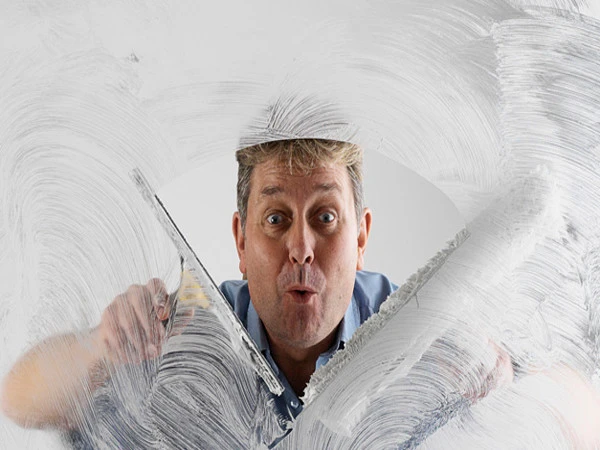
    Cleaning windows may seem like a simple job but doing it at a world class level takes years of skill and practice. That is why 71 year old Terry Burrows is still considered one of the best professional window cleaners in the world. Speaking to a British newspaper Burrows said that many people half his age cannot do what he does.  He explained that professional window cleaning is a skill that requires proper training not just hard work. Burrows who still competes in the Window Cleaning World Cup is often called the “Usain Bolt of window cleaning.” In 2009 he set a world record by cleaning three 45×45 inch windows in just 9.14 seconds.  His record remains unbeaten. Under competition rules every contestant uses the same equipment including a 12-inch squeegee a 14-inch T-bar an applicator cover a bucket of water window cleaning detergent and a scrim cloth. Competitors must clean all three windows as quickly and perfectly as possible. During the event three judges watch closely as contestants use a special S-shaped squeegee technique. They then wipe away any remaining marks with a scrim cloth before shouting “Stop” which ends their time. Even after 17 years no professional window cleaner has managed to break Terry Burrows remarkable world record.

  • |

    Robot phone launch date announced for August 12

    Beijing – A Chinese company is set to introduce what is being described as the world’s first robot phone and its unique feature is likely to surprise many people. Robots are gradually becoming part of everyday human life and now a Chinese company has announced the launch of its first robot phone. According to foreign media reports, the company will launch the phone in China on August 12. Its most distinctive feature is its camera which is not fixed like the camera on a conventional smartphone. The phone features a unique robotic camera system that can rotate while recording videos offering movements similar to those of a professional camera. In addition, a special camera module is installed on the top of the phone. It can pop out when needed and rotate in different directions. The phone’s camera system does more than simply move. It also uses artificial intelligence (AI) to automatically track a person or object in front of it. Similarly, if someone is walking or recording a video, the camera can automatically follow their movements. This can make video recording smoother and give the footage a more cinematic appearance. The Chinese company has confirmed that the robot phone will feature a triple rear-camera setup. Its primary camera will have a resolution of 200 megapixels. This means the phone will not only be capable of taking high-resolution photos but will also be able to capture better images of objects from a distance.