कारोबार

  • | |

    Pakistan seeks $10b in US backstop facility

    Pakistan has formally requested a 10 billion dollar exchange stabilisation facility from the United States to boost its foreign exchange reserves and stabilise its economy, according to a source familiar with the development. The request, addressed to US Treasury Secretary Scott Bessent, seeks a Bilateral Exchange Stabilisation Support Facility with a maturity period of up to five years. This move follows Pakistan’s involvement in facilitating negotiations regarding the Iran war, an effort that elevated the country’s diplomatic standing and fueled expectations of economic support from Washington and international partners. If approved, the 10 billion dollar facility would help replenish Pakistan’s central bank reserves, reduce downward pressure on the rupee, and decrease dependency on multilateral lenders. It would also provide financial flexibility as Islamabad continues implementing strict fiscal and monetary measures mandated under its 7 billion dollar International Monetary Fund programme. These IMF-guided measures have required politically challenging tax hikes, spending cuts, and structural reforms to ensure fiscal discipline. Neither the Pakistani Ministry of Finance nor the US Treasury immediately responded to requests for comment regarding the proposal. US Exchange Stabilisation Facilities, typically administered through the Exchange Stabilisation Fund, are rare financial mechanisms that provide foreign governments with dollars, currency swaps, or guarantees. These backstops differ from the Federal Reserve’s permanent standing swap lines with major foreign central banks. A 2025 financial package provided to Argentina represented the first new exchange stabilisation facility granted to a foreign government since Uruguay in 2002, alongside Mexico’s long-standing swap agreement dating back to the 1940s. Pakistan narrowly avoided a debt default in 2023 by securing a 3 billion dollar IMF standby arrangement, which was later succeeded by the current 7 billion dollar Extended Fund Facility. However, its foreign reserves remain heavily dependent on official loans, debt rollovers, and financial deposits from bilateral partners like Saudi Arabia and China. This reliance leaves the country vulnerable to delays in IMF disbursements and shifts in bilateral support, as demonstrated in April when Pakistan repaid approximately 3.5 billion dollars to the United Arab Emirates, representing a fifth of its reserves, while receiving 3 billion dollars in fresh backing from Saudi Arabia. Despite these vulnerabilities, Pakistan’s central bank projected in January that its foreign exchange reserves could approach their 2021 historical high, reaching 20 billion dollars by the close of 2026. In April, rating agency Fitch noted that compliance with the IMF programme has enhanced Pakistan’s funding capacity, while rebuilt foreign exchange buffers offer a cushion against economic shocks stemming from Middle East instability. However, Fitch cautioned that escalating global energy costs and potential supply disruptions could rapidly erode these reserve buffers. Furthermore, foreign direct investment in Pakistan remains constrained due to recurring external account crises, policy shifts, security concerns, historical restrictions on profit repatriation, and a narrow export base. The nation’s credit rating remains firmly in speculative-grade territory, limiting access to international capital markets and keeping borrowing costs high. To navigate these economic pressures, Islamabad has sought deeper engagement with the Trump administration through various commercial and investment initiatives. These efforts include signing a stablecoin agreement for cross-border transactions with an affiliate of World Liberty Financial, advancing a memorandum of understanding to redevelop the Pakistan International Airlines-owned Roosevelt Hotel in New York with the US government, and encouraging US investment in the domestic mining sector, where the US Export-Import Bank announced 1.2 billion dollars in financing for the Reko Diq project.
  • | | |

    DPM Dar boosts Pakistan-ADB partnership

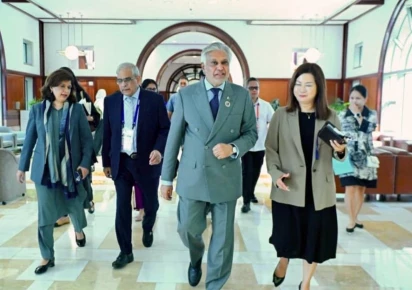
    Deputy Prime Minister and Foreign Minister Ishaq Dar visited the headquarters of the Asian Development Bank (ADB) in Manila on Wednesday to review the bank’s partnership with Pakistan and discuss ways to strengthen future cooperation. The visit took place on the sidelines of the 33rd ASEAN Regional Forum Ministerial Meeting, where Pakistan is participating in a series of high-level diplomatic engagements with regional and international partners. Upon his arrival at the ADB headquarters, Dar was welcomed by senior officials of the bank. He signed the visitors’ book before holding discussions on the institution’s evolving development agenda and its ongoing collaboration with Pakistan. The meeting focused on expanding cooperation in several important sectors, including infrastructure, energy, climate resilience, education, economic reforms and sustainable development. Both sides also discussed future opportunities to support Pakistan’s economic growth and development priorities. Dar later attended a working luncheon hosted by Pakistan’s Executive Director to the ADB, Nashita Mohsin. The event was attended by Pakistani professionals serving in senior leadership positions across different departments of the bank. During the interaction, Dar appreciated the contributions of Pakistani professionals working at the ADB. He said their expertise and leadership have strengthened the institution’s work while enhancing Pakistan’s image at the international level. He also congratulated Nashita Mohsin on assuming her responsibilities as Pakistan’s Executive Director to the Asian Development Bank and expressed confidence that she would further strengthen Pakistan’s engagement with the institution. On the sidelines of the ASEAN forum, Dar also met Bangladesh’s Foreign Minister Khalilur Rehman. The two leaders reviewed the positive momentum in bilateral relations and discussed ways to expand cooperation between the two countries. Both sides welcomed the steady improvement in diplomatic ties and appreciated the growing engagement in trade, communication and people-to-people contacts. They noted that the launch of direct flights earlier this year has further improved connectivity and created new opportunities for cooperation. The two ministers reaffirmed their commitment to maintaining the positive momentum in bilateral relations and agreed to continue close engagement in areas of mutual interest. Dar and Rehman also exchanged views on regional and international developments, including issues affecting South Asia and broader global challenges. They emphasized the importance of dialogue and cooperation in promoting regional peace, stability and economic development. Earlier, Dar arrived in Manila with a Pakistani delegation to participate in the 33rd ASEAN Regional Forum Ministerial Meeting. During the visit, he is expected to attend the forum’s plenary session and hold several bilateral meetings with foreign ministers from participating countries. The ASEAN Regional Forum brings together foreign ministers and senior diplomats from ASEAN member states and major global powers to discuss regional security, economic cooperation, energy security, food security, geopolitical developments and other international issues. Representatives from the United States, China, Japan, India, Australia, South Korea, Russia, the United Kingdom and the European Union are also participating in the meeting.

  • |

    PSX plunges amid investor jitters

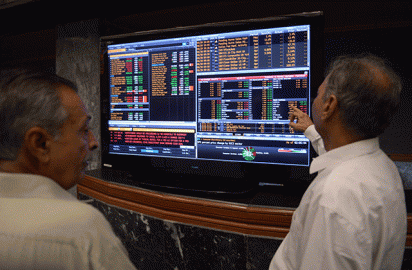
    The Pakistan Stock Exchange (PSX) came under heavy selling pressure on Wednesday as investors turned cautious amid rising geopolitical uncertainty and external market risks. The benchmark KSE-100 Index surrendered its early gains and remained in negative territory throughout most of the trading session. The market opened on a slightly positive note, with the KSE-100 Index posting modest gains during early trading. However, the positive momentum quickly faded as investors began selling shares across major sectors, causing the benchmark index to reverse course. Selling pressure intensified as the session progressed, dragging the KSE-100 Index down by more than 1,000 points. During intraday trading, the benchmark also touched a low of over 1,800 points below the previous close, reflecting weak investor confidence and heightened market volatility. Analysts said investors remained cautious due to uncertainty surrounding global developments, prompting many traders to reduce exposure to equities and book profits after recent gains. The decline was broad-based, with losses recorded across several key sectors of the market. Automobile assemblers, oil marketing companies, cement manufacturers, fertilizer producers and power generation companies were among the worst-performing segments during the session. The widespread selling indicated that investors were avoiding risk rather than reacting to company-specific developments, highlighting concerns over the broader economic and geopolitical environment. Despite the decline in share prices, trading activity remained healthy. More than 172 million shares changed hands during the session, while the total value of traded shares exceeded Rs9 billion, indicating continued participation by investors despite market weakness. The latest decline came a day after the stock market ended slightly higher following a volatile session. On Tuesday, the KSE-100 Index had climbed more than 2,000 points during intraday trading before profit-taking erased most of the gains, allowing the market to close with only a modest increase.

  • | | |

    FinMin Aurangzeb seeks US backing for global marke…

    Pakistan has sought stronger support from the United States to improve its access to international capital markets, strengthen foreign exchange reserves and enhance its sovereign credit ratings as part of its broader strategy to accelerate economic growth and attract foreign investment. Finance Minister Muhammad Aurangzeb discussed these priorities during a meeting with US Treasury Secretary Scott Bessent in Washington. The meeting focused on Pakistan’s economic progress, financial reforms and opportunities to deepen economic cooperation between the two countries. During the talks, Aurangzeb briefed the US treasury secretary on Pakistan’s improving economic outlook. He said the country has successfully moved beyond the phase of macroeconomic stabilization and is now entering a period focused on sustainable, export-led growth. He noted that ongoing structural reforms and prudent fiscal management have helped improve economic stability and restore investor confidence. The finance minister also highlighted the challenges posed by regional geopolitical tensions. He said instability in the region has affected Pakistan’s economy and continues to create uncertainty for trade, investment and financial markets. He emphasized that stronger international cooperation would help Pakistan maintain economic stability despite these external challenges. Aurangzeb requested greater US support to help Pakistan improve access to international capital markets. He said easier access to global financing would strengthen the country’s financial position, increase foreign exchange reserves and improve sovereign credit ratings, making Pakistan more attractive to international investors. The two sides also discussed ways to expand bilateral economic cooperation. They reviewed opportunities to increase US investment in Pakistan and explored prospects for advancing strategic development and investment projects that could strengthen economic ties between the two countries. Both governments reaffirmed their commitment to enhancing economic relations, promoting investment and supporting initiatives aimed at expanding trade and long-term financial cooperation. Separately, Aurangzeb held a virtual meeting from Washington with senior representatives of international banking consortia participating in Pakistan’s Global Medium-Term Note Programme and International Sukuk Programme. The meeting marked the beginning of a strategic partnership with selected international financial institutions that will assist Pakistan in raising funds from global capital markets through both conventional bonds and Islamic financing instruments. The banking consortia have been appointed for a three-year period and will support future sovereign bond and Sukuk issuances whenever the government decides to enter international financial markets in line with its financing strategy. Officials said Pakistan’s return to international capital markets has become more feasible due to significant improvements in the country’s macroeconomic environment. Continued fiscal discipline, stronger external financial buffers, better debt management and ongoing structural reforms have improved investor confidence and strengthened Pakistan’s economic credibility. Government officials believe these improvements have also contributed to better market sentiment, with international investors showing growing confidence in Pakistan’s economic reforms and long-term growth prospects.

  • |

    Oil prices rise as Middle East conflict deepens

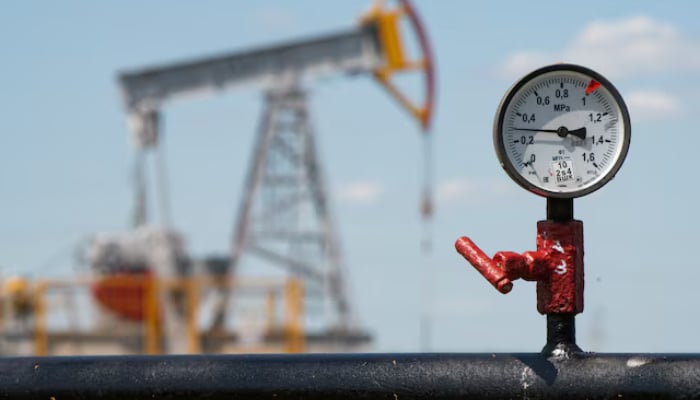
    Global oil prices edged higher on Wednesday as escalating tensions in the Middle East renewed fears of supply disruptions and pushed investors to closely monitor developments in the region. Brent crude futures rose to $91.51 per barrel, while US West Texas Intermediate (WTI) crude increased to $84.64 per barrel in early trading. The gains came after oil prices reached a five-week high in the previous session. The latest rise followed another round of US military strikes inside Iran. American forces carried out attacks on Iranian military targets for the 11th consecutive night, highlighting the continued escalation of the conflict. At the same time, Kuwaiti authorities reported that air defense systems intercepted Iranian drones, adding to growing concerns that the conflict could spread further across the Gulf region. The continued exchange of attacks between Iran and the United States has heightened fears over the security of global energy supplies. Investors worry that any disruption in oil-producing regions or major shipping routes could tighten supplies and drive prices even higher. Additional pressure on energy markets came after Yemen’s Houthi movement announced a naval blockade targeting Saudi Arabia and warned that ships transporting Saudi oil through the Bab el-Mandeb Strait could face attacks. The Bab el-Mandeb Strait is one of the world’s most important maritime trade routes and serves as a key passage for oil shipments from the Middle East to international markets. The route has become increasingly important as traffic through the Strait of Hormuz has declined amid the worsening regional conflict. Energy analysts say that any disruption in either of these strategic waterways could significantly affect global oil supplies, increase shipping costs and create further volatility in international energy markets. Meanwhile, US Defense Secretary Pete Hegseth said the military campaign against Iran has so far cost the United States $37.5 billion, reflecting the growing financial burden of the prolonged conflict. Market participants are also monitoring supply data from the United States. Industry figures showed that US crude oil and distillate inventories increased during the previous week, while gasoline stockpiles declined, indicating mixed signals about fuel demand and supply conditions. Investors are now awaiting official inventory data from the US Energy Information Administration, which could provide further insight into supply trends and influence the direction of oil prices.

  • | | | |

    S&P upgrades Pakistan’s rating to ‘B’ o…

    S&P Global Ratings has upgraded Pakistan’s long-term sovereign credit rating from ‘B-’ to ‘B’, citing improvements in economic stability, foreign exchange reserves and reform progress. The global rating agency maintained a stable outlook for Pakistan, indicating expectations that the country’s economic recovery will continue if current policies and reforms remain in place. S&P said the rating upgrade reflects stronger institutional capacity and Pakistan’s progress in implementing reforms under the International Monetary Fund’s (IMF) programme. The agency highlighted that the $7 billion IMF Extended Fund Facility (EFF) has played an important role in improving economic management, supporting fiscal reforms and rebuilding external financial buffers. According to S&P, Pakistan has achieved most of the IMF programme targets so far, which has helped maintain the flow of financial assistance and improve investor confidence. The rating agency also pointed to a major improvement in Pakistan’s foreign exchange reserves. It said reserves increased to around $25.3 billion, including gold holdings, by the end of last month. This is a significant rise compared with the low level of around $6.7 billion recorded in December 2022. S&P said the improved reserve position provides greater capacity to manage external payments and cover upcoming foreign debt obligations. The agency added that continued support from international partners, multilateral institutions and access to global financing markets would help Pakistan strengthen its external position. S&P projected further improvement in Pakistan’s fiscal performance, saying the government deficit could decline to around 4% of GDP by fiscal year 2027. This compares with nearly 8% during the economic difficulties faced in 2022 and 2023. The agency also noted that economic reforms, fiscal discipline and improved financial management could help Pakistan achieve sustainable growth in the coming years. However, S&P warned that a slowdown in reforms, increased fiscal pressures or worsening external conditions could create risks for the country’s future rating. The agency said Pakistan could receive another rating improvement if it continues reducing fiscal deficits, increasing revenues, lowering financing costs and strengthening external economic indicators.

  • | | | |

    Petrol pump strike deferred after govt deal

    The planned nationwide strike by petrol pump owners and petroleum dealers has been postponed after successful negotiations with the federal government. The decision came following fresh talks between government officials and representatives of petroleum dealers, ending a deadlock that had raised concerns over possible fuel supply disruptions across the country. During the meeting, the government assured petroleum dealers that their concerns would continue to be addressed through dialogue. However, officials made it clear that the federal government has no plans to increase dealers’ profit margins to 8%, rejecting one of the key demands raised by the dealers. Officials said the proposed system of daily fuel price adjustments is intended to bring greater transparency and efficiency to Pakistan’s petroleum supply chain. They maintained that the new pricing mechanism would improve market operations and ensure a more transparent process for consumers and industry stakeholders. The negotiations were attended by Chairman of the Pakistan Petrol Pump Owners Association Humayun Khan, Vice Chairman Atif Butt and other representatives of petroleum dealers. After detailed discussions, both sides agreed to continue consultations instead of moving ahead with the planned strike. Following the successful talks, the Pakistan Petrol Pump Owners Association and the Dealers Association officially announced the postponement of their nationwide protest. The decision removed the immediate threat of fuel shortages that could have affected transport, businesses and the general public. Petroleum Minister Ali Pervaiz Malik thanked petrol pump owners and dealers for choosing dialogue over confrontation. He said the government values the role of petroleum sector stakeholders and remains committed to resolving outstanding issues through mutual consultation. The minister said Pakistan has been facing difficult regional circumstances in recent months, creating economic challenges and uncertainty. He added that the prime minister is fully aware of the hardships being faced by citizens and is committed to protecting the public from additional financial burdens. Ali Pervaiz Malik said the government has already provided subsidies worth hundreds of billions of rupees to support consumers. He added that a targeted subsidy mechanism has been developed to ensure assistance reaches those who need it most. He also acknowledged the cooperation extended by oil refineries and petroleum sector organizations in maintaining fuel supplies. The minister said the issue of dealers’ profit margins will be discussed further with all stakeholders. A summary on the proposed margin revision will be presented before the federal cabinet for consideration. He also announced that the impact of the daily fuel pricing system will be reviewed jointly with petroleum organizations after two weeks to assess its effectiveness and address any concerns.

  • Gold prices surge sharply in Pakistan 

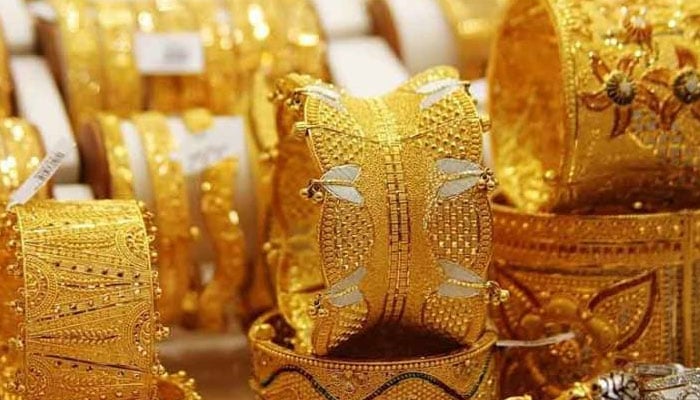
      Gold prices in Pakistan recorded a significant increase on Wednesday, with the price of the precious metal rising by Rs4,600 per tola in a single day. The sharp jump reflects the continued upward trend in international gold markets, where rising prices have influenced local rates as well According to the All Pakistan Sarafa Gems and Jewellers Association, the latest increase has pushed the price of one tola of gold to Rs433,836, marking another record-high level in the domestic bullion market. The continued rise in gold prices has drawn the attention of investors, traders, and consumers, particularly those planning to purchase jewellery or invest in the precious metal. The association reported that the price of 10 grams of gold also witnessed a notable increase. Following a gain of Rs3,944, the price of 10 grams reached Rs371,944. The increase is consistent with the movement in international gold prices and reflects the close connection between Pakistan’s bullion market and global trading trends. Market experts say fluctuations in the international gold market often have a direct impact on local prices. Gold is widely considered a safe-haven asset, and demand for the precious metal generally rises during periods of global economic uncertainty, geopolitical tensions, inflation concerns, or fluctuations in currency values. These factors can drive prices higher in international markets, which are then reflected in domestic rates. According to the All Pakistan Sarafa Gems and Jewellers Association, the increase in local gold prices follows a strong rally in the global bullion market. Internationally, the price of gold rose by 46 US dollars per ounce, taking it to 4,114 dollars per ounce. The rise in international prices played a key role in pushing domestic gold rates to new highs. The recent surge has created mixed reactions among different groups. Investors who already hold gold may benefit from the increase in value, while consumers looking to purchase jewellery or invest for the first time may find the higher prices challenging. Jewellers also closely monitor these price movements, as sudden increases can influence customer demand and overall market activity. Gold remains one of the most preferred investment options in Pakistan, particularly during periods of economic uncertainty. Many people purchase gold not only for jewellery but also as a long-term investment and a hedge against inflation. As a result, even small changes in international prices can significantly affect buying and selling trends in local markets. Financial analysts believe future gold prices will largely depend on developments in the global economy, central bank policies, inflation trends, and geopolitical events. Any further movement in international bullion markets is likely to influence domestic prices in the coming days. With gold reaching Rs433,836 per tola and Rs371,944 per 10 grams, the local market continues to reflect the strength of global demand for the precious metal. Traders and investors will now be closely watching international market developments to determine whether the upward trend continues or prices stabilize in the near future.

  • | | |

    Petrol up Rs6.39, diesel Rs7.83

    The federal government has announced an increase in the prices of major petroleum products, including petrol, high-speed diesel and kerosene oil. The revised prices came into effect from today and will remain applicable for one day, according to official notifications. The Oil and Gas Regulatory Authority (OGRA) issued a notification confirming the increase in fuel prices. The revised rates were also endorsed through a separate notification issued by the Petroleum Division. Under the new pricing structure, the price of petrol has been increased by Rs6.39 per litre. Following the increase, the new retail price of petrol has been fixed at Rs327.12 per litre. The price of high-speed diesel (HSD) has also been revised upward. It has been increased by Rs7.83 per litre, taking the new price to Rs375.04 per litre. The government has also raised the price of kerosene oil by Rs7.80 per litre. The new price has been set at Rs297.17 per litre. The revised fuel prices became effective immediately after the issuance of the official notifications. According to the government, these rates will remain in force for one day only. The increase is expected to affect transportation costs and fuel expenses for consumers during the period in which the revised prices remain applicable. Petrol is widely used by private vehicles and motorcycles, while high-speed diesel is consumed by heavy transport vehicles, public transport, agriculture and industrial sectors. Kerosene oil is commonly used in remote areas for cooking and heating purposes.

  • | | |

    Aurangzeb reviews Pakistan’s economic progress i…

    Finance Minister Muhammad Aurangzeb held a series of high-level meetings with senior officials of the International Monetary Fund (IMF) in Washington to review Pakistan’s economic performance and discuss the progress of the country’s reform agenda. The meetings included discussions with IMF First Deputy Managing Director Dan Katz, Deputy Managing Director Nigel Clarke, Middle East and Central Asia Department Director Jihad Azour, and IMF Mission Chief for Pakistan Iva Petrova. During the talks, the finance minister presented an overview of Pakistan’s recent macroeconomic performance. He highlighted improvements in fiscal management, stronger external accounts, higher foreign exchange reserves, record inflows of overseas workers’ remittances, and a healthier current account position. He also noted that the government had met its revenue collection targets, which he said reflected the positive impact of ongoing economic reforms. The discussions also focused on Pakistan’s progress under the IMF-supported Extended Fund Facility (EFF) and the Resilience and Sustainability Facility (RSF). Both sides reviewed measures aimed at strengthening economic stability and ensuring long-term, sustainable growth. Aurangzeb briefed IMF officials on reforms in taxation, the energy sector, public debt management, tariff rationalisation, and the government’s privatisation programme. He also discussed efforts to broaden financing sources, improve the investment climate, and restore Pakistan’s access to international capital markets. The meetings further covered issues related to human capital development, increasing women’s participation in the economy, addressing demographic challenges, encouraging technology-led growth, and promoting private sector investment and export-driven development. The finance minister reaffirmed the government’s commitment to maintaining fiscal discipline and implementing structural reforms. He said Pakistan would continue pursuing policies aimed at strengthening economic stability, improving investor confidence, and achieving long-term economic transformation. During his visit to Washington, Aurangzeb also met John Jovanovic, President and Chairman of the Export-Import Bank of the United States, to discuss expanding economic cooperation between the two countries. The meeting focused on financing long-term development projects and increasing bilateral trade in agricultural commodities, including cotton and soybeans, as well as cooperation in the hydrocarbons sector. The two sides also explored opportunities to facilitate greater access to US financing, technology, equipment, and services for priority projects in Pakistan. Officials agreed to identify short-term investment opportunities, appoint focal persons from both sides, and prepare a strategic cooperation framework. The proposed framework is expected to be finalised and signed on the sidelines of the United Nations General Assembly session in September 2026.