فیچرڈ

  • | | |

    Pakistan faces critical shortage of warehouse faci…

    Pakistan’s healthcare system is facing a significant logistical challenge, as the country lacks a dedicated warehouse to store emergency medicines and medical kits supplied for disease outbreaks and public health emergencies, according to sources within the Ministry of National Health Services. The revelation has raised concerns about the country’s preparedness to manage essential medical supplies, particularly those intended for large-scale disease prevention and treatment programs. Health Ministry sources disclosed that Pakistan does not even have a designated warehouse for storing medicines purchased under the country’s Hepatitis C elimination initiative. The absence of proper storage facilities has forced health authorities to rely on temporary arrangements that fall short of standard warehousing requirements. According to officials, the District Health Office (DHO) in Islamabad has converted parking areas into makeshift storage rooms to accommodate the growing stockpile of medicines and medical supplies. Temporary structures and storage racks have been installed to protect the supplies until a permanent solution becomes available. While the emergency arrangement has helped address immediate storage needs, officials acknowledge that it is not a long-term replacement for a purpose-built medical warehouse designed to safely store pharmaceutical products and emergency health equipment. The shortage of storage space has become even more pressing following the arrival of hundreds of medical kits donated by the United Nations Population Fund (UNFPA). Ministry sources said the UN agency recently supplied 742 Emergency Obstetric and Newborn Care (EmONC) and Family Planning kits to support Pakistan’s maternal and reproductive healthcare services. However, authorities are struggling to find adequate space to safely store the newly received supplies, creating additional logistical challenges for the health sector. Officials also revealed that medicines for approximately 1.6 million patients have already been procured under the Prime Minister’s Hepatitis C Elimination Programme. The large-scale procurement is intended to strengthen Pakistan’s campaign against one of the country’s most widespread infectious diseases, but the lack of dedicated storage infrastructure threatens to complicate distribution and inventory management. Health Ministry sources explained that temporary storage rooms were established in 2023, when additional racks and shelving units were installed to accommodate the increasing volume of medicines. These facilities were developed as an interim solution until permanent warehouse infrastructure could be built. Despite these efforts, experts believe that the growing number of medical supplies and emergency response materials requires modern storage facilities equipped with appropriate environmental controls, inventory management systems, and security measures to ensure the quality and effectiveness of medicines. Responding to concerns, Islamabad District Health Officer Dr. Rashida said that the medicines currently being stored in the temporary facilities are not deteriorating or losing their effectiveness. She maintained that health officials are taking the necessary precautions to preserve the supplies under existing conditions. At the same time, Dr. Rashida acknowledged the urgent need for a dedicated warehouse and confirmed that letters have been sent to development partners requesting support for the establishment of proper storage infrastructure. The shortage highlights broader challenges within Pakistan’s public healthcare system, where expanding disease-control programmes and increasing international assistance have outpaced the development of essential logistics and storage capacity. Health officials hope that with support from development partners and international organizations, permanent warehouse facilities can be established to strengthen the country’s ability to respond to public health emergencies and ensure the safe storage and timely distribution of life-saving medicines and medical supplies.

  • | | |

    Parliament should focus on Pakistan’s real c…

    Pakistan is an Islamic republic whose Constitution defines not only the structure of the state but also its ideological foundation. It explicitly states that the country should create an environment in which Muslims can live their lives in accordance with the teachings of the Quran and Sunnah. Against this constitutional backdrop, it is surprising that the issue of women wearing the abaya—or an Islamic financial institution including the abaya in its employee dress code—has become a matter of concern for a parliamentary committee. This naturally raises an important question: Who is setting the country’s priorities, and are these truly the issues that deserve Parliament’s attention? Pakistan continues to face pressing challenges, including rising inflation, unemployment, an unequal tax system, a struggling economy, and serious shortcomings in education and healthcare. These are the issues that directly affect the daily lives of millions of citizens. If a parliamentary standing committee, whose primary responsibility is financial oversight, chooses to focus instead on the dress code of Islamic banks, it is reasonable for the public to question whether legislative priorities are aligned with the country’s most urgent needs. The debate also raises questions about consistency. Critics have objected to the abaya as part of an institutional dress code, yet there is little discussion about uniforms in many government departments that follow Western styles of dress. Women serving in the police, the Federal Investigation Agency (FIA), and several other public institutions are commonly required to wear trousers and shirts as part of their official uniforms. If clothing is to become a matter of parliamentary debate, then similar standards should apply across the board. Selective criticism can create the perception of bias. Supporters of Islamic dress codes argue that the issue extends beyond clothing itself and reflects broader concerns about cultural and religious identity. From this perspective, the concern is not simply about the abaya but about a mindset that views visible expressions of religious identity as obstacles to modernization. They question whether institutions with an Islamic identity should be expected to abandon their traditions in the name of progress. This leads to a broader debate: Who defines what it means to be modern? Does modernization necessarily require reducing the public expression of religious values or adopting Western cultural norms? For institutions operating within Pakistan’s Islamic banking framework, supporters argue that their identity is rooted not only in financial principles but also in ethical and religious values. If such institutions adopt internal policies that comply with Pakistani law and reflect constitutional and religious principles, they contend that those choices should be respected. The discussion also draws comparisons with international examples. In countries such as France, restrictions on religious clothing have generated significant criticism from human rights advocates. Supporters of religious freedom argue that Pakistan, which was established with a distinct religious and cultural identity, should carefully consider whether adopting similar approaches is consistent with its own constitutional framework and historical foundations. Ultimately, the central argument is that Parliament should devote its time and resources to addressing issues that directly affect governance, economic stability, and public welfare. Matters of personal attire, religious belief, and institutional identity, many argue, should not become subjects of unnecessary official intervention when the country faces far more pressing social and economic challenges.

  • | |

    Islamabad Court rules in favor of Ahsan Iqbal in d…

    A district and sessions court in Islamabad has ruled in favor of Federal Minister Ahsan Iqbal in a long-running defamation lawsuit, ordering former federal minister Murad Saeed to pay Rs2.5 million in damages for making corruption allegations that the court found to be unsubstantiated. The judgment was delivered by Additional Sessions Judge Hakim Khan, who concluded that the statements made by Murad Saeed had harmed Ahsan Iqbal’s reputation and amounted to defamation under the law. According to the court’s ruling, Murad Saeed failed to prove his public allegations that Ahsan Iqbal had been involved in corruption worth Rs70 billion. The court held that the accusations, which included claims of corruption, misuse of authority, and receiving illegal commissions, were not supported by evidence and therefore constituted defamatory statements. The case originated from remarks made by Murad Saeed in 2019, when he accused Ahsan Iqbal of financial irregularities in connection with the Multan–Sukkur Motorway Project, one of Pakistan’s major infrastructure developments. Ahsan Iqbal strongly denied the allegations and subsequently filed a defamation suit seeking Rs10 billion in damages. In its written judgment, the court acknowledged that Ahsan Iqbal had claimed Rs10 billion as compensation but determined that the amount sought was excessive in light of the evidence presented during the proceedings. Instead, the court awarded Rs2.5 million in damages, describing the sum as appropriate compensation for the reputational harm caused by the false allegations. The judgment stated that Murad Saeed’s controversial statements had damaged Ahsan Iqbal’s public image, honor, and dignity. It further observed that the allegations created a negative perception of the federal minister among members of the public, affecting his credibility and standing. According to the court, the accusations amounted to a direct attack on Ahsan Iqbal’s integrity, character, and professional reputation. Since the allegations involved serious claims of corruption and abuse of public office, the court found that they had the potential to undermine public confidence in him without any factual basis. The ruling also noted that Murad Saeed neither appeared before the court to defend his statements nor presented any evidence to substantiate the corruption allegations. His failure to support the claims played a significant role in the court’s decision to rule in favor of Ahsan Iqbal. The verdict reinforces the legal principle that individuals making public allegations of corruption must be prepared to provide credible evidence to support their claims. In the absence of such proof, the court held that the statements amounted to defamation and entitled the affected party to compensation. The decision marks the conclusion of a legal dispute that has remained pending since 2019 and highlights the growing use of defamation proceedings in Pakistan to address reputational damage arising from political statements. While the court reduced the amount of compensation sought by Ahsan Iqbal, it nevertheless concluded that Murad Saeed’s allegations were unfounded and had caused measurable harm to the minister’s reputation. As a result, the former federal minister has been directed to pay Rs2.5 million in damages in accordance with the court’s judgment.

  • | |

    Shahid Khaqan Abbasi criticizes government over ec…

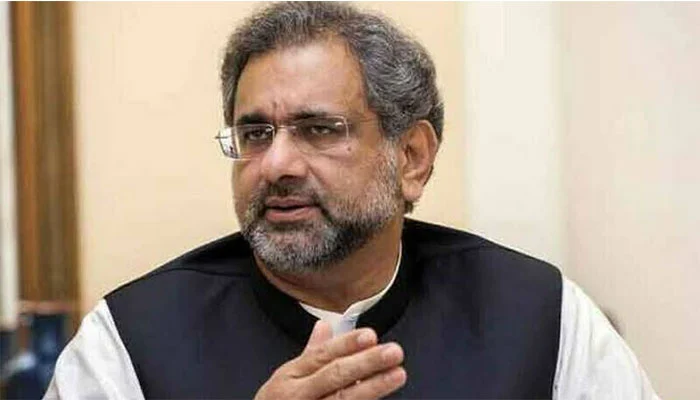
    The head of the Awam Pakistan Party, Shahid Khaqan Abbasi, has criticized the government over the country’s worsening economic and political situation, saying that even government representatives have now started raising concerns about the state of affairs in Pakistan. Speaking at a press conference in Islamabad, Abbasi said that the interior minister had realized after four to five years that the country was facing serious governance challenges, while ordinary Pakistanis had been expressing similar concerns for years. “The people of Pakistan have been saying the same thing for the past four to five years,” Abbasi stated, adding that government ministers should raise such issues directly during cabinet meetings instead of discussing them publicly. The former prime minister stressed that Pakistan urgently requires meaningful reforms and warned that temporary or superficial measures would not solve the country’s deep-rooted problems. He argued that the country has repeatedly experimented with short-term solutions every year, but what is needed is a fundamental change in the system. “We need to change the system and establish the rule of law,” Abbasi said, emphasizing that strong institutions and equal application of laws are necessary for long-term stability. Abbasi also criticized political divisions and the practice of using accountability cases against opponents. He called for an end to the cycle of imprisoning political rivals, questioning how the country could progress if every politician was accused of corruption. “If all politicians are corrupt, then who will run the country?” he asked. The Awam Pakistan Party leader claimed that two major stakeholders currently play a dominant role in running the country, but instead of working together, both sides continue to blame each other for national problems. Discussing the economic situation, Abbasi said that the income of Pakistani citizens has declined significantly over the past six years. He claimed that household purchasing power has fallen by approximately 14 percent, leaving many families struggling financially. “Every household in Pakistan has become poorer,” he said, adding that unemployment has reached its highest level in 21 years. Abbasi also highlighted the increasing tax burden on citizens, stating that the average Pakistani now pays around Rs60,000 in taxes annually. He said that taxes that were previously around Rs30,000 have doubled in recent years, while poverty continues to rise across the country. The former prime minister argued that Pakistan is struggling to attract investment because of inconsistent policies and uncertainty. He accused the government of relying heavily on taxation rather than creating conditions that encourage economic growth. “There is no certainty about when new taxes will be imposed,” Abbasi said, claiming that unpredictable policies discourage businesses and investors from operating in Pakistan. He also raised concerns about public health and food security, stating that thousands of children in Pakistan are affected by HIV and that the government has started importing wheat despite the country being an agricultural economy. “A country known for agriculture is now purchasing wheat from abroad,” he remarked. Abbasi further criticized rising costs of essential services, including electricity, gas, petrol, and diesel. He said that ordinary citizens are facing increasing financial pressure because of continuous price increases. According to Abbasi, Pakistan’s current situation reflects a broader governance failure, and without major reforms, improvements in economic conditions will remain difficult. He called for political cooperation, institutional reform, and policies focused on economic stability rather than short-term measures.

  • | |

    PPP leader Nisar Khuhro warns against provincial d…

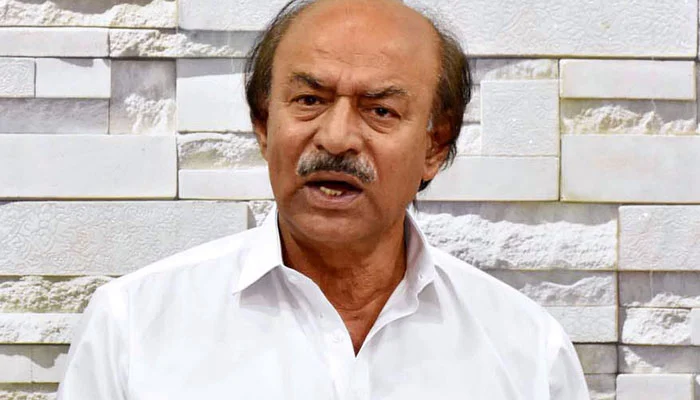
    Pakistan Peoples Party (PPP) Sindh leader Nisar Khuhro has strongly criticized discussions surrounding the creation of new provinces in the country, describing them as part of what he called a “dangerous conspiracy” aimed at weakening Pakistan’s democratic environment. Speaking at a press conference in Karachi, Khuhro questioned the purpose behind proposals for creating additional provinces, saying that such moves could lead to unnecessary political divisions. “Do we want to create 22 provinces and have 22 chief ministers?” he asked, adding that the current developments were an attempt to damage the democratic atmosphere of Pakistan. Khuhro stated that the creation of new provinces requires a two-thirds majority in the relevant provincial assembly, emphasizing that such a major constitutional change cannot be carried out without proper legal and political procedures. Referring to those supporting such initiatives, he used strong language and said that “cockroaches have emerged and will continue to emerge,” adding that those responsible for such moves would face opposition. The PPP leader argued that Pakistan has a long history of political instability and conspiracies, warning that similar approaches in the past had caused serious damage to the country. He recalled that Pakistan had previously suffered from flawed policies and political decisions, stating that powerful forces had played a role in harming national institutions and stability. Commenting on recent remarks by the interior minister regarding the country’s governance system, Khuhro said that if the system was described as outdated or ineffective, those benefiting from the current hybrid political arrangement should also consider their role. “The interior minister says the system has become outdated, but they appear comfortable within the hybrid system,” he remarked. Khuhro also highlighted what he described as repeated interruptions in Pakistan’s democratic process. He said that throughout history, elected governments and prime ministers have often been prevented from completing their constitutional terms. He pointed out that some elected leaders were removed from office, while others faced severe consequences, including imprisonment and execution. He also referred to the struggles of democracy activists, saying that workers who participated in movements for the restoration of democracy had faced harsh treatment, including physical punishment. According to Khuhro, political parties have repeatedly been denied the opportunity to complete their constitutional mandates, which has weakened democratic institutions in the country. The PPP leader stressed that political stability and respect for constitutional processes were essential for Pakistan’s future. He warned that attempts to create unnecessary divisions could further increase uncertainty and weaken national unity. During the press conference, Khuhro also mentioned political developments within the PPP, stating that Karachi-based businessman Saeed had joined the Pakistan Peoples Party. He welcomed the inclusion of new members, saying that the party continued to expand its political engagement. Khuhro’s comments come amid ongoing discussions in Pakistan regarding administrative reforms and proposals for creating new provinces. Supporters of new provinces argue that they could improve governance and bring government closer to citizens, while opponents have raised concerns about political motives, financial challenges, and potential divisions. The PPP leader maintained that any constitutional changes must follow democratic procedures and should serve the interests of the people rather than create further political instability.

  • | |

    Security measures strengthened ahead of second pha…

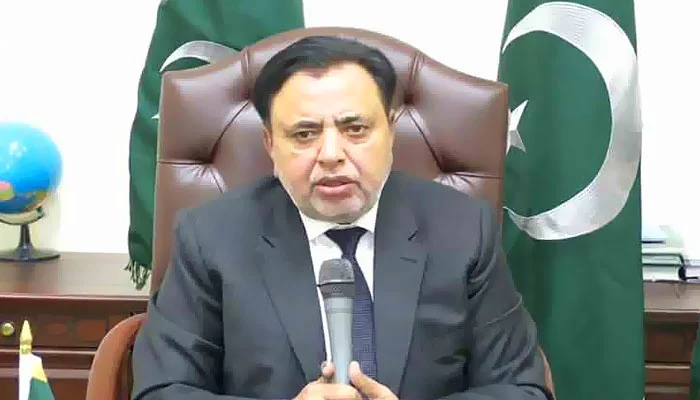
    Chief Election Commissioner of Azad Jammu and Kashmir, retired Justice Ghulam Mustafa Mughal, has said that the law and order situation in Muzaffarabad has improved, following concerns over uncertainty and security challenges in the city. Justice (retd) Ghulam Mustafa Mughal said that while there had been an atmosphere of uncertainty in Muzaffarabad the previous day, the situation had now become more stable and peaceful. He added that additional security personnel had been deployed at the two most sensitive constituencies in the region to ensure peaceful polling. The chief election commissioner said that security arrangements for elections on migrant seats in Pakistan were the responsibility of the relevant provincial governments. He explained that election materials had been dispatched to polling stations and that presiding officers had also left for their assigned areas. “Election equipment has been sent to the polling stations, and presiding officers have moved toward their respective locations,” he said, adding that in some remote areas, the transportation of election materials was continuing gradually due to logistical challenges. Justice Mughal confirmed that polling in Muzaffarabad would take place the following day and identified two constituencies—LA-5 Khawora and LA-3 Lajrat—as highly sensitive areas requiring additional security arrangements. He said extra security forces had been deployed at sensitive polling stations, while Quick Response Force units would also remain available throughout the polling process. In the event of any emergency or disturbance, the quick response teams would immediately intervene to control the situation and maintain peace. The chief election commissioner expressed confidence that the security arrangements would help ensure a smooth and transparent election process. He emphasized that all necessary measures were being taken to protect voters, polling staff, and election officials. Meanwhile, preparations for the second phase of the Azad Jammu and Kashmir elections have been completed. Polling will be held in three districts of the Muzaffarabad division as well as on 12 seats reserved for Kashmiri refugees living in Pakistan. According to the Azad Jammu and Kashmir Election Commission, the Muzaffarabad division consists of three districts: Muzaffarabad, Neelum, and Jhelum Valley. More than 890,000 registered voters are eligible to cast their ballots across these areas. A total of 208 candidates are contesting elections in nine constituencies across the three districts. The voting process will also include refugee seats representing Jammu and Kashmir Valley migrants who are currently residing in Pakistan. The Election Commission stated that six seats representing Jammu and six seats representing the Valley will be contested by Kashmiri refugees living in Pakistan. These seats are part of the legislative structure of Azad Jammu and Kashmir and allow displaced communities to participate in the political process. Authorities have increased security arrangements across polling areas to prevent any disruption and ensure that voters can exercise their right peacefully. Election officials have also directed security agencies and administrative departments to remain alert throughout polling day. The second phase of voting is being closely monitored due to the importance of the constituencies involved and previous concerns regarding security. Officials have assured that all necessary steps have been taken to conduct free, fair, and peaceful elections in the region.

  • | |

    Prime Minister Shehbaz Sharif meets Nawaz Sharif t…

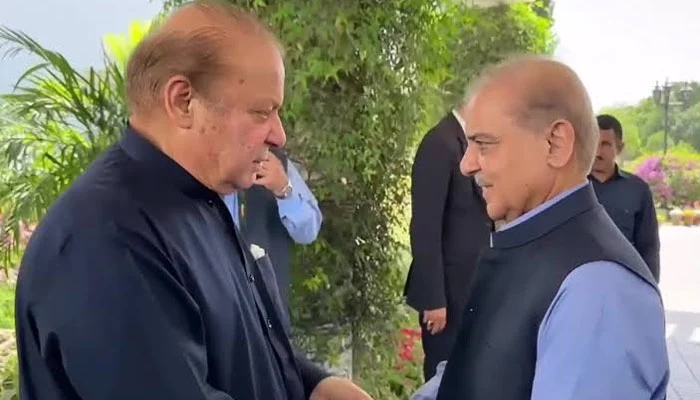
    Prime Minister Shehbaz Sharif met Pakistan Muslim League-Nawaz (PML-N) President Nawaz Sharif at his residence in Raiwind, Lahore, where the two leaders held detailed discussions on the country’s overall situation and political developments. According to a statement issued by the Prime Minister’s Office in Islamabad, Punjab Chief Minister Maryam Nawaz and Deputy Prime Minister Ishaq Dar were also present during the meeting. The discussion covered a range of important national and political matters, with the participants reviewing the current challenges facing the country. The meeting between the senior PML-N leadership comes amid ongoing political and economic developments in Pakistan, where the government continues to focus on governance, economic stability, and policy implementation. The leaders exchanged views on the prevailing national environment and discussed matters related to the government’s future priorities. The Prime Minister’s Office stated that the meeting included a comprehensive review of the country’s overall situation. However, further details regarding the specific issues discussed were not disclosed in the official statement. Nawaz Sharif, who remains the president of the PML-N and an influential figure within the party, continues to play an important role in guiding party policies and strategic decisions. Despite no longer holding public office, he frequently meets senior party leadership to discuss political matters and government performance. Prime Minister Shehbaz Sharif has maintained close communication with Nawaz Sharif on key national issues since taking office. Their meetings often focus on economic reforms, administrative matters, political strategy, and efforts to address challenges faced by the country. Punjab Chief Minister Maryam Nawaz’s presence at the meeting also highlighted the importance of provincial governance and coordination between the federal and Punjab governments. Since assuming office, Maryam Nawaz has focused on various development initiatives and administrative reforms in Punjab. Deputy Prime Minister Ishaq Dar, who also serves as a senior PML-N leader, has remained involved in economic policymaking and government affairs. His participation in the meeting reflected discussions related to national economic priorities and financial matters. Political observers consider meetings among the top PML-N leadership significant, especially at a time when Pakistan faces multiple challenges, including economic pressures, political disagreements, and the need for institutional reforms. The government has repeatedly emphasized the importance of political stability and economic recovery, while opposition parties continue to criticize government policies and demand greater accountability. The Raiwind meeting reflects the continued coordination among senior PML-N leaders as they evaluate the country’s situation and plan their political approach. Although the official statement did not provide specific details, such consultations are considered an important part of the party’s decision-making process. The meeting concluded with discussions focused on national interests, political matters, and strategies for addressing the challenges facing Pakistan. The PML-N leadership is expected to continue consultations on important issues as the government moves forward with its agenda.

  • | |

    Rashid Latif urges PCB chairman to utilize Younis …

    Former Pakistan Test captain and wicketkeeper-batter Rashid Latif has called on Pakistan Cricket Board (PCB) Chairman Mohsin Naqvi to make better use of former captain Younis Khan’s expertise for the growth and development of cricket in the country. Latif believes that experienced former players like Younis Khan can play a significant role in nurturing young talent and strengthening Pakistan’s cricket structure. Speaking at the inauguration ceremony of the Younis Khan Cricket Academy at KHA Legend Arena in Karachi’s Gulshan-e-Iqbal, Rashid Latif stressed the need to put Pakistan cricket on the right path by involving accomplished cricketers in the development process. He said Younis Khan’s vast experience and commitment to the game make him one of the best individuals to guide the next generation of players. Latif also reflected on Karachi’s rich cricketing history, noting that there was a time when the Pakistan national team featured a large number of players from the city. However, he said the situation has changed over the years, and Karachi no longer contributes players at the same level as it once did. Highlighting the importance of Karachi’s Malir district, Rashid Latif said the area has produced several outstanding cricketers, including Saeed Anwar, Khurram Manzoor, Asim Kamal, Younis Khan, and himself. According to him, the region has long been a breeding ground for cricketing talent and deserves continued investment in player development. The former captain also pointed out that while many of Younis Khan’s contemporaries are seeking positions within the Pakistan Cricket Board, Younis has remained focused on serving the game by working directly with aspiring cricketers. Latif praised this dedication, saying it reflects Younis Khan’s genuine passion for Pakistan cricket. Rashid Latif expressed confidence that the Younis Khan Cricket Academy will help revive grassroots cricket in Karachi by providing young players with quality coaching and professional guidance. He emphasized that similar initiatives can strengthen the country’s cricketing future if supported by the PCB and other stakeholders. Concluding his remarks, Latif paid tribute to Younis Khan’s remarkable achievements, describing his record of more than 10,000 Test runs and 34 Test centuries as an extraordinary milestone. He said cricketers of Younis Khan’s caliber are produced only once in a generation, making it essential for Pakistan cricket to benefit from his experience and leadership.

  • | | |

    US embassy alerts citizens over worsening security…

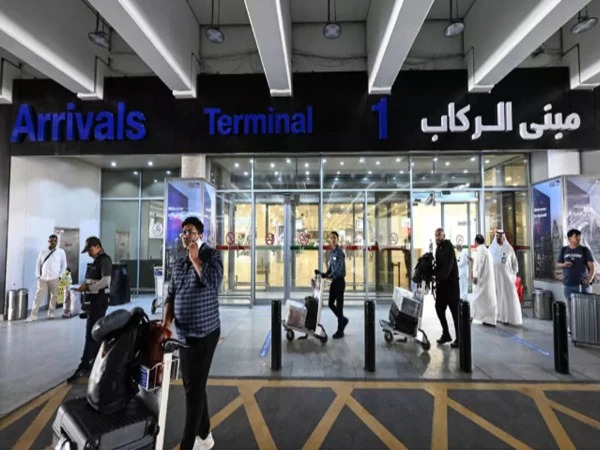
    The United States has issued a fresh security advisory for its citizens across the Middle East, urging them to remain vigilant and be prepared for possible evacuation as regional tensions continue to rise. The warning comes amid growing concerns over the security situation, with US officials cautioning that conditions could deteriorate without notice. Through its embassies in Israel, Bahrain, Iraq, Jordan, Kuwait, Lebanon, Oman, Qatar, Saudi Arabia, and the United Arab Emirates, the US government advised American citizens to consider leaving the region if it is safe to do so or to be ready for immediate departure should the security environment worsen. According to the advisory, the current instability has increased the risk of unexpected security incidents, flight disruptions, and temporary airspace closures. Travelers were warned to expect airline cancellations, delays, and changes to flight schedules, and to remain informed through official sources and their airlines before making travel plans. The US Embassy in Oman noted that several airlines have delayed the resumption of scheduled services, while others have canceled flights on specific routes due to the evolving regional situation. Americans in the region were encouraged to review their travel plans and prepare for rapid evacuation if circumstances require. The advisory also urged US citizens outside the Middle East to carefully reconsider any plans to travel to the region or transit through it. Travelers were advised to monitor the latest airport and airline updates before departure and remain aware of changing security conditions. US officials warned that American diplomatic facilities, businesses, and other interests have previously been targeted during periods of heightened regional tension. The statement added that threats to US interests could extend beyond the Middle East and emphasized that areas previously considered safe may also face increased risks. The US Embassy in Jordan specifically advised American citizens to avoid visiting military installations and to stay informed through local government alerts, including emergency sirens and public safety announcements. Citizens were encouraged to follow instructions from local authorities and regularly check updates from the US Embassy. As part of the advisory, Americans were also instructed to avoid demonstrations, large public gatherings, and areas with a heavy security presence. They were encouraged to maintain a low profile, monitor local media, and remain alert at all times. The State Department further recommended enrolling in the Smart Traveler Enrollment Program (STEP), which enables the US government to provide security updates and facilitate communication with citizens during emergencies.

  • | |

    Bilawal Bhutto welcomes positive response to recon…

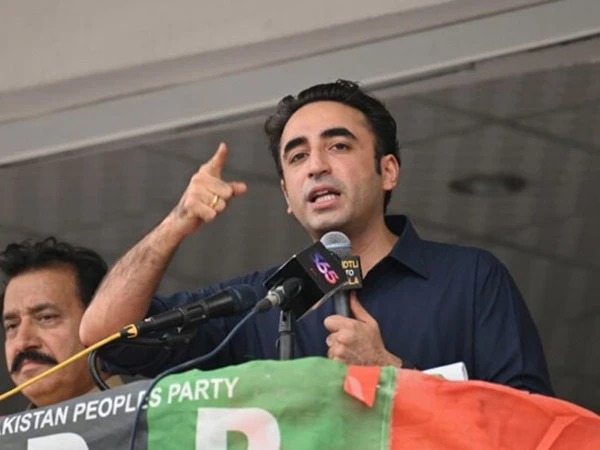
    Pakistan Peoples Party (PPP) Chairman Bilawal Bhutto Zardari has announced that the Joint Public Action Committee has responded positively to his proposal for establishing a Reconciliation Commission to help resolve the ongoing crisis in Azad Jammu and Kashmir (AJK). He said the committee’s response included several recommendations that would be carefully reviewed as part of the consultation process. In a statement shared on the social media platform X, Bilawal said he had received the committee’s formal reply regarding the proposed commission. According to him, the response reflects a willingness to consider an institutional mechanism that could help address the current situation through dialogue and consensus. Bilawal emphasized that his immediate priority is to help bring the ongoing crisis to an end, provide urgent relief to affected citizens, and restore normal life across Azad Jammu and Kashmir. He described every loss of life as a national tragedy and stressed the importance of finding a peaceful and sustainable solution through constructive engagement. The PPP chairman welcomed the committee’s readiness to move forward with the proposed Reconciliation Commission, saying it represents a positive step toward resolving outstanding issues. He added that the Azad Jammu and Kashmir Legislative Assembly has also endorsed the proposal, which he intends to examine in detail before further consultations. Bilawal said the next phase of the process would involve discussions with the Prime Minister of Azad Jammu and Kashmir. Following these consultations, the AJK leadership is expected to seek initial feedback from the federal government and other relevant stakeholders to determine whether there is sufficient common ground to advance a mutually agreed framework. According to Bilawal, broad-based consultation among all stakeholders is essential to ensure that any solution enjoys public confidence and contributes to lasting stability. He expressed hope that the proposed commission could provide a structured platform for dialogue while addressing the concerns of all parties involved. The development comes at a time when efforts are underway to reduce tensions in Azad Jammu and Kashmir and restore normal public life. Bilawal reiterated that meaningful dialogue, cooperation, and timely relief for affected communities remain central to his approach. He expressed optimism that continued engagement between the committee, the AJK government, and federal authorities could pave the way for a consensus-based resolution to the crisis.