فیچرڈ

  • | |

    Israel quietly receives advanced INS Drakon submar…

    JERUSALEM: Israel has quietly taken delivery of the advanced INS Drakon submarine, with the handover reportedly taking place without the usual public ceremony or official fanfare. According to media reports, the submarine belongs to the Dakar-class fleet and was built in Germany by Thyssenkrupp Marine Systems (TKMS). The vessel is regarded as one of the most sophisticated additions to the Israeli Navy’s underwater fleet. Defense analysts say the INS Drakon is designed for long-range covert operations, intelligence gathering, and extended deployments at sea, significantly enhancing Israel’s naval capabilities. The submarine is part of Israel’s ongoing efforts to modernize its maritime defense amid evolving regional security challenges. Some defense experts have also suggested that Israel’s Dolphin-class submarines may be capable of carrying nuclear-armed missiles, although Israeli authorities have never officially confirmed such capabilities. The arrival of the INS Drakon further strengthens Israel’s strategic naval deterrence and expands its ability to conduct long-duration missions across distant maritime regions.

  • | |

    FPAP, IPH hold breastfeeding policy dialogue

    LAHORE: Institute of Public Health Lahore and Rahnuma Family Planning Association of Pakistan joined hands to organize a Policy Dialogue on promoting Breastfeeding in connection with the World Breastfeeding Week 2026. The week is commemorated globally from 1-7 August to highlight the importance of breastfeeding. The house discussed strategies to improve breast feeding as only 45% of newborns in Pakistan were put to breast milk within the first hour of life, resulting in stunted growth and vulnerability to disease outbreaks. Moderated by Dean IPH Dr. Saira Azfzal, the event was joined by foreign dignitaries from the UKHSA, Chairman BoG IPH Prof Abdul Majeed Chaudhry, Executive Director Punjab Institute of Neuro Sciences & Principal General Hospital/PGMC Sardar Al Farid, former chairperson BoG Punjab Healthcare Commission Prof Atiya Mubarak, Head of Office WHO Punjab Dr. Jamshaid Ahmed, UNICEF Health Specialist Dr. Quratul Ain Ahmed, former Executive Director Health Services Academy Prof Shakila Zaman, WHO Technical Officer Dr. Irfan Ahmed, DGHS representative Dr. Zubair Hafeez as well as KEMU, Jinnah Hospital, SIMS and Ganga Ram experts including Prof Sobia Qazi, Prof Nadia Khursheed, Prof Munir Akhtar Saleemi, Dr Rameeza Kaleem Dr Asif Batani, Dr Mamoona, , Dr Ali Arshad, Prof. Dr Madeeha Rashid, Prof. Dr Muntaha, Dr Ammara Dr Amber Mustafa and a large number of students. Project Director GAVI RISE Rahnuma FPAP Sajjad Hafeez acknowledged IPH for joining hands with Rahnuma for a national cause. Highlighting this year’s theme “Breastfeeding for a Sustainable Start in Life: Strengthen What Works,” he said that Rahnuma-FPAP is one of the largest and oldest organizations in Pakistan, renowned for integrated package of mother & child health services, (ANC, safe deliveries PNC, vaccination, nutrition and family planning) at its country-wide network of facilities. Prof Sardar Al Farid highlighted barriers for mothers especially in office settings and need to designate workplace nursing stations. WHO representative Dr. Jamshaid elaborated key indicators (Early Initiation of Breastfeeding, Exclusive Breastfeeding and Continued Breastfeeding, highlighting that formula milk must not be marketed aggressively. UNICEF representative Dr. Quratul Ain highlighted that deliveries in Punjab under skilled birth attendants have improved to around 80%, yet the breastfeeding figures remain sub optimal. This requires integrating skilled counseling into routine family planning and reproductive health services.


  • | |

    Princess Isabella begins military service, decline…

    COPENHAGEN: Denmark’s Princess Isabella has begun her mandatory military service, becoming the first member of the Danish royal family to complete the country’s full compulsory military training under its updated national service program. The 19-year-old princess, the eldest daughter of King Frederik X and Queen Mary, reported for duty on August 3 after completing her education. She is expected to serve for 11 months as part of Denmark’s expanded military service requirements. In a gesture that has drawn public attention, Princess Isabella has declined to receive the salary and daily allowances provided to military recruits. According to the Danish royal household, she will instead rely on financial support from her parents to cover her personal expenses during training. Her older brother, Crown Prince Christian, previously completed military training, but Isabella is the first royal to undertake the extended compulsory service introduced under Denmark’s revised defense policy. Denmark expanded mandatory military service to include women in 2024 and increased the duration of service from four months to 11 months. The changes were introduced in response to Europe’s evolving security environment, the ongoing war in Ukraine, and growing strategic concerns in the Arctic region. This week, around 1,600 young recruits began their military service across the country, while Denmark is also preparing to deploy personnel to Greenland for the first time as part of its strengthened defense strategy.

  • | | |

    Gulf shipping slumps as Houthi claims of Saudi tan…

    NEW DELHI: Commercial shipping through two of the world’s most strategic maritime routes declined sharply on Wednesday after Yemen’s Houthi movement claimed it had launched missile attacks on Saudi oil tankers, raising fresh concerns over security in the Gulf. Shipping data showed that traffic through the Strait of Hormuz and the Bab el-Mandeb Strait fell significantly compared with the previous day. According to maritime analytics firm Kpler, only two vessels passed through the Strait of Hormuz on Wednesday—a Panama-flagged coal carrier entering the waterway and a Marshall Islands-flagged commodity vessel departing. The previous day, eight vessels had transited the route. Before the outbreak of the US-Israel conflict with Iran and Tehran’s subsequent closure of the Strait of Hormuz, the waterway typically handled between 130 and 140 ships daily, making it one of the busiest energy transit routes in the world. Traffic through the Bab el-Mandeb Strait also dropped sharply. Kpler data showed that only one Bahamas-flagged dry bulk carrier crossed the chokepoint on Wednesday, compared with 20 vessels the day before. The Houthis announced that they had fired missiles at a Saudi oil tanker near the Red Sea port of Yanbu and targeted another Saudi tanker in the Gulf of Aden. Saudi authorities had not confirmed either attack at the time of reporting. The Iran-aligned group has maintained what it describes as a naval blockade against Saudi-linked shipping in the Red Sea since last month, saying the move is a response to an alleged Saudi siege on Yemen. Riyadh has rejected those allegations. The latest claims have heightened concerns over the safety of commercial navigation in the region, where maritime trade remains vulnerable to escalating geopolitical tensions.

  • | |

    PM directs MDCAT delay, admission test rescheduled…

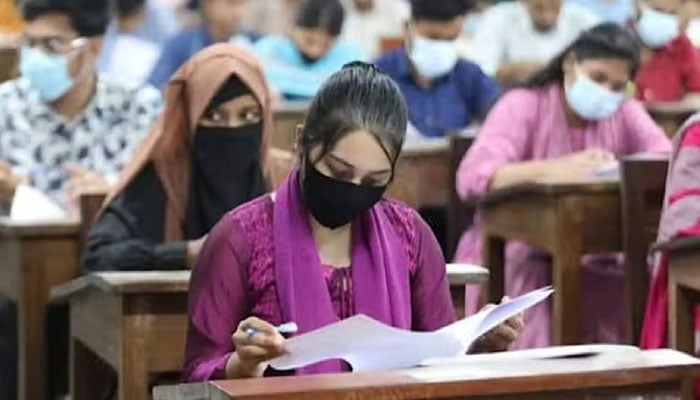
    ISLAMABAD: The Pakistan Medical and Dental Council (PM&DC) has postponed the Medical and Dental College Admission Test (MDCAT) 2026 on the instructions of Prime Minister Shehbaz Sharif, giving thousands of aspiring medical students additional time before the nationwide examination. According to an official statement issued by the PM&DC, the entrance test, originally scheduled for August 16, will now be held on September 20, 2026. The council said the decision was made to ensure the examination is conducted in a more organized, secure, transparent, and candidate-friendly manner. Officials emphasized that the revised schedule is intended to improve overall arrangements while maintaining the integrity of the admission process. PM&DC clarified that, apart from the change in the examination date, all previously announced terms, conditions, and examination arrangements will remain unchanged. Any further revisions, if required, will be communicated through a separate official notification. The council has advised candidates, parents, educational institutions, and other stakeholders to regularly monitor its official website and communication channels for updated information, instructions, and announcements related to the examination. Expressing regret over any inconvenience caused by the postponement, PM&DC thanked students and stakeholders for their patience and cooperation.

  • | |

    Centre, Sindh join hands to tackle marine pollutio…

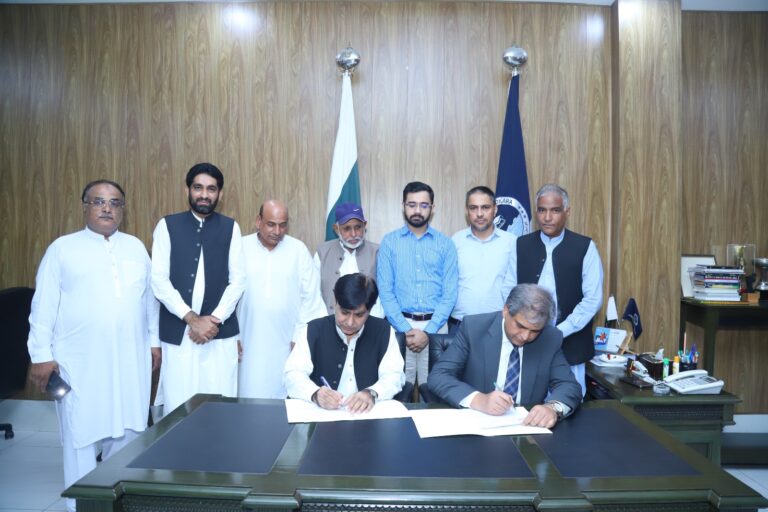
    ISLAMABAD: The federal government and the Sindh administration have agreed to launch a coordinated campaign to combat marine pollution, safeguard coastal ecosystems, and promote the sustainable growth of Pakistan’s blue economy. The decision was reached during a meeting between Federal Minister for Maritime Affairs Muhammad Junaid Anwar Chaudhry and Sindh Governor Kamran Tessori’s successor, Governor Nehal Hashmi, where both sides reviewed the growing environmental challenges facing the country’s coastline and discussed their impact on marine biodiversity, fisheries, coastal communities, and critical infrastructure. Speaking on the occasion, the maritime affairs minister said marine pollution had evolved into a major environmental, economic, and public health challenge. He noted that pollution was not only damaging coastal ecosystems but was also threatening livelihoods and economic activities dependent on marine resources. The minister said the Ministry of Maritime Affairs, through its Marine Pollution Control Board, was already implementing measures to address the issue and proposed a joint meeting with the Sindh government and relevant provincial departments to develop a comprehensive response. He identified the discharge of untreated sewage into the sea as one of the most serious threats to Pakistan’s marine environment, warning that the continuous release of wastewater was harming mangrove forests, fish habitats, coral ecosystems, and other sensitive coastal resources. Emphasizing the importance of environmental conservation, he said protecting marine ecosystems was essential for ensuring the long-term sustainability of the country’s blue economy. Governor Nehal Hashmi described marine pollution as a growing public health concern, particularly for residents of Karachi’s coastal communities, who face increasing health risks due to contaminated seawater. He stressed the need for stronger coordination among federal, provincial, and local authorities to improve wastewater management and prevent untreated sewage from reaching the sea. The meeting concluded with both sides agreeing to strengthen institutional coordination and jointly formulate long-term strategies aimed at reducing marine pollution, preserving coastal ecosystems, and supporting sustainable economic development through a healthier marine environment.

  • | | |

    NCCIA Punjab arrests 4 in cybercrime crackdown

    LAHORE: The National Cyber Crime Investigation Agency (NCCIA) Punjab has arrested four suspects during coordinated enforcement operations conducted in Lahore and Multan as part of its ongoing campaign against serious cybercrime. The cases involve the alleged trafficking of Child Sexual Abuse Material (CSAM), online harassment of a minor, cyber blackmail, and the unlawful sharing of intimate digital content. In the most significant operation, NCCIA investigators in Lahore arrested a suspect accused of possessing and distributing Child Sexual Abuse Material, including illegal content depicting the sexual abuse of children and animals. According to investigators, the material was allegedly circulated through online platforms for commercial purposes. Mobile devices and other electronic evidence were seized during the operation and have been sent for forensic examination. Investigators are working to identify additional victims, trace the origin of the material, and determine whether other individuals were involved. Child Sexual Abuse Material is regarded worldwide as one of the most serious forms of online criminal exploitation. The production, possession, distribution, or sale of such material is treated as a major criminal offence by law enforcement agencies across the globe. In a separate operation in Lahore, NCCIA officers arrested another suspect accused of using social media to harass and intimidate a minor. Investigators collected digital evidence that will form part of the continuing criminal investigation. In Multan, two additional suspects were taken into custody in separate investigations involving the alleged blackmail of female victims through private photographs and videos. Investigators allege that the suspects used WhatsApp and other online platforms to issue threats and unlawfully share sensitive digital content. Electronic devices and other evidentiary material were recovered during the operations, and forensic analysis is continuing. Director NCCIA Punjab Muhammad Ali Wasim said the agency will continue to pursue individuals involved in child exploitation, cyber extortion, online harassment, and related offences. He said crimes involving Child Sexual Abuse Material demand an immediate and uncompromising law enforcement response because of the serious harm they inflict on children. He also encouraged parents and members of the public to remain alert, supervise children’s online activity, and promptly report suspected cybercrime so that timely legal action can be taken.

  • | | |

    Pakistan backs Iran-US dialogue, Hormuz progress k…

    ISLAMABAD: Pakistan has expressed hope that progress on the Strait of Hormuz issue will create momentum for renewed dialogue between Iran and the United States, reaffirming its commitment to supporting diplomatic efforts aimed at easing tensions in the region. Speaking at the weekly media briefing on Thursday, Foreign Office spokesperson Tahir Andrabi said Pakistan expects the implementation of the Islamabad Reconciliation Framework to advance through consensus on the Strait of Hormuz, paving the way for technical-level talks between Tehran and Washington. He said Pakistan supports the resumption of negotiations between Iran and the United States and will continue to play a constructive diplomatic role alongside regional partners. According to the spokesperson, Pakistan, Qatar, Oman, and other friendly countries remain engaged in coordinated efforts to promote peace and stability, with Oman playing a particularly positive role in efforts related to the Strait of Hormuz. Andrabi also confirmed that Iran’s foreign minister has been invited to visit Pakistan, while noting that the National Assembly Secretariat would clarify whether an invitation has also been extended to the Speaker of the Iranian Parliament. On the situation in Gaza, the spokesperson said lasting peace requires not only the disarmament of Hamas but also Israel’s withdrawal from the occupied territories. He stressed that Israel must fulfill its international obligations and end its military presence in Gaza. Responding to questions about the possible deployment of an international peacekeeping force in Gaza, Andrabi said it was too early to discuss such a proposal. He added that Pakistan would examine any formal plan if it is presented through appropriate international channels. Commenting on political developments in Bangladesh, the spokesperson reiterated that Pakistan does not interfere in the internal affairs of other countries and declined to comment on statements made by Bangladesh’s former prime minister. He also strongly condemned recent attacks on commercial vessels in the Bab el-Mandeb Strait, describing them as violations of international law and threats to maritime security. Andrabi reaffirmed Pakistan’s commitment to supporting the safety of global trade routes and said defense cooperation between Pakistan and Saudi Arabia would continue.

  • | | | |

    Pakistan’s blasphemy cases hit record low

    Pakistan has witnessed a significant decline in registered blasphemy cases this year following a crackdown on hardline religious groups, signalling what analysts describe as a major shift in the country’s security policy. According to figures cited by the Human Rights Commission of Pakistan (HRCP), only 13 blasphemy cases have been registered so far in 2026, marking a fall of nearly two-thirds compared with the same period in recent years. Data from conflict monitoring organisation ACLED also indicates that only one blasphemy-related riot or attack has occurred over the past year, compared with an annual average of more than seven incidents between 2021 and 2024. The decline comes after security agencies intensified action against several extremist organisations accused of exploiting blasphemy allegations to incite violence. Officials familiar with the matter said the campaign has included arrests of key figures, restrictions on organisational activities, freezing of financial assets and tighter monitoring of religious gatherings. The change was evident during an incident in Karachi last month, where allegations of blasphemy against a Christian family drew a large crowd. Police officers intervened before the situation turned violent and persuaded protesters to disperse peacefully. Authorities later determined that the accusations against the family were baseless, allowing them to be moved to safety without further harm. Analysts believe the reduced presence of organised extremist groups has played a key role in preventing mob violence that has historically followed blasphemy accusations. Pakistan has witnessed around 90 blasphemy-related lynchings since 1990, with many incidents beginning after rumours spread through local communities. Security experts say the military leadership has adopted a tougher stance against groups previously accused of using religious sentiments to mobilise supporters and pressure governments. They argue the policy shift is linked to broader efforts to strengthen Pakistan’s international image, attract foreign investment and improve relations with Western countries while tackling growing security threats at home. Officials also believe that curbing religious extremism is necessary to address worsening militancy in Balochistan and Khyber Pakhtunkhwa, where insurgent violence continues to challenge the state’s authority. Some analysts say extremist organisations and militant groups have historically drawn support from similar networks of radicalised youth. The country’s largest hardline religious party, Tehreek-e-Labbaik Pakistan (TLP), was banned last year after authorities concluded that its activities posed a threat to public order and Pakistan’s international reputation. Government measures reportedly included detaining senior leaders, sealing offices and restricting financial operations. The party has rejected the ban, calling it unconstitutional. Despite the decline in violence, observers caution that extremist ideology remains deeply rooted in parts of society. Human rights advocates say minority communities, including Christians, Ahmadis and Shia Muslims, continue to live under the fear of false accusations, as Pakistan’s blasphemy laws remain in force and carry the death penalty. Security analysts also warn that sustained enforcement will be necessary to prevent banned organisations from regrouping or resurfacing under new identities. They argue that long-term success will depend on consistent policies rather than temporary crackdowns.

  • | | | |

    HRCP, PFUJ slam new foreign media rules

    The Human Rights Commission of Pakistan (HRCP) and the Pakistan Federal Union of Journalists (PFUJ) have strongly criticised the government’s newly introduced Foreign Media Facilitation Guidelines 2026, describing the policy as a serious threat to press freedom and independent journalism. The criticism comes after the Ministry of Information and Broadcasting reminded foreign media organisations that journalists must obtain prior government approval before carrying out reporting assignments outside Islamabad, Lahore and Karachi under the revised External Publicity Guidelines. The ministry issued the reminder following concerns over international coverage related to Azad Jammu and Kashmir. In a statement, the HRCP said the new guidelines could discourage independent reporting on issues of public interest instead of facilitating journalistic work. The commission expressed concern that the policy reflects an increasing trend of restrictions on media freedom, including tighter controls on reporting and growing administrative hurdles for journalists. According to the rights body, requiring official permission before reporting from many parts of the country could create an atmosphere where critical journalism is discouraged. It urged the government to withdraw the new measures and ensure protection of freedom of expression in line with constitutional guarantees and international commitments. The PFUJ also condemned the notification, calling it a direct attack on press freedom. The journalists’ union argued that the policy not only limits the movement of foreign correspondents but also places restrictions on Pakistani journalists working for international media organisations. PFUJ President Afzal Butt and Secretary General Arshad Ansari questioned how journalists would be able to perform their professional responsibilities if access to large parts of the country is restricted. They warned that the policy could affect Pakistan’s international reputation and further weaken its standing in global press freedom rankings. The union also expressed concern that Pakistani journalists employed by foreign media organisations could face job losses if they are prevented from reporting from different regions of the country.