International

  • | |

    FIFA President Gianni Infantino withdraws FIFA forward enterprise proposal

      FIFA President Gianni Infantino has officially announced the withdrawal of the proposed FIFA Forward Enterprise initiative after facing significant opposition from stakeholders, saying the project no longer serves the best interests of global football. In an official statement, Infantino confirmed that the FIFA Forward proposal has been formally abandoned and that no further work or discussions will be carried out regarding the initiative. “The FIFA Forward project has officially come to an end, and there will be no further progress on the proposals,” Infantino said. According to the FIFA president, the plan—which was linked to broader investment ideas surrounding the FIFA World Cup—had become increasingly divisive within the international football community. Rather than bringing football stakeholders together, the proposal had created disagreement among member associations and other interested parties. Infantino acknowledged that the growing differences of opinion convinced FIFA’s leadership that continuing with the project would not benefit the sport. “The World Cup investment proposal has led to divisions within football, and it is no longer in the game’s best interests to continue pursuing it,” he stated. He emphasized that the FIFA Forward Enterprise initiative was always intended to move forward only if it received the support of a clear majority of FIFA’s member associations. Since that level of consensus was no longer evident, FIFA decided to discontinue the proposal altogether. “The project was always dependent on the backing of the majority of FIFA’s member countries,” Infantino explained. “After carefully listening to the views and concerns expressed by all parties involved, we have concluded that the proposal should not proceed.” The FIFA president stressed that the decision reflected the organization’s commitment to consultation, transparency, and unity within world football. He said FIFA had taken into account the opinions of national football associations, confederations, and other stakeholders before reaching its final conclusion. Infantino reiterated that FIFA’s primary objective has always been to strengthen the global game rather than create unnecessary disagreements. “Our mission has always been to promote unity and improve football around the world,” he said. “That commitment remains unchanged, and we believe this decision is in the best interests of the sport.” Looking ahead, Infantino expressed hope that all stakeholders would once again work together to address the challenges facing international football. He said FIFA intends to bring all relevant parties back to the negotiating table to explore new ideas and initiatives that enjoy broader support across the football community. “We will continue engaging with all stakeholders to find common ground and develop solutions that benefit football globally,” he said. Despite shelving the FIFA Forward Enterprise proposal, Infantino assured member associations that FIFA remains fully committed to supporting football development, particularly in countries where additional investment and infrastructure are needed. He emphasized that expanding access to the sport, improving facilities, and creating opportunities for young players around the world will remain central to FIFA’s long-term strategy. “Our mission to promote and develop football in countries that need greater support will continue,” Infantino concluded. “We remain committed to investing in the future of the game and ensuring that football continues to grow in every region of the world.” The decision marks a significant shift in FIFA’s strategic planning and underscores the organization’s willingness to reconsider major initiatives when they fail to achieve broad consensus among its global membership.
  • |

    Bodies of 14 Afghan migrants recovered in Southwestern desert While attempting to reach Iran

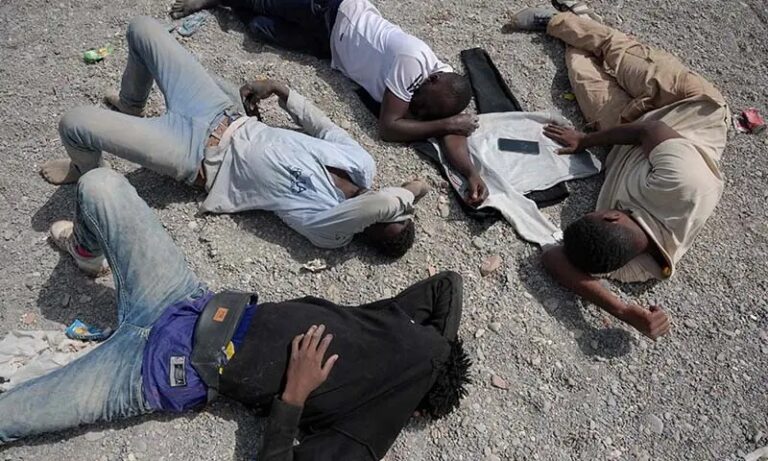
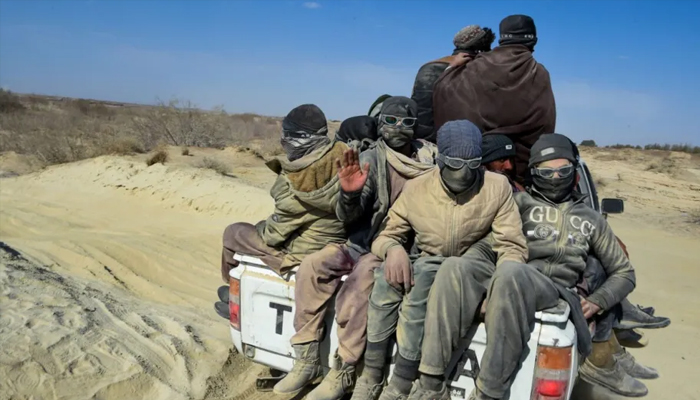
    The bodies of 14 Afghan migrants have been recovered from the desert in southwestern Afghanistan after they reportedly died while attempting to cross into neighboring Iran, according to local authorities. Officials said the victims had been missing for several weeks after setting out on an overland journey toward the Iranian border. The group was traveling by vehicle through the remote desert region when their transportation reportedly broke down, forcing them to continue the journey on foot under extremely harsh conditions. According to media reports, the search for the missing migrants began in Afghanistan’s Nimroz province after the driver of the vehicle managed to reach a nearby village in a state of severe exhaustion and dehydration. The driver reportedly sought emergency assistance and informed local residents and authorities that several passengers had been left stranded in the desert. Rescue teams were subsequently dispatched to search the area. During the initial operation, authorities recovered the bodies of five people. Search efforts then continued for the remaining members of the group who had attempted to continue their journey on foot after the vehicle became inoperable. On Saturday, local officials confirmed that the bodies of an additional 14 migrants had been discovered buried beneath the sand in the remote desert, bringing a tragic end to the search operation. Hospital sources in the region said the victims had likely succumbed to the extreme heat, dehydration, and exhaustion after becoming stranded without adequate food, water, or shelter. The exact cause of death is expected to be confirmed following official examinations. Nimroz province, which borders Iran, is one of Afghanistan’s hottest and driest regions. During the summer months, temperatures frequently reach around 45 degrees Celsius (113 degrees Fahrenheit), creating life-threatening conditions for anyone traveling across its vast desert landscape without sufficient supplies. The province has long served as one of the main transit routes for Afghans attempting to migrate to Iran in search of employment, economic opportunities, or a better future. Many migrants rely on human smuggling networks to organize dangerous journeys across isolated desert areas, exposing them to significant risks, including extreme weather, dehydration, and abandonment. Fatal incidents involving migrants are not uncommon along these routes, particularly during periods of intense summer heat. Humanitarian organizations have repeatedly warned about the dangers associated with irregular migration through remote border regions, where access to rescue services is limited and survival can quickly become impossible if travelers become stranded. Following the latest tragedy, Afghan authorities reaffirmed their commitment to combating human smuggling networks operating inside the country. In a statement carried by Afghanistan’s national broadcaster, Interior Ministry spokesperson Abdul Mateen Qani said security agencies would continue their operations against individuals and criminal groups involved in facilitating illegal migration. “Our authorities remain fully committed to continuing operations against human trafficking and smuggling networks,” Qani said, emphasizing that efforts to dismantle these criminal organizations would continue. The discovery of the victims has once again highlighted the desperate circumstances that drive many Afghans to undertake perilous journeys across some of the world’s most unforgiving terrain. It also underscores the continuing humanitarian challenges facing the country, where economic hardship and limited opportunities continue to push many people toward dangerous migration routes despite the potentially fatal consequences.

  • | | |

    US embassy alerts citizens over worsening security…

    The United States has issued a fresh security advisory for its citizens across the Middle East, urging them to remain vigilant and be prepared for possible evacuation as regional tensions continue to rise. The warning comes amid growing concerns over the security situation, with US officials cautioning that conditions could deteriorate without notice. Through its embassies in Israel, Bahrain, Iraq, Jordan, Kuwait, Lebanon, Oman, Qatar, Saudi Arabia, and the United Arab Emirates, the US government advised American citizens to consider leaving the region if it is safe to do so or to be ready for immediate departure should the security environment worsen. According to the advisory, the current instability has increased the risk of unexpected security incidents, flight disruptions, and temporary airspace closures. Travelers were warned to expect airline cancellations, delays, and changes to flight schedules, and to remain informed through official sources and their airlines before making travel plans. The US Embassy in Oman noted that several airlines have delayed the resumption of scheduled services, while others have canceled flights on specific routes due to the evolving regional situation. Americans in the region were encouraged to review their travel plans and prepare for rapid evacuation if circumstances require. The advisory also urged US citizens outside the Middle East to carefully reconsider any plans to travel to the region or transit through it. Travelers were advised to monitor the latest airport and airline updates before departure and remain aware of changing security conditions. US officials warned that American diplomatic facilities, businesses, and other interests have previously been targeted during periods of heightened regional tension. The statement added that threats to US interests could extend beyond the Middle East and emphasized that areas previously considered safe may also face increased risks. The US Embassy in Jordan specifically advised American citizens to avoid visiting military installations and to stay informed through local government alerts, including emergency sirens and public safety announcements. Citizens were encouraged to follow instructions from local authorities and regularly check updates from the US Embassy. As part of the advisory, Americans were also instructed to avoid demonstrations, large public gatherings, and areas with a heavy security presence. They were encouraged to maintain a low profile, monitor local media, and remain alert at all times. The State Department further recommended enrolling in the Smart Traveler Enrollment Program (STEP), which enables the US government to provide security updates and facilitate communication with citizens during emergencies.

  • | | |

    Pakistan stands with Nepal after broad peak avalan…

    Pakistan has expressed solidarity with Nepal following the tragic avalanche on Broad Peak in the Karakoram mountain range, where members of an international mountaineering expedition were caught in a deadly snow slide. Prime Minister’s Adviser on Inter-Provincial Coordination, Senator Rana Sanaullah, said Pakistan shares the grief of the Nepalese people and remains committed to supporting rescue efforts. According to Rana Sanaullah, the avalanche struck a team of 10 international climbers attempting to scale Broad Peak. The expedition included six climbers from Nepal, along with mountaineers from Pakistan, the United States, China, and Oman. He said the Government of Pakistan immediately prioritized search and rescue operations after the incident. So far, the bodies of four climbers have been recovered, including Nepalese mountaineer Pur Bahadur Gurung. Rescue teams continue to search for the remaining missing climbers despite difficult terrain and severe weather conditions. Rana Sanaullah stated that the Pakistan Army and other relevant agencies are carrying out extensive rescue operations using helicopters, drones, and all available resources. He noted that challenging weather and the remote mountainous landscape have made rescue efforts extremely difficult, but authorities remain fully committed to locating the missing climbers. The adviser explained that search teams are utilizing GPS tracking, aerial surveillance, and ground search missions to maximize the chances of finding those still unaccounted for. He emphasized that rescue operations will continue without interruption until every possible effort has been exhausted. Expressing condolences to the families of the victims, Rana Sanaullah said Nepalese climbers, along with other international mountaineers, are highly respected in Pakistan for their contributions to global mountaineering. He added that Pakistan values its long-standing friendship with Nepal and stands with the families affected by the tragedy during this difficult time. He further reaffirmed that the government will continue to deploy all available resources until the search mission is completed. Pakistan, he said, remains committed to assisting the international climbing community and ensuring that every effort is made to locate the missing members of the expedition. The Broad Peak avalanche has once again highlighted the dangers of high-altitude mountaineering in the Karakoram, where unpredictable weather, avalanches, and challenging terrain continue to pose significant risks even to experienced climbers. Authorities have pledged to maintain rescue operations while closely monitoring weather conditions to ensure the safety of rescue personnel.

  • | |

    Explosion reported near oil tanker off Oman coast,…

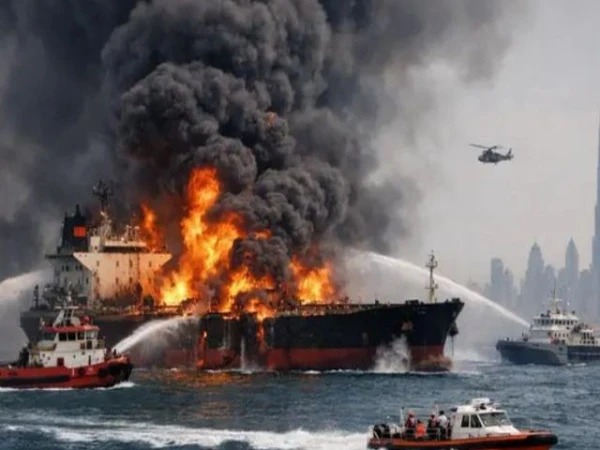
    A powerful explosion was reported near a commercial oil tanker off the coast of Oman on Saturday, raising fresh concerns about maritime security in one of the world’s most strategically important shipping routes. Authorities have launched an investigation into the incident, while no casualties or damage have been reported so far. According to the United Kingdom Maritime Trade Operations (UKMTO), a commercial vessel reported hearing a loud explosion followed by a large splash in the water near its location. The incident occurred approximately 21 nautical miles (39 kilometers) northeast of Khasab, Oman, close to the Strait of Hormuz. Initial reports indicate that the explosion took place near the tanker rather than on board the vessel. The ship continued its voyage without reporting any structural damage, and there have been no reports of injuries among the crew. In an official advisory, UKMTO confirmed that the cause of the explosion remains unknown and that investigations are ongoing. Authorities have not identified the source of the blast or determined whether it was the result of an accident, a security incident, or another cause. Following the incident, UKMTO urged all commercial and cargo vessels operating in the Strait of Hormuz and surrounding waters to exercise extreme caution. Ship operators were advised to immediately report any suspicious activity, explosions, or security threats to the relevant maritime authorities. The Strait of Hormuz is one of the world’s busiest and most strategically significant maritime chokepoints, serving as a vital route for global oil and liquefied natural gas exports. Any security incident in the area is closely monitored by governments, shipping companies, and energy markets because of its potential impact on international trade and energy supplies. The reported explosion comes at a time of heightened tensions across the Middle East, with regional security concerns continuing to affect maritime operations. Although no link has been established between the blast and any ongoing geopolitical developments, the incident has renewed attention on the safety of commercial shipping in the Gulf region. Maritime authorities are expected to release further details once the investigation progresses. Until then, vessels navigating the area have been advised to remain alert, follow official guidance, and maintain close communication with regional maritime security agencies.

  • | | |

    US General warns more warships are needed to defen…

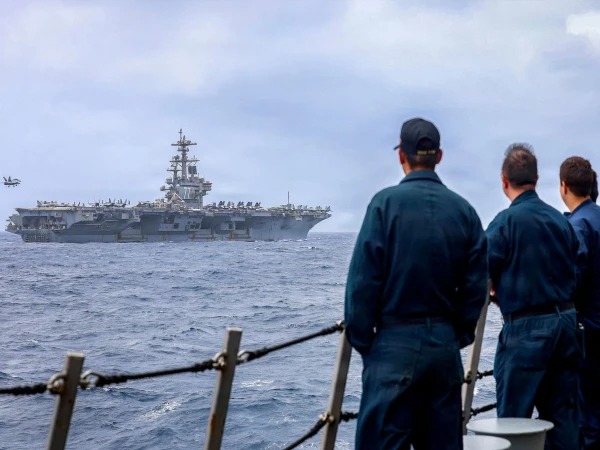
    A senior US military commander has reportedly warned the Pentagon that without additional naval resources, the United States may be forced to prioritize its own national defense over the defense of Israel. The reported warning underscores the growing strain on American military capabilities amid the ongoing conflict involving Iran. According to a report by The Washington Post, General Alexus Grynkewich, the top US military commander in Europe, informed Pentagon officials this week that the number of US Navy destroyers currently available is insufficient to continue defending Israel against ballistic missile threats while maintaining broader US security commitments. The report states that General Grynkewich submitted a written assessment to senior Pentagon leaders, warning that unless another guided-missile destroyer is assigned to his command, he may have no choice but to give priority to defending the United States rather than supporting Israel’s missile defense. US defense officials quoted in the report said the message reflects a long-standing military practice in which commanders notify the Pentagon when operational demands begin to exceed available resources. Such assessments are intended to help civilian and military leaders make decisions about force allocation and strategic priorities. The reported warning comes as the conflict involving Iran has placed increasing pressure on US military assets over the past several months. Continuous naval operations, missile defense missions, and regional security responsibilities have stretched the availability of key warships and other defense resources. US Navy destroyers stationed in the eastern Mediterranean have played a significant role in supporting Israel’s defense by helping intercept ballistic missiles and other aerial threats. Equipped with advanced radar systems and missile defense capabilities, these vessels have also been used to counter attacks launched by Iran-backed Houthi forces operating from Yemen. The report noted that US European Command is responsible for coordinating military operations across Europe and the Mediterranean while also maintaining readiness to respond to potential security challenges involving NATO allies. Balancing these commitments with operations in the Middle East has become increasingly difficult as demand for naval assets continues to grow. Despite plans to expand the US naval presence in Europe with an additional destroyer later this year, officials reportedly remain concerned about maintenance requirements and operational fatigue affecting the existing fleet. The report also said additional US naval forces, including aircraft carriers and multiple destroyers, remain deployed in the Arabian Sea and the Red Sea to support regional operations and safeguard commercial shipping routes. The reported warning highlights the strategic challenges facing US defense planners as they seek to balance commitments to allies with broader national security priorities amid rising tensions in the Middle East

  • | | |

    Thousands of migrants leave Spain’s Ceuta after …

    Thousands of migrants have returned to Morocco after spending several days in Spain’s North African enclave of Ceuta following one of the largest attempted border crossings in the territory’s history. Many migrants said they left because of hunger, exhaustion, and disappointment after finding limited support and few opportunities in Ceuta. Spanish soldiers and Civil Guard officers guided groups of migrants back toward the Moroccan border crossing on Saturday. Many of those returning were young men who appeared physically exhausted after days of wandering through the city with little food or shelter. Some were barefoot, while others carried Red Cross blankets after receiving emergency assistance. Among those returning was 23-year-old Abdel Latif, who said he had hoped to find work and a better future in Europe. He explained that unemployment in Morocco pushed him to attempt the dangerous journey, but he decided to leave Ceuta after struggling to find food and support. The massive influx saw tens of thousands of migrants enter Ceuta over a period of two to three days. Local officials estimated that around 60,000 people reached the enclave, while Spain’s Interior Ministry reported a lower figure. The surge created a major humanitarian and political challenge for Spanish authorities. Many migrants attempted to reach Ceuta by swimming around border barriers in the Mediterranean Sea. Several people collapsed after completing the dangerous crossing, with Red Cross teams providing emergency treatment. At least dozens of migrants reportedly died while attempting to reach the Spanish territory. Spanish officials said that the majority of those who entered Ceuta had already returned to Morocco. Authorities have increased security measures along the maritime border, including the installation of floating barriers to prevent further crossings. Ceuta, home to around 84,000 residents, is one of only two European land borders located in Africa, along with Melilla. The territory has long been a major destination for migrants hoping to enter Europe in search of employment and improved living conditions.   Many migrants said their motivation was driven by economic hardship. Some described difficult working conditions and low wages in Morocco, saying they were searching for stability and better opportunities. Meanwhile, daily life in Ceuta has gradually returned to normal, with shops reopening and traffic resuming after the disruption caused by the migrant surge. However, some residents remain concerned about future migration pressures, while others say security improvements have restored a sense of stability. The latest events have once again highlighted the complex challenges facing Europe and North Africa in managing migration, border security, and humanitarian needs.

  • | |

    Iran warns of global fallout from attacks on infrastructure

    Iranian Supreme Leader Ayatollah Seyyed Ali Khamenei’s senior adviser, Mohammad Mokhber, has issued a strong warning that any attack on Iran’s critical infrastructure could trigger consequences far beyond the immediate military confrontation and potentially threaten the broader international order dominated by the United States and its Western allies. In a statement, Mokhber said the United States approached conflicts primarily through the lens of military power and strategic calculations, while Iran, in his view, responded according to what he called the “logic of history.” He argued that Tehran’s response to any attack would not necessarily remain confined to conventional military targets or the battlefield. Mokhber warned that strikes against Iranian infrastructure could have significant political, economic and geopolitical repercussions. He claimed that such attacks could destabilise the wider international system and challenge the global order that Western powers had developed over the past 250 years. According to the senior adviser, Iran would view attacks on its infrastructure as a major escalation rather than an isolated military action. He suggested that any attempt to damage Iran’s essential infrastructure could produce consequences across multiple areas, potentially affecting global economic networks, international trade and the strategic balance between major powers. Mokhber further argued that the current global system depends on several key pillars, including political leadership, economic institutions and international markets. He warned that if these pillars were seriously weakened or collapsed, the consequences would extend well beyond the countries directly involved in a conflict. He said that once the foundations of what he described as the existing global order begin to break down, there would be no stable command centre for its leadership and no functioning market structure to support what he characterised as the exploitation of global resources. His remarks appeared to suggest that Iran could seek to challenge the wider systems that support US influence if its own territory and infrastructure came under attack. The warning comes amid heightened tensions between Iran and the United States and growing concerns about the possibility of a broader regional confrontation. Any direct strikes on critical infrastructure could increase the risk of further escalation and draw additional countries into the conflict, depending on the scale and nature of the response. Mokhber’s comments also reflect Tehran’s longstanding position that military pressure against Iran could produce consequences that extend beyond the immediate region. Iranian officials have repeatedly warned that attacks on the country could trigger responses affecting wider strategic and economic interests. At the same time, Mokhber’s statement presents Iran’s potential response as part of a broader geopolitical struggle over the future of the international system. By invoking the historical development of the global order, he sought to frame the issue not simply as a dispute between Iran and the United States but as a confrontation that could have implications for the existing balance of global power. His remarks are likely to attract attention amid continuing concerns over regional stability and the possibility that attacks on strategic infrastructure could lead to an unpredictable chain of events. While Mokhber did not provide specific details about what measures Iran might take, his warning conveyed a clear message that Tehran considers attacks on its infrastructure a red line with potentially far-reaching consequences. The statement underscores the growing importance of infrastructure and economic networks in modern conflicts, where the impact of military action can extend beyond traditional battlefields. Damage to energy facilities, transportation networks and other critical systems can affect national economies and international markets, making infrastructure attacks a particularly sensitive issue in periods of heightened geopolitical tension.

  • | |

    Saudi Crown Prince urges Trump to avoid escalation…

    Saudi Crown Prince Mohammed bin Salman has spoken by phone with US President Donald Trump, reportedly expressing concern over Washington’s plans for major military strikes against Iran. According to international media reports, the Saudi crown prince urged the US president to take steps to reduce tensions in the region and avoid further military action against Iran. The call comes amid growing fears that an escalation between Washington and Tehran could destabilize the wider Middle East and threaten regional security. During the conversation, Mohammed bin Salman reportedly emphasized the importance of pursuing diplomatic channels and finding ways to de-escalate the situation. Saudi Arabia has maintained close ties with the United States while also seeking to avoid a broader regional conflict that could affect the security and stability of Gulf countries. Reports indicate that Qatar, the United Arab Emirates, Türkiye, and Pakistan are also encouraging Washington to reduce tensions and seek a diplomatic solution. The countries have reportedly expressed concerns that any major escalation could have serious consequences for the region and potentially disrupt trade, energy supplies, and maritime routes. Meanwhile, diplomatic contacts appear to be continuing on multiple fronts. Qatari mediators have reportedly been in communication with Iran’s foreign minister, US special envoy Steve Witkoff, and Omani officials as efforts to prevent further escalation gather momentum. The diplomatic activity comes as concerns remain high over the security of the Strait of Hormuz, one of the world’s most strategically important maritime routes. A significant portion of global oil shipments passes through the waterway, making any disruption a major concern for international energy markets. Separately, a US-based website has claimed that negotiators have made some progress toward reaching an agreement aimed at reopening the Strait of Hormuz. However, details of the reported progress remain unclear, and there has been no confirmed announcement of a final agreement from the parties involved. The latest diplomatic efforts suggest that regional and international actors are increasingly pushing for negotiations to prevent the situation from developing into a wider conflict. Any breakthrough in talks could help ease tensions and reduce the risk of further military confrontation in the region.

  • |

     7 killed in India temple stampede

    At least seven people were killed and several others injured after a massive crowd triggered a stampede outside the Ashok Dham Temple in India’s Bihar state. According to Indian media reports, the incident occurred early Monday morning, the third Monday of the Hindu month of Sawan, when a large number of devotees gathered at the temple to offer prayers. District administration officials reached the scene shortly after the incident and began overseeing rescue efforts as well as measures to bring the crowd under control. Officials said the crowd outside the temple suddenly surged after two trains arrived in the area in the morning. The sudden influx placed heavy pressure on the barricades installed at the site, causing one section to collapse. Several people fell over one another, triggering panic and a stampede. Authorities said they had made arrangements in anticipation of a large turnout. However, the unexpected increase in the number of devotees quickly overwhelmed the arrangements and created a chaotic situation. Rescue teams immediately began evacuating the injured, with around 10 to 15 people initially taken to nearby hospitals for medical treatment. Indian media reports have also cited preliminary information suggesting that an electricity pole fell at the scene and some people may have suffered electric shocks. The incident reportedly caused further panic among the crowd and may have contributed to the subsequent stampede. Authorities are continuing to assess the situation and investigate the circumstances surrounding the deaths and injuries.