International

  • | | | |

    IRGC releases satellite images of US jets in Jordan

    Iran’s Islamic Revolutionary Guard Corps (IRGC) has released satellite images that it says show hangars housing US military aircraft at Jordan’s Al Azraq air base, escalating its information battle with Washington. The IRGC also called on the United States to end what it described as censorship and urged officials to provide the public with accurate information about the ongoing conflict. The release comes after the United States rejected an Iranian claim that its forces had destroyed US F-35 fighter jets. Iranian authorities had earlier claimed that three American fighter aircraft were destroyed at the Al Azraq air base in Jordan. In a statement, the IRGC said its forces had targeted three US F-35 aircraft stationed at the base. The claim has not been independently verified, while US officials have denied that Iran destroyed any American F-35s. By publishing the satellite imagery, the IRGC appears to be seeking to support its version of events and challenge the US account of the reported attack. However, the images alone do not independently confirm whether any aircraft were damaged or destroyed. The conflicting claims come amid heightened regional tensions and an ongoing exchange of accusations between Iran and the United States over military operations and attacks in the Middle East.

  • | |

    Hamas warns it may halt Gaza deal if Israel fails to comply

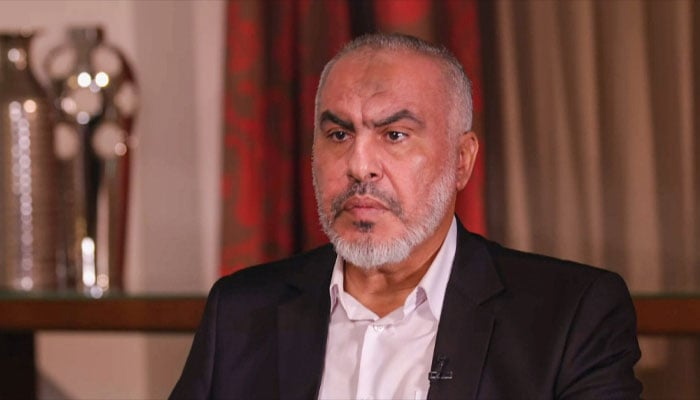
    Hamas negotiating team member Ghazi Hamad has warned that the group will not implement any stage of the Gaza peace agreement if Israeli forces fail to meet their obligations under the deal. Speaking to Arab media, Hamad described the negotiations as difficult and complex but said Hamas worked to reach a practical arrangement that could satisfy all parties. He stressed that Hamas would link its own commitments to Israel’s compliance with the agreement. According to media reports, the group’s disarmament process will also depend on the withdrawal of Israeli forces from Gaza and progress toward rebuilding the Palestinian territory. Israel has not yet issued an official response to the reported agreement. Meanwhile, the Board of Peace has welcomed the reported agreement on Hamas disarmament. The body, established to oversee transitional arrangements in post-war Gaza, said Hamas had formally agreed to a detailed roadmap for implementing the next phases of the ceasefire. In a statement posted on X, formerly known as Twitter, the Board of Peace said Hamas had, for the first time, agreed to a workable plan for disarmament, paving the way for an Israeli withdrawal from Gaza. The board said the agreement followed months of serious and good-faith negotiations aimed at advancing US President Donald Trump’s vision for Gaza. The proposed framework includes new governance, security arrangements, humanitarian assistance, reconstruction and economic recovery, in line with the broader peace plan and UN Security Council Resolution 2803. Hamas and other Palestinian armed groups have reportedly agreed to a document outlining a plan for disarmament in Gaza. Trump described the development as a historic step toward peace and security. Under the reported framework, negotiators will prepare a detailed roadmap for Hamas’s disarmament within 14 days. The international oversight body may extend the deadline if necessary, provided all parties agree and the monitoring mechanism approves the extension.

  • | | |

    Sri Lanka women beat Pakistan by six wickets in fi…

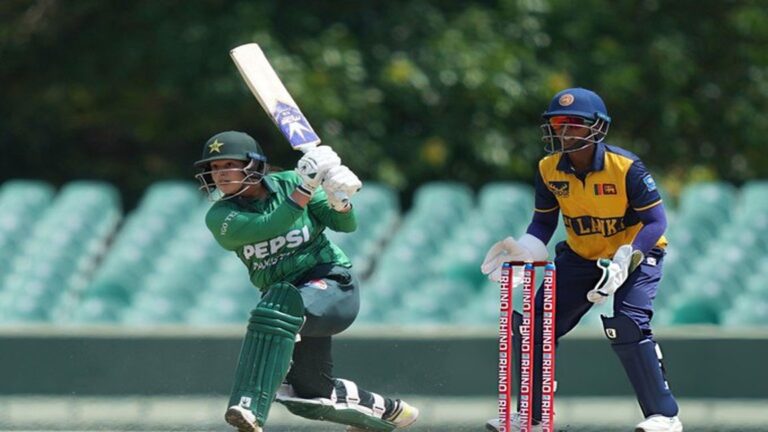
    Sri Lanka Women began their three-match T20 International series against Pakistan Women with an impressive six-wicket victory in the opening match played in Dambulla on Friday. After winning the toss and batting first, Pakistan Women posted a competitive total of 176 for 7 in their allotted 20 overs. The visitors produced an aggressive batting display, with key contributions from the top and middle order helping them set a challenging target of 177 runs. Despite the strong total, Sri Lanka Women responded confidently with an outstanding batting performance. The hosts maintained a steady scoring rate throughout the innings and successfully chased down the target in just 19 overs, losing only four wickets in the process. Sri Lanka’s batters dominated the chase with positive stroke play and well-built partnerships, keeping the required run rate under control from the outset. Pakistan’s bowlers struggled to make regular breakthroughs as the home side continued to build momentum and eventually crossed the finish line with an over to spare. The victory gives Sri Lanka a 1-0 lead in the three-match T20I series and provides the hosts with early momentum heading into the remaining fixtures. Pakistan, meanwhile, will look to regroup and improve its bowling performance in the second T20 as it aims to level the series. Although Pakistan’s batting unit delivered a competitive total, the team was unable to defend it against Sri Lanka’s disciplined and attacking batting approach. The result highlights the strength of Sri Lanka’s batting lineup and sets the stage for an exciting contest in the upcoming matches. With two games still to be played, the series remains open, and both teams will be eager to secure crucial victories. Pakistan Women will focus on tightening their bowling and fielding, while Sri Lanka Women will aim to continue their winning form and wrap up the series. Cricket fans can expect another competitive encounter as the two sides meet in the second T20, with Pakistan looking to bounce back and Sri Lanka seeking to extend its lead in the series.

  • | | |

    Shooting outside York mosque sparks investigation,…

    A 44-year-old man has been arrested following a shooting incident outside York Mosque and Islamic Centre in the city of York, North Yorkshire, England. Police confirmed that no one was injured in the incident, while an investigation into the circumstances surrounding the incident is underway. According to British media reports, the firing took place outside the mosque located on Bull Lane in York on Thursday. Following the incident, North Yorkshire Police arrested a local white British man in connection with the alleged shooting. Police officials said the weapon used in the incident is believed to have been an air weapon, similar to an air gun. Authorities traced the suspect after he reportedly left the scene in a silver-coloured vehicle and later took him into custody for questioning. The suspect remains in police custody as officers continue their investigation. Police have not yet confirmed the motive behind the incident and stated that it would be too early to draw conclusions about the reasons behind the concerning event. North Yorkshire Police assured the Muslim community in York that every effort is being made to establish the full circumstances and identify the factors that led to the incident. Authorities said additional patrols will continue in the area around the mosque, particularly during prayer times when worshippers gather. Police officials also said officers would meet with the mosque’s imam as part of efforts to provide reassurance and maintain community safety. The authorities emphasized that the safety of residents and worshippers remains a priority during the ongoing investigation. Investigators have appealed to witnesses and members of the public who may have relevant information to come forward. People with CCTV footage, mobile recordings, or dashcam footage from the area have been requested to share any material that could assist the investigation. The incident has raised concerns among members of the local Muslim community, although police have stressed that the investigation is still at an early stage. Authorities continue to examine all available evidence to determine the motive and circumstances behind the shooting. North Yorkshire Police have urged anyone with information related to the incident to contact them or provide details through Crime Stoppers to help officers complete their investigation.

  • |

    Hamas agrees to disarm as Gaza peace plan gains momentum

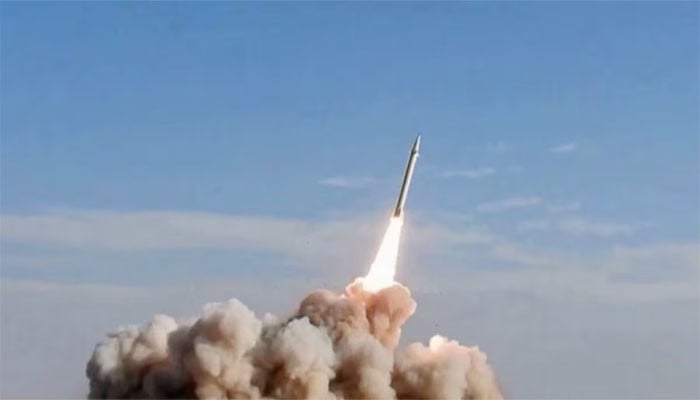
      A significant breakthrough appears to have been achieved in efforts to end the conflict in Gaza, although many challenges remain before lasting peace and recovery can become a reality. According to reports, Hamas has accepted a key proposal presented by international mediators, agreeing in principle to surrender its heavy weapons if Israeli forces completely withdraw from the Gaza Strip. The development has been described as an important step in a broader 20-point peace framework aimed at ending months of violence and creating conditions for rebuilding the war-ravaged territory. Despite this progress, several major issues remain unresolved. One of the biggest questions concerns who will take control of Hamas’s heavy weapons once they are surrendered. The agreement has yet to clarify whether an international peacekeeping force, a regional authority, or another body will oversee the disarmament process. Another critical issue is the sequence of implementation. It is still unclear whether Hamas will be expected to disarm before Israeli troops leave Gaza or whether both actions will occur simultaneously. The timeline is considered one of the most sensitive parts of the agreement because each side wants guarantees that the other will fulfill its commitments. Israeli officials have maintained a firm position on the matter. A senior Israeli official stated that the Israel Defense Forces (IDF) would not withdraw from the current military positions, known as the Yellow Line, unless Hamas undergoes what Israel considers genuine and verifiable disarmament. This stance highlights the deep mistrust that continues to exist between the two sides despite the latest diplomatic progress. Meanwhile, US President Donald Trump expressed optimism about the reported agreement while speaking at Camp David. He described Hamas’s decision as “a big step for the Middle East” and acknowledged that the situation remains extremely complicated. Trump suggested that while the agreement is encouraging, its success will ultimately depend on careful implementation and continued international engagement. For the people of Gaza, who have endured years of conflict, destruction, and humanitarian suffering, the agreement offers a rare sense of hope. Although the proposed deal will not immediately restore homes, hospitals, schools, or other essential infrastructure destroyed during the war, it could provide the foundation for a more stable future. If both parties fully implement the agreement, humanitarian organisations may be able to deliver significantly greater amounts of aid to civilians. The plan could also create opportunities for reconstruction projects, restore basic public services, and gradually re-establish more stable civilian governance across Gaza. However, the success of the peace initiative will depend on more than Hamas’s willingness to disarm. Israel will also need to fulfill its commitments, including the agreed military withdrawal, if the process is to move forward. Equally important will be the role of international mediators, who must ensure that both sides carry out their obligations at the same time. Previous ceasefire and peace agreements have frequently collapsed because of delays, disagreements, and mutual accusations of non-compliance. While many uncertainties remain, the latest development represents one of the most promising diplomatic openings in recent months. If implemented in good faith by all parties, it could become a decisive turning point, bringing Gaza closer to peace, humanitarian recovery, and long-term stability after years of devastating conflict.

  • |

    Saudi Arabia says It seeks strong ties with Iraq

      Riyadh:A senior Saudi government official has reaffirmed the Kingdom’s commitment to maintaining strong and friendly relations with Iraq, stressing that recent airstrikes carried out in Iraqi territory were directed solely at armed militia groups and not at the Iraqi government or its people. According to Arab media reports, the official said Saudi Arabia values its relationship with Iraq and remains committed to strengthening cooperation between the two neighboring countries. He emphasized that the military operation was not intended to undermine Iraq’s sovereignty or harm its citizens, but was instead a response to growing security threats posed by armed militias operating inside the country. The Saudi official stated that the airstrikes specifically targeted the military capabilities of armed militia groups that the Kingdom believes have threatened Saudi national security. He alleged that these militias had launched attacks against key Saudi civilian infrastructure and important economic facilities, including petroleum installations that are vital to the country’s economy. According to the statement, the military operation was carefully planned and limited to militia weapons depots and military storage facilities. Saudi Arabia maintained that these locations were being used to store weapons and launch attacks against strategic sites inside the Kingdom. The official added that the response came only after several months of restraint and patience, during which Saudi authorities had sought to avoid military escalation. The official further accused the militia groups of harming not only Saudi Arabia’s security but also Iraq’s own national interests. He argued that these organizations have damaged Iraq’s relationships with neighboring Arab and Islamic countries by using Iraqi territory and resources as a base for hostile activities against other states. He also claimed that the militias have attempted to weaken Iraq’s diplomatic standing by drawing the country into regional conflicts. According to the Saudi government, the actions of these armed groups threaten regional stability and undermine efforts to promote peace, security, and economic cooperation across the Middle East. Saudi Arabia reiterated that its objective is to protect its national security while preserving positive relations with the Iraqi government. The official emphasized that Riyadh supports Iraq’s sovereignty, stability, and development, and hopes to continue working with Baghdad to address common security challenges through cooperation and dialogue. The statement comes after military strikes carried out on July 29, when United States and Saudi forces reportedly targeted sites linked to alleged Iranian-backed militias in Iraq. According to available reports, the attacks resulted in the deaths of 20 people and left 32 others injured. The strikes have intensified regional tensions and drawn widespread international attention, with concerns growing over the possibility of further escalation in the region. The incident has once again highlighted the complex security situation in Iraq, where various armed groups continue to operate alongside government forces. Regional analysts warn that continued military confrontations could further destabilize the country and increase tensions between regional powers. While Saudi Arabia insists that the operation was a defensive measure aimed solely at preventing future attacks, the developments underscore the fragile security environment in the Middle East. The Kingdom has expressed hope that cooperation with Iraq and other regional partners will help address shared security concerns while preventing further violence and preserving stability throughout the region.

  • |

    Oil tanker attacked off Oman coast

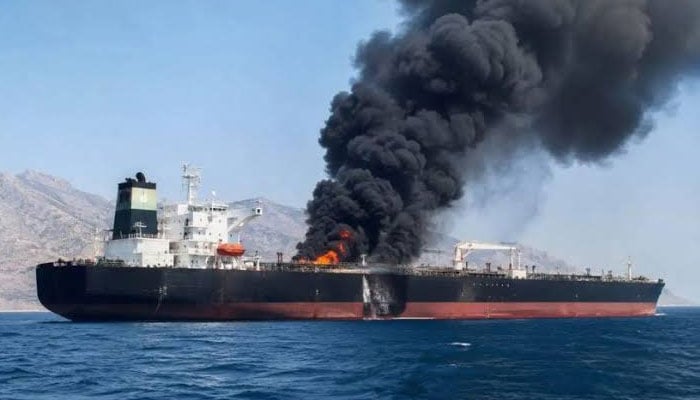
    An oil tanker came under attack from an unidentified weapon off the coast of Oman, according to the United Kingdom Maritime Trade Operations (UKMTO). The incident occurred around 11 nautical miles northeast of Lima, UKMTO said. The attack damaged the vessel’s engine room, leaving the tanker unable to maintain control of its movement. Authorities have not yet identified the weapon used in the attack or determined who was responsible. No deaths or injuries have been reported in connection with the incident. Maritime authorities continue to monitor the situation and assess the circumstances surrounding the attack. The incident has raised fresh concerns over maritime security in the region, which is a key route for international oil and commercial shipping. Vessels operating in and around the Gulf of Oman have previously faced security threats, prompting increased vigilance among shipping companies and maritime authorities. The tanker’s crew is understood to be safe, while efforts are underway to assess the extent of the damage and determine whether the vessel can resume its voyage. Further details about the tanker, including its flag and cargo, have not been disclosed. UKMTO and other maritime security agencies are continuing to gather information about the incident. Investigations are expected to focus on identifying the nature of the weapon used and establishing whether the attack was deliberate, as authorities work to determine the circumstances surrounding the latest maritime security incident.

  • |

    Russian missile strike kills 9 in Kyiv

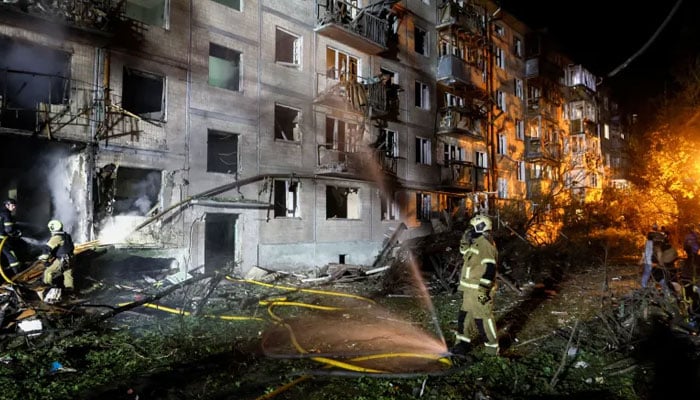
    At least nine people were killed and 23 others injured after Russia launched a missile attack on Ukraine’s capital, Kyiv, on Saturday morning, according to Ukrainian emergency authorities. The Ukrainian Emergency Service said the casualties included two young boys. Officials also reported that one of the injured victims remained in critical condition as rescue and emergency teams continued their operations across the affected areas. The missile strike caused extensive damage to several buildings and triggered fires at multiple locations in the capital. Emergency workers rushed to the scene to extinguish the fires, secure damaged structures and search through piles of debris for survivors. Rescue teams continued clearing the rubble in an effort to locate anyone who might still be trapped beneath collapsed sections of buildings. The attack added to growing concerns over the security situation in Kyiv, which has faced an increase in Russian missile and drone strikes in recent months. Ukrainian authorities have repeatedly warned that Russian attacks continue to pose a serious threat to civilians as well as critical infrastructure. The latest assault also renewed Ukraine’s calls for stronger air defence capabilities. Kyiv has been pressing its Western allies to provide additional advanced defence systems and ammunition, arguing that stronger air protection remains essential to defending major cities and strategic facilities from Russian missile and drone attacks. Ukraine has particularly sought additional Patriot air defence systems, which can intercept certain types of high-speed missiles and provide protection against aerial threats. Ukrainian officials have consistently described air defence as one of their most urgent military requirements as the conflict continues. Meanwhile, US President Donald Trump said discussions are continuing over the possibility of providing Ukraine with technology linked to the production of Patriot missile systems. Trump indicated that talks remain ongoing but made clear that Washington has not yet reached a final decision on the matter. The issue is significant for Ukraine, which has sought to strengthen its ability to defend its territory while reducing its dependence on foreign supplies. Access to advanced air defence technology could potentially help Kyiv expand its defensive capabilities and respond more effectively to repeated missile attacks. The latest strike comes as the war between Russia and Ukraine continues to put civilians and urban centres at risk. Kyiv remains a key target, and Ukrainian officials have repeatedly appealed to international partners for greater military support and stronger air defence measures to protect the capital and other major population centres.

  • | |

    Pentagon faces shortage of missile defense interceptors

    The US Department of Defense is facing a growing shortage of missile defense interceptors after months of sustained military operations in the Middle East, raising concerns among American defense planners about the Pentagon’s ability to maintain its current pace of operations and protect US forces in the event of another major conflict. According to a report by Fox News, data compiled by the Center for Strategic and International Studies (CSIS) indicates that US stocks of Patriot air defense interceptors have fallen sharply. Before the recent escalation in regional conflicts, the United States reportedly held around 2,300 Patriot interceptors. That figure has now dropped to fewer than 827. The Pentagon has also seen a significant reduction in its stockpile of interceptors used by the Terminal High Altitude Area Defense (THAAD) system. CSIS data cited in the report shows that the number of THAAD interceptors has declined from approximately 452 to fewer than 278. The decline in these critical missile defense stocks has prompted questions about the US military’s ability to respond to multiple threats at the same time. Defense planners are particularly concerned about the possibility of a new crisis emerging in another strategic region, such as the Indo-Pacific, while American forces remain engaged in the Middle East. CSIS has warned that rebuilding depleted interceptor inventories could take at least three years. The lengthy replenishment timeline reflects the difficulty of rapidly expanding production of sophisticated missile defense systems, which require specialized components, advanced manufacturing capabilities and extensive testing. The shortage could create additional pressure on US military leaders as they balance the need to defend American troops and military installations overseas with the requirement to maintain sufficient reserves for future conflicts. To address the growing gap, the Pentagon has included $18.2 billion in its broader $67 billion emergency funding request for fiscal year 2026. The proposed funds would support the replenishment of Patriot interceptors, Tomahawk cruise missiles used by the US Navy and additional interceptors for the THAAD missile defense system. The Pentagon’s spending plans also highlight a broader effort to rebuild weapons inventories that have come under pressure from sustained military operations and rising global security demands. US defense officials have increasingly focused on expanding domestic production capacity and ensuring that the military can replace weapons at a faster rate. According to the report, nearly half of the weapons included in the Army’s preliminary fiscal year 2027 budget requests fall into the relatively lower-cost category, with each weapon costing $600,000 or less. The approach reflects efforts to strengthen stockpiles of systems that the military can procure in larger quantities while continuing to invest in more advanced and expensive defense technologies. The interceptor shortage underscores a wider challenge for the United States as it seeks to prepare for potential conflicts on multiple fronts. While missile defense remains a key component of US military strategy, the depletion of interceptor stocks could limit Washington’s flexibility if it faces simultaneous threats in the Middle East, Europe or the Indo-Pacific. Defense analysts say the issue also highlights the importance of maintaining adequate reserves during prolonged conflicts. Replenishing stocks may take years, meaning decisions about the use of missile defense interceptors could become increasingly important as the Pentagon seeks to protect US personnel and strategic assets while preserving its ability to respond to future crises.

  • |

    US issues fresh travel warning 

      The United States Embassy in Jordan has issued a fresh security alert urging American citizens to remain vigilant and consider leaving the Middle East if the regional security situation continues to deteriorate. In a statement shared on X (formerly Twitter) on Saturday, the embassy advised US nationals currently in the region to closely monitor developments and prepare for possible travel disruptions. The advisory warned that ongoing instability could result in flight cancellations, temporary airspace closures, and other transportation challenges that may affect travel plans at short notice. The embassy emphasized that Americans living in or visiting Middle Eastern countries should exercise increased caution and remain alert due to the rapidly changing security environment. It also encouraged those who are outside the region to carefully reconsider any plans to travel to or transit through Middle Eastern countries until the situation becomes more stable. According to the advisory, the regional security outlook remains highly unpredictable, with officials describing the situation as “fluid.” The embassy warned that Iran and groups aligned with or supported by Tehran could potentially target US interests in various locations overseas if tensions continue to rise. In a separate advisory, the US Embassy in Amman specifically instructed American citizens to avoid visiting military bases in Jordan. It urged them to stay informed through official embassy updates, closely follow announcements issued by Jordanian authorities, and comply with all local security instructions. The warning comes against the backdrop of increasing tensions between the United States and Iran. According to a report, Washington is reportedly preparing to carry out additional military strikes against Iran over the weekend. While US authorities have not publicly confirmed the reported plans, the development has raised concerns about the possibility of further escalation in the region. Security concerns have also intensified following a series of incidents reported on Saturday. Kuwaiti authorities said they intercepted Iranian drones that were allegedly targeting a government facility as well as civilian vehicles. Officials stated that the drones were successfully neutralized before they could cause damage, and no injuries or fatalities were reported. Meanwhile, another incident occurred in the Gulf region when a commercial tanker was struck by an unidentified projectile off the coast of Oman near the strategically important Strait of Hormuz. The vessel sustained damage, but authorities confirmed that there were no casualties among the crew. Investigations are underway to determine the source of the projectile and the circumstances surrounding the attack. The Strait of Hormuz remains one of the world’s most critical maritime trade routes, with a significant share of global oil shipments passing through the narrow waterway. Any security incidents in the area often raise concerns about international shipping, energy markets, and regional stability. As diplomatic and military tensions continue to mount, US officials are advising citizens to remain cautious, stay updated through official government channels, and be prepared for rapidly changing conditions across the Middle East.