تازہ ترین

  • | |

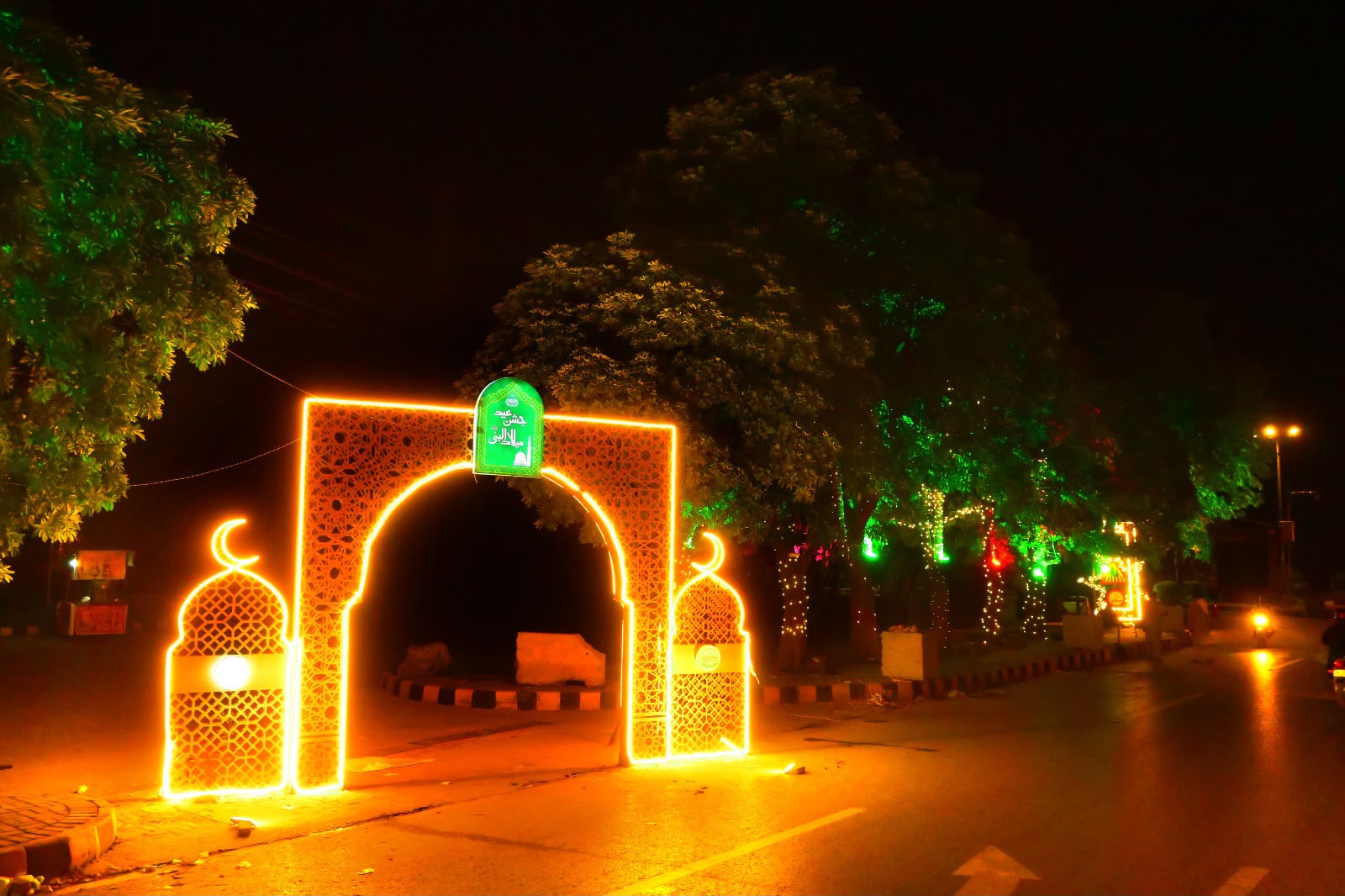
    PHA illuminates Punjab to mark Eid Milad-un-Nabi

      LAHORE: Cities across Punjab were illuminated with decorative lights and religious-themed displays as the Punjab Horticulture Authority (PHA) arranged special decorations to mark Eid Milad-un-Nabi, filling public spaces with festive and spiritual displays. As part of its annual celebrations, the PHA installed illuminated signs, decorative structures and religious motifs across all 21 districts under its administrative jurisdiction. Public parks, green belts and other prominent locations were decorated to reflect the religious significance of the occasion while adding a festive appearance to major urban areas. In Lahore, the authority carried out extensive arrangements, including the installation of specially designed billboards and religious-themed displays. Digital campaigns were also launched along important city routes, particularly The Mall and Gulberg, where illuminated decorations attracted public attention. Similar arrangements were made in several other major cities of Punjab. Rawalpindi, Faisalabad, Multan, Bahawalpur, Khushab and Rahim Yar Khan were among the cities where parks and public spaces were decorated with colourful lighting and religious artwork. Illuminated domes, Islamic calligraphy, floral arrangements and other decorative features were used to create a festive atmosphere in honour of Eid Milad-un-Nabi. PHA district offices were also decorated with lights and buntings, giving government buildings a distinctive green appearance associated with the sacred occasion. The decorations were prepared ahead of the celebrations, with horticulture teams working to ensure that the installations were completed on time. PHA Director General Ahmad Usman Javaid described the celebrations as a significant honour and blessing. He said the authority had begun preparations several weeks before the occasion, with its horticulture and field staff working extensively, including overnight, to complete the arrangements. The celebrations were accompanied by discussions on the future administrative and financial direction of the authority’s newly established district agencies. During a separate meeting, Director General Javaid instructed the district agencies to prepare individual revenue-generation plans aimed at improving their financial sustainability. The initiative is intended to help reduce the agencies’ dependence on government funding while allowing them to generate resources according to the economic potential of their respective areas. The meeting reviewed the operational performance of the district agencies, administrative arrangements and progress in organisational development. Officials highlighted the importance of establishing financially sustainable institutions capable of meeting part of their expenses through locally generated revenue. Javaid directed the agencies to identify potential sources of income within their districts and develop strategies according to local commercial conditions. He stressed that all revenue-generating activities must remain within the relevant legal and regulatory framework. According to the PHA chief, Punjab’s districts have different economic and commercial characteristics, meaning that a uniform revenue model may not be suitable for every area. He said agencies should instead develop plans based on the opportunities available locally. For instance, districts with substantial commercial activity could generate revenue through the regulation of outdoor advertising. Other districts may have greater opportunities to lease underutilised government land or develop public-private partnerships for the construction, operation and management of parks. The PHA leadership said the objective was to create stronger and more financially independent district institutions while continuing to improve public parks, green spaces and horticultural services across Punjab. The Eid Milad-un-Nabi decorations and the accompanying administrative initiatives reflected the authority’s efforts to combine public-space beautification with longer-term institutional development.
  • | |

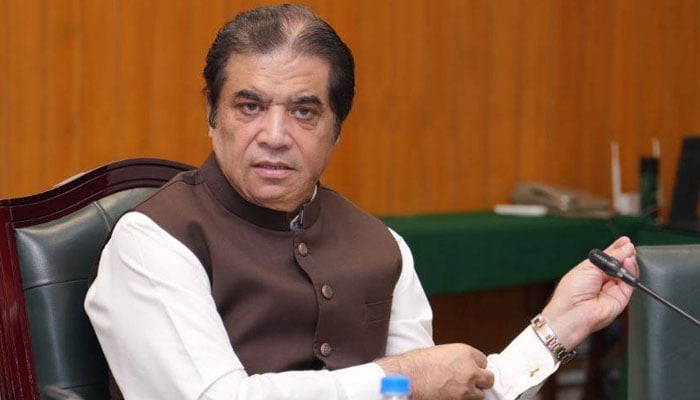
    Hanif Abbasi says India tops list of Pakistan’s enemies

      ISLAMABAD: Federal Minister for Railways Hanif Abbasi has said that only two or three countries can be considered enemies of Pakistan, with India at the top of the list. He said Israel and Afghanistan are also among the countries that PakistanFederal Minister for Railways Hanif Abbasi has said that only two or three countries can be considered enemies of Pakistan, considers hostile. Speaking to journalists outside Parliament House, Abbasi said Pakistan does not regard all countries as enemies and stressed that the list is limited to a few states. His remarks came while discussing political and national issues with the media. The federal minister also spoke about his views regarding Jamiat Ulema-e-Islam-Fazl (JUI-F) chief Maulana Fazlur Rehman, describing him as a respected political figure. Abbasi said he would advise Fazlur Rehman to avoid making decisions while angry, arguing that emotional reactions can sometimes lead to wrong choices. Abbasi said that political differences were a normal part of democratic politics and that he was willing to accept opposition on political grounds. However, he drew a distinction between political disagreement and what he described as personal attacks. The minister said he could tolerate political opposition but did not accept personal hostility. Referring to remarks previously made by Pakistan Tehreek-e-Insaf (PTI) founder Imran Khan about Maulana Fazlur Rehman, Abbasi said that some of the words used against the JUI-F leader had been deeply disturbing. He said the language used against Fazlur Rehman was so harsh that it had left him shocked. According to Abbasi, political opponents could disagree with each other over policies, parties and political strategies, but personal criticism should not cross certain limits. “Political opposition would not have been an issue,” Abbasi said, while arguing that the criticism directed at Fazlur Rehman went beyond ordinary political differences and became personal. The minister’s comments reflect the continuing tensions and rivalries among Pakistan’s major political parties, where disagreements frequently extend beyond policy matters and involve criticism of individual political leaders. Abbasi’s remarks also highlighted the importance of maintaining political restraint, particularly when disagreements become intense. His advice to Fazlur Rehman suggested that political leaders should avoid taking major decisions while angry or under emotional pressure. The federal minister further indicated that political differences should be handled within the boundaries of democratic debate. While politicians may strongly oppose one another on ideological, policy or electoral matters, he suggested that personal attacks can deepen political divisions and make reconciliation more difficult. His comments regarding Pakistan’s perceived hostile countries also came amid continuing discussions about the country’s regional and international relationships. India has historically remained a major source of tension between Pakistan and its eastern neighbour, while relations with Afghanistan have also faced challenges over security and border-related issues. Pakistan’s relationship with Israel remains particularly sensitive due to the Palestinian issue and Islamabad’s longstanding position on the conflict. Abbasi’s statement therefore covered both domestic political differences and broader foreign-policy concerns. He emphasised that Pakistan has only a limited number of countries that it considers enemies, rather than viewing the wider international community through the same lens. The minister’s comments are likely to draw attention because of his criticism of personal attacks in politics and his appeal for political leaders to exercise greater restraint. His remarks underline the distinction between legitimate political opposition and criticism that becomes personal, an issue that continues to shape political discourse in Pakistan.

  • | |

    PTI leader Mian Mahmoodur Rashid shifted to servic…

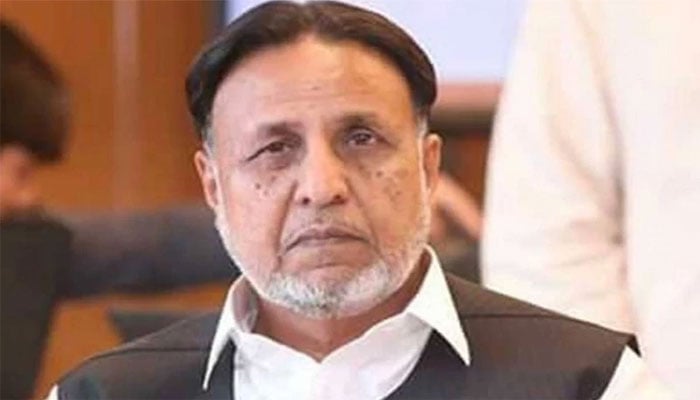
      LAHORE:Former Punjab minister and Pakistan Tehreek-e-Insaf (PTI) leader Mian Mahmoodur Rashid has reportedly developed health complications and was shifted from prison to Services Hospital in Lahore for medical treatment. According to party sources in Lahore, Mahmoodur Rashid was transferred to the hospital after his health condition deteriorated. The move was made to provide him with specialised medical care and allow doctors to carry out the necessary treatment. Party sources said that the PTI leader underwent surgery for a tumour located in his abdomen. The operation was performed at Services Hospital, where doctors treated the medical condition that had been causing him health concerns. Following the surgery, Mahmoodur Rashid was reportedly transferred back to the prison hospital for post-operative care and monitoring. His condition is being observed by medical staff as he recovers from the procedure. The development has attracted attention because Mahmoodur Rashid is a senior PTI figure and a former member of the Punjab provincial government. His health has previously been a matter of concern for his party, particularly while he has remained in custody. The party sources did not provide extensive details about the nature of the tumour, its size or whether it was benign or malignant. They also did not disclose further information regarding the exact duration of his hospital stay or the expected recovery period. Medical procedures involving abdominal tumours can require careful post-operative observation, particularly during the initial recovery period. The decision to keep the PTI leader under medical supervision after the operation indicates that doctors are continuing to monitor his condition. Mahmoodur Rashid has remained a prominent figure within PTI and has held important political responsibilities in Punjab. As a former provincial minister, he has been associated with the party’s political activities for several years. His transfer from prison to a major public-sector hospital highlights the medical arrangements made for prisoners who require treatment beyond the facilities available inside a jail. Prison authorities generally rely on external hospitals when inmates require specialised diagnostic procedures, surgery or other forms of treatment that cannot be adequately provided by a prison medical unit. According to the available information, the sequence of events involved his transfer from prison to Services Hospital, the surgical treatment of the abdominal tumour and his subsequent return to the prison hospital for continued care. The party sources did not indicate any immediate complications resulting from the surgery. Further information about his health is expected to depend on the medical assessment carried out by doctors during his recovery. PTI supporters and party members have expressed concern over the health of the former Punjab minister, particularly because he is currently in custody and requires ongoing medical attention. The development comes as several PTI leaders and workers remain involved in legal and political proceedings following the party’s prolonged confrontation with the government and state institutions. Mahmoodur Rashid has remained among the senior party figures facing legal proceedings. For now, his recovery and medical condition are being monitored by healthcare professionals. The latest reports indicate that after undergoing surgery for the abdominal tumour at Services Hospital, he has been moved to the prison hospital, where he will continue to receive medical care. Further details about his condition, the outcome of the surgery and his recovery timeline are expected to emerge as doctors continue their assessment.

  • | |

    Noreen Niazi meets Imran Khan in Adiala jail, Alee…

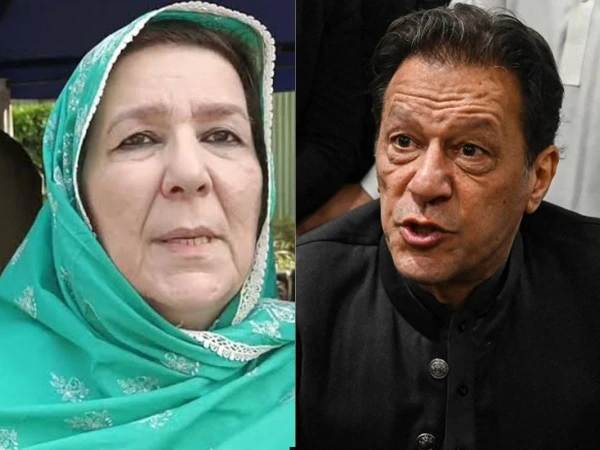
    Pakistan Tehreek-e-Insaf (PTI) founder and former chairman Imran Khan was visited by his sister Noreen Niazi at Adiala Jail, while another of his sisters, Aleema Khan, said that relief for the former prime minister could only come through the courts. According to reports, Noreen Niazi met Imran Khan at Adiala Jail and later returned to the Factory Check Post. Media representatives and PTI workers attempted to ask her questions but she did not speak to the media and left without commenting. Speaking to the media outside Adiala Jail, Aleema Khan raised concerns about restrictions on meetings and communication with Imran Khan. She said that Imran Khan had still not been allowed to speak with his children, describing the situation as contempt of court. She also said that she and Dr. Uzma Khan had not been allowed to meet him. Aleema Khan maintained that the family was following court orders and questioned why the government was allegedly reluctant to implement them. She said that Dr. Uzma and Dr. Faisal had spoken about their experiences and that the family would present its concerns before the court. She further said that people were expressing relief because the courts appeared to be making efforts to ensure justice. According to Aleema Khan, public confidence in the judiciary could decline if people did not receive justice. “Courts themselves have to provide relief to the PTI founder,” Aleema Khan said emphasizing that the family’s hopes remained attached to the judiciary. She also criticized what she described as the government’s failure to follow court orders, saying that refusing to implement judicial decisions could create the impression that the authorities did not recognize the courts. Aleema Khan said she stood with judges who were working according to the law and urged Pakistanis to stand with their courts as well. The meeting between Noreen Niazi and Imran Khan comes amid continuing legal and political tensions surrounding the PTI founder. Aleema Khan’s remarks have once again highlighted the importance of judicial decisions and their implementation in matters concerning Imran Khan.

  • | | |

    IHC judge urges lawyers to improve courtroom condu…

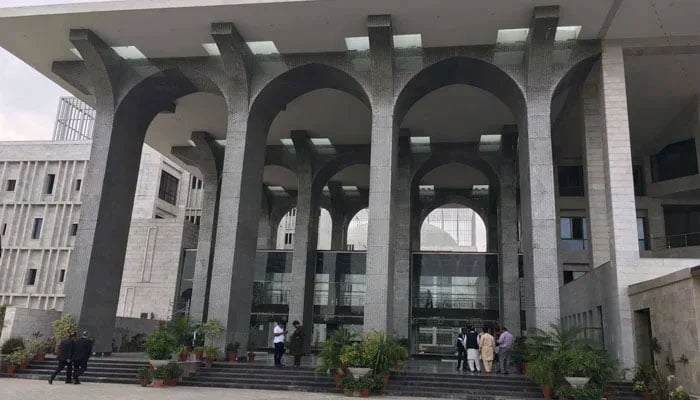
    Islamabad High Court (IHC) Justice Khadim Hussain Soomro has expressed serious concern over the conduct of lawyers in the federal capital. He urged the leadership of the legal community to take steps to improve professional behaviour in courts. The judge made the remarks during the hearing of a case in which Supreme Court Bar Association President Haroon Rashid appeared before the court. Justice Soomro said he felt deeply disappointed after observing the attitude of some lawyers in Islamabad. He said lawyers were expected to cooperate with the court and maintain a respectful environment during proceedings. The judge observed that lawyers in Islamabad did not provide the level of assistance that he expected. He said the behaviour he had witnessed was painful and disappointing. Justice Soomro also referred to his background. He said he belonged to a village where people did not behave in such a manner. He remarked that even in his hometown, people showed greater respect while communicating with one another. “I came here to learn, but I did not learn anything,” the judge said while expressing his disappointment over the situation. He further criticised the manner in which some people spoke in the courtroom. He said it was regrettable to see people using inappropriate or disrespectful language during legal proceedings. Justice Soomro asked the Supreme Court Bar president to take up the matter with lawyers’ representative bodies. He urged him to visit the bar council and bar association and advise lawyers to maintain professional standards. The judge stressed that Islamabad was the federal capital. He said lawyers practising in the capital should demonstrate responsible and professional conduct. Addressing Haroon Rashid, Justice Soomro said he was the president of one of the country’s largest and most influential bar associations. He asked him to play an active role in guiding lawyers and improving the atmosphere in courts. The judge’s remarks highlighted the importance of discipline, mutual respect and cooperation between lawyers and judges. He said a healthy courtroom environment was essential for the smooth administration of justice.

  • | |

    Islamabad gets foolproof security for Eid Milad

    ISLAMABAD: Authorities in Islamabad have finalised foolproof security arrangements for the peaceful observance of Eid Milad-un-Nabi ﷺ. Security measures have been strengthened across the federal capital ahead of the religious occasion. Special arrangements have been made to protect citizens and ensure the smooth conduct of religious gatherings and processions. Law enforcement agencies have been directed to remain alert and closely monitor sensitive areas. Security personnel will be deployed at key locations, while additional measures will be taken around mosques, worship places and routes of Milad processions. Authorities have also stressed the need for effective coordination among the relevant departments. Police and other security officials will remain vigilant throughout the celebrations. The arrangements aim to prevent any untoward incident and provide a safe environment for people participating in Eid Milad-un-Nabi ﷺ events. Officials have urged citizens to cooperate with security personnel and follow the instructions issued by the administration during the celebrations.

  • | |

    Islamabad call center raided in cybercrime investi…

    ISLAMABAD: The National Cyber Crime Investigation Agency (NCCIA) conducted a targeted raid on an online call center in Islamabad’s G-6 sector and seized digital devices and other material allegedly linked to cybercrime activities. According to a statement issued by the NCCIA, the operation was carried out on the basis of intelligence information and with a search warrant. During the raid officials seized digital devices and other materials that were allegedly being used for cybercrime-related activities. The agency said that no arrests were made during the operation because the foreign and local suspects allegedly involved in the activities were not present at the call center when the raid was conducted. The seized digital equipment has been sent to a forensic laboratory for detailed examination. Investigators are expected to analyze the devices and other material to determine their connection with the suspected cybercrime activities. The NCCIA said that further details would be shared once the forensic examination and investigation are completed. The agency did not disclose the identities of the individuals allegedly associated with the call center. Authorities have increasingly focused on online fraud, fake call centers and digital networks allegedly involved in financial and cyber-related crimes. The NCCIA stated that action against fraudulent operations, fake call centers and online fraud networks would continue without discrimination. The Islamabad call center raid is part of the agency’s ongoing efforts to identify and investigate networks suspected of using digital platforms for illegal activities. The forensic analysis of the seized devices is expected to provide investigators with additional information about the operation and the individuals potentially connected to it. The agency’s investigation will determine whether the seized equipment was used for cybercrime and what further legal action may be taken against those involved. For now, no arrests have been reported while the investigation and forensic examination of the seized digital material remain underway.

  • | |

    Pakistan, US discuss bilateral cooperation and reg…

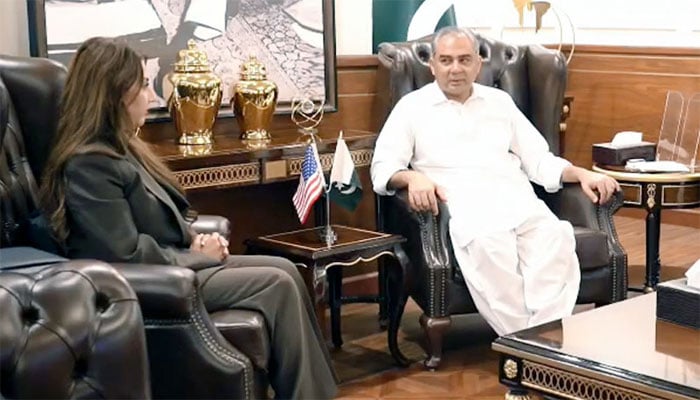
      Federal Interior Minister Syed Mohsin Naqvi held a meeting with US Chargé d’Affaires to Pakistan Natalie Baker in Islamabad, where the two sides discussed regional developments, security matters and ways to strengthen cooperation between Pakistan and the United States. The meeting focused on the overall situation in the region, with particular attention given to peace and stability. Both sides exchanged views on ongoing regional developments and discussed the importance of maintaining cooperation to address emerging security challenges. According to the details of the meeting, Pakistan and the United States also discussed their bilateral relationship and explored opportunities to expand cooperation across different areas. The two sides expressed interest in strengthening existing mechanisms of collaboration and developing further partnerships in areas of mutual interest. Law-enforcement cooperation was also an important part of the discussion. Naqvi and Baker exchanged views on joint programmes and training opportunities involving police officers from both countries. Such initiatives were discussed as a means of improving professional capabilities, sharing expertise and strengthening coordination between law-enforcement institutions. The officials also discussed the need for greater cooperation against organised crime, drug trafficking and human smuggling. Both sides agreed to enhance collaboration in these areas, recognising that such crimes often operate across national borders and require coordinated efforts between countries. The discussion highlighted the importance of information sharing, professional training and institutional cooperation in tackling transnational criminal networks. Strengthening law-enforcement coordination could help both countries improve their ability to respond to security threats and combat criminal activities that affect communities in Pakistan and beyond. During the meeting, US Chargé d’Affaires Natalie Baker also praised Field Marshal Syed Asim Munir for what she described as his positive diplomatic role in promoting peace and stability in the region. Her remarks came amid broader discussions on regional security and the importance of diplomatic engagement in addressing tensions and maintaining stability. The appreciation reflected the US side’s recognition of Pakistan’s role in contributing to regional peace efforts. The meeting between Naqvi and Baker comes as Pakistan and the United States continue to engage on a range of security and bilateral matters. Cooperation between the two countries has traditionally included areas such as counterterrorism, law enforcement, border security and efforts to combat transnational crime. The latest discussions indicate an effort to further strengthen practical cooperation, particularly in areas directly linked to public security and law enforcement. The proposed police training and exchange programmes could provide opportunities for officers from both countries to learn from each other’s experiences and improve their professional skills. Meanwhile, increased coordination against organised crime, drugs and human trafficking could contribute to more effective efforts against criminal networks. The meeting also underscored the broader importance of the Pakistan-US relationship at a time when regional developments continue to influence security and diplomatic priorities. Both countries have an interest in maintaining communication and cooperation on issues that affect regional peace and stability. Overall, the talks reflected a focus on strengthening bilateral ties through practical cooperation, particularly in law enforcement and security. The agreement to enhance joint efforts against organised crime, drug trafficking and human smuggling, along with discussions on police training programmes, demonstrates the two sides’ shared interest in addressing common challenges. The meeting also provided an opportunity for both officials to reaffirm the importance of continued engagement between Pakistan and the United States on regional peace, stability and security.

  • | |

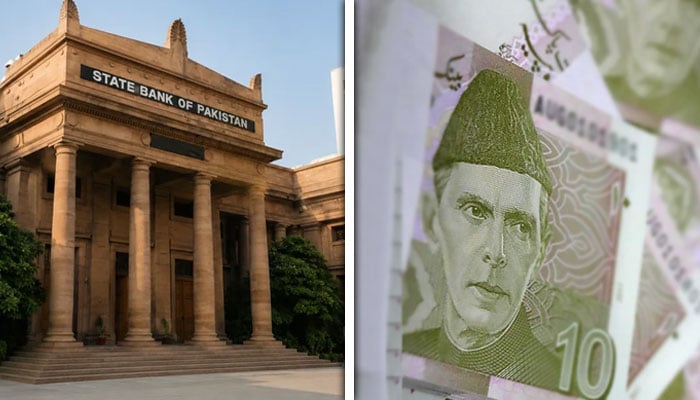
    State Bank considers scrapping Rs10 banknote

    ISLAMABAD: The State Bank of Pakistan (SBP) is considering discontinuing the Rs10 currency note as part of plans to introduce redesigned banknotes with enhanced security features, officials told the Senate Standing Committee on Finance. The committee met in Islamabad, where SBP Deputy Governor Dr Inayat Hussain briefed members on the proposed changes to the country’s currency notes. According to the deputy governor, the central bank is considering withdrawing the Rs10 note because its production cost has increased. He said the Rs10 denomination had been targeted for discontinuation twice in the past, but the attempts were unsuccessful. He clarified that the Rs10 note would be discontinued when the new series of currency notes is issued. Committee Chairman Senator Saleem Mandviwalla said the committee had previously asked the State Bank to replace all currency notes. Dr Inayat Hussain said the existing currency series had been in circulation since 2005. Officials told the committee that new banknotes would carry improved security features. The matter had been discussed twice by the federal cabinet. A committee formed by the cabinet had also proposed certain changes to the designs. The issue of the process used to select the company for designing the new notes also came under discussion. Chairman Saleem Mandviwalla questioned the decision to award the design work to the same company whose consultant had already been hired. He said no bidding process had been conducted before the design contract was awarded. Mandviwalla said the State Bank was an autonomous institution, but it still had to follow relevant rules and procedures. A State Bank executive director told the committee that the company associated with the consultant would carry out the entire assignment. The committee also questioned claims regarding the circulation of counterfeit currency in Pakistan. Dr Inayat Hussain said the circulation of counterfeit currency in the country was low. Mandviwalla asked the State Bank to provide data supporting the claim. The deputy governor further said public preference regarding banknote designs was also being taken into consideration. Senator Anusha Rehman remarked that people generally liked currency notes regardless of their design. Senator Shahzaib Durrani, however, said personal likes and dislikes should not be a factor in deciding currency designs. Dr Inayat Hussain told the committee that a subcommittee of the federal cabinet was currently reviewing the proposed new banknotes. He said the cabinet had made significant changes to the designs. The deputy governor said the new notes could only be introduced in the market after the proposed changes were finalised and approved. He also informed the committee that the proposed currency designs had been sent to the Ministry of Finance about a year ago.

  • | |

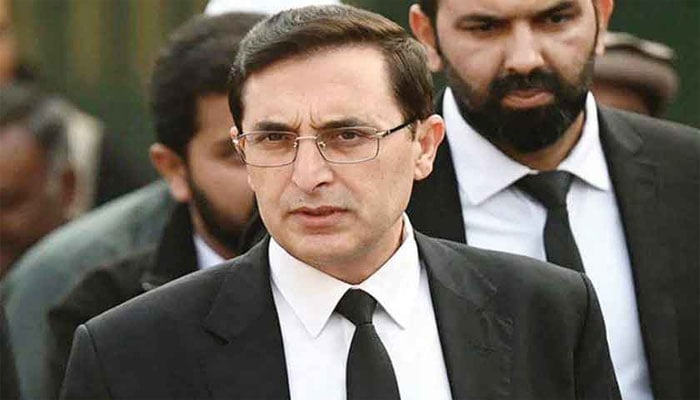
    PTI Chairman says Imran Khan’s hospital transfer…

      Pakistan Tehreek-e-Insaf (PTI) Chairman Barrister Gohar Ali Khan has said that the plan to transfer the party’s founder, Imran Khan, to a hospital was changed at the last moment, claiming that significant progress had already been made towards arranging the transfer. Speaking to the media at Dahagal Naka on Adiala Road in Rawalpindi, Gohar said the party’s efforts had been disrupted at the final stage. He expressed regret that Imran Khan could not receive treatment at Shifa International Hospital, saying it would have been a positive development if the former prime minister had been treated there. However, Gohar said he was not disappointed and would make another attempt to ensure that the party founder received appropriate medical treatment. He stressed that political dialogue and communication should not be abandoned, saying that efforts to maintain contact must continue. The PTI chairman clarified that all discussions held so far had focused solely on Imran Khan’s health. He also rejected a video circulating on social media that purportedly showed a meeting between him and Imran Khan, describing the footage as fake. Gohar urged political leaders and other stakeholders not to politicise Imran Khan’s health or turn the issue into a matter of political rhetoric. He maintained that the Supreme Court’s orders regarding the PTI founder’s treatment should have been implemented. According to Gohar, Imran Khan’s medical treatment was a straightforward matter and there was no justification for preventing his transfer. He said whoever stopped the transfer or changed the plan at the last moment had made the wrong decision. He acknowledged that the PTI also had concerns about Imran Khan’s security but said the government had never informed the party that security concerns were preventing his transfer to Shifa International Hospital. Gohar further said the party’s core and political committees had already made their position clear through official statements, asking supporters and party workers not to go to Shifa Hospital. Instead, Imran Khan was transferred to the Pakistan Institute of Medical Sciences (PIMS). However, Gohar claimed that the required treatment was not provided there either. He maintained that the Supreme Court’s directions could still be implemented if the relevant authorities were willing to act on them. The PTI chairman also revealed that the party’s petition had been assigned a case number in the Supreme Court and that a request had been submitted for an early hearing. He said the united opposition would now adopt a joint strategy in both the National Assembly and the Senate. Addressing allegations that the PTI had violated court orders, Gohar rejected the claim, saying the party had not disobeyed any Supreme Court directive. He clarified that Imran Khan’s sister had spoken publicly and confirmed that he had been taken to PIMS. Gohar said the PTI’s contempt petition was intended to seek implementation of the Supreme Court’s orders. He described it as a civil contempt matter rather than an attempt to challenge the court. He also mentioned that Noorain Niazi had been pleased after meeting Imran Khan the previous Tuesday. Gohar concluded by saying that Imran Khan’s health and security remained the party’s primary concerns. He also stressed the importance of opposition parties remaining united, arguing that reforms were urgently needed in the judiciary, Election Commission and provincial affairs.