تازہ ترین

  • |

    Joe Root returns as England Test captain, Fleming takes coaching charge

    England have made major changes to their Test setup, appointing Joe Root as captain for a second stint and naming former New Zealand skipper Stephen Fleming as head coach. The decisions come after Brendon McCullum was removed from the Test coaching role and Ben Stokes stepped away from international cricket earlier this month. Root, 35, previously led England in 64 Test matches between 2017 and 2022. He briefly returned to captaincy during the recent series against New Zealand and has now been given the responsibility of guiding England’s next generation of Test players. The Yorkshire batter is among the greatest run-scorers in Test history, sitting second on the all-time list behind India legend Sachin Tendulkar with more than 14,000 runs. Expressing his delight at the appointment, Root said leading England in Test cricket remains a great honour and challenge. He added that he is excited to work with the team and help develop emerging talent. Root also praised Fleming, describing him as an outstanding leader with deep knowledge of the game. Fleming, who enjoyed a successful coaching career with Chennai Super Kings in the Indian Premier League, has been appointed to lead England’s Test side. Under his guidance, Chennai won five IPL titles, making him one of the most respected coaches in world cricket. The 53-year-old said his focus would be on immediate success while also building a strong foundation for England’s long-term future. He expressed excitement about working with Root and helping him succeed in his second spell as captain. England’s next Test assignment will be a three-match series against Pakistan, starting on August 19. Marcus Trescothick will handle coaching duties on an interim basis before Fleming officially takes charge later this year. England men’s cricket managing director Rob Key praised Fleming’s appointment, saying he has the experience and leadership qualities needed to turn England’s promising squad into a world-class team.

  • | | | |

    Iranian strike hits Chinese company building in Ku…

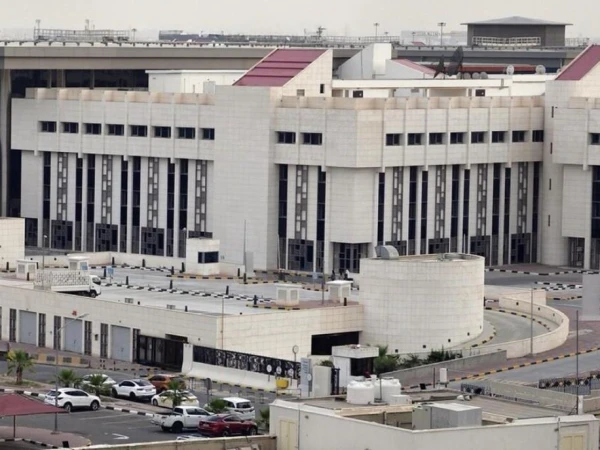
    KUWAIT CITY: A building belonging to a Chinese company in northern Kuwait was struck during an alleged Iranian attack, leaving one worker dead and causing extensive structural damage, according to Kuwait’s Ministry of Defense. The ministry confirmed the incident in an official statement on Wednesday, saying emergency response teams and security agencies were immediately dispatched to the affected site to secure the area, assess the damage, and launch rescue operations. Authorities said one worker was killed in the strike, but did not immediately disclose the victim’s identity or nationality. Officials added that investigations are continuing to determine whether there were additional casualties or injuries and to establish the full extent of the damage caused by the attack. Images from the scene showed emergency personnel working around the damaged building as security forces cordoned off the area. Officials have yet to release further details regarding the type of weapon used or the circumstances surrounding the strike. In its statement, Kuwait’s Ministry of Defense stressed that the country’s armed forces remain on high alert and are fully prepared to safeguard Kuwait’s sovereignty, territorial integrity, and national security against any external threat. The ministry also urged the public to rely only on official government statements for updates, warning citizens against spreading or believing unverified reports and rumors circulating on social media. The attack comes amid heightened regional tensions linked to the ongoing confrontation between Iran and the United States, which has fueled growing security concerns across the Gulf region. In recent weeks, military facilities, energy infrastructure, commercial shipping routes, and strategic installations have increasingly come under threat, raising fears of a wider regional escalation. Security analysts say the latest strike demonstrates how the conflict is expanding beyond its primary actors, with neighboring Gulf states facing increasing risks from the deteriorating security environment. Kuwait, which has traditionally sought to maintain balanced regional relations, now finds itself confronting the possibility of being directly affected by the broader conflict. The incident is expected to intensify security measures across the country, particularly around critical infrastructure, industrial facilities, and foreign-owned commercial sites. Regional governments have already strengthened surveillance and emergency preparedness in response to the growing threat of cross-border attacks. No immediate statement was issued by Iranian authorities regarding the alleged strike. Meanwhile, Kuwaiti officials said investigations remain underway and pledged to provide further information as more details become available. The latest incident underscores the widening regional impact of the Iran-US confrontation and highlights growing concerns that escalating hostilities could increasingly affect civilian infrastructure and foreign businesses operating across the Gulf.

  • | |

    Ben Affleck wins rare $1 million Who Wants to Be a Millionaire prize

    Hollywood star Ben Affleck and Jeopardy! champion Jamie Ding secured the top prize on Who Wants to Be a Millionaire, winning $1 million for charity after correctly answering the game’s final question in one of the show’s rare celebrity jackpot victories. The pair claimed the grand prize during the July 30 episode of the ABC quiz show, hosted by Jimmy Kimmel. Their winnings will benefit Eastern Congo Initiative, the nonprofit organisation Affleck co-founded to support community-based development projects in the Democratic Republic of Congo. The episode resumed with Affleck and Ding already just two questions away from the million-dollar prize after carrying over from the previous week’s episode. Before the game continued, Affleck explained the mission of the Eastern Congo Initiative, saying the organisation works alongside local communities in a region that has endured years of conflict. The $500,000 question asked which historic achievement occurred only two months after The New York Times predicted it would not happen for “1 million to 10 million years.” The possible answers included splitting the atom, cloning a mammal, the first airplane flight and the polio vaccine. Ding immediately believed the correct answer was the Wright brothers’ first airplane flight, while Affleck recalled reading about the newspaper’s famous misjudgment years earlier. To be safe, the pair used their 50:50 lifeline, leaving only two options. They ultimately trusted Ding’s instinct and correctly selected the first airplane flight, advancing to the final question. The million-dollar question proved even more challenging. Contestants were asked which pair of names had not been used for turkeys pardoned by a U.S. president during the annual White House Thanksgiving tradition. After debating the possible answers, Affleck and Ding turned to host Jimmy Kimmel using the Ask-the-Host lifeline. Kimmel admitted he was not completely certain but suggested “Spaghetti & Meatball” seemed unlikely to have been used. The pair also attempted to use their Phone-a-Friend lifeline, but Ding’s friend was unable to provide a definite answer. With no better option available, Affleck decided to trust Kimmel’s judgment, and the duo locked in “Spaghetti & Meatball.” It proved to be the correct answer, earning them the $1 million prize. As confetti filled the studio, Affleck and Ding embraced in celebration while Kimmel announced their victory. The win places them among the small number of celebrity contestants to claim the show’s top prize, joining previous million-dollar winners including Matt Damon and Ken Jennings, Ike and Alan Barinholtz, and Oscar Nuñez and Kate Flannery. Affleck’s appearance on the programme not only showcased his trivia skills but also raised significant funds for a cause he has supported for years, making the rare television triumph both entertaining and meaningful.

  • |

    India files charges against 13 in medical exam paper leak case

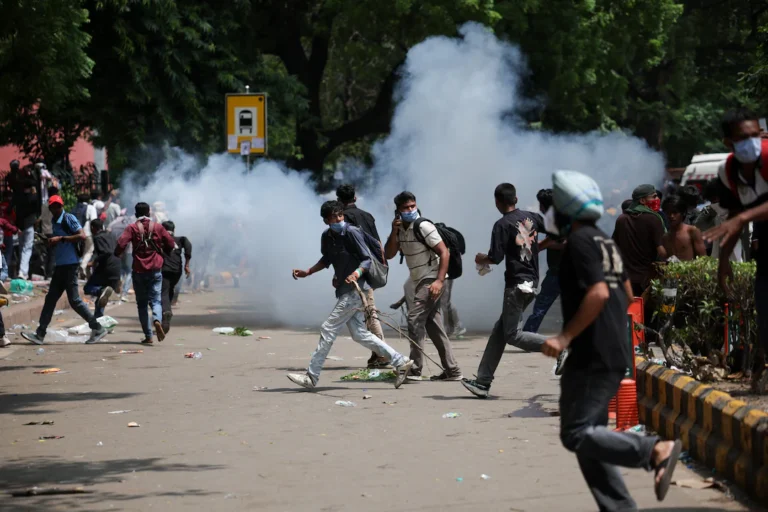
    India’s federal investigation agency has filed charges against 13 people accused of involvement in the leak of question papers for the country’s national medical entrance examination, following weeks of protests over the scandal. The Central Bureau of Investigation (CBI) said the accused include subject experts linked to the National Testing Agency, intermediaries who allegedly distributed leaked papers, and individuals associated with coaching institutes. The charges include criminal conspiracy, cheating, breach of trust, and destruction of evidence. All 13 accused are currently in custody, according to the investigation agency. The case relates to the National Eligibility cum Entrance Test (NEET), which was taken by nearly two million students in May. The examination was cancelled after allegations emerged that questions had been leaked in several areas. A fresh test was later conducted on June 21. The controversy triggered nationwide protests led by students and young activists, with thousands gathering in New Delhi and other cities demanding accountability. The demonstrations intensified after protesters marched towards parliament and faced clashes with police. The unrest eventually led to the resignation of Education Minister Dharmendra Pradhan, who stepped down after mounting pressure over the handling of the examination crisis. India’s Supreme Court has also intervened in the matter, ordering authorities not to take strict action against protesters and directing the release of detained minors. The court further instructed officials to preserve surveillance footage related to alleged police action during demonstrations. In response to the controversy, Prime Minister Narendra Modi’s government has introduced proposed amendments to public examination laws. The changes seek tougher punishments, including longer prison sentences and heavier fines for those involved in exam fraud. Under the proposed rules, those found guilty could face imprisonment of up to 10 years and fines reaching 50 million Indian rupees.

  • | | | |

    US strikes IRGC bases after Iran missile attack

    The Middle East moved a step closer to a broader regional conflict after the United States launched large-scale airstrikes against dozens of Islamic Revolutionary Guard Corps (IRGC) facilities across Iran in retaliation for Tehran’s ballistic missile attack targeting American forces stationed in the region. According to the US Central Command (CENTCOM), the operation targeted military command centers, drone infrastructure, weapons depots and other strategic IRGC installations during a coordinated two-hour campaign. US officials said the strikes were intended to weaken Iran’s ability to threaten American troops, commercial shipping lanes and allied Gulf nations. Iranian state media reported that at least three people were killed during strikes on Qeshm Island, while authorities vowed that the country would continue defending its territory against what it described as “American aggression.” The crisis quickly spread beyond Iran’s borders. Jordan announced that its air defence systems intercepted five missiles following Iran’s confirmed launch toward US military installations in the kingdom. Washington maintained that all missiles directed at American bases were successfully intercepted, preventing casualties among US personnel. In another major development, US and Saudi forces carried out coordinated strikes against Iran-backed armed groups operating in eastern Iraq after drone attacks launched from Iraqi territory targeted Saudi oil facilities. The joint operation marked the first publicly acknowledged military action conducted together by Washington and Riyadh against Iran-aligned militias. Regional instability deepened further after a fire broke out aboard a US-owned gas storage tanker at Egypt’s Mediterranean port of Damietta. Although maritime security experts suggested the blaze may have resulted from a drone strike, Egyptian officials confirmed only the fire and said investigations into its cause were continuing. The latest escalation comes against the backdrop of months of confrontation between Iran, the United States and Israel. Fighting resumed after disputes over the strategically important Strait of Hormuz ended a short-lived ceasefire reached in June. US President Donald Trump reiterated that America would respond decisively to attacks on its forces while insisting diplomatic efforts remained active. However, continued military exchanges around the Strait of Hormuz have complicated negotiations and increased concerns over global energy supplies. Iran has claimed it targeted three tankers attempting to pass through what it called an unauthorized route in the strait, while rejecting an Omani-backed proposal supported by Gulf states for joint management of the crucial waterway. The conflict has also rattled global energy markets, with Brent crude prices climbing above $90 per barrel before easing later in trading. Meanwhile, Iraq’s Iran-backed Popular Mobilisation Forces said at least 20 of their fighters were killed in the US-Saudi strikes, prompting Baghdad to condemn the attacks as a violation of its sovereignty while urging all armed groups to halt cross-border military operations. Saudi Arabia has also intensified diplomatic efforts, with Defence Minister Prince Khalid bin Salman meeting US Vice President JD Vance in Washington to urge restraint. Saudi officials reportedly warned that expanding military operations against Yemen’s Houthis and Iran-backed militias in Iraq could trigger unpredictable consequences across the Middle East, highlighting growing fears that the conflict could widen even further.

  • | | | |

    US launches heavy strikes on Iran after missile at…

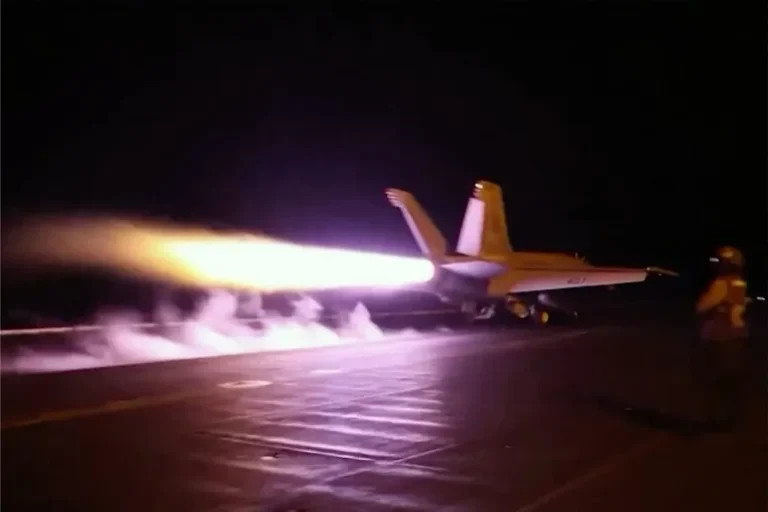
    The United States has resumed large-scale military operations against Iran, launching what officials described as a “heavy wave” of precision strikes after a five-night pause, dramatically escalating tensions across the Middle East and raising fresh concerns over the security of the Strait of Hormuz. According to the US Central Command (CENTCOM), the overnight operation targeted dozens of sites linked to Iran’s Islamic Revolutionary Guard Corps (IRGC), including military command centres, missile and drone facilities, coastal defence systems and maritime infrastructure. The strikes came in response to Iranian missile attacks a day earlier on American forces stationed at a US military base in Jordan. US President Donald Trump had warned that Washington would respond “very hard” to any attack on American troops, and the latest operation marked one of the most extensive US offensives since the conflict intensified earlier this year. Iranian state media reported that at least three civilians were killed in the strikes, including a couple and their two-year-old child after a residential building on Qeshm Island was hit. The IRGC also confirmed that three of its personnel were killed during the attacks. Explosions were reported across several southern Iranian cities, including Ahvaz, Abadan, Bushehr, Kazerun and Farashband. Iranian media said power outages affected parts of Ahvaz following strikes in the oil-rich Khuzestan province, while local officials confirmed that multiple locations in Abadan had also been targeted. The confrontation quickly spread beyond Iran. Jordan said its air defence systems intercepted five Iranian missiles launched toward its territory after Tehran targeted a US airbase and command headquarters inside the kingdom. No casualties were reported. Meanwhile, Kuwait confirmed that an Iranian strike hit a building belonging to a Chinese company in the country’s north, killing one worker and causing significant damage. Saudi Arabia condemned Iran’s attacks on Jordan, describing them as a violation of international law and regional stability. Despite the renewed fighting, diplomatic contacts continue behind the scenes. Pakistan’s Foreign Ministry said negotiations between Tehran and Washington remain active, particularly over the Strait of Hormuz and efforts to reduce tensions. Iranian officials also confirmed that discussions with Omani mediators regarding the future of the strategic waterway are continuing. The Strait of Hormuz remains at the heart of the crisis. Iran insists the waterway remains closed because of US military actions, while Washington accuses Tehran of threatening global shipping and using maritime pressure to strengthen the IRGC’s influence. Adding economic pressure, the US Treasury imposed fresh sanctions on two Iranian companies accused of supporting an IRGC-backed maritime insurance network. Security analysts say Washington now faces a critical decision: continue targeting Iran’s military infrastructure around Hormuz or expand attacks on key national infrastructure. While the latest strikes signal a tougher military posture, experts believe both sides still have incentives to leave the door open for diplomacy, even as the risk of a wider regional war continues to grow.

  • | | |

    PRL and SSGC face Senate anger over missing inform…

    Islamabad: State owned petroleum companies Pakistan Refinery Limited (PRL) and Sui Southern Gas Company (SSGC) faced serious criticism in the Senate after lawmakers expressed dissatisfaction over missing information, failure to follow committee directions and concerns about company management. The Senate Standing Committee on Petroleum questioned the performance and accountability of government owned petroleum companies and considered taking strict action against officials who failed to cooperate with parliamentary oversight. During the meeting chaired by Senator Umer Farooq, the committee reviewed the appointment criteria for chairpersons and managing directors of petroleum companies, the structure of their boards and progress on previous committee recommendations. The committee took serious notice of the absence of the Managing Director of Pakistan Refinery Limited during the meeting. Members expressed concern that PRL, despite being a state-owned company, did not provide the required information to the committee. The committee considered initiating a privilege motion against the Managing Director of PRL for failing to appear and provide necessary details. The Petroleum Division was directed to submit complete information about the boards of directors and senior management of all government owned petroleum companies. The committee said transparency in leadership appointments and company management is necessary because these organisations deal with matters directly linked to the national economy and public interest. The committee also expressed dissatisfaction over the performance of Sui Southern Gas Company and its failure to implement previous recommendations. Members said SSGC had not provided details of its board of directors despite earlier instructions. The committee also raised concerns over remarks made by SSGC that were considered discouraging toward the Senate Standing Committee’s role in discussing important matters. The committee considered moving a privilege motion against SSGC over non compliance with its directions. The Petroleum Division was further directed to review the tenure of board members who have remained in positions beyond the approved period and submit a detailed report. The committee also raised concerns over the absence of performance audits of oil rigs. Authorities were directed to provide the required audit report within seven days so that the committee could review the performance and efficiency of petroleum sector operations. Members said proper audits are necessary to identify problems, improve production and ensure better use of national resources. The committee also reviewed issues related to LPG quotas and licensing. The Oil and Gas Regulatory Authority was directed to hold consultations with all relevant stakeholders and submit a detailed report to the committee. Senators stressed that petroleum companies must improve governance, follow parliamentary instructions and ensure public institutions operate with transparency. The committee said accountability in state owned petroleum companies is essential to protect national interests and improve confidence in the energy sector.

  • | | | |

    Iran claims destruction of three US F-35 jets

    The conflict between Iran and the United States intensified on Thursday after Iran’s Islamic Revolutionary Guard Corps (IRGC) claimed it destroyed three US F-35 fighter jets during a missile attack on Jordan’s al-Azraq airbase, a key facility used by American forces. According to the IRGC, the attack was carried out in retaliation for a US strike on Iran’s Qeshm Island that allegedly killed members of a civilian family. Iranian officials claimed several ballistic missiles struck aircraft maintenance facilities at the base, destroying three F-35 fighter jets and severely damaging three others. The IRGC also alleged that several US military personnel and technical staff were killed in the attack. No independent confirmation of these claims has been provided by US or Jordanian authorities. The latest exchange came after the United States launched fresh overnight strikes targeting multiple locations in Iran, including Bushehr, Qeshm, Bandar Abbas, Kish and Abadan. Iranian media reported that residential areas on Qeshm Island were hit, killing three members of one family and injuring two children. Iran’s Revolutionary Guards also announced that three of their personnel were killed in separate US missile attacks, vowing retaliation against what they described as American aggression. Meanwhile, Jordan said its air defence systems intercepted and destroyed five Iranian missiles heading toward its territory, marking the fourth consecutive day of missile interceptions. Authorities reported no casualties or damage. Iraq also sought to distance itself from the growing conflict. A military spokesperson stated there was no evidence that recent regional attacks had been launched from Iraqi territory, while stressing that only official security forces would be responsible for the country’s defence and security. Iran’s Foreign Ministry said discussions with Omani officials aimed at reducing tensions remain ongoing in Tehran. Iranian officials blamed the continued closure of the Strait of Hormuz and disruptions to global shipping on US and Israeli military operations, insisting that foreign military actions had created instability in one of the world’s most important energy corridors. The IRGC also claimed two oil tankers attempting to pass through the Strait of Hormuz turned back after a fire broke out on one vessel. The group warned the strategic waterway would remain closed while military pressure against Iran continued. Elsewhere, Iran condemned recent US and Saudi air strikes inside Iraq, calling them violations of Iraqi sovereignty and international law. The attacks reportedly targeted Iran-aligned groups operating in the country. The United Nations expressed growing concern over the escalating hostilities. UN Secretary-General António Guterres urged all parties to end military operations immediately and return to diplomatic negotiations, warning that continued escalation could further destabilise the Middle East.

  • |

    Japan earthquake survivors struggle with water shortages and extreme heat

    Communities across southern Japan are facing growing hardship after a powerful 7.1 magnitude earthquake left at least 17 people dead, damaged essential infrastructure, and cut off water and electricity for thousands of residents. As emergency teams continue rescue and relief operations, authorities are racing to address the worsening impact of intense summer temperatures on affected communities. The earthquake struck Kumamoto Prefecture on Tuesday, causing widespread destruction in Yatsushiro, a port city where cracked roads, collapsed buildings, and broken water pipelines have made daily life increasingly difficult. While damaged homes and public buildings are visible reminders of the disaster, local officials say the lack of clean water and electricity has become one of the biggest challenges facing residents. Akio Matsushita, a city official involved in coordinating relief efforts, said restoring the damaged water system could take a long time because of the scale of the destruction. He explained that repair crews are still assessing the underground damage and cannot estimate when normal services will resume. With temperatures reaching around 35 degrees Celsius and humidity remaining high, the shortage of water has become especially dangerous. Even city hall has been affected, forcing officials to install temporary toilets above sewer manholes after indoor facilities stopped working. Authorities have confirmed that at least 17 people lost their lives in the earthquake. Most of the deaths occurred at a paper manufacturing plant operated by Nippon Paper Industries, where severe structural damage trapped workers. Others were reported at an Aeon shopping mall after what officials believe may have been a gas explosion. Six more people remain in cardiopulmonary arrest, while authorities continue investigating additional deaths that may also be linked to the earthquake. Including those cases, the overall death toll could rise to 28. Emergency responders are also preparing for another serious threat as weather forecasts predict temperatures could approach 40 degrees Celsius over the coming days. Officials have warned that people staying in evacuation centres face an increased risk of heat related illnesses. To reduce that danger, Japan’s Self Defense Forces have begun installing around 300 air conditioning units at evacuation shelters and other important relief locations throughout Kumamoto Prefecture. In the hours after the earthquake, military vehicles transported large water tanks to schools and community centres across Yatsushiro. Emergency water stored beneath city hall has been used to refill the tanks, allowing residents to collect drinking water. However, supplies remain limited, with each person allowed only three litres. Among those waiting for water was Masahiro Miyamoto, who spent hours clearing debris after a temple gate collapsed during the quake. Although his own home remained standing, the neighbouring house was destroyed. Without running water, he has depended entirely on military water deliveries. He said the few stores that reopened after the disaster were crowded with shoppers trying to buy food and other essentials, while long lines formed outside petrol stations as people rushed to fill their vehicles. Japan’s location along the Pacific Ring of Fire makes earthquakes a frequent occurrence. The country has invested heavily in earthquake resistant construction and emergency preparedness, helping reduce casualties during many disasters. Even so, powerful earthquakes continue to cause severe disruption, especially in regions with major industrial facilities. The latest earthquake has also affected manufacturing across Kyushu, an important centre for Japan’s automobile and semiconductor industries. Several leading companies, including Toyota, Honda, Nissan, Aisin, and Sony, temporarily suspended parts of their production while inspections were carried out. Taiwan Semiconductor Manufacturing Company also evacuated workers and briefly stopped operations to ensure facilities remained safe. Many residents of Kumamoto still remember the devastating earthquakes that struck the region in 2016, killing more than 260 people and destroying thousands of homes. Even those who survived that disaster said this week’s shaking felt stronger in parts of Yatsushiro. Miyamoto recalled shelves crashing to the floor and computers being thrown across rooms. He said the violent movement was unlike anything he had experienced before, describing the sensation as if he had been lifted off the ground and tossed through the air.

  • |

    Kangana Ranaut sparks criticism after calling Gen Z ‘Generation Gutter’

    Bollywood actor and BJP Member of Parliament Kangana Ranaut has come under heavy criticism after making a series of controversial remarks about young people who participated in recent anti government protests in India. Her comments, shared on social media, quickly went viral and triggered strong reactions from politicians, activists, and social media users. The controversy began after a 36 day protest led by the Cockroach Janata Party along with students and civil society groups ended on July 25. The demonstrations concluded after the government accepted several key demands, including the resignation of then Union Education Minister Dharmendra Pradhan. A few days later, Ranaut posted on Instagram, where she strongly criticised videos from the protests held at Jantar Mantar. She described the footage as disturbing and accused participants of displaying behaviour that she considered offensive and lacking basic values. She questioned the conduct and language of the young protesters and claimed their actions reflected poorly on the country’s cultural traditions. In another post, Ranaut focused on young women who took part in the demonstrations. She argued that true independence comes through personal responsibility, career choices, and accountability rather than simply demanding freedom. Referring to the younger generation as “Generation Gutter,” she claimed many participants were promoting irresponsible lifestyles while depending on their families for financial support. The actor also suggested that independence must be earned through hard work and self reliance. She criticised what she described as a culture of entitlement among some young people and argued that freedom without responsibility leads to negative consequences. Ranaut continued defending her position in another social media post, saying that those who publicly express strong opinions should also be prepared to face criticism. She claimed that if protesters insult public leaders or damage public property, they should expect a response from people who support the government. Referring to Newton’s third law of motion, she argued that every action naturally brings an equal reaction. Her remarks immediately attracted widespread criticism online. Many users accused her of making disrespectful and insulting comments about an entire generation. Others argued that her statements distracted attention from the issues that motivated the protests in the first place. Congress leader Renuka Chowdhury criticised Ranaut’s language, saying it was disappointing for a sitting Member of Parliament to make such remarks about young citizens. She added that public representatives should communicate more responsibly and suggested that Ranaut could eventually face political consequences for her comments. Congress MP Imran Pratapgarhi also condemned the actor’s statements. He expressed confidence that India’s younger generation would respond through democratic means and reject the views she had expressed. Several social media users also pointed to Ranaut’s previous controversial remarks, including comments about actor Urmila Matondkar and participants in earlier protests such as the Shaheen Bagh and farmers’ demonstrations. Critics argued that her latest statements followed a pattern of using harsh language against those with opposing views. Others accused the actor of hypocrisy, saying she frequently criticises the tone of her opponents while overlooking aggressive language used by members of her own political camp. One user described her comments as deeply offensive and questioned why someone in a position of influence would use social media to attack young women instead of encouraging meaningful discussion. The debate has once again placed Ranaut at the centre of political and social controversy. While her supporters defended her right to express her opinions, critics argued that public figures should promote respectful dialogue, especially when discussing young people participating in democratic protests. The exchange has continued to fuel intense debate across social media platforms, reflecting the growing political divide over youth activism and freedom of expression in India.