National

  • | |

    Pakistani mountaineer Asma Mushtaq dies during Spa…

      GILGIT-BALTISTAN: Pakistani travel vlogger and mountaineer Dr Asma Mushtaqhas died during an expedition to Spantik Peak in Gilgit-Baltistan, while rescue teams are continuing efforts to locate and recover her body. Federal Information Minister Atta Tarar said in a statement that a rescue team has reached the location where Dr Asma’s body is believed to be present. According to the minister, the search operation has become increasingly difficult because of the vast area and heavy snowfall recorded in the region over the past two days. The intense snowfall has reportedly covered the body completely under snow, making recovery a challenging task for the rescue personnel. Atta Tarar said that the rescue team had been searching for Dr Asma for several hours, but her body had not yet been recovered. He added that the operation remains underway and teams are continuing their efforts to locate her. Dr Asma Mushtaq reportedly died while returning from the summit of Spantik, a prominent mountain located in the Shigar district of Gilgit-Baltistan. Born on February 7, 1992, Asma was known within the mountaineering community for her passion for adventure, mountains and natural landscapes. She also gained recognition as a travel vlogger, sharing her interest in Pakistan’s scenic destinations and outdoor adventures. Recently, Asma had joined an expedition to climb Spantik Peak, which stands at an elevation of approximately 7,027 metres and is located in Pakistan’s Karakoram mountain range. The mountain is considered one of the country’s notable climbing destinations and attracts mountaineers seeking challenging high-altitude expeditions. According to reports, Asma successfully reached the summit of Spantik along with her guide, Ali Akbar. At the time of reaching the summit, her health was reportedly stable and she was able to complete the ascent successfully. However, problems reportedly arose during the descent. After leaving the summit, Asma allegedly developed symptoms associated with high-altitude sickness, a potentially serious condition that can affect people at extreme elevations because the body receives less oxygen at high altitude. Her guide, Ali Akbar, reportedly provided her with initial medical assistance after her condition deteriorated. Despite the efforts to help her, she could not survive. The incident has highlighted the risks associated with high-altitude mountaineering, particularly during difficult weather conditions. Climbers face several hazards during such expeditions, including extreme cold, heavy snowfall, reduced oxygen levels, exhaustion and rapidly changing weather. The recovery operation is now focused on locating Asma’s body in an area affected by significant snowfall. Rescue teams are reportedly facing difficult conditions as they search through snow-covered terrain. Officials have said that the operation will continue until the body is located and recovered. The difficult terrain and heavy snowfall have made the search more complicated, while rescuers are working in challenging mountainous conditions. Asma’s death has been mourned by those familiar with her work and passion for mountaineering and travel. Her journey into Pakistan’s mountainous regions reflected her strong interest in adventure and the country’s natural beauty. The rescue authorities are continuing their efforts, while further details about the recovery operation are expected as the search progresses.
  • | |

    How did the PIMS NICU tragedy unfold?

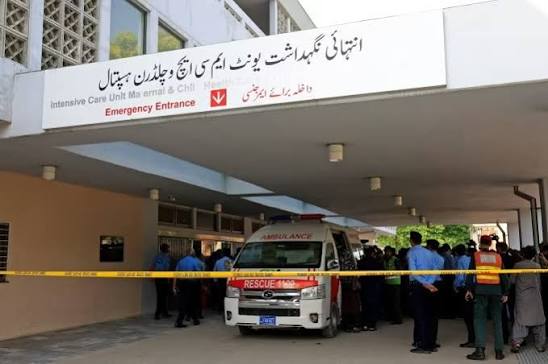
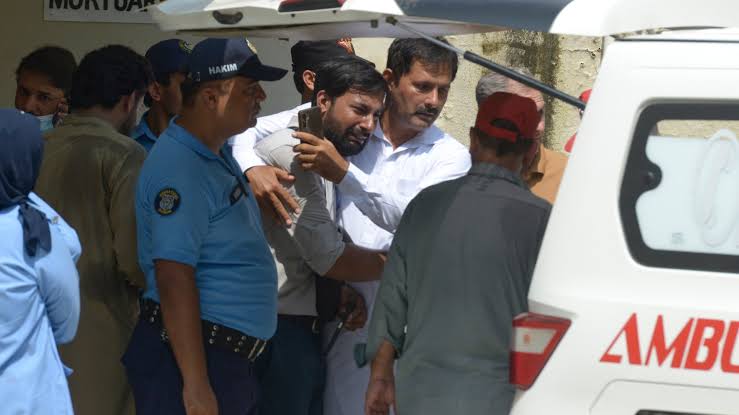
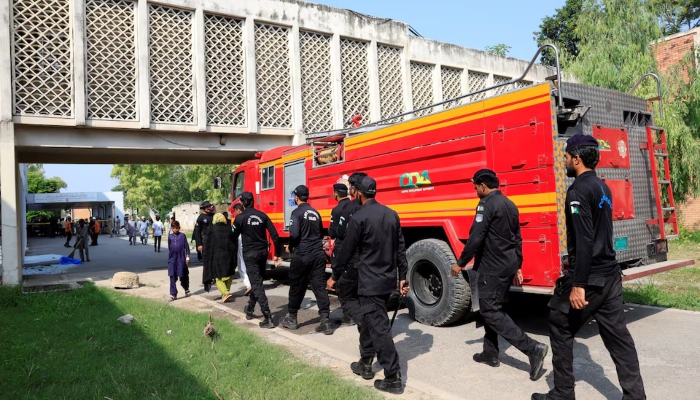
      An initial investigation by the Pakistan Institute of Medical Sciences (PIMS) has shed new light on the fire that killed 15 newborn babies at the hospital’s neonatal intensive care unit (NICU). According to the preliminary report prepared by the PIMS administration, a nebulizer attached to an incubator, used to deliver or monitor oxygen for a newborn, reportedly burst inside the NICU. The incident caused the oxygen to catch fire, triggering a blaze in the unit. The report says the fire initially remained limited but spread rapidly. Thick smoke entered the babies’ breathing system through the oxygen pipeline, while the fire and heat also affected the infants. The preliminary findings indicate that the newborns died from a combination of oxygen supply failure, smoke inhalation and burn injuries. Earlier, rescue officials and hospital authorities had attributed the fire to an air-conditioner compressor explosion in the gynecology ward. They also said the presence of oxygen cylinders contributed to the rapid spread of the flames. One newborn reportedly survived the incident. The tragedy has raised serious questions about safety arrangements and emergency response at the hospital. The bodies of the deceased newborns have been handed over to their families. Parents and eyewitnesses alleged that hospital staff were not present in the nursery when the fire broke out and claimed that the doors remained closed, making it difficult to evacuate the babies. They also questioned the response time of rescue teams. PIMS Executive Director, however, rejected claims that staff had abandoned the NICU. He said two doctors, four nurses and other staff members were present in the intensive care unit at the time of the incident. He also maintained that the hospital had an adequate fire safety system. The Capital Development Authority (CDA) said its rescue teams reached the hospital soon after receiving the emergency call. According to the authority, firefighters brought the blaze under control and immediately shifted the affected newborns to the intensive care unit for treatment. The district administration has formed an eight-member inquiry committee to determine the exact cause of the fire and assess whether safety protocols were properly followed. The committee has been directed to submit its findings within 24 hours. The conflicting accounts about the source of the fire have increased pressure for a detailed and impartial investigation. The final inquiry is expected to establish how the fire started, why it spread so quickly, whether the oxygen system played a role and whether the hospital staff and emergency services responded according to established safety procedures.

  • | |

    Raja Nasir Abbas condemns PIMS hospital tragedy, q…

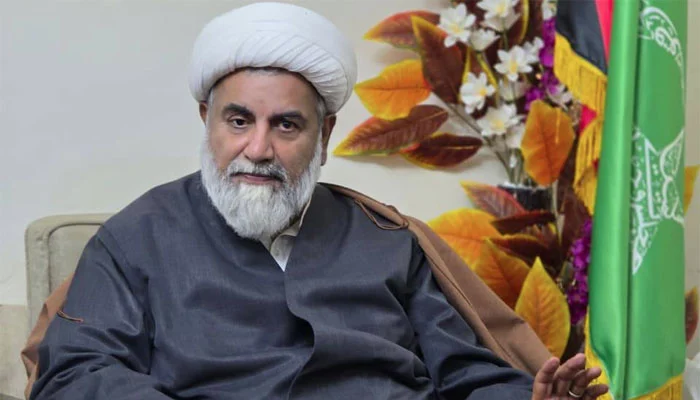
    ISLAMABAD: Leader of the Opposition in the Senate Allama Raja Nasir Abbas has described the PIMS Hospital incident as an extremely painful and unbearable tragedy, expressing deep concern over the loss of lives and the suffering of affected families. Speaking to the media after arriving at the Pakistan Institute of Medical Sciences (PIMS), Raja Nasir Abbas criticized the government’s response to the incident and questioned whether removing a health secretary could be considered an adequate action in response to such a serious tragedy. He said that simply removing a senior health official would not address the underlying issues that led to the incident. According to him, the government must look beyond administrative changes and take practical measures to prevent similar incidents from occurring in the future. “Do you think that by removing one health secretary, you have done your job?” he questioned while speaking to the media. The Senate opposition leader also expressed sympathy for the families who lost their children in the incident. He asked people to imagine the pain and suffering of parents whose children were burned to death. “What must the parents whose children were burned to death have gone through?” he asked, while condemning what he described as the actions and handling of the situation by the authorities. Raja Nasir Abbas said that such incidents raise serious questions about the quality of public services and the government’s responsibility toward citizens. He stressed that people rely on state institutions for essential services, particularly healthcare and education, and expect these institutions to provide safe and reliable facilities. The opposition leader also drew a comparison between the public education and healthcare systems and the growing reliance on private institutions. He said that when government schools fail to meet people’s expectations, families are often forced to turn toward private educational institutions. Similarly, when people do not receive satisfactory treatment or adequate medical facilities at government hospitals, they are compelled to seek treatment from private hospitals. He argued that this trend places an additional financial burden on ordinary citizens, particularly families who cannot afford expensive private healthcare or education. Raja Nasir Abbas emphasized that government institutions should be strengthened so that citizens can receive essential services without having to depend on private alternatives. He suggested that authorities need to identify weaknesses within public-sector institutions and take effective steps to improve their performance. His comments came during his visit to PIMS, where he spoke about the incident and the concerns surrounding the hospital’s safety and management. The tragedy has prompted questions about safety arrangements, institutional accountability and the government’s responsibility for protecting patients and their families. The opposition leader’s remarks also highlighted the broader issue of public confidence in government institutions. When public hospitals fail to provide adequate care or safe facilities, people who cannot afford private treatment are particularly vulnerable. He called for greater accountability and better management of public-sector institutions, arguing that administrative decisions alone cannot resolve systemic problems. The incident has intensified debate over hospital safety and emergency preparedness, with calls for authorities to investigate what happened and determine whether negligence or shortcomings contributed to the tragedy. Raja Nasir Abbas maintained that the government must take meaningful measures rather than limiting its response to the removal of individual officials. He stressed that improving public hospitals and ensuring the safety of patients should remain a priority. He further expressed solidarity with the bereaved families and condemned the circumstances surrounding the deaths, saying that the suffering of parents who lost their children could not be ignored.

  • | |

    AJK assembly to elect prime minister on August 27

    MUZAFFARABAD: The Azad Jammu and Kashmir (AJK) Legislative Assembly will elect the new prime minister on August 27, with the Pakistan Muslim League-Nawaz (PML-N) in a strong position to secure the top office. The election schedule was issued on Wednesday, setting out the timeline for nomination papers, scrutiny, withdrawal and polling. Under the schedule, candidates will submit their nomination papers between 9:30am and 10:30am. The scrutiny process will take place from 10:30am to 10:45am. The list of candidates will be displayed at 11am. Candidates will have 30 minutes, from 11am to 11:30am, to withdraw their nominations. The final list of candidates will be issued at noon. Polling for the office of prime minister will begin at 12:30pm in the Legislative Assembly. The newly elected prime minister is scheduled to take the oath between 4pm and 5pm on the same day. The PML-N has nominated party president Shah Ghulam Qadir for the position. Based on the current strength of the assembly, he is considered the leading candidate for the office. The recent AJK elections were conducted in three phases between July 27 and August 10. Polling was held in 38 of the 45 directly contested constituencies. The PML-N emerged as the largest parliamentary group by winning 25 seats, while the Pakistan Peoples Party (PPP) secured 12 seats. The PML-N’s position was further strengthened after the lone elected member of the Awami Dast-o-Bazu party joined the ruling alliance. The PML-N currently has the backing of 32 members, compared with 14 members supporting the PPP. The numbers give the PML-N a clear advantage ahead of the prime ministerial election. The political balance was also reflected in the recent elections for the assembly’s top offices. PML-N AJK Secretary General Chaudhry Tariq Farooq was elected speaker with 32 votes. Ahmed Raza Qadri also secured 32 votes to become deputy speaker. PPP nominee Qasim Majid received 13 votes in the speaker’s election, while PPP candidate Amir Abdul Ghaffar Lone secured 13 votes in the deputy speaker’s contest. One PPP vote was declared invalid. The new assembly formally began its parliamentary term on August 24, when 46 newly elected members took their oaths. Outgoing Speaker Latif Akbar administered the oath during the inaugural sitting.

  • | |

    PIMS tragedy revives questions over delayed hospit…

    ISLAMABAD: Almost three years after the caretaker federal government proposed appointing officers from the Pakistan Army Medical Corps to lead the Pakistan Institute of Medical Sciences (PIMS) and Federal Government Polyclinic (FGPC), the proposal remains unimplemented. Following the August 26, 2026 fire in the PIMS Mother and Child Health (MCH) Ward that claimed the lives of several newborns, questions are being raised over whether prolonged administrative delays contributed to weaknesses in   hospital management On October 9, 2023, the Ministry of National Health Services approached the Ministry of Defence seeking BS-21 officers from the Army Medical Corps for three-year deputations as Executive Directors of PIMS and FGPC. The ministry cited vacant executive positions and a shortage of eligible officers in the relevant cadre as reasons for seeking experienced hospital managers. The proposal was described as an interim measure intended to improve the management and service delivery of two of Islamabad’s busiest public hospitals. The proposal faced opposition from sections of the medical community. On October 30, 2023, the Islamabad chapter of the Pakistan Medical Association criticized the plan, arguing that bringing military officers into civilian hospitals could undermine the role of civilian doctors. Legal complications subsequently emerged. The Islamabad High Court restricted the appointment of outside deputationists as permanent heads, pushing authorities toward appointments from within the existing health system. The health ministry also maintained that appointments would ultimately be made according to established procedures and merit. Nearly three years later, the absence of permanent leadership at the hospitals has renewed criticism of the government’s handling of the issue. A senior health-sector observer argued that timely implementation of the original proposal might have improved management, reduced financial leakages and strengthened oversight of procurement, medicines, machinery, construction and renovation projects. PIMS has already faced concerns over staffing and expenditure. Figures cited in the debate include Rs22 billion allocated over three years, an alleged Rs670 million over spend against a budget of Rs6.84 billion last year, and 949 vacant positions out of 2,451 sanctioned posts at PIMS. More than 1,470 posts are reportedly vacant across four federal hospitals in Islamabad. The August 26 fire has intensified these concerns. Prime Minister Shehbaz Sharif took notice of the incident, while Health Minister Mustafa Kamal was directed to submit a report. Health Secretary Aslam Ghauri was suspended and a high-powered inquiry was ordered. The controversy has now moved beyond the question of who should manage federal hospitals to whether those responsible for prolonged administrative shortcomings should be held accountable. Critics are questioning whether officials who managed billions of rupees in public funds should face consequences if negligence or poor oversight is established. They have also warned against allowing the inquiry to end with routine transfers, suspensions or committees without meaningful reforms. Supporters of the original proposal point to the management of military-run Combined Military Hospitals (CMHs), arguing that they demonstrate stronger discipline, cleanliness and operational management. However, opponents maintain that civilian healthcare institutions should be strengthened through transparent, merit-based appointments rather than relying on military deputations. With legal restrictions and opposition to military appointments, the government may need to move quickly toward permanent, merit-based leadership for PIMS and FGPC. The recent tragedy has made the issue more urgent. The central question is no longer simply whether the 2023 proposal should have been implemented, but whether years of administrative uncertainty contributed to systemic weaknesses. Ultimately, an independent inquiry must determine the causes of the fire and establish responsibility based on evidence. The priority now should be ensuring that Islamabad’s major public hospitals have competent leadership, adequate staffing, effective safety systems and transparent financial oversight. August 25, 2023: Health ministry stresses merit-based appointments. October 9, 2023: Defence ministry approached for Army Medical Corps officers. October 30, 2023: PMA Islamabad opposes the proposal. Late 2023–2024: Legal restrictions emerge over outside deputations. August 26, 2026: Fire breaks out in PIMS MCH Ward, resulting in multiple deaths.

  • | |

    Karachi hospitals face fire safety gaps after PIMS…

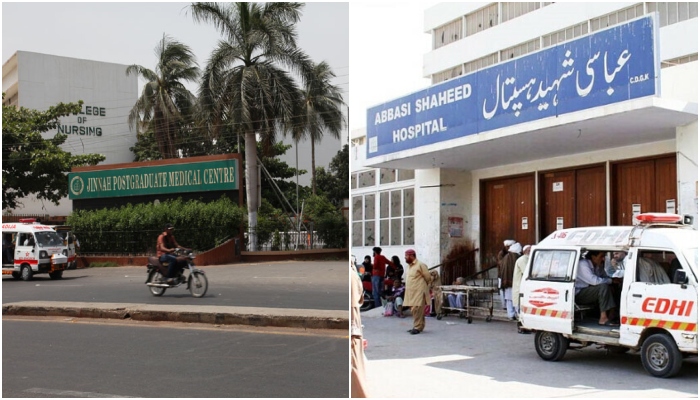
    KARACHI: Serious shortcomings in fire safety arrangements have been reported at major government hospitals in Karachi following the deadly fire at the Pakistan Institute of Medical Sciences (PIMS) in Islamabad, where newborns lost their lives. Hospital sources said several major public healthcare facilities in Karachi lack functional fire alarm systems and adequate emergency preparedness, raising concerns about the safety of thousands of patients and healthcare workers. At Abbasi Shaheed Hospital, operated by the Karachi Metropolitan Corporation (KMC), only 13 fire extinguishers are reportedly available across the facility. Sources said hospital staff have also not received regular fire safety training or participated in proper fire drills. The hospital reportedly does not have a fire alarm system or a designated emergency exit route. The situation is particularly concerning because hundreds of patients visit the emergency department every day, while more than 1,000 patients reportedly attend the outpatient department (OPD). Abbasi Shaheed Hospital has two generators, with one reportedly kept as a backup power source. The hospital’s Medical Superintendent said authorities were taking further steps to improve the fire safety system and address existing shortcomings. At Jinnah Postgraduate Medical Centre (JPMC), fire extinguishers are available in the wards, but hospital sources said several of them are not functional. Sources further said the last fire drill at the hospital was conducted in 2017. The hospital also reportedly lacks an installed fire alarm system. JPMC’s Joint Executive Director said a dedicated firefighting team needs to be established at the hospital. He said each ward has a fire extinguisher, while further training for staff is also required. He added that the hospital administration would write to the Sindh government seeking additional fire safety training for employees. Meanwhile, Civil Hospital Karachi has around 180 fire extinguishers distributed among its wards. However, sources said the overall fire safety arrangements at the hospital also fall short of ideal standards. The revelations have raised concerns about the preparedness of major public hospitals in Karachi to deal with fires and other emergencies. Large government hospitals handle thousands of patients, attendants and healthcare workers every day. In the event of a fire, the absence of functional alarms, clearly marked emergency exits, regular drills and trained response teams could make evacuation difficult and increase the risk to human lives. The situation has come under renewed scrutiny after the PIMS tragedy in Islamabad, prompting calls for immediate inspections of fire safety systems at hospitals across the country. Experts and hospital officials have stressed the need for regular fire drills, functioning extinguishers, alarm systems, emergency exits and trained firefighting teams.

  • | |

    Gold nears record high as investors set sights on …

    International gold prices could move back toward the $5,000-per-ounce level in the coming weeks as investors closely monitor inflation, US Federal Reserve policy and growing demand for safe-haven assets. Spot gold fell 0.5 percent to around $4,643 per ounce on Wednesday after reaching its highest level since mid-May earlier this week. Meanwhile US gold futures settled at approximately $4,700.70. Despite the slight decline, the recent rally has strengthened expectations that gold could make another attempt at the psychologically important $5,000 mark. The precious metal has benefited from renewed investor demand as market participants look for protection against economic and financial uncertainty. Market attention is now turning toward developments that could influence the direction of gold prices. Investors are particularly watching trade conditions in the Gulf and the impact of inflation on major economies and businesses. Another important catalyst will be a speech by US Federal Reserve Chairman Kevin Warsh on Friday. His comments could provide fresh clues about the central bank’s monetary policy outlook and potentially influence gold prices in the short term. Gold could also gain further support if concerns about the sustainability of US government finances increase. Rising concerns over government debt and fiscal stability can encourage investors to seek alternative stores of value including precious metals. With gold already trading close to record levels, several major market events could determine its next move. Inflation data and signals from the Federal Reserve are likely to remain among the most important factors for traders. If upcoming economic data strengthens expectations of easier monetary policy gold could regain upward momentum and move closer to the $5,000-per-ounce level in the near term. Lower interest rates generally make non-yielding assets such as gold more attractive to investors. At the same time continued geopolitical and economic uncertainty could further support demand for the precious metal. For now, traders will be watching the Federal Reserve’s signals inflation trends and broader market conditions closely. A combination of softer inflation and expectations of monetary easing could provide the catalyst needed for gold prices to resume their rally toward the closely watched $5,000 level.

  • | |

    One rangers personnel martyred, another injured in…

    MUZAFFARABAD: One Rangers personnel was martyred and another seriously injured after an armed group opened fire during a road clearance operation in Azad Jammu and Kashmir (AJK), according to security sources. The incident occurred during a clearance operation on the Sarsawa-Tatrar-Khal road, where security personnel were working to clear the route and facilitate the reopening of blocked roads for local residents. According to security sources, the armed group targeted the Rangers personnel with sniper fireduring the operation. The sudden attack resulted in two personnel sustaining gunshot wounds. The sources said Sepoy Shahnawaz, a Rangers soldier, was struck by a bullet in the chest and succumbed to his injuries. Another Rangers personnel, Lance Naik Bilal, was shot in the shoulder and suffered serious injuries. Following the attack, security personnel took steps to secure the area and deal with the situation. Further details regarding the attackers and their whereabouts were not immediately available. Security sources said the martyred Rangers personnel, Sepoy Shahnawaz, belonged to Khairpur, Sindh. His death has added to the concerns surrounding the security situation during operations to reopen roads in the region. The clearance operation was reportedly launched following strong demands from local residents, who had called for blocked routes to be reopened. The operation was aimed at removing obstacles and ensuring that transportation could resume on roads used by residents of the affected areas. The attack occurred while security personnel were carrying out their duties, highlighting the risks faced by law-enforcement and security forces during road clearance and security operations. According to the sources, the use of sniper fire made the attack particularly dangerous, as personnel involved in the clearance operation were exposed to gunfire while attempting to restore access to the road. The injured Rangers personnel, Lance Naik Bilal, was reportedly in serious condition after sustaining a bullet wound to his shoulder. Further information regarding his medical condition and treatment was not immediately available. Authorities are expected to take further security measures in the area following the incident. The identities and motives of those involved in the attack have yet to be officially disclosed. The road clearance operation itself was being conducted in response to demands from residents who wanted the closed routes reopened. Such roads are important for the movement of local communities, particularly in areas where residents depend on road links for transportation and access to essential services. The incident has also raised concerns over the security challenges faced by personnel deployed to clear and reopen routes in areas where tensions or unrest may be present. Security officials have not yet provided details about whether any arrests have been made or whether the attackers were identified. It was also not immediately clear if the clearance operation would continue following the attack. The martyrdom of Sepoy Shahnawaz and the injury to Lance Naik Bilal underline the dangers faced by security personnel while carrying out operations intended to restore road access for civilians. Authorities are likely to assess the security situation before proceeding with further clearance activities. Meanwhile, efforts to restore normal movement on the affected road remain a key concern for local residents. Further developments are expected as authorities investigate the attack and determine the circumstances surrounding the sniper firing.

  • | | |

    Lahore custody deaths: Punjab police says women di…

    Punjab Inspector General Rao Abdul Karim has said that there is no evidence of physical torture or police violence in the deaths of two women who died after being taken into custody at a Lahore police station. The two women 17-year-old Amna and 22-year-old Anmol were sisters-in-law. They were arrested on August 4 in connection with a case involving alleged theft and fraud and were taken to Township Police Station in Lahore. According to police both women developed health problems within a few hours of their detention. They were subsequently taken to hospital, where they died. Speaking to the media on Tuesday night Punjab IG Rao Abdul Karim said a transparent and impartial investigation had been conducted into the incident. He claimed that a medical board had found no evidence of physical torture external injuries or wounds on the bodies of either woman. He also said that a separate magisterial inquiry conducted under Section 176 of the Code of Criminal Procedure found no evidence of police torture. The investigation included a detailed review of available CCTV footage while statements from police officers and witnesses were also recorded according to the Punjab police chief. The IG further said that the initial medical examination found multiple injection marks on the women’s arms. According to him, the marks were consistent with repeated use of injectable substances. The Punjab Forensic Science Authority collected the necessary forensic samples for further investigation and the forensic report has now been received. Citing the forensic findings, the Punjab IG claimed that both women were habitual users of different types of drugs. He said the medical board had concluded that their deaths resulted from cardiac arrest caused by a drug overdose. The police chief also claimed that both women had previous criminal cases registered against them in Lahore and Gujrat in connection with alleged fraud and cheating. He added that a review of CCTV footage showed that the women’s clothes had already been torn before they were taken into police custody. The deaths have raised questions about the circumstances surrounding the women’s detention and the events that occurred before they were taken to hospital. While the Punjab police has ruled out torture based on the available medical, forensic and investigative findings the case has attracted significant public attention. The findings of the medical and forensic investigations are expected to remain central to any further legal or public scrutiny of the Lahore custody deaths.

  • | | |

    Rs22 Billion allocated to PIMS, 14 newborns dead

    ISLAMABAD: A deadly fire at the Pakistan Institute of Medical Sciences (PIMS) on August 26 resulted in the deaths of at least 14 newborns, raising serious questions about safety standards, hospital management and the use of public funds. The tragedy has brought renewed attention to the financial resources provided to the country’s major public hospitals. Federal government records show that approximately Rs22 billion was allocated to PIMS over the past three years. Despite these substantial allocations, the hospital continues to face staff shortages, maintenance concerns and problems with essential equipment Official budget figures show that PIMS received an allocation of Rs6.84 billion during the previous financial year. However, the hospital spent approximately Rs7.51 billion, exceeding its approved budget by around Rs670 million.The institution also received an additional Rs660 million in supplementary funds during the year.For the current financial year, the government’s allocation for PIMS has been increased to approximately Rs7.63 billion. Questions have also been raised over funds allocated for repair and maintenance. The federal government had previously provided Rs500 million under this category, while only Rs230 million has been earmarked for the current year. These figures have prompted concerns over whether available resources are being effectively utilised and whether sufficient priority is being given to basic safety, maintenance and patient care. Despite receiving billions of rupees in government funding, PIMS is reportedly operating with a significant shortage of staff. Hospital data indicates that 949 sanctioned positions remain vacant. These include 385 doctors, 363 nurses and 201 paramedical staff. Such shortages can place additional pressure on existing employees and affect the hospital’s ability to provide timely care. Understaffed wards can also make emergency response more difficult, particularly in critical departments where patients require continuous monitoring. The PIMS fire has therefore intensified questions about whether staffing gaps and inadequate resources played any role in the tragedy. Determining the exact causes, however, will require a transparent and independent investigation. The concerns surrounding PIMS are part of a broader debate over safety and accountability in Pakistan’s public hospitals. A review of reported incidents between 2016 and 2026 has highlighted several cases involving alleged negligence and failures in healthcare facilities across the country. In June 2025, 20 children, including 15 newborns, reportedly died at DHQ Hospital Pakpattan, with oxygen shortage cited as a possible factor. In October 2020, seven patients died at Khyber Teaching Hospital Peshawar following an oxygen supply failure. In November 2024, a three-year-old child reportedly fell into an open manhole inside Children’s Hospital Lahore. Other reported incidents across different cities have involved alleged treatment delays, incorrect injections, oxygen-related problems and unsafe hospital infrastructure. The PIMS tragedy has once again raised questions about whether increasing government allocations are producing meaningful improvements in public healthcare. The government has ordered an inquiry into the fire, which is expected to determine the circumstances surrounding the deaths and identify any negligence or safety failures. For the families who lost their newborns, however, no investigation can undo the loss. The central question now is whether the billions allocated to PIMS have been used effectively and whether hospital authorities maintained adequate staffing, equipment, fire-safety systems and infrastructure. If a major public hospital receiving billions in government funding cannot guarantee basic safety for vulnerable patients, accountability must extend beyond temporary suspensions or administrative changes. The tragedy has highlighted the urgent need for stronger oversight, transparent financial management, adequate staffing and enforceable safety standards across Pakistan’s public healthcare system.