National

  • | | |

    Sindh empowers Deputy Commissioners to manage Evac…

    The Sindh government has expanded the powers of deputy commissioners by appointing them as administrators of evacuee trust properties in their respective districts. According to a notification issued by the Sindh Minorities Affairs Department all deputy commissioners in the province have been given additional responsibilities to oversee and protect evacuee trust properties. Under the new arrangement deputy commissioners will supervise commercial, agricultural and religious properties located within their districts. They will also be responsible for ensuring the proper management protection and regulation of these properties. The move is aimed at strengthening the administrative oversight of evacuee trust properties and ensuring that such assets are properly managed at the district level. The notification gives deputy commissioners specific powers to regulate and protect these properties. They will also be required to establish district-level committees to assist with the administration and management of evacuee trust properties. The Sindh government’s decision is expected to provide a more centralized administrative mechanism for dealing with properties under the relevant trust arrangements. District administrations will now have a greater role in monitoring these assets and addressing issues related to their management. The new powers cover different categories of properties including commercial agricultural and religious assets. Deputy commissioners will oversee these properties within their respective jurisdictions and take administrative measures under the authority granted by the provincial government. The notification further states that the new orders will take effect immediately. The decision comes as provincial authorities seek to strengthen the protection and regulation of properties that fall under the evacuee trust framework. By assigning these responsibilities to deputy commissioners the government has placed district administrations at the center of the property management process. The formation of district-level committees is also expected to help deputy commissioners carry out their new responsibilities and improve coordination between relevant departments. The Sindh government has not indicated that the new arrangement is temporary. With immediate effect deputy commissioners across the province will exercise their newly assigned administrator powers and oversee evacuee trust properties within their districts. The development represents a significant expansion of the administrative role of deputy commissioners in Sindh and gives district authorities greater responsibility for the protection regulation and management of evacuee trust properties

  • | |

    GB to auction hunting permits for Markhor, blue Sh…

    GILGIT: The Parks and Wildlife Department of Gilgit-Baltistan is set to auction hunting permits for three Astore markhors, 14 blue sheep and 100 Himalayan ibexes under the region’s Trophy Hunting Programme for the 2026-27 season. The base price for an Astore markhor permit has been fixed at $200,000, making it the most expensive permit on offer. The minimum price for a blue sheep permit has been set at $25,000, while permits for Himalayan ibex will start at $11,000. According to the auction notice, four Astore markhors are included in the exportable quota. However, one permit from the previous hunting season has been carried forward, leaving three fresh permits to be auctioned this year. The open auction will take place on September 10 at the Forest Complex in Jutial, Gilgit. The trophy hunting season will begin on October 15, 2026, and continue until April 10, 2027, in accordance with the GB Trophy Hunting Guidelines 2019. Hunting will be permitted only within officially designated conservation areas. The department said the annual hunting quota has been determined following wildlife population surveys conducted by experts. GB Chief Conservator Parks and Wildlife Zakir Hussain said that the department collected approximately Rs350 million through permit auctions last year against a target of Rs550 million. He said several permits remained unused during the 2025-26 season, including those for two Astore markhors, five blue sheep and 10 exportable Himalayan ibexes. The unused permits resulted in an estimated revenue loss of around Rs200 million. According to officials, the cancellation of hunting plans by American and other international hunters was linked to the law-and-order situation following violent protests in Gilgit and Skardu. Local business owners and tourism operators have expressed concern over repeated increases in trophy hunting permit prices. They argue that higher baseline rates have discouraged foreign hunters and negatively affected businesses connected with hunting tourism. Ikram Beg, a local business owner who sells hunting equipment, said the trophy hunting programme was facing significant challenges. He claimed that the Wildlife Department had increased baseline prices by more than 300 per cent over the past two years without adequately incorporating recommendations from major stakeholders. According to Beg, excessive price increases could make Gilgit-Baltistan less competitive in the international trophy hunting market. He warned that declining international participation could reduce government and community revenues while weakening incentives for local residents to participate in wildlife conservation. Beg stressed that trophy hunting should primarily serve as a conservation mechanism rather than simply becoming a source of increased government revenue. He said the programme’s long-term success depends on reasonable pricing, international participation, transparent administration and meaningful financial benefits for local communities. Local stakeholders have called for a review of the permit rates and greater consultation with communities, conservation specialists and industry representatives. They have also demanded transparency and strict adherence to applicable rules and regulations. Although trophy hunting remains controversial internationally, its supporters argue that regulated hunting can generate funds for conservation, discourage illegal hunting and provide financial benefits to communities living near wildlife habitats. In Gilgit-Baltistan, the programme began with community participation in Bar Valley, Nagar, in 1990. Under the existing revenue-sharing model, approximately 80 per cent of licence revenue goes to local communitiesfor wildlife protection and conservation activities. The region’s challenging terrain and harsh weather also make trophy hunting highly demanding. Hunters must navigate steep and rugged mountain slopes while dealing with extremely cold conditions. Gilgit-Baltistan is home to diverse wildlife because of its varied ecosystems and climate. Species found in the region include Marco Polo sheep, ibex, markhor, urial, blue sheep, lynx, snow leopards, brown and black bears, wolves, foxes and golden eagles. However, wildlife experts and conservationists continue to face concerns over illegal hunting, inadequate wildlife management and the effects of climate change, all of which pose long-term threats to the region’s biodiversity.

  • | |

    Rs1.52 billion still unpaid by Chanar Sugar Mills,…

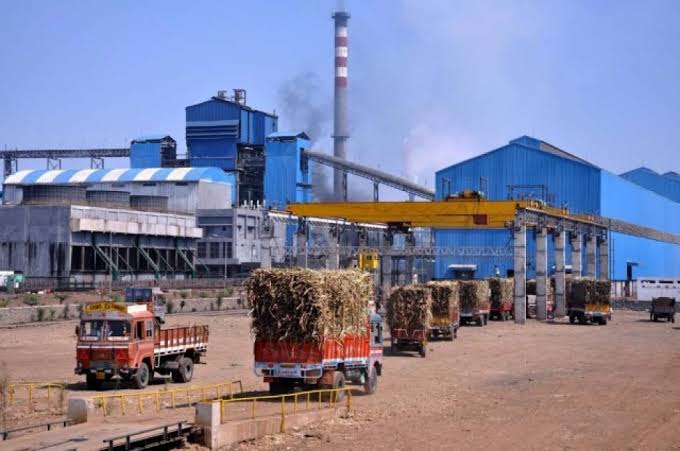
    LAHORE: Outstanding payments owed by M/s Chanar Sugar Mills Limited have reached approximately Rs1.518 billion, with liabilities accumulating across four crushing seasons, according to official data updated on August 24, 2026. The figures show that the amount determined by the Directorate General of Food/CCPb against the sugar mill for the crushing seasons from 2022-23 through 2025-26 totals Rs2.103 billion. Of this amount, around Rs1.518 billion remains unpaid. The latest data indicates that the largest outstanding liability relates to the 2025-26 crushing season. The mill has yet to clear Rs802.19 million determined for that season, representing the entire amount recorded against it. For the 2024-25 season, Rs588.14 million was determined, while approximately Rs341.94 million remains outstanding. Similarly, against Rs552.17 million determined for the 2023-24 season, around Rs347.63 million is still pending. The oldest outstanding amount relates to the 2022-23 crushing season. Against Rs160.25 million determined for that period, Rs26.73 million remains unpaid. The figures highlight the continuing issue of delayed payments within the sugar sector, where outstanding dues can create financial pressure for growers and other stakeholders dependent on timely settlements. The accumulation of unpaid liabilities across multiple crushing seasons has also raised concerns about the timely clearance of dues ahead of the next crushing cycle. Stakeholders have called for effective enforcement and prompt settlement of outstanding amounts to protect the interests of farmers and support the smooth functioning of the sugar industry. The latest official figures underline the scale of the pending liabilities and place renewed focus on the mechanisms available to authorities for ensuring that assessed payments are recovered within the prescribed timeframe.

  • | |

    SC summons Sindh IG over murder FIR delays

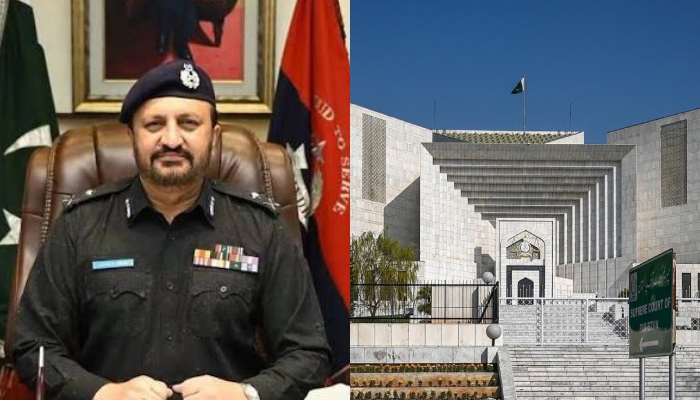
    The Supreme Court has summoned the Inspector General of Sindh Police over delays in registering murder cases. A bench of the Supreme Court heard a case concerning the alleged delay in the registration of murder FIRs. During the hearing, the court expressed serious concern over the police response to complaints and directed the Sindh police chief to appear personally at the next hearing. The court also summoned the Advocate General Sindh and the Deputy Inspector General (DIG) Sukkur. All three officials have been directed to appear before the court at the next hearing and explain the situation regarding delays in registering criminal cases. Justice Hashim Kakar expressed strong displeasure over the performance of the Sindh police. He observed that the system of accountability and punishment appeared to be ineffective in the province. The judge said the police were allegedly allowing accused persons to escape accountability. He noted that in the case being heard by the court, the murder case was registered two days after the killing. Justice Kakar further observed that police in several cases appeared reluctant to register FIRs. He questioned how victims and their families could receive justice if cases were not registered promptly. The judge used strong remarks to highlight the seriousness of the situation and criticised what he viewed as shortcomings in the handling of murder complaints. Justice Salahuddin also expressed concern over the law-and-order situation in parts of Sindh. He specifically pointed to the conditions in Sukkur and Larkana, describing the situation there as particularly troubling. The court directed the relevant officials to appear personally and provide answers regarding the alleged delays and the overall performance of the police in registering murder cases. The Supreme Court subsequently adjourned further proceedings in the case until September 21. The summoned officials are expected to appear before the court on that date and respond to the concerns raised by the judges.

  • | |

    PIMS denies CT Scan failure after Imran Khan’s h…

    ISLAMABAD: The Pakistan Institute of Medical Sciences (PIMS) has rejected reports that its CT scanning facility was unavailable after former prime minister and PTI founder Imran Khan was unable to undergo a recommended heart scan during his recent visit to the hospital. In a statement issued on Tuesday, the hospital administration said the CT machine installed in 2022 “remains functional” and continues to provide diagnostic services. Imran, who is currently incarcerated at Adiala Jail, was taken to Pims last week for an eye-related procedure and other medical examinations. Doctors had reportedly recommended a CT coronary angiography (CTA), a diagnostic test used to examine the coronary arteries and identify possible blockages. However, the test was not performed before he was returned to jail. The development prompted Prime Minister Shehbaz Sharif to order an inquiry into reports that the required facility at Pims was not operational. An inquiry committee was subsequently constituted to establish the facts surrounding the missed examination. Pims clarified that medical imaging procedures are carried out according to clinical assessments, specialist recommendations, patient-safety requirements and established medical protocols. The administration also cautioned against interpreting the use or non-use of a particular imaging procedure outside its medical context. A senior Pims doctor, speaking on condition of anonymity, said approximately a dozen CT coronary angiographies had been performed at the hospital before the latest statement was issued. The controversy has also intensified demands from PTI leaders for Imran to be transferred to Shifa International Hospital in Islamabad. The Supreme Court had directed on August 18 that he be shifted to the facility. PTI Information Secretary Sheikh Waqas Akram has questioned why the recommended examination was not carried out. He said a government-appointed medical board examined Imran on August 10, while a Pims cardiologist had recommended the cardiac scan earlier due to reported fluctuations in blood pressure, palpitations, headaches and restlessness, along with concerns related to his age and prolonged incarceration. Akram alleged that the test was considered medically necessary but was not conducted when Imran was brought to Pims. He further claimed that hospital officials cited the unavailability of the facility despite the presence of a functioning CT scanner. The conflicting accounts have placed renewed attention on Imran’s medical care and the circumstances surrounding the recommended cardiac examination, with the government-ordered inquiry expected to clarify whether the test was withheld for medical reasons or because of an operational issue.

  • | |

    Judge walks out after uproar in Aleema case

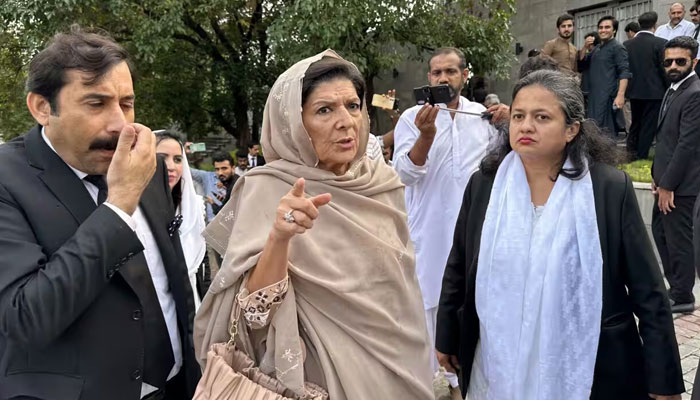
    RAWALPINDI: An anti-terrorism court judge in Rawalpindi left the courtroom after expressing anger over repeated disruptions during the hearing of a case against PTI founder Imran Khan’s sister, Aleema Khan. The case relates to a case registered over the November 26 protest. The hearing turned tense when the prosecution began questioning Aleema Khan and her witness about property-related matters. During the proceedings, prosecutor Zaheer Shah questioned Aleema Khan’s witness, Fatahullah Barky, about whether he was aware of alleged properties owned by Aleema Khan abroad. Defence lawyer Faisal Malik immediately objected. He argued that the question was not relevant to the case being heard by the court.The prosecutor then questioned Aleema Khan directly about alleged properties in Dubai and New Jersey. Aleema Khan rejected the allegations. She said she did not own any illegal property.She maintained that the properties had been described as benami assets in an earlier legal dispute. The prosecutor then asked whether the Supreme Court had imposed a fine on her in connection with the alleged benami properties. Aleema Khan replied that former chief justice Saqib Nisar had issued a decision that, according to her, was contrary to the law. She further claimed that a tribunal later cleared her in the matter. The prosecutor also asked whether she had paid a Rs30 million fine following the Supreme Court’s orders.Aleema Khan said that Rs29.4 million had been deposited. She added that the tribunal subsequently cleared her. During the hearing, Aleema Khan asked the court to record her statement. The court began recording her statement. However, the defence counsel raised another objection.The repeated objections and arguments created a noisy situation inside the courtroom. Judge Amjad Ali Shah expressed strong displeasure over the disruption. He questioned the defence counsel over the objection and said that if the accused wanted her statement recorded, there was no reason for the court not to record it.The judge’s remarks came as arguments continued between the prosecution and defence. The situation eventually became so tense that Judge Amjad Ali Shah left his seat and walked out of the courtroom. The proceedings were subsequently disrupted and the hearing was adjourned.Further proceedings in the case will take place on a later date. The hearing highlighted tensions between the prosecution and defence over the relevance of questions being asked during the proceedings

  • | | |

    SC clears hurdle in Imran hospital plea

    An objection raised by the Supreme Court registrar’s office against a contempt of court petition filed by PTI founder Imran Khan’s sister, Uzma Khan, has been removed. The petition was filed in connection with Imran Khan’s proposed transfer to a hospital for medical treatment. Uzma Khan has sought contempt proceedings against the government and named Prime Minister Shehbaz Sharif, Law Minister Azam Nazeer Tarar and Information Minister Atta Tarar, among others, as respondents. The petition also calls for Imran Khan to be shifted to Shifa Hospital for treatment and for his medical tests to be conducted. PTI Chairman Barrister Gohar Ali Khan and Secretary General Salman Akram Raja had visited the Supreme Court on Monday in connection with the petition. They sought to have the case fixed for an early hearing. Earlier, the Supreme Court registrar’s office had returned the petition after raising an objection. According to sources, the registrar’s objection stated that the petition did not include a list of the allegations of contempt levelled against the respondents. The PTI subsequently addressed the objection and resubmitted the petition to the Supreme Court. The registrar’s office has now accepted the amended filing and allotted a registration number to the contempt petition. Uzma Khan’s petition has been registered as Contempt Petition No. 8/2026. The development clears the procedural hurdle that had previously prevented the petition from moving forward. The petition seeks judicial intervention over the treatment and medical care of Imran Khan and alleges non-compliance with the court’s directions concerning his hospital transfer.

  • | | |

    Iran declares CDF Asim Munir’s visit highly prod…

    The Iranian government has described Field Marshal Syed Asim Munir’s recent visit to Iran as highly productive, saying the trip resulted in important diplomatic progress and strengthened engagement between the two countries. According to a statement from the Iranian Presidential Office, the visit produced beneficial outcomes and provided an opportunity for detailed discussions on matters of mutual interest. The Iranian side said several important issues were discussed during the visit. The talks also focused on strengthening bilateral engagement and maintaining close communication between Pakistan and Iran. Iranian presidential official Syed Mehdi Tabatabai described the visit as a diplomatic success. He said the discussions had produced valuable results and could contribute to further progress in relations between the two neighbouring countries. The Iranian Presidential Office said the outcomes of the visit would begin to emerge in the coming days. It indicated that follow-up measures would be important in translating the understandings reached during the visit into practical steps. The visit took place at a time of heightened tensions in the region. Pakistan and Iran have maintained close consultations on regional security and political developments, while seeking to strengthen bilateral coordination. The Iranian assessment of Field Marshal Asim Munir’s visit reflects Tehran’s positive view of the discussions and their potential impact on bilateral relations. The visit is also expected to contribute to continued diplomatic engagement between Islamabad and Tehran on regional issues and areas of common interest.

  • | | |

    PM forms top panel to revive Iran gas pipeline

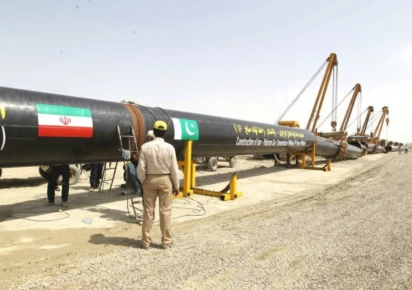
    Prime Minister Shehbaz Sharif has formed a high-level committee to find a mutually acceptable solution to the long-delayed Pakistan-Iran gas pipeline project, which has remained stuck for more than a decade. Petroleum Minister Ali Pervaiz Malik informed the Senate that the committee is examining the legal, financial and energy implications of the project. It will assess Pakistan’s potential financial exposure in the ongoing arbitration process while also considering the country’s future energy requirements. The minister was responding to a calling-attention notice raised by Senator Talha Mahmood. He said the government was seeking a negotiated solution rather than allowing the dispute to become more complicated through prolonged litigation. Describing Iran as a “brotherly country”, Malik said the leadership of Pakistan and Iran remained in contact and was working towards an amicable settlement. He noted that Iran had already completed substantial infrastructure on its side of the project. Iranian authorities have brought gas from the South Pars field towards a major city close to the Pakistani border. The dispute over the pipeline has reached international arbitration in Paris. Pakistan is therefore assessing the possible financial consequences of the project delays and the legal proceedings before deciding its next course of action. The government is also reviewing whether the pipeline can be made commercially viable. Pakistan has previously asked Iran to cut its gas price by around 50 per cent and reduce the proposed supply volume because several domestic sectors have shown limited interest in purchasing Iranian gas at existing prices. Officials have said that domestic consumers and fertiliser plants are currently receiving gas at significantly lower prices than the cost at which imported gas could be supplied through the project. Power producers have also indicated that purchasing imported gas at prices above Rs2,000 per million British thermal units would not be commercially feasible. The government has therefore been considering a lower price as a potential benchmark for making the pipeline economically sustainable. Pakistan has also indicated that it could move ahead with the project if the United States provides a waiver allowing energy cooperation with Iran despite Washington’s sanctions regime. The Iran-Pakistan pipeline, commonly known as the Peace Pipeline, was originally designed to transport Iranian natural gas to Pakistan and help address the country’s long-term energy needs. Iran completed a substantial portion of the pipeline within its territory. Pakistan, however, did not complete its section by the agreed deadline, leaving the project largely dormant. US sanctions against Iran, difficulties in securing financing and wider geopolitical tensions have complicated Pakistan’s efforts to complete the project. The issue has also resulted in legal disputes between the two countries. Iran initiated international arbitration proceedings in Paris over delays in the implementation of the project. Meanwhile, the petroleum minister told the Senate that the government was separately addressing gas-related problems in Balochistan. He said Prime Minister Shehbaz Sharif had instructed him to engage with provincial stakeholders. Another high-level committee, headed by Deputy Prime Minister and Foreign Minister Ishaq Dar, is examining gas-related issues in the province, including technical and payment-related matters. The latest move indicates that Islamabad is attempting to balance its obligations under the Iran gas project with its financial constraints, international commitments and changing energy requirements.

  • | |

    Bannu police revolt over seven officials’ transf…

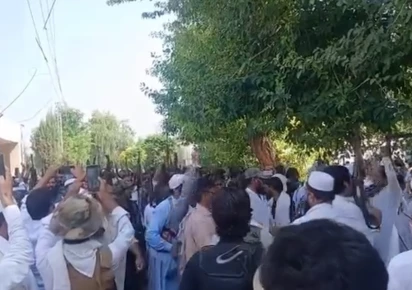
    Police personnel in Bannu staged a protest on Tuesday against the transfer of seven Khyber-Pakhtunkhwa police officials to other districts, with the dispute disrupting policing and traffic management in parts of the district. The protest was organised after the Police Peace Committee called on affected personnel to gather at the police lines and suspend their duties. Similar calls were reportedly made by peace committees in Lakki Marwat and Tank. The protesters are demanding that the transfer orders be reviewed or withdrawn. They have warned that the protest could be expanded if their demands are not addressed. Head of the Bannu Peace Committee Hazratullah said the boycott would continue until the transfer orders were cancelled. He said members of the peace committees had worked alongside police to maintain security and restore peace in Bannu, Lakki Marwat and Tank. The boycott reportedly affected security arrangements at several important government and sensitive locations. The absence of traffic personnel also caused congestion at various points in Bannu and Lakki Marwat, leaving commuters facing delays. The transfer orders were issued by the Peshawar Central Police Office on the directions of the Additional Inspector General. Seven personnel were moved to different districts and units. Under the orders, Head Constable Nisar Ali was transferred from Police Lines Lower Dir to PTS Swat. Constable Ghulam Abbas Khan was moved from Elite Force Peshawar to Haripur, while Constable Muhammad Arif was transferred from Elite Force Peshawar to Dera Ismail Khan. Constable Shafiullah was transferred from Investigation Bannu to Swat. Constable Muhammad Atif Khan was moved from Elite Force Bannu to Upper Chitral. Meanwhile, Constable Samiullah was transferred from Lakki Marwat to the Counter Terrorism Department in Peshawar, while Constable Khalid Rahman was moved from District Traffic Mobile Lakki Marwat to Shangla. Police personnel have argued that sudden transfers to distant districts could create difficulties for the affected officials and their families. They have called for the orders to be reconsidered. Authorities have so far not issued a detailed official response to the reported boycott or confirmed whether disciplinary action will be taken against personnel who stopped performing their duties. IGP transfer also under review The protest comes amid uncertainty over the appointment of a new K-P inspector general of police. The proposed transfer of IGP Zulfikar Hameed was put on hold a day earlier as the federal government sought further consultations over the candidates proposed for the post. Provincial government sources said the list of three senior police officers submitted for consideration could be revised. One name may be removed, while another officer could potentially be added before the appointment process resumes. A senior police official said the transfer of the current IGP was not being actively pursued for the moment because of the worsening security situation in the southern districts. The official said the provincial police chief was therefore likely to remain in his position temporarily while consultations between the federal and provincial governments continued.