National

  • | |

    Court grants interim bail to business partner’s …

      A Karachi Additional District and Sessions Court has granted interim bail to Abdullah, the brother of the business partner of young trader Mir Raza Ali, in connection with the businessman’s murder case. The court approved Abdullah’s interim pre-arrest bail until September 1, providing him temporary protection from arrest while the investigation into the case continues. Abdullah had approached the court seeking bail before arrest after being allegedly linked to the investigation surrounding Mir Raza Ali’s death. During the hearing, the court also issued notices to the investigating officer and the complainant in the case. The judge directed the applicant to submit surety bonds worth Rs100,000 as part of the conditions attached to the interim bail. According to Abdullah’s lawyer, there was no basis for treating his client as a suspect in the murder. The lawyer informed the court that Abdullah had a business-related connection with Mir Raza and used to supply chocolates to him. The defence further explained that Abdullah had spoken to Mir Raza by telephone on the night when the young trader left his home. According to the lawyer, the phone conversation took place at around 3:30am. The lawyer argued that the late-night phone call should be viewed in the context of their regular business dealings rather than being treated as evidence of involvement in the alleged crime. The defence also accused the police of harassing Abdullah during the investigation. His lawyer told the court that law-enforcement officials were repeatedly troubling the applicant despite the absence of any established evidence connecting him directly to the murder. The lawyer maintained that communication between Abdullah and Mir Raza at around the same time was not unusual. He explained that after completing his work, Mir Raza would generally speak with the applicant around that time. The defence therefore requested the court to provide Abdullah with protection from arrest while the authorities continued investigating the circumstances surrounding Mir Raza Ali’s death. After hearing the arguments, the court granted interim bail until September 1 and directed the relevant parties, including the investigating officer and complainant, to respond to the bail application. The applicant was also ordered to submit the required surety bonds. The court’s decision does not amount to a final determination regarding Abdullah’s involvement in the case. The interim bail merely prevents his immediate arrest while the matter is considered further by the court. The murder investigation remains ongoing, and the police are expected to examine the circumstances surrounding Mir Raza’s death, including his final movements, communications and interactions with people connected to him. The late-night telephone conversation between Mir Raza and Abdullah is among the details that investigators may consider while establishing a timeline of events. However, the defence has maintained that the conversation was consistent with their normal business-related communication. The case has attracted attention because of the young trader’s death and the subsequent investigation into people associated with him. Abdullah’s decision to seek pre-arrest bail indicates that he feared possible arrest during the investigation. The court’s issuance of notices to the investigating officer and complainant means that the prosecution and police will have an opportunity to present their position regarding the allegations and the bail request. For now, Abdullah remains protected by the interim bail order until September 1, subject to the conditions imposed by the court. Further proceedings are expected to determine the next legal steps in the case and whether the investigating authorities have sufficient evidence to proceed against him.

  • | |

    Three prisoners seek private hospital treatment in…

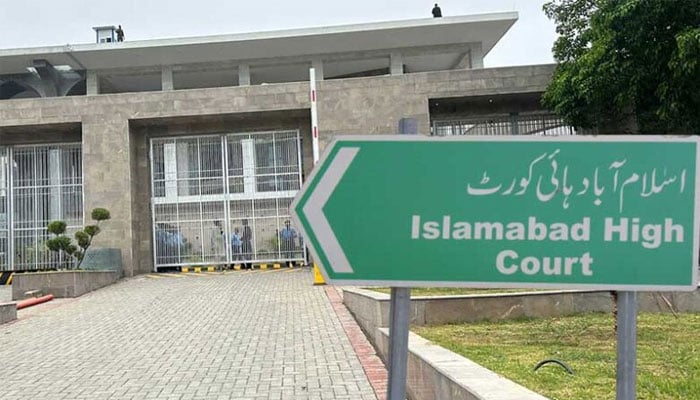
      Three prisoners have approached the Islamabad High Court seeking relief similar to that granted to the founder of Pakistan Tehreek-e-Insaf (PTI), Imran Khan, regarding treatment at a private hospital. The petitions were filed before the Islamabad High Court, with the applicants requesting permission to be transferred from prison to a private medical facility for treatment. The prisoners have specifically asked the court to allow them to receive medical care at either Shifa International Hospital or Quaid-e-Azam International Hospital. The development comes amid continued legal discussions over the medical treatment of prisoners and the circumstances under which an inmate may be allowed to receive treatment outside a prison hospital or government medical facility. During the proceedings, the Islamabad High Court sought a response from the relevant prison authorities by August 27. The court has directed the jail administration to explain its position regarding the requests made by the three prisoners. The court also ordered the superintendent of Adiala Jail to submit the medical reports of the petitioners. These reports are expected to help the court assess the prisoners’ medical conditions and determine whether their requests for treatment at private hospitals have sufficient grounds. Justice Muhammad Asif issued a two-page written order in connection with the petitions. In the order, the court directed the relevant parties to submit para-wise comments before the next hearing. The applicants have argued that they require medical treatment that may not be adequately available within the prison system. Their petitions seek permission to be transferred to either Shifa International Hospital or Quaid-e-Azam Hospital so that they can receive treatment from specialists and access facilities available at private medical institutions. The court has not yet issued a final decision on whether the prisoners will be allowed to move to a private hospital. Instead, it has sought medical documentation and responses from the prison authorities before considering the matter further. The medical reports from Adiala Jail will be particularly important in determining the nature and seriousness of the applicants’ health conditions. The court is expected to examine whether their medical needs justify treatment at a private hospital and whether such a transfer is appropriate under the applicable legal and prison regulations. The petitions also highlight broader questions concerning prisoners’ access to healthcare and the circumstances in which courts can intervene to ensure that inmates receive appropriate medical attention. The applicants’ request for relief similar to that provided to Imran Khan has placed the issue before the Islamabad High Court for judicial consideration. Their lawyers are seeking comparable treatment arrangements based on the medical needs of the petitioners. Under the court’s latest directions, the prison authorities are required to respond by August 27. The superintendent of Adiala Jail must also provide the petitioners’ medical reports, while all concerned parties have been asked to submit their detailed para-wise comments before the next hearing. Following the submission of these documents, the court will have an opportunity to review the medical evidence and the authorities’ position before deciding the applications. For now, the three prisoners remain in custody, and no final order allowing their transfer to a private hospital has been issued. The next hearing is expected to provide greater clarity on whether the applicants will be permitted to receive treatment at Shifa International Hospital or Quaid-e-Azam Hospital. The case could also become significant for future requests by prisoners seeking specialised medical treatment outside jail facilities, particularly where serious health concerns are raised and comparable relief has previously been granted in individual cases.

  • | |

    FBR introduces three-day sales tax registration fo…

      Islamabad: The Federal Board of Revenue (FBR) has introduced a new mechanism to speed up sales tax registration for low-risk applicants, allowing eligible and complete applications to be processed within three working days. The measure was announced through Sales Tax General Order No. 20 of 2026, issued by the Revenue Division on August 24, 2026. The order is aimed at making the registration process faster, more transparent and business-friendly while retaining safeguards against fraudulent or suspicious registrations. Under the new system, applications submitted through the FBR’s IRIS system will be assessed according to risk-based parameters. Applicants classified as low-risk through the computerized system will receive priority treatment, provided their applications contain all required information and documents. According to the order, the relevant Local Registration Office (LRO) will be required to complete the registration process for eligible low-risk applicants within three working days. Officials have been directed to avoid unnecessary delays in processing such applications. The FBR has also restricted registration offices from seeking additional documents from low-risk applicants unless those documents are specifically required under the Sales Tax Act, 1990, the Sales Tax Rules, 2006, or are demanded by the computerized risk-management system. Another major feature of the new procedure is the introduction of pre-registration certification for manufacturers. Sector-specific trade associations operating under the Federation of Pakistan Chambers of Commerce and Industry (FPCCI) will be able to certify the credentials of their member applicants before registration. The certification will cover key details including the applicant’s manufacturing activity, business premises and membership of the relevant trade association. However, the FBR has clarified that such certification is intended only as a facilitation measure and will not replace any legal or statutory requirement for sales tax registration. The new order also establishes clearer procedures for dealing with incomplete applications. If an application does not meet the required conditions, the applicant must be informed within seven days and provided with specific reasons for the objection. The FBR has prohibited registration officials from raising vague or generalized objections. This requirement is intended to provide applicants with greater clarity about deficiencies in their applications and allow them to address issues without unnecessary delays. For manufacturers, the order requires concerned LROs to conduct pre-physical verification under Rule 5(3) of the Sales Tax Rules, 2006 within three working days. Applications considered high-risk or suspicious, however, will remain subject to enhanced scrutiny and additional verification. The FBR said the initiative forms part of broader efforts to facilitate businesses, reduce administrative delays and encourage genuine manufacturers to enter the formal tax system. By involving recognized trade bodies in the initial verification process, the tax authority hopes to make better use of industry-level information while retaining the final decision-making authority with the relevant tax offices. The General Order has been circulated among all Chief Commissioners Inland Revenue, Commissioners, the Director General of IT and PRAL for immediate implementation. The FBR has also emphasized that classification as a low-risk applicant does not provide permanent immunity from scrutiny. If false information, misrepresentation or fraudulent documentation is discovered at a later stage, the applicant may still face subsequent verification and action under the applicable law. The new framework is therefore designed to combine faster registration for legitimate businesses with continued monitoring of applicants who may pose tax or compliance risks.

  • | |

    Senate erupts over Imran Khan’s medical treatmen…

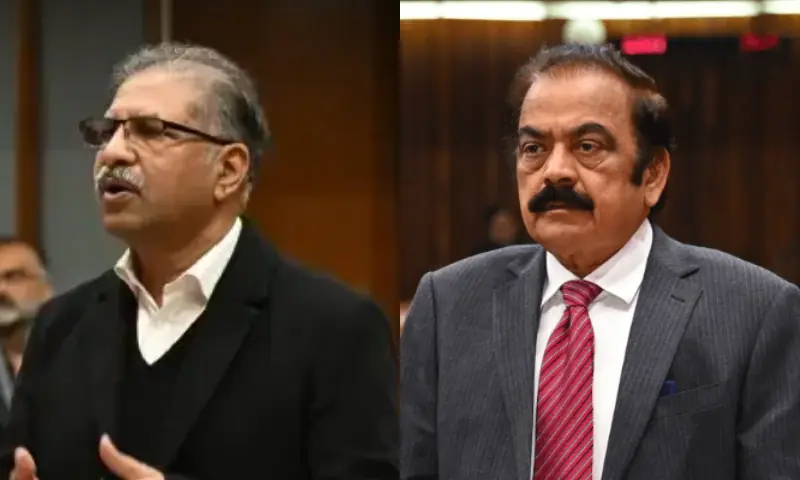
    ISLAMABAD: The Senate witnessed a heated exchange between the opposition and government benches on Tuesday over the medical treatment of PTI founder and former prime minister Imran Khan. The dispute centred on the implementation of an August 18 Supreme Court order concerning Imran Khan’s treatment. The court had directed authorities to shift him to Shifa International Hospital in Islamabad and form a medical board that would include his sister and personal physician. The government, however, took Imran Khan to Pakistan Institute of Medical Sciences (PIMS), citing security concerns. He was later returned to Adiala Jail after doctors declared him medically fit. The opposition accused the government of failing to comply with the Supreme Court’s directions. The government rejected the allegation and maintained that the authorities had acted within the framework of the court order. The issue came up after PTI parliamentary leader Barrister Ali Zafar sought permission to move a resolution regarding the Supreme Court’s directions. Presiding Officer Shahadat Awan did not allow the resolution, ruling that the matter was sub judice. Opposition senators were instead allowed to raise the issue through points of order. Zafar argued that Parliament must uphold the Constitution and ensure compliance with decisions of the Supreme Court. He claimed that Imran Khan had neither been shifted to Shifa International Hospital nor examined by the medical board mentioned in the court’s order. He also alleged that the required facilities for examining the PTI founder were not available at PIMS. Zafar said political differences should not affect a person’s access to medical care. He urged the government to separate Imran Khan’s political status from his health and medical needs. PTI Senator Azam Swati also criticised the government, accusing it of adopting different standards in dealing with political figures. He cited previous instances in which government institutions had facilitated political leaders. The government defended its position through Prime Minister’s Adviser Rana Sanaullah. He said the state had complied with the Supreme Court’s directions while taking security considerations into account. Sanaullah said the court had also allowed the administration to assess security arrangements. He maintained that Imran Khan was therefore taken to a government hospital where qualified doctors were available. According to Sanaullah, a panel of doctors examined Imran Khan and found his condition satisfactory. He said the PTI founder was subsequently returned to jail. The adviser said the matter was already before the Supreme Court and a report would be submitted on September 16. He argued that the court itself should determine whether its order had been properly implemented. Opposition Leader in the Senate Allama Raja Nasir Abbas urged the government to demonstrate political maturity and implement the Supreme Court’s order in letter and spirit. He also proposed forming a Senate committee to visit Imran Khan in jail and assess the situation.

  • | |

    Shah Ghulam Qadir nominated as next AJK prime mini…

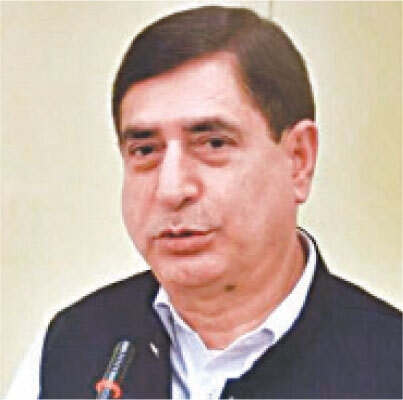
    MUZAFFARABAD: Pakistan Muslim League-Nawaz (PML-N) Azad Jammu and Kashmir (AJK) President Shah Ghulam Qadir has been nominated as the next prime minister of AJK. The decision was taken by PML-N President Nawaz Sharif after consultations with Prime Minister Shehbaz Sharif and Punjab Chief Minister Maryam Nawaz. Party sources confirmed on Tuesday that Qadir would take oath as AJK prime minister on Thursday at 5pm at the High Court Ground in Muzaffarabad. The nomination follows the recent AJK elections, which were held in three phases between July 27 and August 10. The PML-N emerged as the largest parliamentary party after securing 25 of the 38 directly contested seats. The Pakistan Peoples Party won 12 seats, while one member of the Awami Dast-o-Bazu joined the PML-N. Qadir is a veteran politician with more than three decades of political experience. He has held several important parliamentary and ministerial positions in AJK. He has served as finance, planning and development minister and also held the food ministry. He was elected speaker of the AJK Legislative Assembly twice. He currently serves as PML-N AJK president and leader of the opposition. Qadir entered politics as a student leader and later became involved with the All-Jammu and Kashmir Muslim Conference. He eventually served as its secretary general during Sardar Abdul Qayyum Khan’s leadership. His electoral career began with his election from the Kashmiri refugees constituency, Kashmir Valley-IV. He went on to win seven elections to the AJK Legislative Assembly. Throughout his political career, Qadir has highlighted the issues of Kashmiri refugees and advocated the right to self-determination for the people of Indian-administered Jammu and Kashmir. He has also represented Kashmir at international forums, including the United Nations General Assembly and the UN Human Rights Council. Qadir was among the founding figures of the PML-N in AJK. He played a significant role in strengthening the party’s organisational structure and political presence in the region before becoming its AJK president. During his tenure as assembly speaker, he focused on parliamentary discipline, constitutional governance and legislative oversight. As opposition leader, he continued to call for stronger democratic institutions and accountability. Qadir is known for maintaining political contacts across different parties and is regarded as an experienced parliamentary leader. He is also fluent in Kashmiri and has maintained links with various Kashmiri political circles. His nomination comes after the new AJK Legislative Assembly began its parliamentary term. Forty-six newly elected members took oath during the inaugural session, which was presided over by Assembly Speaker Latif Akbar. The new 53-member assembly has a clear PML-N majority. According to the initial proceedings, 31 PML-N members and one Awami Dast-o-Bazu member took oath, while 14 PPP lawmakers were also sworn in.

  • | |

    Rs. 38 trillion in Bank deposits raise alarm as Go…

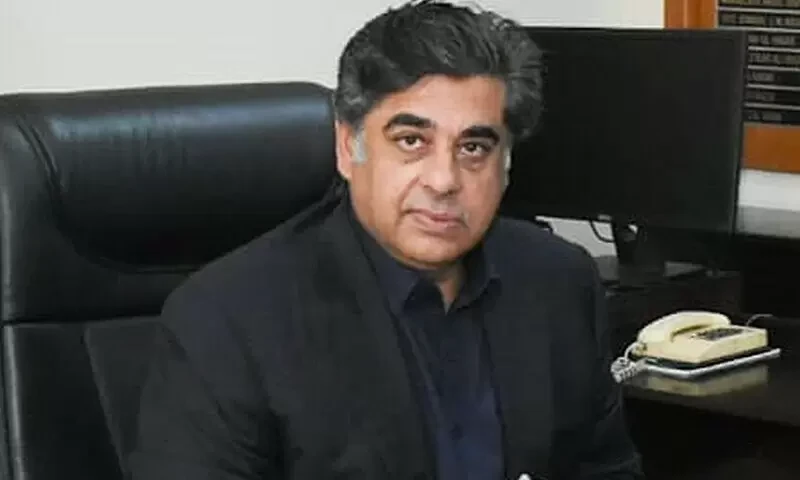
      LAHORE: Former caretaker federal minister and prominent industrialist Dr. Gohar Ijaz has raised serious concerns over Pakistan’s economic direction, warning that growing bank deposits alongside declining industrial activity indicate that capital is moving away from productive sectors.   Speaking to *Minute Mirror*, Ijaz said bank deposits had increased from around Rs. 21 trillion three years ago to Rs. 38 trillion, describing the trend as evidence that people were increasingly choosing to keep their money in banks rather than invest in businesses. He argued that excessive taxation was making industrial activity increasingly difficult. According to Ijaz, an effective tax burden of around 45 percent has discouraged investors and forced several businesses to reduce operations or shut down. “Three years ago, Rs. 21 trillion was lying in banks. Today, it has increased to Rs. 38 trillion,” Ijaz said, arguing that the country needed to encourage investment in manufacturing, exports and employment instead of allowing capital to remain parked in financial institutions. He also claimed that Pakistan could address a significant portion of its external debt if the textile industry received appropriate policy support. Ijaz said the All Pakistan Textile Mills Association (APTMA) had been offering for years to help generate enough foreign exchange for Pakistan to repay $10 billion in debt within one year. According to him, the proposal would require measures such as competitive energy prices, rational taxation, export incentives and a stable policy environment. He maintained that Pakistan’s industrial sector had the capacity to significantly strengthen the country’s foreign exchange position if its competitiveness was restored. Ijaz also criticised what he described as policy distortions in the sugar sector. He alleged that sugar mill-owning families had benefited from additional profits of approximately Rs. 30 billion per month due to pricing mechanisms, subsidies and regulatory decisions. He did not present documentary evidence for the figure during the interview but argued that government policies should prioritize consumers, industrial growth and the national economy rather than benefiting a limited number of influential groups. The former minister further commented on the current political and civil-military leadership, saying the Army and Prime Minister were receiving unprecedented recognition. He expressed optimism that stronger economic policies could enable Pakistan to overcome its financial challenges. Economists and business leaders have similarly pointed to high interest rates, expensive energy, inflation, taxation and policy uncertainty as major factors behind weak private investment. When bank returns appear more attractive and less risky than establishing or expanding businesses, capital can increasingly shift toward financial assets. Industry leaders have therefore called for lower and more predictable taxes, competitive electricity and gas tariffs, faster refunds, fewer ad-hoc duties and incentives for export-oriented manufacturing. Ijaz’s remarks highlight a broader challenge facing Pakistan: having substantial liquidity does not necessarily translate into economic productivity. For the country to generate employment, increase exports and strengthen its ability to repay external debt, more capital needs to flow into productive businesses. The central question, therefore, is whether future economic policies will encourage investment, manufacturing and exports or continue to make bank deposits more attractive than business expansion.

  • | |

    PM takes notice of lawmakers’ absenteeism

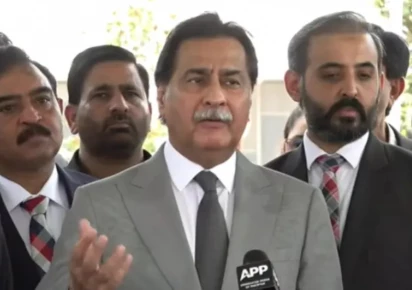
    ISLAMABAD: National Assembly Speaker Sardar Ayaz Sadiq has said Prime Minister Shehbaz Sharif has taken notice of the low attendance of lawmakers during parliamentary sessions. Speaking to the media outside the National Assembly on Tuesday, Sadiq said some federal ministers had raised the issue of members’ absence with the prime minister. He said the government and lawmakers were now paying attention to improving attendance. The speaker’s comments came after a session of the National Assembly witnessed a low presence of members, with a large number of seats remaining vacant during proceedings. Sadiq said maintaining the required quorum was not solely the responsibility of the speaker. He said both the government and opposition benches had a duty to ensure that their members attended parliamentary proceedings. He expressed hope that attendance would improve when the next session is held, which is expected to take place later this week. According to the speaker, the government had conveyed that it recognised the seriousness of the issue and intended to improve lawmakers’ presence in future sessions. Sadiq urged members from both sides of the House to remain present during proceedings. He said parliamentary sessions provided limited time for debate, questions, discussions and legislation, and lawmakers should make full use of the opportunity. He noted that poor attendance affected both sides of the House. The government could not properly complete its legislative agenda, while opposition members also lost the opportunity to raise issues and scrutinise government policies. The speaker also commented on Jamiat Ulema-e-Islam-Fazl (JUI-F) chief Maulana Fazlur Rehman’s intention to adopt a more active approach towards legislation. Sadiq welcomed the move, saying stronger opposition participation could improve parliamentary accountability. He said constructive pressure from opposition parties could also encourage the government to introduce reforms. Regarding resignations submitted by Pakistan Tehreek-e-Insaf (PTI) members from standing committees, the speaker said he had not accepted any of the resignations. He said parliamentary committees were continuing to function and could perform more effectively if opposition members regularly participated in their meetings. Asked about the possibility of the united opposition moving a no-confidence motion against him or Prime Minister Shehbaz Sharif, Sadiq said it was a constitutional and democratic right of the opposition. He said the National Assembly would facilitate the opposition if it decided to exercise that right. Sadiq also spoke about efforts to reduce political tensions between the government and opposition. He said several attempts had been made to bring the two sides to the negotiating table. He said he, Prime Minister Shehbaz Sharif, the law minister and Rana Sanaullah had repeatedly offered dialogue.

  • | |

    CM Maryam Nawaz directs crackdown on corrupt SHOs

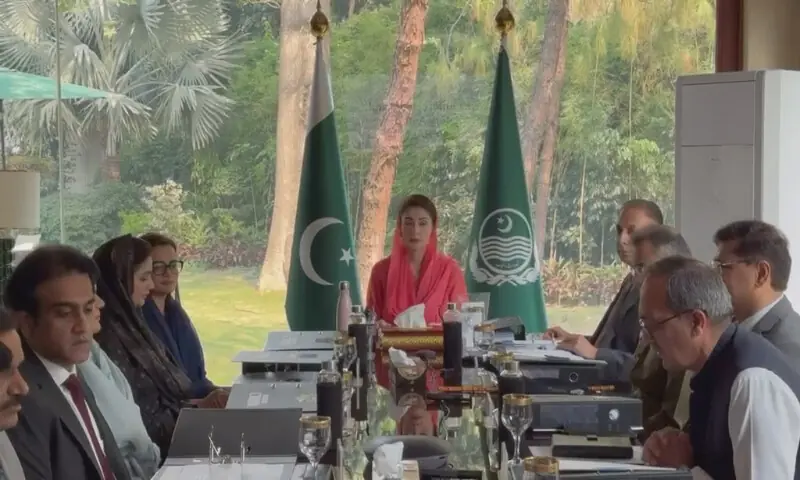
      Lahore: Punjab Chief Minister Maryam Nawaz Sharif has ordered the provincial police authorities to take strict action against officers with records of corruption and misconduct, directing that such officials should not be appointed as Station House Officers (SHOs).   According to sources familiar with the development and officials in the Chief Minister’s Office, Maryam Nawaz has instructed Inspector General of Police Punjab to thoroughly screen officers holding important field positions and remove those found to have questionable records. The IG Punjab has been given one week to complete the process and submit a progress report to the Chief Minister’s Office. The Chief Minister stressed that officers known for corruption should not be given charge of police stations anywhere in Punjab. She directed the police leadership to ensure that appointments to the SHO position are based on integrity, professional conduct and performance rather than influence or other considerations.   Under the new instructions, police officers facing credible allegations or having a record of corruption will not be considered for appointment as SHOs. The police hierarchy has also been directed to identify and remove what the government described as “bad elements” from key positions. Maryam Nawaz further ordered the police department to adopt a zero-tolerance approach toward crimes against women and children. She called for immediate action against suspects involved in such offences and emphasized that cases involving vulnerable groups should be handled promptly and professionally. The Chief Minister’s latest instructions are being viewed as another step toward her administration’s efforts to improve policing and strengthen public confidence in law-enforcement institutions. She has previously emphasized the need for a people-friendly police force that provides services to citizens without discrimination, corruption or unnecessary interference. The Punjab government has also introduced and promoted measures aimed at improving police accountability and public service delivery, including digital mechanisms for handling complaints, performance-oriented postings and action against officers involved in unlawful activities. The latest directive places particular emphasis on the role of SHOs, who serve as the primary point of contact between citizens and the police at the local level. Their conduct and performance can have a direct impact on how people perceive the overall law-and-order system. A senior official in the Home Department said the government’s objective was to restore public confidence by addressing problems within the police structure, particularly at the station level. The instructions have reportedly been conveyed to the IG Punjab and Regional Police Officers (RPOs) for immediate implementation. Police authorities are expected to review the records of officers posted to important positions and take action against those who fail to meet the required standards. Officials are also expected to submit reports detailing the progress made during the seven-day period. The government is closely monitoring the process to ensure that the directives are implemented rather than remaining limited to administrative instructions. The move comes as the Punjab government continues efforts to improve law and order, strengthen police accountability and enhance the delivery of public services across the province. The crackdown on corrupt officers is expected to further intensify scrutiny of police appointments and postings in the coming days.

  • | | | |

    Pakistan, Saudi Arabia eye historic economic partn…

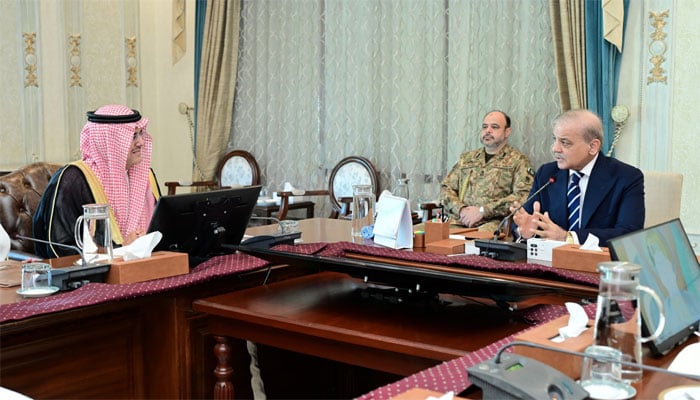
    Prime Minister Shehbaz Sharif has said Pakistan wants to transform its economic relations with Saudi Arabia into a long-term strategic economic partnership. The prime minister made the remarks during a meeting with Prince Mansour, chairman of the Saudi-Pakistan Joint Business Council, who was accompanied by a high-level Saudi business delegation. According to an official statement issued in Islamabad, Prime Minister Shehbaz conveyed his respect and best wishes for Saudi King Salman bin Abdulaziz and Crown Prince Mohammed bin Salman. The meeting focused on expanding economic cooperation and increasing investment between Pakistan and Saudi Arabia. Both sides discussed opportunities for stronger business-to-business and government-to-government collaboration. Prince Mansour expressed interest in investment opportunities in several key sectors of Pakistan’s economy. These included agriculture, ports, highways and the outsourcing of airport operations. The Saudi delegation also showed interest in investment opportunities in real estate, energy, power distribution and information technology. Prime Minister Shehbaz said the time was right to strengthen joint cooperation between the two countries through both government and private-sector partnerships. He stressed the importance of developing stronger economic and commercial ties with Saudi Arabia and creating opportunities for increased investment. Prince Mansour reaffirmed the Saudi government and business community’s interest in expanding commercial links with Pakistan. During their visit, the Saudi business delegation is scheduled to meet senior government officials as well as important representatives of Pakistan’s private sector. The meetings are expected to explore potential investment projects and identify areas where Pakistani and Saudi companies can develop joint ventures.

  • 15,000+ free heart surgeries completed under Punjab CM’s Programme

    Lahore – More than 15,000 free cardiac surgeries for children from Punjab and other parts of the country have been successfully completed since the launch of the Chief Minister’s Children Heart Treatment Programme in September 2024. The Hospital Management Information System (HMIS) developed by the Punjab Information Technology Board (PITB) has played a key role in the programme. The system has helped manage patients medical records, prepare patient lists, make electronic referrals to private hospitals and ensure timely coordination between public and private hospitals. This was revealed at a meeting chaired by PITB Chairman Faisal Yousaf at the Arfa Software Technology Park (ASTP). The meeting was briefed that HMIS is providing hospitals participating in the programme across Punjab with quick and easy access to patient records. This is helping doctors make better medical decisions while also making it easier for hospital administrations to monitor and coordinate patient treatment, referrals and other related matters. The digital system has also played an important role in making the patient referral and treatment process more organized, transparent and integrated. It has accelerated the exchange of information between hospitals and helped reduce unnecessary delays in treatment. Speaking on the occasion, PITB Chairman Faisal Yousaf said that the completion of more than 15,000 free heart surgeries for children was a major achievement of the Chief Minister’s programme. He said HMIS had played a significant role in speeding up, organizing and improving the treatment process through digital records, electronic referrals and effective coordination among hospitals. Faisal Yousaf further said that PITB would continue its support for promoting the use of modern digital technology in the healthcare sector to ensure the timely provision of quality medical facilities to citizens. He said that the effective use of digital systems in healthcare not only facilitates patient treatment but also improves hospital administrative efficiency, transparency and coordination among different institutions.