National

  • |

    Woman killed as 11kV power line falls in Lahore

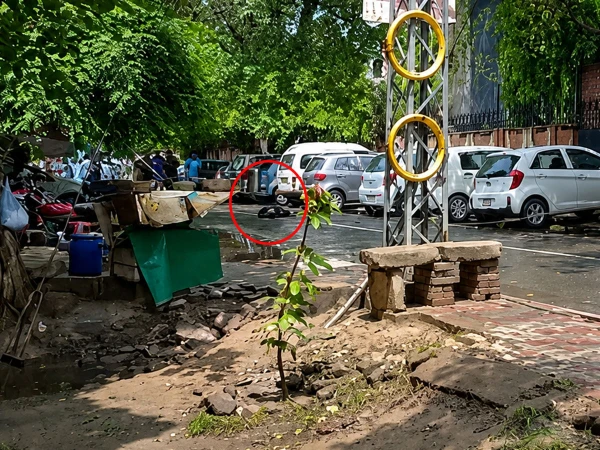
    A tragic accident claimed the life of a woman in Lahore on Wednesday after an 11-kilovolt (11kV) high-voltage electricity wire snapped and fell on her near Sheikh Hospital in the city’s Muslim Town area, officials said. According to rescue authorities, the woman was walking along the roadside with her young daughter when the live power line suddenly collapsed, causing a powerful electric shock. She suffered severe burns and died at the scene before emergency responders could provide medical assistance. Rescue teams rushed to the area immediately after receiving reports of the incident. However, officials were unable to recover the victim’s body until electricity to the damaged line was disconnected due to the danger posed by the live 11kV wire. Fortunately, the woman’s daughter escaped the incident unharmed despite being with her at the time of the accident. Witnesses described the child’s survival as miraculous, saying she narrowly avoided contact with the live cable. Authorities promptly informed the Lahore Electric Supply Company (LESCO), which dispatched technical teams to disconnect the power supply and remove the damaged wires. Rescue personnel and police remained at the scene while engineers worked to secure the area and prevent further danger to pedestrians and motorists. Police have launched an investigation to determine what caused the high-voltage line to fall. Officials will examine whether recent weather conditions, aging infrastructure, or a technical fault contributed to the incident. The victim’s identity has not yet been officially released, and her body will be shifted for legal formalities once the area is declared safe. The incident has once again raised serious concerns over the safety and maintenance of electrical infrastructure in densely populated urban areas. Residents urged authorities to conduct immediate inspections of overhead power lines to prevent similar tragedies. Emergency officials also advised the public to stay away from fallen electrical wires and report such hazards immediately, warning that even wires lying on the ground can remain live and extremely dangerous until disconnected by utility workers.
  • | |

    Pakistan mediates US-Iran talks over Hormuz crisis

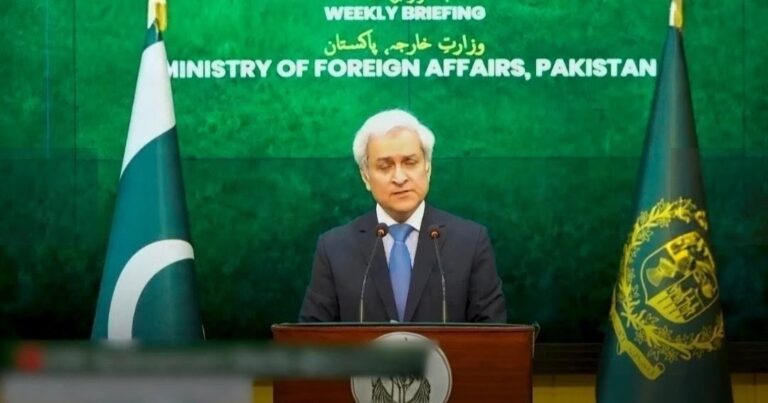
    Pakistan has confirmed that diplomatic negotiations between the United States and Iran remain active despite renewed military escalation across the Middle East, expressing hope that dialogue can prevent the conflict from spiraling into a wider regional crisis. Speaking at a weekly briefing in Islamabad, Foreign Office spokesperson Tahir Andrabi said negotiations were continuing with a particular focus on reducing tensions and addressing the growing dispute over the strategically vital Strait of Hormuz. “Negotiations between parties are ongoing, particularly on the Strait of Hormuz and to de-escalate,” Andrabi told reporters, emphasizing that Pakistan remains committed to promoting a peaceful resolution to the conflict. The spokesperson said Islamabad is working closely with all relevant parties to revive the Islamabad Memorandum of Understanding (MoU), an agreement aimed at creating a framework for technical discussions and confidence-building measures between Washington and Tehran. “We are doing our utmost to bring all parties back to the Islamabad MoU,” Andrabi said, adding that Pakistan is encouraging both sides to honor their commitments and continue technical-level talks despite recent hostilities. His remarks come as the region faces one of its most dangerous security crises in recent years. The United States has resumed large-scale military strikes on Iranian targets following missile attacks on American forces, while Iran has vowed further retaliation. The escalating conflict has raised fears over the security of the Strait of Hormuz, a key global shipping route through which a significant share of the world’s oil and liquefied natural gas supplies passes. Pakistan has consistently advocated diplomacy over military confrontation, warning that continued violence could threaten regional stability, disrupt global energy markets and increase the risk of a broader conflict involving additional countries. Analysts say Pakistan’s role as a mediator has become increasingly significant as communication channels between Washington and Tehran remain strained. While no breakthrough has yet been announced, officials believe sustained dialogue offers the best chance of easing tensions and preventing further escalation. With fighting continuing across the region, Islamabad has reiterated its support for peaceful negotiations, urging all parties to exercise restraint and prioritize diplomacy over confrontation in order to safeguard regional peace and international energy security.

  • | | |

    PRL and SSGC face Senate anger over missing inform…

    Islamabad: State owned petroleum companies Pakistan Refinery Limited (PRL) and Sui Southern Gas Company (SSGC) faced serious criticism in the Senate after lawmakers expressed dissatisfaction over missing information, failure to follow committee directions and concerns about company management. The Senate Standing Committee on Petroleum questioned the performance and accountability of government owned petroleum companies and considered taking strict action against officials who failed to cooperate with parliamentary oversight. During the meeting chaired by Senator Umer Farooq, the committee reviewed the appointment criteria for chairpersons and managing directors of petroleum companies, the structure of their boards and progress on previous committee recommendations. The committee took serious notice of the absence of the Managing Director of Pakistan Refinery Limited during the meeting. Members expressed concern that PRL, despite being a state-owned company, did not provide the required information to the committee. The committee considered initiating a privilege motion against the Managing Director of PRL for failing to appear and provide necessary details. The Petroleum Division was directed to submit complete information about the boards of directors and senior management of all government owned petroleum companies. The committee said transparency in leadership appointments and company management is necessary because these organisations deal with matters directly linked to the national economy and public interest. The committee also expressed dissatisfaction over the performance of Sui Southern Gas Company and its failure to implement previous recommendations. Members said SSGC had not provided details of its board of directors despite earlier instructions. The committee also raised concerns over remarks made by SSGC that were considered discouraging toward the Senate Standing Committee’s role in discussing important matters. The committee considered moving a privilege motion against SSGC over non compliance with its directions. The Petroleum Division was further directed to review the tenure of board members who have remained in positions beyond the approved period and submit a detailed report. The committee also raised concerns over the absence of performance audits of oil rigs. Authorities were directed to provide the required audit report within seven days so that the committee could review the performance and efficiency of petroleum sector operations. Members said proper audits are necessary to identify problems, improve production and ensure better use of national resources. The committee also reviewed issues related to LPG quotas and licensing. The Oil and Gas Regulatory Authority was directed to hold consultations with all relevant stakeholders and submit a detailed report to the committee. Senators stressed that petroleum companies must improve governance, follow parliamentary instructions and ensure public institutions operate with transparency. The committee said accountability in state owned petroleum companies is essential to protect national interests and improve confidence in the energy sector.

  • | |

    Lahore building collapse kills 10, several critica…

    At least 10 people lost their lives and several others were injured after a three-storey residential building collapsed in Lahore’s Baghbanpura area late Wednesday night, prompting a large-scale rescue operation. Emergency teams rushed to the scene shortly after the incident and recovered 16 people from beneath the debris. Six victims were pronounced dead at the site, while the remaining injured were shifted to nearby hospitals. Four more later died from their injuries, raising the death toll to 10. Rescue officials said four people remain in critical condition and are receiving treatment, while two injured victims have been discharged after medical care. Search teams continued clearing the rubble to ensure no one remained trapped. According to preliminary findings, the roof of the ageing building collapsed at around 10:15pm, causing the entire structure to cave in. Members of an extended family living on different floors were inside the building when the collapse occurred. Police and rescue workers immediately launched a coordinated operation, using heavy machinery and manual equipment to search for survivors. Authorities said the exact number of people inside the building at the time of the collapse is still being determined. Punjab Chief Minister Maryam Nawaz expressed grief over the loss of lives and directed senior officials to monitor the rescue and relief efforts. The city commissioner visited both the accident site and the hospital to review the situation and meet the injured survivors. Local lawmakers also visited the area and assured affected families that all possible assistance would be provided during the rescue operation and rehabilitation process. The latest tragedy has renewed concerns over the safety of old and deteriorating buildings in Lahore. It comes only weeks after a deadly roof collapse at a private tuition centre in Kahna claimed the lives of 14 children. Following that incident, provincial authorities had ordered safety inspections of educational institutions and other ageing structures.

  • | |

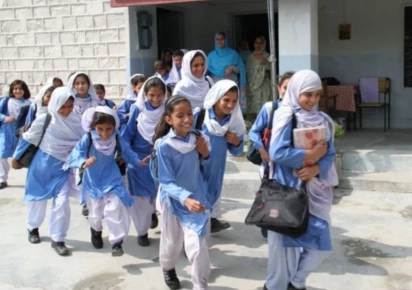
    Sindh schools to follow six-day week from August 1

    The Sindh government has announced that all public and private schools across the province will observe a six-day working week from August 1. The new schedule will remain in place until further orders. An official notification issued by the School Education and Literacy Department confirmed that schools will remain open from Monday to Saturday. The decision applies to all educational institutions operating under the department’s administrative control. The announcement comes as schools prepare to reopen after the end of summer vacations. Educational institutions remained closed for two months, with the holiday period running from June 1 to July 31. Students and teachers will now return to classrooms under the revised weekly schedule. Officials said the six-day week has been introduced to ensure smooth academic activities and improve the pace of teaching. The move is expected to help schools complete the academic calendar on time and make up for learning time lost due to previous disruptions. The decision applies equally to government and private schools throughout Sindh. School administrations have been instructed to implement the revised timetable immediately after reopening. Earlier this year, educational institutions in Sindh also experienced temporary closures because of regional security concerns linked to tensions in the Middle East. Schools remained closed for a brief period before normal academic activities resumed. Provincial authorities later restored regular operations while maintaining Saturday holidays. However, the latest notification has withdrawn that arrangement and introduced a six-day working week across the province. Education officials have advised parents, students and school administrations to follow the updated schedule. They said any future changes to school timings or working days will be communicated through official notifications.

  • | |

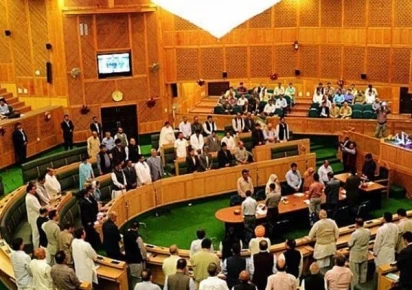
    AJK Assembly seeks Truth Commission over unrest

    The Azad Jammu and Kashmir (AJK) Legislative Assembly has unanimously passed a resolution calling for the formation of an independent Truth Commission to investigate the recent unrest that claimed several lives and left many others injured. The proposed commission will examine the causes of the violence, investigate all reported deaths, injuries and property damage, and recommend measures to provide relief to victims and prevent similar incidents in the future. The move comes after violent clashes between law enforcement personnel and protesters in Rawalakot, where both security officials and demonstrators reported casualties. The unrest sparked widespread concern and renewed calls for an impartial investigation. According to the resolution, the Truth Commission will function as an independent and impartial body. Its structure, powers and terms of reference will be finalised jointly by the federal government and representatives of the protest leadership before being formally established under AJK law. The commission will be tasked with reviewing all aspects of the recent crisis. It will examine evidence related to deaths, injuries, property losses and allegations of violence. Authorities said the inquiry will be conducted without any predetermined conclusions, ensuring that every affected family and relevant party has an opportunity to present evidence and testimony. The proposed body will have access to official records, including government documents, police reports, forensic material, communication records, videos and witness statements. Sensitive information involving national security or witness protection may be reviewed through confidential proceedings. The Assembly clarified that the commission will not determine criminal guilt or hand down punishments. Instead, if evidence suggests legal violations, the matter will be referred to the relevant investigative or judicial authorities for further action. Individuals or institutions facing adverse findings will also be given an opportunity to respond before any conclusions are reached. The commission will submit interim and final reports within an agreed timeframe. Its final report is expected to be made public, subject to legal restrictions concerning national security and witness safety. It may also recommend compensation for victims, institutional reforms, legal action where necessary and measures to prevent future unrest. The resolution also called for immediate de-escalation of tensions across the region. It urged the government to restore normal life by reopening roads, ensuring medical and emergency services, improving communication networks and maintaining the uninterrupted supply of essential goods. At the same time, protest organisers were urged to suspend demonstrations until the commission completes its work. The governments of AJK and Pakistan were also asked to avoid further actions linked to the crisis during the inquiry, except where immediate measures are required to protect public safety. The Assembly reaffirmed its commitment to democratic values, constitutional governance and the rule of law. It stressed that peaceful protest, freedom of expression and the right to raise political, economic and social demands are guaranteed under democratic principles. However, it strongly rejected violence, vandalism, the use of weapons and attempts to challenge state authority through force. Lawmakers paid tribute to security personnel, police officials and civilians who lost their lives during the unrest. They expressed sympathy with all affected families and stressed that every victim deserves justice, humanitarian assistance and equal treatment under the law. The House also appealed to citizens, political workers, traders and youth to distance themselves from violent elements. It emphasised that responsibility for any unlawful acts should be determined individually through evidence and due legal process rather than collective blame.

  • | | |

    Daily petrol prices trigger Senate debate over tra…

    Islamabad: Pakistan’s new daily petroleum pricing system came under serious discussion in the Senate as lawmakers questioned whether the mechanism is providing relief to consumers or creating new challenges for the public and fuel dealers. The Senate Standing Committee on Petroleum reviewed the daily petrol price determination system and demanded clarity over why the government replaced the previous fortnightly price revision system with daily changes. The committee questioned the reasons behind the new policy and asked whether frequent price adjustments were helping ordinary citizens or increasing uncertainty in the fuel market. Federal Minister for Petroleum informed the committee that the government had removed political influence from the petroleum pricing process by giving the responsibility of setting prices to the Oil and Gas Regulatory Authority (OGRA), an independent regulator. He said the new system was introduced to make petroleum price decisions more transparent and based on market conditions. OGRA Chairman informed the committee that petrol prices are calculated through a seven day average of international Platts benchmark prices. He explained that instead of directly passing sudden changes in international oil markets to consumers, the seven day average spreads the impact over time. According to OGRA, the system helps reduce sudden price shocks, especially during international tensions and market uncertainty. Officials said the daily pricing mechanism also aims to discourage people from creating artificial shortages or making unfair profits through speculation. However, senators raised concerns about the effect of frequent price changes on citizens and businesses. The committee expressed concern over the high tax burden on petroleum products and questioned how increasing fuel costs affect the daily lives of ordinary people. Representatives of the Petroleum Dealers Association informed the committee that frequent price revisions were creating operational difficulties for fuel dealers. They said continuous price changes make business planning more difficult and require better coordination between authorities and dealers. The committee directed OGRA to consult all stakeholders, including petroleum dealers, and prepare practical recommendations to address their concerns. Members also stressed the need for greater use of technology in the petroleum supply chain to prevent fuel smuggling, adulteration and illegal storage. The committee said a stronger digital monitoring system could improve transparency and ensure consumers receive better quality fuel. Senator Umer Farooq chaired the meeting of the Senate Standing Committee on Petroleum, where members reviewed the new pricing system and related petroleum sector issues. The committee emphasized that petroleum pricing directly affects every citizen because fuel costs influence transportation, business expenses and prices of daily goods. Members said the government and regulators must ensure that any pricing system protects consumers while maintaining stability in the petroleum market. The committee directed OGRA to continue reviewing the mechanism and ensure that the interests of consumers remain the top priority.

  • | |

    AIOU recruitment process declared non transparent …

    Islamabad: A controversy has emerged over the recruitment process of Allama Iqbal Open University (AIOU) after the Wafaqi Mohtasib declared that the selection process for senior academic positions lacked transparency and directed the university to cancel appointments and repeat the process. The decision came after a complaint filed by a female complainant, who challenged her exclusion from the shortlist for Professor and Associate Professor positions despite claiming she met the required eligibility criteria. The Wafaqi Mohtasib, after reviewing documents and hearing both sides, concluded that maladministration was established and stated that serious questions were raised about the transparency of the selection process. The Ombudsman referred the matter to the Vice Chancellor of AIOU with directions to cancel the appointments and conduct the recruitment process again according to proper procedures. The controversy relates to faculty recruitment advertisements issued by AIOU for Professor and Associate Professor positions. According to the findings, AIOU advertised several academic positions on 15 September 2024, and received a large number of applications. Officials informed that 388 applications were received for 25 advertised Professor and Associate Professor positions. The university introduced an Internal Assessment Framework to shortlist candidates before sending applications for further evaluation. According to AIOU, the decision was taken because evaluating hundreds of academic files through experts would create major financial and administrative difficulties. Officials estimated that external evaluation of dossiers could cost around Rs26 million. Under the new system, eligible candidates were assessed through multiple stages including vision statement, leadership assessment, psychological assessment, teaching demonstration and screening interview. The assessment was conducted out of 50 marks, and 24 candidates were recommended for further selection stages. However, the female complainant was not recommended for any position. The female complainant challenged the process, arguing that the university changed recruitment procedures after the hiring process had already started. She claimed that according to the original recruitment rules, eligible candidates were required to appear before the Selection Board and that the introduction of an Internal Assessment as an elimination stage had no legal basis. She also argued that she was not properly informed about all stages of the assessment process. The complainant stated that she was informed about teaching demonstration and leadership assessment but was not informed about psychological assessment and screening interview. The complaint also raised concerns over fair hearing rights, claiming that she was excluded from the final process without written reasons or an opportunity to explain her position. Another serious issue raised was the timing of the Selection Board meeting. The complainant claimed that the Selection Board meeting took place on 10 April 2026, a public holiday, and that the approval process and appointment letters were completed unusually quickly on the same day. She questioned whether the process was properly transparent. She argued that recruitment rules and selection criteria should not be changed after the recruitment process has started. The Ombudsman examined the matter and found that the selection process did not appear transparent. The findings stated that several questions raised by the complainant required attention and that the recruitment process showed signs of maladministration. AIOU officials had defended the process, saying the Internal Assessment Framework was approved by the university’s Executive Council and applied to the advertised positions. They said the system was designed to identify the most competitive candidates while reducing time and financial burden. The case now requires AIOU to report compliance with the Ombudsman’s decision within the given period. The controversy has raised broader questions about transparency, fairness and recruitment procedures in public sector universities, where senior academic appointments directly affect the quality of education.

  • | |

    LHC grants protective bail to Noreen Niazi

    The Lahore High Court (LHC) on Thursday granted one-week protective bail to Noreen Niazi, the sister of Pakistan Tehreek-e-Insaf (PTI) founder Imran Khan, in a case registered under the Prevention of Electronic Crimes Act (PECA). The court also restrained the National Cyber Crime Investigation Agency (NCCIA) from arresting her during this period. The relief was granted after Noreen filed a petition seeking protection from arrest. She informed the court that she intended to approach the relevant court for pre-arrest bail but feared that investigators could detain her before she had the opportunity to seek legal remedy. After hearing the arguments, Justice Sardar Akbar Dogar directed the NCCIA not to arrest Noreen for one week. The court also instructed her to appear before the competent court within the given time to seek further legal relief in accordance with the law. The case against Noreen was registered after authorities accused her of sharing content that allegedly contained false, offensive and inflammatory statements on social media. Investigators claimed the material was intended to spread misleading narratives and damage the reputation of state institutions. The allegations are linked to remarks she made during a podcast interview. In the interview, she discussed national security issues and made comments regarding regional political developments. Short video clips from the interview later circulated widely on social media, prompting authorities to launch an investigation. Following the viral circulation of the clips, the NCCIA initiated an inquiry and registered a formal case against her. The agency invoked provisions of the Prevention of Electronic Crimes Act along with relevant sections of the Pakistan Penal Code related to public mischief and criminal intimidation. Earlier this month, the NCCIA issued a notice directing Noreen to appear before its Cyber Crime Reporting Centre in Islamabad to record her statement. The notice warned that failure to appear before investigators could result in further legal action under applicable laws. During the hearing, Noreen’s legal counsel argued that she had no intention of avoiding the investigation and was willing to cooperate with authorities. However, the defence maintained that immediate protection was necessary to ensure she could exercise her legal right to seek pre-arrest bail without facing detention. The court accepted these arguments and granted temporary relief, preventing her arrest for one week while allowing her to pursue legal remedies before the appropriate forum. The latest court order does not dispose of the case or determine the merits of the allegations. Instead, it provides temporary protection until Noreen appears before the relevant court to seek further relief.

  • | | |

    Naqvi tells tycoons: Stop funding politicians

    Federal Minister Mohsin Naqvi has called for sweeping structural reforms, warning that Pakistan cannot overcome its long-standing economic and governance challenges without fundamental changes to the country’s political and administrative systems. Speaking at the First Pakistan Investment Summit in Islamabad, Naqvi said the existing governance structure has become outdated and is no longer capable of meeting the country’s growing economic needs. He cautioned that without meaningful reforms, Pakistan could still be facing the same problems a decade from now. Addressing business leaders and investors, the minister said responsibility for the current state of affairs does not rest solely with politicians. He argued that the business community also plays a significant role in sustaining the existing system by financing political campaigns. Naqvi urged business leaders to stop funding political parties during elections and instead push for greater transparency, accountability and institutional reforms. He said reducing financial dependence on wealthy donors could help strengthen democratic institutions and improve governance. The minister also stressed the need to reduce Pakistan’s reliance on foreign loans. He said the country must focus on generating domestic resources, expanding investment and building a stronger economic foundation through long-term planning. Calling for national unity, Naqvi urged political parties to set aside differences and work together on a comprehensive reform agenda. He said lasting economic stability can only be achieved through collective decision-making and institutional improvements. Other speakers at the summit also highlighted the need for major administrative reforms. They argued that changes in governance structures, including decentralisation and stronger regional administration, could improve service delivery and reduce governance challenges. Business leader S.M. Tanvir said structural weaknesses continue to slow economic progress and called for fresh leadership and institutional reforms to strengthen the country’s administrative framework. Participants also expressed concern over Pakistan’s social and economic indicators. They noted that a large segment of the population continues to live below the poverty line, while unemployment remains a major challenge, particularly among young people. Several speakers said temporary welfare measures alone cannot address the country’s long-term economic issues. They called for policies that create sustainable employment opportunities, promote merit-based recruitment and equip young people with the skills needed to participate in the economy