National

  • |

    CTD arrests two suspected RAW terrorists in Okara

    The Counter-Terrorism Department (CTD) has arrested two suspected terrorists allegedly linked to India’s intelligence agency, Research and Analysis Wing (RAW), during an intelligence-based operation in Okara. According to CTD officials, the suspects, identified as Abdul Aziz and Wilayat Shah, are residents of Peshawar, Khyber Pakhtunkhwa. During the operation, authorities recovered four kilograms of explosive material, three improvised explosive devices (IEDs), and three Kalashnikov rifles from their possession. Officials said the suspects allegedly planned to carry out terrorist activities in the Sahiwal and Okara districts. The CTD launched the operation after receiving intelligence about their alleged activities and detained both suspects before they could execute their plans. The department has started further investigations to determine the suspects’ alleged links, identify their network, and establish whether they had planned attacks on specific targets in the region.

  • | |

    Naqvi briefs president Zardari on security as terr…

    ISLAMABAD: Pakistan’s evolving security landscape came under close review on Thursday as President Asif Ali Zardari met Federal Interior Minister Mohsin Naqvi to discuss the country’s law and order situation, with particular attention given to the security challenges in Khyber Pakhtunkhwa and Balochistan. The meeting, held at Bilawal House, focused on the government’s ongoing efforts to strengthen internal security and counter terrorism. During the briefing, Naqvi updated the president on the latest developments in both provinces, where security forces continue operations against militant groups and work to maintain peace in sensitive areas. According to officials, the interior minister outlined measures being implemented to improve coordination among security institutions and enhance the country’s counterterrorism strategy. The discussion also covered steps aimed at ensuring stability while addressing emerging security threats. Beyond security matters, the two leaders exchanged views on Pakistan’s current political environment. They discussed the prevailing political situation and reviewed issues considered important for national stability and governance. The meeting also included deliberations on matters of mutual national interest, reflecting the government’s continued focus on balancing security priorities with broader political and administrative challenges. Pakistan has witnessed renewed security concerns in recent months, particularly in Khyber Pakhtunkhwa and Balochistan, where authorities have intensified intelligence-based operations against militant networks. The federal government has repeatedly stressed that restoring peace and strengthening national security remain among its top priorities. Officials said consultations between the presidency and the interior ministry will continue as authorities monitor the security situation and assess further measures needed to safeguard public safety. The discussions underscored the importance of close coordination among state institutions in responding to evolving threats while maintaining political stability across the country.

  • | |

    ECP rejects Achakzai as PkMAP chief, delists four …

    ISLAMABAD: The Election Commission of Pakistan (ECP) on Thursday declined to recognise veteran politician Mahmood Khan Achakzai as the head of the Pashtunkhwa Milli Awami Party, citing the party’s failure to conduct mandatory intra-party elections, while also delisting four political parties for violating election laws. A five-member bench, headed by the Chief Election Commissioner, heard proceedings related to PkMAP’s non-compliance with legal requirements, including the absence of intra-party elections, amendments to the party constitution, and objections concerning its financial accounts. During the hearing, the commission questioned the validity of the power of attorney submitted by the party’s legal counsel. The lawyer informed the bench that the document had been signed by the party chairman, Mahmood Khan Achakzai. However, the Chief Election Commissioner observed that the party currently had no officially recognised chairman because it had failed to hold intra-party elections as required under the law. The commission, therefore, refused to recognise Achakzai as the party’s head for the purpose of the proceedings. The ECP stated that while the power of attorney would be placed on record, a separate order would determine whether it would be formally accepted. At the request of PkMAP’s counsel, the commission granted additional time to prepare arguments and adjourned the case until August 19. In a separate development, the ECP intensified its enforcement of election regulations by removing four more political parties from its official register. The delisted parties include Technology Movement Pakistan, Awami Jamhoori Party Pakistan, Hum Awam Pakistan Party, and Pakistan Reform Party. According to official notifications, the parties were delisted for failing to conduct intra-party elections, submit annual financial statements, and comply with other mandatory legal obligations. The latest decisions underline the ECP’s continued push to ensure transparency, financial accountability, and internal democracy within Pakistan’s political parties as it strengthens enforcement of the country’s electoral laws.

  • | | | |

    JPMC launches free advanced breast cancer radiothe…

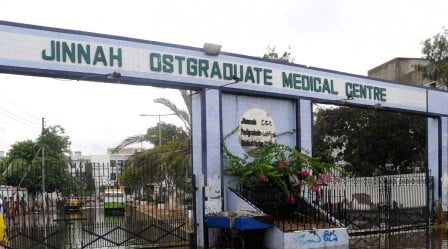
    KARACHI: In a significant step towards improving cancer care in Pakistan, the Jinnah Postgraduate Medical Centre (JPMC) has established a state-of-the-art Breast Radiation Bay that promises faster, safer and completely free treatment for breast cancer patients. The new facility is expected to transform care for thousands of women by reducing treatment time while improving precision and patient safety. Named the Bilquis and Abdul Sattar Edhi Breast Radiation Bay, the project has been developed through a joint collaboration between the Sindh government, the Patient Aid Foundation and the Edhi Foundation. Equipped with advanced tomotherapy technology worth more than Rs1 billion, the facility is in its final stages of completion and is expected to begin serving patients soon. According to Prof. Tariq Mahmood, head of the CyberKnife Department at JPMC, the cutting-edge technology will dramatically shorten the duration of treatment. Radiation therapy that previously required 20 to 22 sessions can now be completed in just five sessions, reducing the physical and emotional burden on patients. He explained that the new system delivers radiation with exceptional accuracy, targeting cancerous tissues while protecting healthy organs, particularly the heart. This precision is expected to improve treatment outcomes and reduce the risk of side effects, making cancer care both safer and more effective. The Breast Radiation Bay will have the capacity to treat around 160 breast cancer patients every day, providing life-saving care to thousands annually. In addition to advanced radiotherapy, the centre will offer a complete range of diagnostic services, including mammography, biopsy, high-resolution CT imaging, and 360-degree helical radiation therapy, allowing patients to receive comprehensive care under one roof. Medical experts say breast cancer remains the most commonly diagnosed cancer among women in Pakistan, with Karachi reporting one of the country’s highest incidence rates. They stress that early detection through regular screening greatly increases the chances of successful treatment. Doctors also urge women to seek immediate medical advice if they notice warning signs such as breast lumps, changes in breast size or shape, skin dimpling, nipple discharge or changes in nipple appearance. While these symptoms do not always indicate cancer, timely evaluation is essential. Health specialists believe the new facility marks a major milestone in Pakistan’s fight against breast cancer by expanding access to world-class treatment regardless of a patient’s financial circumstances. With advanced technology, free care and greater diagnostic capacity, JPMC aims to give thousands of women a better chance at early recovery and long-term survival.

  • | | | |

    Oil slips as higher supplies ease market fears

    Global oil prices declined on Friday as increased crude shipments through key maritime routes helped calm supply concerns, despite continued geopolitical tensions in the Middle East and limited progress in diplomatic talks between the United States and Iran. Brent crude futures dropped by $1.03, or 1.2%, to trade at $88 per barrel, while US West Texas Intermediate (WTI) crude fell $1.50, or 1.8%, to $82.09 per barrel. Even with the daily decline, both international benchmarks remained on track to post monthly gains of around 20%. Market analysts said the fall in prices was mainly driven by improving oil flows through the Strait of Hormuz, one of the world’s most important energy shipping routes. The increase in exports helped offset fears that the ongoing regional conflict could lead to major supply disruptions. The Strait of Hormuz normally carries nearly one-fifth of the world’s crude oil and liquefied natural gas shipments. The route has remained under close watch since tensions escalated following the conflict involving the United States, Israel and Iran. At the same time, Saudi Arabia is working with regional partners to strengthen maritime security in strategic waterways, including the Bab el-Mandeb Strait, the Red Sea and the Gulf of Aden. These routes play a vital role in global energy transportation. According to Saudi officials, 14 countries have expressed support for the proposed multinational maritime defence initiative, aimed at improving the safety of commercial shipping in the region. Meanwhile, the security situation remains uncertain after Yemen’s Houthi movement announced a naval blockade targeting Saudi Arabia, raising fresh concerns over the safety of Red Sea shipping lanes, which serve as an alternative route for oil exports. Although oil tankers continue to pass through both the Strait of Hormuz and the Red Sea, traders say higher security risks have pushed up shipping costs and insurance premiums. These additional expenses continue to keep a geopolitical risk premium built into global oil prices.

  • | |

    NCCIA crack down on OTP fraud Gang, arrests 27 acr…

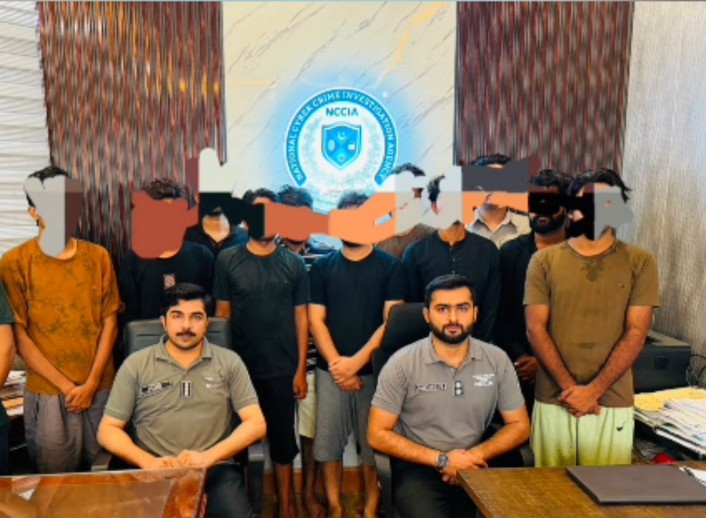
    LAHORE: In one of the largest cybercrime crackdowns in recent months, Pakistan’s National Cyber Crime Investigation Agency (NCCIA) has dismantled an organised online fraud network, arresting 27 suspects during coordinated operations in Lahore, Multan and Faisalabad. According to officials, the suspects were part of an organised “OTP Gang” accused of targeting bank customers through sophisticated phone scams. Investigators said the group impersonated bank officials, customs officers and police personnel to deceive citizens into revealing sensitive financial information before stealing money from their accounts. The largest operation was carried out in Lahore, where NCCIA teams conducted raids at multiple locations and arrested 13 suspects in two separate operations. Authorities also recovered mobile phones, computers and other digital evidence believed to have been used in cyber fraud activities. In Multan, four intelligence-based operations resulted in the arrest of 13 key members of the network. Officials believe the suspects played central roles in planning and executing online scams that affected victims in different parts of the country. Meanwhile, in Faisalabad, investigators arrested another suspect allegedly involved in hacking bank and social media accounts. During the raid, officials recovered several fake SIM cards and digital devices that are being examined as part of the investigation. Preliminary findings suggest the network relied on social engineering techniques, convincing victims that their bank accounts or identity documents required urgent verification. Once victims shared one-time passwords (OTPs), banking details or verification codes, the suspects allegedly gained access to their accounts and carried out unauthorised financial transactions. Cybercrime investigators are analysing the seized electronic devices to identify additional members of the network, trace stolen funds and determine whether the group has links to other organised fraud rings operating across Pakistan. Following the successful operation, the NCCIA urged citizens to remain vigilant against phone and online scams. The agency warned people never to share their OTPs, ATM PINs, passwords or banking information with anyone claiming to represent a bank, government department or law enforcement agency. Officials also advised the public to verify suspicious calls through official customer service numbers and immediately report suspected cyber fraud to the relevant authorities. The latest crackdown highlights the growing threat of cyber-enabled financial crime in Pakistan and underscores the government’s increasing efforts to dismantle organised digital fraud networks while encouraging stronger public awareness of online security.

  • | | |

    IMF hurdle blocks fuel levy cut, Senate told

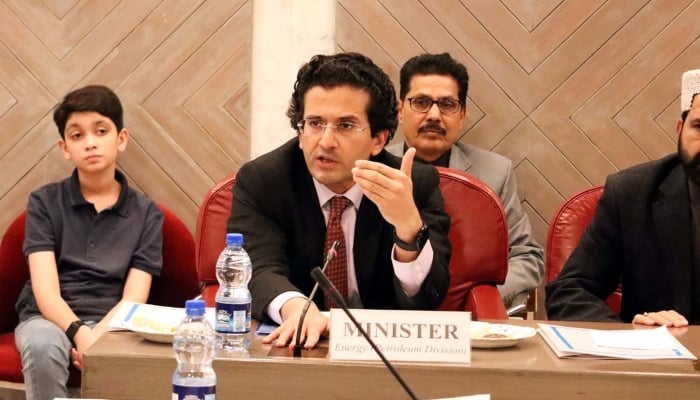
    Petroleum Minister Ali Pervaiz Malik has said the government is unlikely to reduce the petroleum levy unless it can identify another source of revenue to compensate for the financial shortfall, warning that such a move would be difficult to secure without the approval of the International Monetary Fund (IMF). Speaking during a meeting of the Senate Standing Committee on Petroleum, the minister explained that any reduction in the levy would affect government revenues and would require a credible alternative before it could be considered. He said the IMF was unlikely to support the proposal unless Pakistan presented a replacement revenue stream. The committee also discussed the country’s fuel pricing mechanism, with several lawmakers expressing concerns over the introduction of daily price adjustments. Members argued that frequent revisions create uncertainty for consumers and make it difficult for the public to understand fuel costs. Responding to the criticism, Malik defended the system, saying the government had removed political influence from fuel pricing by giving the Oil and Gas Regulatory Authority (OGRA) the authority to determine prices through an independent and transparent process. He said the mechanism was designed to reflect international market trends more accurately. The OGRA chairman informed the committee that local petrol and diesel prices are linked to fuel product prices in the Singapore market rather than international crude oil prices. He said the daily pricing system allows authorities to respond quickly to changes in global markets and helps reduce the impact of sudden price fluctuations. However, some lawmakers remained unconvinced. They argued that the pricing formula is too complicated for ordinary consumers and warned that frequent changes place additional financial pressure on households already struggling with rising living costs. The committee also raised concerns over the lack of performance audits of oil drilling rigs operating in the country. Members directed the relevant authorities to complete and submit an audit report within seven days to assess operational standards and efficiency. During the meeting, lawmakers questioned the continued delay in appointing a permanent chairman of OGRA. The petroleum minister replied that the recruitment process had been restarted after the earlier selection exercise failed to identify a suitable candidate.

  • | |

    Police intensify Mir Ali Raza murder probe

    Police have stepped up investigations into the abduction and murder of 25-year-old businessman Mir Ali Raza, whose body was found in Karachi’s Gulistan-e-Jauhar after he disappeared under mysterious circumstances. Investigators are pursuing multiple leads and examining digital evidence as they work to identify those responsible for the killing. According to the investigation, Raza returned home from his business on the night of July 28. A short while later, he left again after telling his family that he would return within 10 minutes. When he failed to come back, his family became concerned and later reported the matter to the police. CCTV footage collected by investigators shows a white vehicle arriving outside Raza’s residence at around 4am. The footage allegedly shows the businessman getting into the rear seat of the vehicle before it drove away. Police are trying to trace the vehicle and identify everyone who was inside at the time. The businessman’s body was later recovered from bushes in Block 1 of Gulistan-e-Jauhar. A preliminary investigation found that he had been subjected to torture before being shot once in the chest. Officials also clarified that rumours claiming acid had been used were incorrect. They said the condition of the body resulted from decomposition after it had remained at the location for more than 30 hours. Investigators discovered that before his disappearance, Raza had booked an online taxi and travelled to the kitchen facility used for his dessert business in Gulistan-e-Jauhar. The taxi driver confirmed dropping him off at the location. Police believe the kidnapping and murder occurred after he left the premises. One of the biggest challenges in the investigation is the disappearance of the victim’s mobile phone. Police have requested technical assistance from telecom authorities to obtain his call records, location history and other digital data. Investigators are also examining the people he had recently contacted to determine whether any connection exists between those communications and the crime. Authorities are also investigating the sudden deactivation of Raza’s social media accounts shortly before his body was discovered. Investigators are trying to establish whether the accounts were deactivated by the businessman himself or by someone who gained access to his phone after the incident. Police have questioned employees working at the kitchen on the night of the incident, along with staff members employed at his restaurants. Several people have been interviewed as part of the investigation, but officials have not disclosed further details, saying the inquiry is still ongoing. Investigators continue to analyse CCTV footage collected from nearby houses, shops and streets in an effort to reconstruct the victim’s final movements. However, officials say the absence of a citywide surveillance system and the poor quality of many privately installed cameras have made the investigation more difficult.

  • | |

    Federal Shariat Court to hear challenge to under-1…

    ISLAMABAD: A legal challenge to Punjab’s recently enacted law criminalising marriages involving individuals under the age of 18 has moved forward after the Federal Shariat Court cleared procedural objections and directed that the petition be fixed for hearing. The petition, filed by Mufti Muhammad Aslam through his counsel Mudassar Chaudhry Advocate, questions key provisions of the Punjab Child Marriage Restraint Act 2026. The Governor of Punjab, through the provincial secretary, and other relevant authorities have been named as respondents in the case. According to the petition, Sections 2(d), 2(c) and other provisions of the law are inconsistent with the Constitution and Islamic principles. The petitioner argues that declaring marriages involving individuals under the age of 18 as a criminal offence is contrary to Shariah and contends that the state has no authority to interfere in matters governed by Islamic law. The petitioner has requested the court to declare the provisions prescribing criminal penalties for under-18 marriages unlawful and strike down the disputed sections of the Act. The plea also seeks a stay on the implementation of the law until the Federal Shariat Court reaches a final decision. The case had initially faced a procedural objection because it challenged an ordinance that has since been passed by the Punjab Assembly and enacted as law. After the legislation was formally approved, the petitioner amended the plea to challenge the Act instead of the ordinance and resubmitted it before the court. Following the amendment, the Registrar of the Federal Shariat Court removed the objection and ordered that the matter be scheduled for hearing before the bench. The upcoming proceedings are expected to attract significant legal and public attention, as they concern the interpretation of child marriage laws, constitutional provisions and Islamic jurisprudence. The court’s eventual ruling could have important implications for the implementation of the Punjab Child Marriage Restraint Act 2026 and the broader debate surrounding the legal age of marriage in Pakistan. Until the court hears the matter, the law remains in force unless a stay order is granted during subsequent proceedings.

  • | |

    Balochistan to bring 1.8 million out-of-school chi…

    The Balochistan government has approved the implementation of a large-scale non-formal education programme aimed at bringing 1.8 million out-of-school children back into the education system. The decision was made during a meeting chaired by the provincial chief secretary, where officials reviewed plans to expand access to education for children who have been unable to attend formal schools due to various social and economic challenges. Under the initiative, children who have missed out on formal education will be provided with alternative learning opportunities through a structured non-formal education system. The programme is designed to help them continue their studies and improve literacy across the province. Officials said the project will be implemented over the next five years. For the current fiscal year, the provincial government has allocated Rs8 billion to launch and support the initiative. The chief secretary said the programme will operate under the supervision of the Social Welfare Department, which will oversee its implementation and ensure educational services reach children in underserved communities. Special priority will be given to children between the ages of 9 and 16, a group considered most vulnerable to dropping out of school or never enrolling in formal education. The initiative is expected to expand educational access, reduce the number of out-of-school children, and improve learning opportunities for thousands of young people across Balochistan.