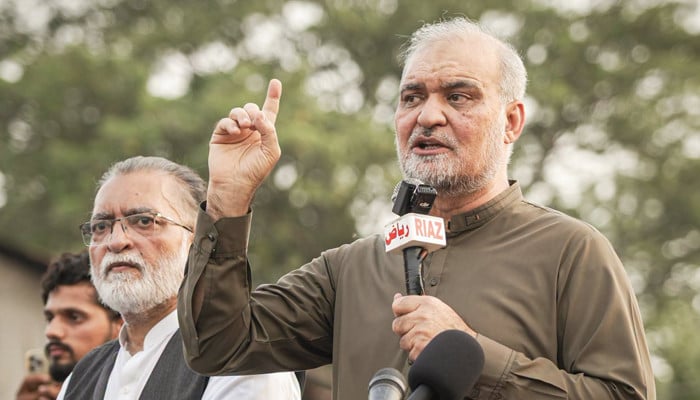
jamaateislami protest enters
| |

Jamaat-e-Islami protest enters second day

Jamaat-e-Islami Karachi chief Munim Zafar Khan has called for an immediate reduction in petrol prices, saying the government must end what he described as excessive petroleum levies that are placing an unfair financial burden on the public.

Speaking to Geo News, Zafar said the Jamaat-e-Islami’s sit-in outside the Governor House in Karachi had entered its second day. He said the protesters had presented clear demands and would continue their demonstration until the government addressed their concerns.

According to Zafar, a large number of women will join the protest at 3pm today, adding further momentum to the demonstration. He said the party plans to maintain pressure on the government over rising fuel prices, electricity bills and other issues affecting ordinary citizens.

The JI Karachi chief also demanded a forensic audit of Independent Power Producers (IPPs), arguing that the government should investigate power-sector agreements and costs to identify areas where consumers may be facing unnecessary financial pressure.

Zafar said controlling inflation should remain the government’s top priority, as rising prices continue to affect household budgets across the country. He maintained that the public should not have to bear what he termed excessive charges and levies.

He further said Jamaat-e-Islami had launched sit-ins in all four provinces and would continue its protests until the government accepted its demands.

The ongoing Karachi demonstration focuses on petroleum levies, electricity bills and broader public concerns. The party has vowed to continue the sit-in at the Governor House as part of its campaign for relief from rising living costs.
Similar Posts

  • |

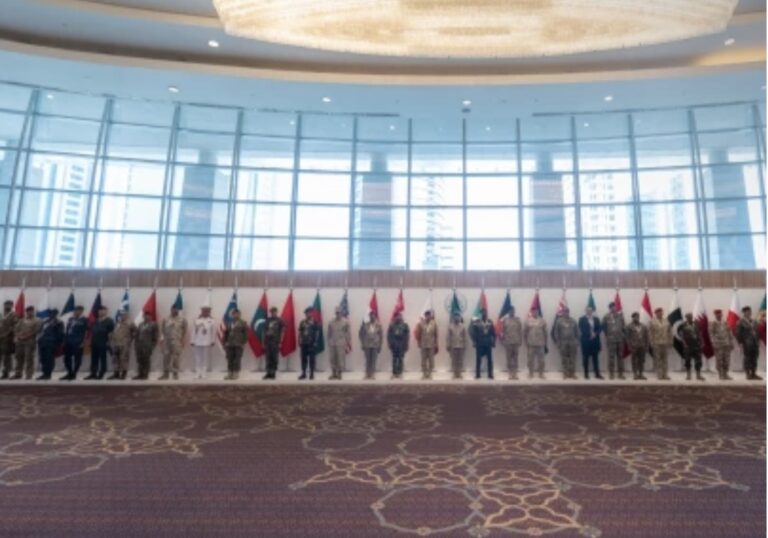
    Saudi Arabia unveils plans for Multinational Marit…

    Saudi Arabia and 13 other countries, including Pakistan, on Thursday announced the creation of a multinational maritime defence coalition aimed at safeguarding freedom of navigation, international trade and energy supply routes in the Bab al-Mandab Strait, the Red Sea and the Gulf of Aden. The Saudi defence ministry said representatives from 43 countries and the European Union attended an international meeting that discussed the proposed coalition, with Saudi Arabia serving as its founding and leading state and hosting its headquarters. The ministry said the coalition would strengthen maritime security, safeguard freedom of navigation, secure international trade routes and energy supply lines, and protect shared maritime interests in the strategic waterways. Fourteen countries, including Turkey, Pakistan, Egypt, Sudan and Djibouti, issued a joint statement supporting the proposed coalition. Among the six Gulf Arab states, Oman and the United Arab Emirates were not listed among the countries backing the statement. The founding states said participation in the coalition’s activities would remain a sovereign decision for each member state, stressing that the alliance is “purely defensive in nature, does not target any state, alliance or international organization, and will conduct all its activities in full compliance with international law while respecting state sovereignty and protecting freedom of navigation.” The joint statement said the coalition was established as a “framework for maritime defence cooperation” aimed at enhancing maritime security, protecting freedom of navigation, securing international trade and energy supply routes, and safeguarding interests in the Bab al-Mandab Strait, the Red Sea and the Gulf of Aden. The announcement comes amid heightened tensions in the Red Sea, where Yemen’s Houthi rebels have launched a series of attacks on Saudi-linked shipping. Saudi Arabia has responded with air strikes on what it said were Houthi military facilities in Yemen’s Hodeidah used to threaten commercial shipping. The Red Sea tensions mark the latest front in the wider Iran war, with attacks on shipping spreading beyond the Gulf and pushing oil prices higher. The Bab el-Mandeb Strait, linking the southern Red Sea with the Gulf of Aden and the Indian Ocean, is a key maritime chokepoint for global trade and energy shipments. The European Union launched a naval mission in the Red Sea in 2024 to help restore and safeguard freedom of navigation after the Houthis disrupted maritime traffic by attacking vessels in what they said was solidarity with Palestinians during the Gaza war. The new Saudi-led coalition represents a significant expansion of international efforts to secure the region’s vital waterways.

  • | |

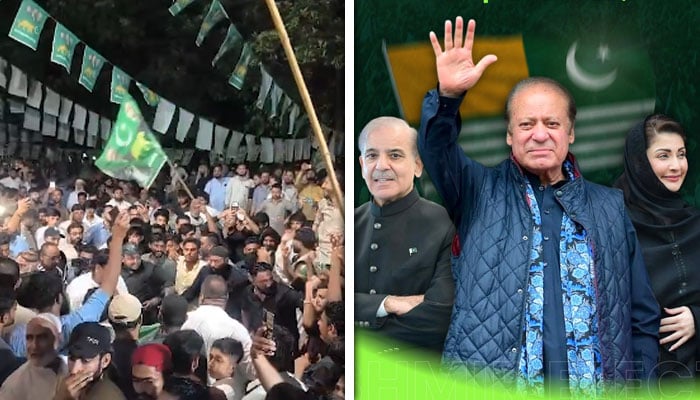
    Jubilant PML-N workers celebrate AJK election succ…

    Rawalpindi: Jubilant Pakistan Muslim League-Nawaz (PML-N) workers celebrated the party’s performance in the Azad Jammu and Kashmir (AJK) elections with enthusiastic gatherings and slogan-chanting in Rawalpindi late Sunday. Senior Punjab Minister Maryam Aurangzeb joined party supporters as they marked the election victories with celebrations. Workers raised slogans in support of PML-N President Nawaz Sharif, Punjab Chief Minister Maryam Nawaz Sharif, and the Pakistan Armed Forces, while also expressing confidence in the party’s political future and its stance on Kashmir. The celebrations echoed across parts of the city as party activists chanted slogans backing the PML-N leadership, including Maryam Nawaz, and congratulated candidates on their electoral success. Supporters described the election outcome as a significant achievement for the party and vowed to continue backing its leadership in future political contests. Moreover, The Pakistan Muslim League-Nawaz (PML-N) continued to consolidate its lead in the Azad Jammu and Kashmir (AJK) Legislative Assembly elections after the Election Commission announced additional constituency results, giving the party a commanding advantage in the latest vote count. According to the latest results, PML-N has secured victory in 11 constituencies, while it is leading in three more seats. The Pakistan Peoples Party (PPP) has won two constituencies and is ahead in four others. Polling in one constituency, LA-27, has been postponed. The newest official results announced by Election Commission member Syed Nazir-ul-Hassan Gilani confirmed PML-N’s victories in two more constituencies. In LA-38 (Jammu-5), PML-N candidate Zeeshan Ali emerged victorious after securing 13,652 votes, defeating the Pakistan Muslim League (AJK) candidate, who received 9,523 votes. In LA-39 (Jammu-6), PML-N’s Raja Muhammad Siddique claimed the seat with 10,981 votes, comfortably defeating PPP candidate Chaudhry Fakhar Zaman, who polled 5,081 votes. With these latest victories, PML-N has further strengthened its position in the AJK elections, while PPP remains competitive in several constituencies where vote counting is still underway. The final composition of the Legislative Assembly will become clearer once the remaining results are officially declared.

  • | | |

    AJK Election Commission officially notifies poll r…

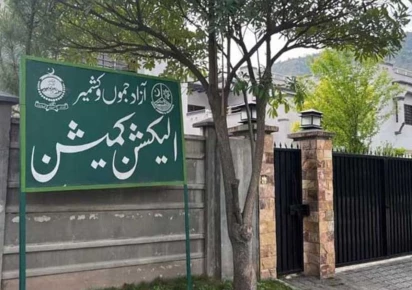
    The Azad Jammu and Kashmir Election Commission has officially notified the results of the first phase of the Legislative Assembly elections. The notification confirms a strong performance by the Pakistan Muslim League-Nawaz (PML-N) in the Mirpur Division. The PML-N won nine of the 13 seats contested in the first phase. The Pakistan Peoples Party (PPP) secured the remaining four seats. The official notification formally declared all successful candidates elected. It also included their parentage, political affiliation and constituencies. In Mirpur district, four assembly seats were contested. The PML-N won two seats. Azhar Sadiq and Chaudhry Rukhsar Ahmed were declared successful. The PPP also won two seats in the district. Qasim Majid and Chaudhry Yasir Sultan secured victories for the party. The PML-N delivered its strongest performance in Bhimber district. The party won all three constituencies in the district. Colonel (retd) Waqar Ahmed Noor, Chaudhry Abdul Razzaq and Chaudhry Tariq Farooq were declared winners. Kotli district had six constituencies. The PML-N secured four of them. Umair Naeem, Raja Muhammad Asif, Raja Riasat Khan and Raja Ayaz Ahmed won their respective constituencies. The PPP captured two seats in Kotli. Malik Zafar Iqbal and Chaudhry Muhammad Yasin were declared successful. With the notification, the election authority has formally confirmed all 13 members elected from the Mirpur Division. The results give the PML-N an early advantage in the three-phase AJK election. The party now enters the next stage with nine seats from the first phase. The PPP has four seats and remains a key political force in the division. Attention has now shifted towards the second phase of polling. The second phase is scheduled for August 2. Voting will take place across the Muzaffarabad Division. The phase will include nine general constituencies in Muzaffarabad, Jhelum Valley and Neelum Valley. It will also include 12 reserved seats for refugees from Indian Illegally Occupied Jammu and Kashmir residing in Pakistan. The third and final phase will be held in the Rawalakot Division. The final phase will cover constituencies in Rawalakot, Sudhnoti, Bagh and Haveli. Political parties are expected to intensify their campaigns ahead of the remaining phases. The PML-N’s strong opening performance has increased pressure on rival parties. The upcoming rounds will determine whether the party can maintain its momentum across other divisions.

  • | |

    PM rebukes Islamabad officials over ceremonial bug…

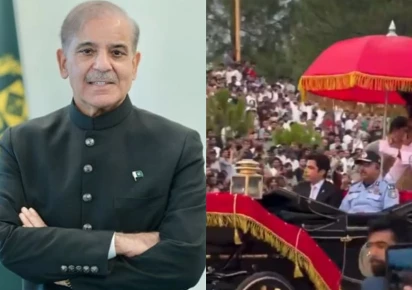
    ISLAMABAD: Prime Minister Shehbaz Sharif has expressed serious displeasure over the use of a ceremonial horse-drawn buggy by Islamabad’s chief commissioner and inspector general during the August 14 Independence Day celebrations. An official advisory issued by the Establishment Division said the incident had attracted widespread public criticism and prompted the Prime Minister to take a serious view of the conduct. The advisory was issued to Islamabad Chief Commissioner Lt (retd) Sohail Ashraf and Inspector General of Police Syed Ali Nasir Rizvi. According to the advisory, the prime minister believed that the display of pomp and show created an impression of privilege, ostentation and personal glorification, which was contrary to the principles of public service. It stressed that government officials entrusted with public offices were expected to demonstrate humility, restraint, dignity and sound judgment. The Establishment Division warned that such conduct could weaken public confidence in government institutions and fall short of the standards expected from senior officials. The two officials were advised to exercise greater care in carrying out their duties and ensure that similar incidents did not happen again. The controversy emerged after images and videos of the officials travelling in the ceremonial buggy during the Independence Day event circulated widely on social media, drawing criticism from the public. Interior Minister Mohsin Naqvi subsequently defended the officials, saying they were not responsible for the decision to use the buggy. He explained that the vehicle had originally been arranged for the chief guest, while he and the chief guest were delayed because of a meeting involving the president and prime minister. Naqvi said the two officials had initially been reluctant to begin the programme in the absence of the chief guest and the minister but were instructed to proceed to avoid inconvenience to the public. Despite the clarification, the incident continued to attract attention, ultimately leading to the formal advisory from the Establishment Division.

  • | |

    Mushtaq Ahmad released after brief detention

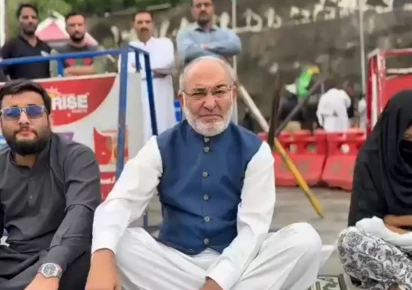
    Former Jamaat-e-Islami senator Mushtaq Ahmad Khan was released on Thursday after his supporters claimed he had been held for more than 24 hours following his attempt to travel to Azad Jammu and Kashmir (AJK), where protests have intensified in recent days. According to his team, Mushtaq Ahmad was stopped by authorities after being denied entry into AJK while travelling to express solidarity with families affected by the recent unrest. They alleged that he was later taken into custody while returning to Islamabad and remained out of contact for several hours before his release. Following his release, his official social media account confirmed that he was safe and announced that he would address a press conference in Islamabad to share details of the incident. Supporters claimed that he was intercepted near Kahuta by Punjab Police and taken away without any formal arrest warrant or explanation. They further alleged that authorities did not disclose his location during the period of detention, prompting concerns among family members and political colleagues. The alleged detention triggered strong reactions from opposition leaders and rights advocates, who demanded transparency and adherence to legal procedures. Several political figures called for an explanation from the authorities, while human rights groups stressed the importance of protecting civil liberties and ensuring due process. The incident comes amid heightened tensions in Azad Jammu and Kashmir following clashes between security personnel and protesters. The unrest has resulted in casualties and injuries, leading to widespread political criticism and renewed calls for an independent investigation into the violence. Political parties have urged the government to exercise restraint and resolve disputes through dialogue, warning that excessive use of force could further inflame the situation.

  • | |

    Beyond faith and defense

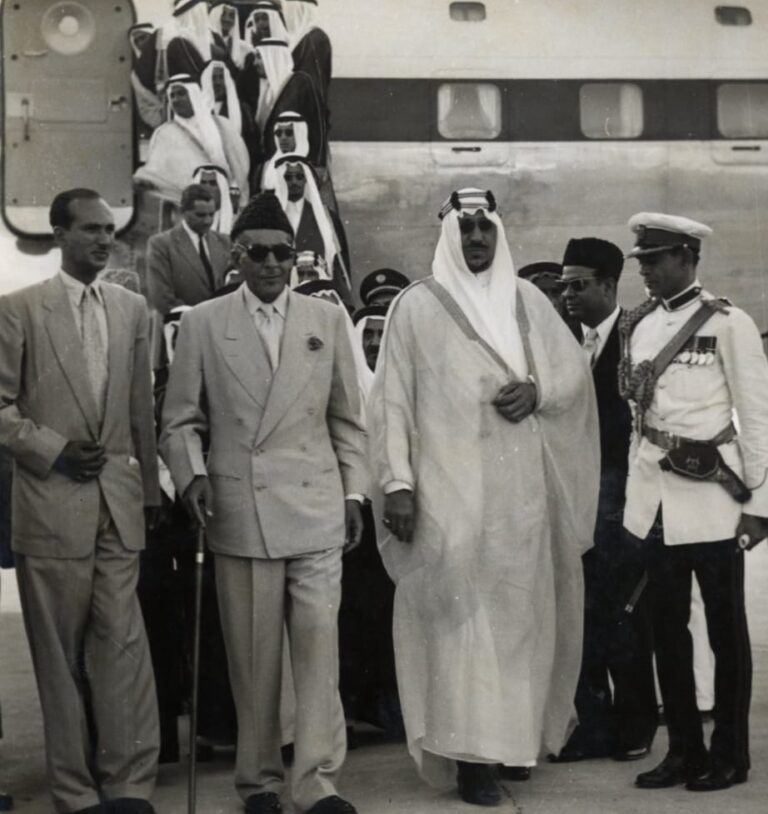
    The historical partnership between Pakistan and the Kingdom of Saudi Arabia stands as one of the most enduring bilateral relationships in the contemporary Muslim world. This history is anchored in shared Islamic values and a profound spiritual connection to the holy sanctuaries of Makkah and Medina. This alliance predates the modern era of Saudi oil wealth. The bond was formalized through the landmark Treaty of Friendship in 1951. It established an early blueprint for solidarity, ideological alignment and mutual support during crisis. Over the past seven decades, this connection has expanded from religious affinity into strategic collaboration. The Art of Strategic Neutrality Defense cooperation forms a central pivot of the bilateral relationship. Since the 1960s, the Pakistani military has played an instrumental role in advising, training, and building the infrastructure of the Saudi armed forces. Contingents of Pakistani troops have historically been deployed inside the Kingdom for defensive purposes, notably safeguarding the Holy Mosques during regional upheavals such as Operation Desert Storm. Moreover, thousands of Saudi defense personnel have undergone advanced training in Pakistani military institutions over the decades. However, the military relationship has also required careful navigation.  When conflict erupted in Yemen (2015), Pakistan’s parliament adopted a stance of strict neutrality to avoid inter-state Middle Eastern disputes, particularly while its domestic forces were actively engaged in counter-terrorism campaigns like Operation Zarb-e-Azb. Despite initial friction, Riyadh acknowledged Islamabad’s geopolitical constraints. This mature understanding was demonstrated when former Pakistani Army Chief General Raheel Sharif was appointed to lead the Islamic Military Counter Terrorism Coalition (IMCTC), focusing strictly on combating global extremism rather than taking sides in regional power struggles. Economic Interdependence and Human Capital Beyond defense, economic cooperation has provided crucial stability to Pakistan’s financial landscape. Saudi Arabia has repeatedly acted as a financial cushion. The country delivered multi-billion-dollar bailout packages, balance-of-payment assistance and deferred-payment oil supplies during economic hardship. Historically, this financial dynamic was complemented by administrative leadership. Pakistani economist Anwar Ali served as the Governor of the Saudi Arabian Monetary Agency from 1958 to 1974. He played a pivotal role in organizing the Kingdom’s modern financial infrastructure. Human capital remains another essential driver of this relationship. Over 2.7 million Pakistani expatriates reside and work within Saudi Arabia. Spanning critical sectors such as healthcare, engineering, construction, and information technology, these workers contribute directly to Saudi Arabia’s physical and economic development while generating vital remittance flows that sustain Pakistan’s domestic economy. Furthermore, administrative initiatives like the “Road to Makkah” project and reductions in visa fees have significantly streamlined pilgrimage procedures for millions of Pakistani citizens traveling for Hajj and Umrah. Geo-Economics, Vision 2030, and the Future of CPEC As both nations adjust to global realities, the bilateral partnership is changing into modern geo-economic framework. Saudi Crown Prince Mohammed bin Salman’s Vision 2030. The Kingdom aims to diversify its economy away from oil dependency by investing in global supply chains. A key element of this transformation includes multi-billion-dollar investment commitments in Pakistan. Furthermore, a proposed mega-oil refinery at the deep-sea port of Gwadar.   Ultimately, geopolitical challenges occasionally test bilateral diplomatic alignment. However, the strategic, economic and institutional ties between Islamabad and Riyadh continue to adapt. After all, it’s a dynamic future built on mutual survival and shared prosperity.

Leave a Reply

Your email address will not be published. Required fields are marked *