• |

    TTAP condemns police violence against protesters in Lahore

    LAHORE: Chief Organiser Tehreek-e-Tahafuz-e-Ayin-e-Pakistan (TTAP) Punjab Ammar Ali Jan and Information Secretary TTAP Punjab Shayan Bashir have condemned the indiscriminate police violence unleashed on peaceful demonstrators outside Aiwan-e-Adl on Wednesday, saying that three years after his incarceration Imran Khan remains the most popular leader in the country and a unifying symbol whose standing continues to terrify the illegitimate rulers of this province. They said the day marked the abandonment of even the pretence that Article 16 of the Constitution still stands in Punjab. Thousands of citizens, workers, lawyers and civil society members had assembled outside the courts when police baton-charged the gathering without provocation, striking women and children present at the site. PTI Lahore President Mian Akram Usman and MPA Sheikh Imtiaz were manhandled, their clothing torn in public view. More than fifty workers, along with sitting members of the Punjab Assembly, were taken into custody. “A government that will not answer an application on paper has chosen to answer it with lathis in the street,” Bashir said. “PTI Lahore applied in writing to the Lahore Deputy Commissioner for permission to assemble peacefully. The administration returned silence. Today it returned batons.” The protests were not confined to Lahore. Demonstrations were held in Faisalabad, Multan, Rawalpindi, Kasur, Jhang, Kamalia in Toba Tek Singh and other districts across Punjab. The state’s own conduct is the measure of what it fears. Permission was refused across three provinces, a courthouse precinct was baton-charged and elected legislators were dragged into custody, all on account of a man who has been in a cell since 2023. Nobody deploys that against a spent force. Ammar Ali Jan said the beating was not aimed at one party alone. “When the state clubs women, children and elected representatives outside a courthouse, it is not policing a crowd, it is informing ordinary people that the Constitution was written for somebody else,” he said. “A right that survives only until the administration is irritated by it is not a right at all.” The warning had already been given. Amnesty International said on Tuesday that ahead of the anniversary gatherings the authorities must facilitate the right to peaceful protest and ensure there was no repeat of unlawful and arbitrary arrests. Punjab read that warning and did the opposite within twenty four hours. The violence reached beyond political workers. Aaj TV court reporter Natiq Rehan was assaulted by police while covering the rally and placed in a prisoners van, filmed and reported in the press. When the state beats the witness alongside the demonstrator, it has said plainly what it wants kept off the record. The leaders demanded the immediate release of every detained worker and legislator, registration of cases against the officers who ordered and carried out the operation, and a judicial inquiry into the conduct of the Lahore administration.

  • |

    7 easy tricks to boost internet speed on Android phones

    We all experience this: trying to load a webpage, stream a video or open an app on our Android phones. However, sometimes the internet becomes so slow that it feels like it is crawling. Slow internet on a phone affects downloads and uploads, websites take longer to open and videos may remain stuck instead of playing smoothly. Fortunately, Android phones offer several tools and tricks that can help improve internet speed. Clear background apps Apps running in the background use data, processing power and internet connectivity. Clearing or disabling unnecessary background apps can prevent them from affecting internet speed. For this purpose, go to Settings and disable unnecessary apps running in the background. Clear cache for faster internet When you use apps or visit websites on an Android phone, the device stores some data known as cache. These files are designed to help apps and websites run more efficiently and can be useful in the short term. However, when too many cache files accumulate, they may affect performance and internet speed. Therefore, clearing an app’s cache can help improve the device’s performance. To do this, go to Settings, select Apps, open the relevant app’s information page then select Storage and tap Clear Cache. Update operating system and apps Outdated operating systems and apps can affect performance and internet speed. Keeping your software and apps updated can help maintain better speed while also improving the overall performance of your phone. Use fast browser A web browser can directly affect your browsing experience and internet performance. Browsers such as Google Chrome and Firefox are regularly updated and their performance is continuously improved. Adjust Airplane Mode Airplane Mode on smartphones is primarily designed to disable radio-frequency signal transmission. When Airplane Mode is turned on, Wi-Fi, Bluetooth and cellular signals are switched off, stopping wireless communication. However, this feature can also be used to refresh your internet connection. Smartphones connect to nearby mobile towers for cellular signals. When you move around throughout the day, your phone may not always connect to the best available tower. Resetting the connection through Airplane Mode may help improve internet speed. Simply turn Airplane Mode on and wait for a short while before turning it off again. This may allow your Android phone to reconnect to a better mobile tower and improve internet speed. Restart your phone or router Restarting devices can also improve their performance. Restarting your smartphone or router may clear temporary errors and can sometimes help improve internet speed. Move closer to router Distance is important when using a Wi-Fi connection. If possible, move closer to your router. This can improve the signal strength and may result in a faster and more stable internet connection.

  • WhatsApp rolls out 3 new features for group chats

    WhatsApp has introduced several new features for group chats to make the overall user experience more convenient and efficient. Meta has added a total of three new features to WhatsApp. According to a statement issued by the company, these features are designed to simplify various aspects of group chats. Creating a new group has also been made easier. Smart poll features WhatsApp has updated its polling feature with new tools to make decision-making within groups easier. Users can now set an expiry time allowing polls to automatically close at a selected time. For greater privacy, users will also be able to hide voters identities. In addition, polls can be edited within 15 minutes of being posted. Creating new groups is now easier The messaging platform has also introduced a “Create a Similar Group” option. This feature allows users to create a new group with a single click using the chat and members of an existing group. Group mentions One of the major new features for WhatsApp groups is the @all mention feature which allows users to notify all group members simultaneously. This means there will no longer be a need to tag each person individually. The tool is designed to help users quickly inform everyone in a group about an urgent announcement or important matter. However, if a group has more than 32 members, only administrators will be able to use the @all feature. Users will also have the option to mute @all notifications.

  • DG Khan Board announces matric position holders 2026

    The Board of Intermediate and Secondary Education Dera Ghazi Khan has announced the position holders for the annual matriculation examinations. Chairman Professor Dr. Abdul Raouf revealed the names of the top achievers, extending congratulations to the position holders and their parents. The announcement ceremony was attended by Board Secretary Abdul Rehman Choudhry, Controller of Examinations Professor Muzaffar Hussain, and other officials. The formal declaration of the matriculation annual examination results is scheduled for August 6. In the overall board-wide ranking, Abdullah Salim from Layyah secured the first position with an impressive 1191 marks. Mir Mujtaba from Taunsa Sharif claimed the second position with 1190 marks, while the third position was shared jointly by Farwa Ahmed from Muzaffargarh, Mirab Zahra from Layyah, and Syed Muhammad Jon Abbas from Layyah, each achieving 1189 marks. In the Science Group for boys, Abdullah Salim from Layyah topped the board with 1191 marks. The second position went to Mir Mujtaba from Taunsa Sharif with 1190 marks, and Syed Muhammad Jon Abbas Naqvi from Government Model Higher Secondary School Layyah secured the third position with 1189 marks. In the Science Group for girls, Farwa Ahmed from Muzaffargarh and Mirab Zahra from Layyah shared the first position with 1189 marks each. Ayesha Aamna and Shawaal Ijaz jointly claimed the second position with 1188 marks, while Umaima Abbas from Government Girls High School Layyah and Kashaf Saeed from Taunsa Sharif tied for the third position with 1187 marks each. In the General Group for boys, Muhammad Safdar from Rajanpur topped the list with 1136 marks, followed by Habib Ahmed from Centre of Excellence (Boys) Rojhan, Rajanpur, who secured 1135 marks. Muhammad Sohail from Layyah took the third position with 1073 marks. In the General Group for girls, Aiman Farooq from Centre of Excellence Girls Muzaffargarh achieved the first position with 1134 marks, Ajwa Naseer from the same institution secured the second position with 1129 marks, and Suwaira Fida Hussain also from Centre of Excellence Girls Muzaffargarh claimed the third position with 1128 marks. Overall, female students dominated the position holder list with nine positions, while male students secured six positions. Government institutions accounted for eight of the positions, private institutions claimed five, and two positions went to private candidates.

  • Google Assistant to end on Androids from September 2026

    For years, Android phone users have been using Google’s digital assistant. However, the era of Google Assistant is now coming to an end. Google Assistant was introduced in May 2016 as part of the Allo app which was discontinued several years ago. However, following the arrival of Google’s artificial intelligence-powered chatbot Gemini, the company has decided to retire Google Assistant from Android phones. According to a report by 9to5Google, Google has sent emails to some users informing them that Google Assistant will disappear from Android phones starting September 4, 2026. This means that within a few weeks, users will no longer be able to use Google Assistant on Android phones, tablets and wearable devices. Google had initially planned to retire the service sometime in 2025 but later decided to keep Google Assistant available for some additional time. In recent months, Google has been working to make Gemini the default assistant across a number of devices. If you are still using Google Assistant on your Android phone, you can switch to Gemini which can be used for everything from basic phone commands to a wide range of other tasks. Gemini is a multimodal assistant meaning users can give it instructions through audio, text and images. You can also use Gemini, just like Google Assistant through the “Hey Google” voice command.

  • | | |

    Justice for Kashmir begins with implementing UN re…

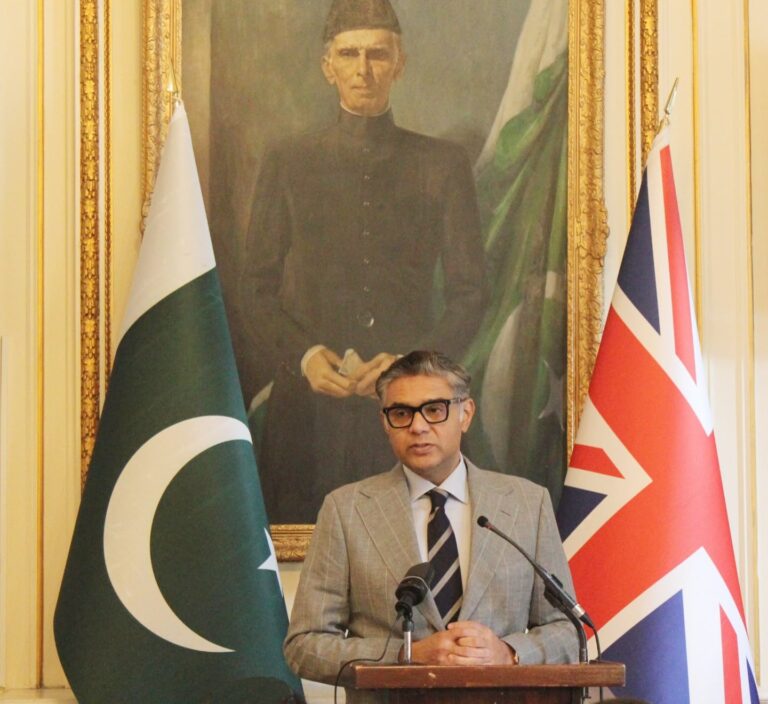
    Pakistan’s High Commissioner to the UK, Tipu Usman, has urged the international community to play a more proactive role in resolving the Kashmir dispute, declaring that “justice for Kashmir begins with implementing United Nations Security Council resolutions” and reaffirming that Pakistan’s support for the people of Jammu and Kashmir “remains unwavering and unconditional.” He was addressing a seminar organised by the Pakistan High Commission in London to observe Youm-e-Istehsal Kashmir, marking the anniversary of India’s August 5, 2019 decision to revoke the special status of Indian Illegally Occupied Jammu and Kashmir (IIOJK). The event brought together British parliamentarians, diplomats, community leaders and members of the British Pakistani and Kashmiri diaspora, who condemned India’s revocation of Article 370 and reiterated support for the Kashmiri people’s right to self-determination. In his keynote address, Tipu Usman called upon the international community, particularly the United Kingdom, to stand on the side of justice by urging India to reverse the unilateral measures introduced on August 5, 2019, restore the rights and special status of Jammu and Kashmir, and honour the relevant United Nations Security Council resolutions. “Pakistan’s support for the people of Jammu and Kashmir remains unwavering and unconditional,” he said, adding that a peaceful and lasting settlement of the dispute must be achieved in accordance with the wishes of the Kashmiri people as reflected in the UN resolutions. The seminar was attended by Lord Qurban Hussain, Baroness Nosheena Mobarik, Afzal Khan MP and Adnan Hussain MP, alongside prominent community figures including Councillor Yasmine Dar, UK-Pakistan Kashmiri Councillors Forum Chairman Liaqat Ali MBE, Jammu Kashmir Self Determination Movement International Chairman Raja Najabat Hussain and former Deputy Mayor of Peterborough Mohammad Nadeem. Speakers strongly criticised India’s constitutional changes of August 2019, describing them as illegal and unconstitutional. They expressed concern over the human rights situation in IIOJK and called for an immediate end to alleged rights violations. Participants stressed that the Kashmir dispute remains an internationally recognised issue that should be resolved through dialogue and in line with UN Security Council resolutions. The seminar also proposed a strategic roadmap to enhance engagement with policymakers, parliamentarians and international stakeholders to build support for a just and lasting resolution of the Kashmir dispute. Messages from the President of Pakistan, the Prime Minister and the Deputy Prime Minister and Foreign Minister were read out during the event, reiterating Pakistan’s continued diplomatic, political and moral support for the people of Jammu and Kashmir. The ceremony concluded with participants observing a minute’s silence in memory of those who lost their lives in the Kashmir conflict.

  • | | |

    PTI protest in Karachi triggers clashes, arrests a…

    KARACHI: Supporters of Pakistan Tehreek-e-Insaf (PTI) staged a protest near Fawara Chowk in Karachi to express solidarity with the party’s founder, leading to clashes with police and widespread traffic disruptions across the city. According to reports, PTI workers pelted police with stones during the demonstration. In response, police used tear gas and baton charges to disperse the protesters. The unrest forced nearby businesses to shut down, while commuters and residents faced significant inconvenience. Police detained several PTI leaders and workers, including PTI Sindh Secretary General Dr Masroor Sial. The protest caused severe traffic congestion around Governor House, Metropole, and Shaheen Complex. Authorities closed multiple roads to traffic, including the stretch from M.R. Kiani Road to Fawara Chowk and Din Muhammad Wafai Road. The route from Coast Guard to Regal Chowk and Sarwar Shaheed Road was also closed. In addition, the road from M.T. Khan Road towards PIDC remained blocked. Traffic restrictions were also imposed on both tracks of Zamzama Street and Khayaban-e-Shamshir, as well as both sides of Sir Shah Suleman Road from Quba Masjid, Ghareebabad, to Liaquatabad. Motorists were advised to use alternative routes as authorities worked to manage the situation.

  • | |

    Mufti Muneeb-ur-Rehman criticizes Pakistan’s…

      Renowned Islamic scholar Mufti Muneeb-ur-Rehman has strongly criticized Pakistan’s judicial and economic systems, stating that a justice system that fails to deliver justice even after forty years cannot be considered a true system of justice but rather a system of oppression. He made these remarks while addressing a public ceremony in Karachi, where he spoke about the country’s pressing legal and economic challenges. During his speech, Mufti Muneeb-ur-Rehman expressed concern over the prolonged delays in the judicial process. He argued that when people have to wait decades for justice, the very purpose of the legal system is defeated. According to him, justice delayed for such an extended period effectively becomes justice denied, leaving citizens frustrated and deprived of their fundamental rights. He emphasized that a judicial system should provide timely and fair decisions so that public confidence in the rule of law remains intact. The scholar also urged those in positions of authority to focus on resolving Pakistan’s domestic problems instead of concentrating solely on international issues. He remarked that while government leaders often discuss and engage with global affairs, the country’s internal challenges require immediate attention. He specifically called upon policymakers and those holding power to prioritize the welfare of the people by addressing the nation’s economic difficulties. One of the major issues highlighted by Mufti Muneeb-ur-Rehman was the problem of Independent Power Producers (IPPs). He appealed to the government to find a practical and sustainable solution to the IPP issue, which has been widely debated due to its impact on electricity prices and the country’s financial stability. According to him, resolving this matter would help reduce the economic burden on both the government and ordinary citizens. Speaking about the national economy, Mufti Muneeb-ur-Rehman painted a concerning picture of Pakistan’s financial condition. He stated that after distributing the constitutionally allocated shares to the provinces and making payments on interest obligations, the federal government is left with very limited financial resources. This situation, he suggested, reflects the severity of the country’s fiscal challenges and highlights the urgent need for comprehensive economic reforms. He stressed that policymakers should adopt measures that promote financial stability, reduce unnecessary expenditures, and improve revenue generation without placing excessive burdens on the public. The event also featured an address by Maulana Bashir Farooqi, who criticized the government’s approach toward eliminating the interest-based financial system. He argued that the authorities are not demonstrating sufficient seriousness in transitioning toward an Islamic banking framework. According to him, meaningful reforms require not only policy changes but also practical steps to prepare financial institutions for such a transformation. Maulana Bashir Farooqi announced that his organization is willing to provide training for approximately 100,000 employees working in conventional banks. He explained that this initiative aims to equip banking professionals with the knowledge and skills necessary to operate within an interest-free Islamic banking system if the government decides to pursue such reforms. He maintained that the availability of trained professionals would facilitate a smoother transition and strengthen the implementation of Islamic financial principles in the country’s banking sector. The speeches delivered at the Karachi ceremony underscored concerns regarding Pakistan’s judicial efficiency, economic management, and financial policies. Both religious leaders called on the government to prioritize domestic reforms, strengthen public institutions, address long-standing economic challenges, and work toward a system that better serves the interests of the people.

  • | |

    Dar calls for Muslim unity to protect Al-Aqsa

    Deputy Prime Minister and Foreign Minister Ishaq Dar has urged Arab and Islamic countries to stand together to protect Al-Aqsa Mosque and defend the rights of the Palestinian people amid the worsening situation in occupied Jerusalem and the West Bank. Speaking at a ministerial meeting on Jerusalem in Amman, Jordan, Dar said Muslim nations must adopt a united and coordinated approach to preserve the sanctity of Jerusalem’s holy sites. He stressed that immediate action is needed to stop violations at Al-Aqsa Mosque and maintain the site’s historical and legal status. Dar said the international community must ensure unrestricted access to Jerusalem’s holy places and prevent any attempts to alter their religious or historical character. He added that continued Israeli actions threaten regional stability and undermine prospects for a lasting peace. The foreign minister strongly opposed Israeli settlement expansion, annexation efforts, forced displacement of Palestinians and demographic changes in the occupied territories, including East Jerusalem. He said such measures violate international law and several United Nations Security Council resolutions. He also called for the complete implementation of the Gaza peace plan and all relevant UN resolutions. Dar welcomed diplomatic efforts by the United States, Egypt, Qatar and Türkiye, expressing hope that all parties would honour their commitments and move the peace process forward. Referring to the humanitarian crisis in Gaza, Dar said the ceasefire had brought limited relief, but conditions remained critical. He noted that millions of Palestinians continue to face severe food shortages, displacement and insecurity despite recent progress. Dar urged Muslim countries to strengthen diplomatic efforts to ensure international protection for Palestinians and hold those responsible for violations of international law accountable. He said justice and respect for international law are essential for achieving sustainable peace. Reaffirming Pakistan’s longstanding support for Palestine, Dar said Israel has no sovereignty over occupied East Jerusalem or its Islamic and Christian holy sites. He reiterated Pakistan’s support for the establishment of an independent and sovereign Palestinian state based on the pre-1967 borders, with Al-Quds Al-Sharif as its capital. The minister also warned that continued attacks on religious sites could inflame tensions across the Muslim world and increase the risk of wider regional conflict. The ministerial meeting concluded with a joint declaration by Arab and Muslim foreign ministers announcing the creation of a permanent mechanism to document Israeli violations in Jerusalem and at its Islamic and Christian holy sites. The mechanism will include a media platform to record incidents involving worshippers and religious sites and present documented evidence before international organisations and the global community. The declaration reaffirmed that East Jerusalem remains an occupied territory and rejected all unilateral measures aimed at changing its legal or demographic status. It also stressed that a two-state solution remains the only viable path to lasting peace in the region. On the sidelines of the meeting, Dar held separate discussions with the foreign ministers of Saudi Arabia, Egypt, Türkiye, Jordan and Somalia. The meetings focused on strengthening bilateral cooperation, reviewing regional developments and coordinating diplomatic efforts on the Palestinian issue.

  • | |

    Dr Summaiya flags 14 flaws in Mir Raza Ali post-mo…

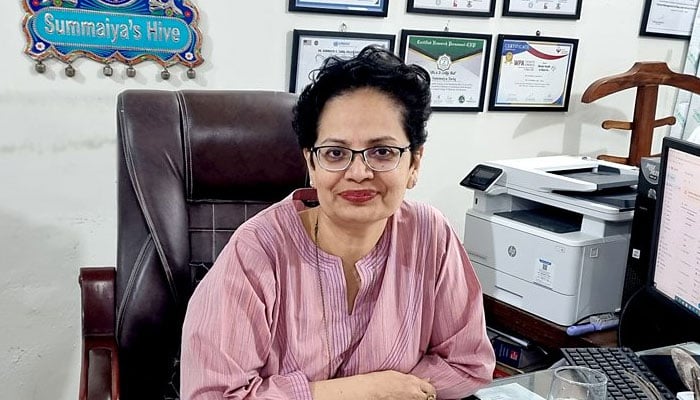
    KARACHI: Police Surgeon Dr Summaiya Syed has identified 14 serious deficiencies in the post-mortem examination of Mir Raza Ali and formally raised concerns with the police, calling for a thorough review of the forensic findings. In a letter addressed to the Senior Superintendent of Police (SSP) District East, Dr Summaiya questioned the quality and completeness of the autopsy report prepared by Dr Osama Sheikh. She highlighted several procedural and forensic shortcomings that, according to her, could affect the accuracy and credibility of the investigation. According to the letter, no X-rays were conducted on the body before or during the post-mortem examination. Dr Summaiya stated that such imaging is a standard forensic requirement and can help identify bullet trajectories, fractures and other internal injuries that may not be visible during a routine examination. She further pointed out that no chemical analysis was carried out to determine the presence of gunpowder residue around the entry wound. The absence of such testing, she noted, limits the ability to determine the firing distance and other important forensic details. The police surgeon also stated that the internal examination of the skull and neck was not performed. She said these examinations are essential in cases involving firearm injuries, particularly when determining the exact cause of death and the path of the bullet. Dr Samia’s letter also criticised the documentation process followed during the autopsy. She said no measurement scale was used while recording the injuries, making it difficult to accurately assess the size of the wounds. She added that photographs of the injuries were not taken in accordance with accepted forensic standards. She further observed that the report did not adequately explain the bone characteristics associated with the entry and exit wounds, making the injury assessment incomplete. The letter also highlighted that the nature and stage of decomposition of the body had not been clearly described in the report. According to Dr Summaiya, documenting decomposition is important in estimating the time of death and assessing the condition of the body. Another major concern raised was the reported size of the wounds. The post-mortem report recorded the entry wound as significantly larger than the exit wound, a finding Dr Summaiya described as unusual and requiring immediate re-examination and verification. She also questioned the identification process, stating that although the face of the deceased was reportedly unrecognisable, no DNA sample was collected to scientifically confirm the identity of the body. Dr Summaiya urged the investigating authorities to carefully review the post-mortem findings and address the identified shortcomings to ensure that the forensic investigation meets professional standards and supports a fair and transparent legal process.