pakistan discovers lithium

Pakistan discovers lithium in underground brine

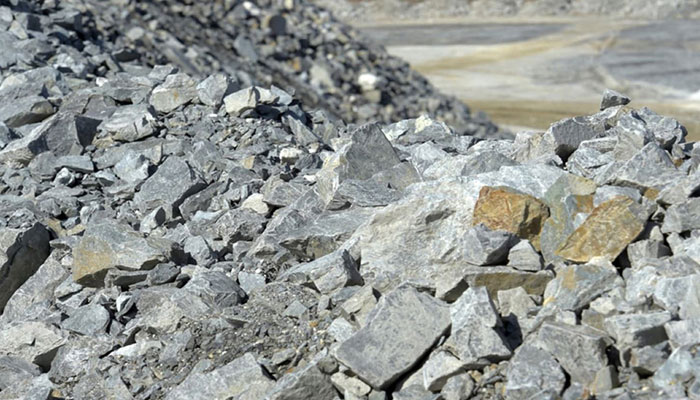
Islamabad – Oil and Gas Development Company Limited (OGDCL) has achieved a major scientific milestone by confirming the presence of lithium in underground formation water (brine) in Pakistan for the first time. The concentration is reported to be comparable to that found in some of the world’s well-known lithium-bearing geothermal brines.

According to sources, the discovery was made during advanced geochemical analysis of formation water obtained from a successfully tested high-temperature geothermal well under OGDCL’s pilot geothermal program.

Senior OGDCL officials told The News that this is the first discovery of its kind in Pakistan. With this achievement, Pakistan has joined the list of countries exploring geothermal brine as a potential source of lithium.

Lithium is considered a critical mineral in the global transition to clean energy. It is an essential component in electric vehicle (EV) batteries, large-scale energy storage systems and a wide range of advanced technologies.

Similar Posts

  • | |

    Pipeline blast disrupts gas supply across Balochis…

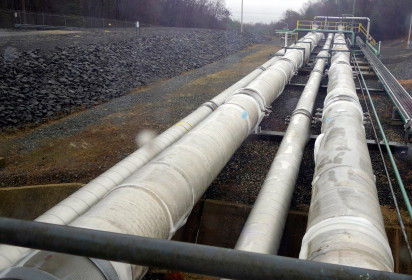
    QUETTA: Gas supplies to Quetta and several areas of Balochistan were suspended on Thursday after an explosion damaged a major gas pipeline in the Bolan region. Officials said the blast occurred near Gokurt. An 18-inch-diameter pipeline was damaged by an explosive device near its valve assembly. The damaged facility is located around 800 metres from the National Highway. The explosion disrupted gas supplies to Quetta, Kolpur, Mach, Mastung, Kalat, Pishin and Ziarat. Flames reportedly emerged from the damaged pipeline shortly after the blast. The area was secured to prevent further danger and allow authorities to inspect the site. The Sui Southern Gas Company (SSGC) said repair teams would be sent to the location after security clearance is granted. Engineers and technical teams will assess the damage first. Restoration work will begin after the site is declared safe. The company has not yet announced when gas supplies will be fully restored. The suspension has caused concern among residents and businesses in the affected areas. Many households depend on the gas network for cooking and other daily needs. Businesses and commercial establishments may also face difficulties if the disruption continues for an extended period. Security authorities have started investigating the explosion. Officials are also examining the circumstances surrounding the damage to the pipeline. The incident highlights continuing security concerns surrounding energy infrastructure in Balochistan. Gas pipelines in the province have previously been targeted in similar attacks. A similar incident was reported in Balochistan earlier this year. In March, an 18-inch gas pipeline near the Western Bypass in Harnai’s Akhtarabad area was damaged in an explosion. Explosives had reportedly been planted beneath the pipeline. The blast destroyed a significant section of the infrastructure and disrupted gas supplies to several areas. The earlier incident affected parts of Quetta and upper Balochistan. Several localities, including Airport Road, Nawan Kali, Jinnah Town, Hazarganji, Kuchlak, Pishin and Ziarat, experienced disruptions. The March explosion also caused a major fire. Large flames were seen rising from the damaged pipeline, creating panic among people living nearby. Authorities are continuing their investigation into Thursday’s blast. Security officials will also determine the extent of the damage and assess the measures required to protect the pipeline network.

  • | | |

    PARCO, Cnergyico lead $1bn refinery exports

    Pakistan’s oil refining sector has achieved a major milestone. The country’s five major refineries exported petroleum products worth around $1.046 billion during the fiscal year 2025-26. This is the first time that the refinery sector has crossed the $1 billion export mark. The development has also strengthened the sector’s role as a source of foreign exchange for Pakistan. The achievement comes as the country continues to face pressure from a large trade deficit. Pakistan’s trade deficit is estimated at around $40 billion, increasing the importance of exports and import savings. The five major refineries made a significant contribution to the overall export earnings. Pakistan Arab Refinery Company (PARCO) recorded exports of around $277 million. Cnergyico Pakistan Limited exported petroleum products worth approximately $258 million. National Refinery Limited (NRL) recorded exports of around $238 million. Pakistan Refinery Limited (PRL) exported products worth approximately $200 million. Meanwhile, Attock Refinery Limited (ARL) exported petroleum products worth nearly $73 million. PARCO and Cnergyico remained the biggest contributors. Their combined exports reached approximately $535 million. This accounts for more than half of the total exports recorded by the five refineries. The development is particularly significant because the refining sector has traditionally been viewed mainly as a means of reducing Pakistan’s dependence on imported petroleum products. The latest figures show that the industry is increasingly contributing to both sides of the equation. It is helping reduce the import burden while also generating foreign exchange through exports. Cnergyico has also entered the global marine fuel market. The move could provide the company with new export opportunities and help expand Pakistan’s presence in the international fuel market. Industry modernization is expected to further improve the sector’s performance. Upgraded refinery facilities can increase production efficiency and enable companies to produce products that meet international market requirements. Further investment in refinery upgrades could therefore lead to higher exports in the coming years. It could also increase savings on petroleum imports. The latest performance highlights the growing importance of Pakistan’s refining industry. With continued modernization, better efficiency and access to international markets, the sector could become an increasingly important source of foreign exchange for the country. The development also comes at a critical time for Pakistan’s economy. Higher exports and lower import dependence are essential for reducing pressure on the country’s external account.

  • | | |

    Narathiwat Province in Thailand’s Deep South Escalates Martial Law Powers After Deadly Attack Kills Five Border Rangers

    NARATHIWAT, Thailand Security forces in Thailand’s southern border province of Narathiwat have intensified the application of martial law powers following a deadly assault on a checkpoint that left five paramilitary rangers dead and several civilians injured. On the evening of July 22nd, 2026, at approximately 6:45 p.m., a group of about six attackers dressed in […]

  • | | |

    Over 33,000 candidates to appear for MDCAT in Sind…

    More than 33,000 candidates will appear for the Medical and Dental College Admission Test (MDCAT) in Sindh as students compete for 5,100 medical and dental seats across the province. The entrance examination for admission to medical colleges will be held on Sunday, August 16, across various centres in Sindh. The MDCAT examination in the province will be conducted under the supervision of Sukkur IBA Testing Service. According to Vice Chancellor Sukkur IBA Professor Dr Asif Sheikh, more than 33,000 candidates are expected to participate in the test, including 20,934 female candidates and over 12,600 male candidates. Vice Chancellor Jinnah Sindh Medical University (JSMU) Dr Siraj Memon stated that a total of 5,100 seats have been allocated for medical education in Sindh. These include 2,300 MBBS seats and 2,800 BDS seats, including seats reserved under different quota categories. This year, the responsibility for managing medical college admissions has been assigned to Jinnah Sindh Medical University. The university will oversee the admission process following the MDCAT results. Karachi will have the highest number of candidates appearing for the examination, with 10,661 students registered. Among them, 8,186 are female candidates and 2,475 are male candidates. Other major examination centres include Hyderabad, where 9,470 candidates will participate, including 5,287 female and 4,183 male students. In addition, 3,066 candidates will appear in Larkana, 2,067 in Mirpurkhas, 2,511 in Shaheed Benazirabad, and 5,462 in Sukkur. An additional examination centre has also been established in Islamabad, where 300 candidates will take part. The MDCAT centre in Karachi will be established at NED University. Special seating arrangements have been made for parents at the adjacent banquet facility. Candidates have been instructed to reach their examination centres by 6:30 a.m., while the test will begin at 10:00 a.m. The MDCAT will consist of multiple-choice questions carrying a total of 180 marks, with a duration of three hours. Candidates seeking admission to medical colleges will require a minimum of 55 percent marks, while dental college applicants must secure at least 50 percent marks. There will be no negative marking in the examination. Sukkur IBA officials stated that the answer key will be uploaded after the test. To ensure transparency, students will be allowed to solve the paper using a carbon copy, which they can keep for verification purposes. The MDCAT results are expected to be announced by August 22.

  • | |

    Sindh orders immediate reduction in public transpo…

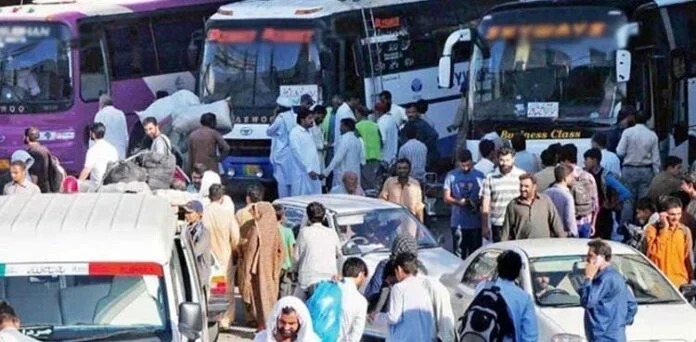
    The Sindh government has ordered an immediate reduction in public transport fares following a significant decrease in the price of high-speed diesel. According to local media reports, the Sindh Transport Department has directed transporters to pass the full benefit of the Rs32.63 per litre reduction in diesel prices on to passengers. The directive covers buses, minibuses, coaches, vans and other public service vehicles operating across the province. Transport authorities have also instructed operators to clearly display updated fare lists at vehicles and bus terminals. The move is aimed at ensuring that passengers receive the benefit of lower fuel prices and that transporters do not continue charging fares based on previous diesel rates. Officials have further been directed to conduct daily road inspections and check public transport vehicles to monitor compliance with the new instructions. Transporters found charging passengers excessive fares could face strict action. According to the Transport Department, penalties for violations may include fines, suspension of route permits and cancellation of vehicle fitness certificates. Authorities have also been instructed to submit daily implementation reports to the Sindh Transport Department. The directive comes after the price of high-speed diesel was reduced by Rs32.63 per litre, bringing its new price to Rs363.06 per litre. The reduction is expected to lower operating costs for public transport operators and has prompted authorities to seek a corresponding reduction in passenger fares. Public transport fares are an important issue for millions of commuters, particularly low-income workers, students and daily wage earners who rely heavily on buses, minibuses and other shared transport services. The Sindh government’s decision is therefore likely to attract considerable attention from passengers who have been waiting for transport fares to reflect changes in fuel prices. The enforcement mechanism will be crucial in determining whether commuters actually receive the benefit of the diesel price reduction. Daily inspections and penalties could help prevent transport operators from charging fares above the officially approved rates. Authorities have emphasized that transporters must comply with the new instructions and ensure that revised fares are clearly communicated to passengers. The latest move represents an effort by the provincial government to link public transport fares in Sindh with changes in fuel prices and provide immediate relief to commuters following the reduction in diesel costs.

  • Private medical college fees spark Parliamentary debate

    Islamabad: A heated parliamentary debate over private medical college fees has exposed a conflict between the Pakistan Medical and Dental Council and members of the National Health Services Standing Committee. Lawmakers questioned why students are being asked to pay millions of rupees for medical education while some colleges seeking fee increases allegedly have incomplete documents and audit reports. The controversy became more serious when Member Aliya Kamran questioned the approval of higher fees for colleges whose facilities and records were allegedly not good enough to justify such increases. She specifically referred to Rawal Institute of Health Sciences and claimed that photographs showed standing water in classrooms and students unable to attend classes because of poor infrastructure. She questioned how such an institution could qualify for a fee increase and said colleges with poor standards should face action rather than receive permission to charge more. The debate also revealed a major disagreement over whether high fees are responsible for vacant seats in private medical and dental colleges. One PMDC official argued that fees alone cannot explain the vacant seats, pointing out that some colleges charging Rs3.5 million have no vacant seats. The official said students also consider the quality of education, facilities and the reputation of institutions before choosing a college. But the Vice Chancellor of Jinnah Sindh Medical University presented a very different picture. He told the committee that around 8,000 students who passed the Medical and Dental College Admission Test did not take admission because they could not afford the fees. He said many of these students could have joined if more public sector seats had been available. The disagreement over fees comes as the committee is examining a fee range of Rs1.8 million to Rs2.5 million for private medical colleges. According to the PMDC briefing, 61 colleges applied for permission to charge more than the Rs1.8 million baseline. After checking their balance sheets, third party audit reports, specifications and inspection reports, only 35 were declared eligible for fee enhancement. However, eligibility did not mean that all 35 colleges were allowed to charge Rs2.5 million. Some were allowed to charge Rs1.9 million, Rs1.95 million or Rs2 million. The issue of quality also came under strong criticism. Aliya Kamran questioned the argument that better quality should automatically allow a college to charge higher fees. She warned that allowing some institutions to charge Rs2.5 million while keeping others at Rs1.8 million could create the impression that students studying at lower fee colleges belong to inferior institutions. Minister for National Health Syed Mustufa Kamal defended the fee difference by saying that institutions have different facilities and levels of exposure. He cited Aga Khan, which was described as charging Rs3.5 million, and Ziauddin, which was described as charging Rs2 million. He said some colleges hire professors from abroad and provide additional practical training; their audited accounts are used to show their higher operating costs. The debate then turned into a bigger question: should medical education be treated as a business or as a social service? Member Gul Asghar Khan openly argued that medical education is a business and that private investors put money into medical colleges because they expect a return. He warned that imposing strict fee controls could force private colleges to close. He claimed that a major audit could show the actual cost of educating one medical student is more than Rs4 million a year in the public sector. Another member rejected this argument, pointing out that government medical institutions may spend much more on a student while charging students only around Rs5,000 to Rs50,000 in fees. The member said private medical college fees ranging from Rs1.8 million to Rs2.5 million are simply beyond the reach of ordinary families. The committee also heard that medical education fees have increased sharply over the years. A university vice chancellor said the cost per student at a public medical college had earlier been estimated at around Rs750,000 to Rs800,000. An audit conducted after Justice Saqib Nisar sought data had put the private college figure at around Rs900,000, but the fee later increased to Rs1.8 million. The vice chancellor said the higher fee is beyond the ability of most students to pay and stressed that fees are a major factor behind the problem. Another member said medical college fees had earlier been around Rs640,000 before increasing to Rs900,000 and then suddenly reaching Rs1.8 million. The member argued that colleges struggling to fill seats should reduce fees to Rs1.5 million or even Rs1 million rather than leave seats empty. The BDS programme also came under discussion. Officials said the programme is being increased from four years to five years to meet international recognition requirements. This means students will have to pay for an additional year. Officials warned that students already struggling to pay around Rs10 million for four years could face another Rs2.5 million burden for the fifth year, potentially leading to even more vacant seats. The committee was also told about serious questions regarding documentation submitted by colleges seeking fee increases. Aliya Kamran pointed out that Peshawar Medical, Sahara, Liaquat National and Rawal were among colleges whose documents were allegedly incomplete in the list provided to the committee. She questioned how colleges could be included in the fee enhancement process when some did not have audit reports. The PMDC official responded that audit reports had not been demanded from colleges in the past. According to the official, PMDC started demanding third party audit reports after the January 2023 Act. The official said colleges that failed to provide the required documents were rejected, while the 35 colleges approved for fee enhancement had submitted third party audits. The chairman of the committee, Dr. Mahesh Kumar Malani, said the committee had already decided that medical colleges should generally charge between Rs1.8 million and Rs2.5 million and had sought lists of colleges charging higher fees. Complaints had been received that some colleges were charging more than what their standards justified. The discussion also highlighted a major difference between high

Leave a Reply

Your email address will not be published. Required fields are marked *