بلاگز

  • Can you solve this tricky fruit math puzzle? 

    At first glance this looks like a simple math question for children. However the way it is designed makes it surprisingly difficult and many people end up with the wrong answer. In the puzzle each type of fruit has a different value. Your challenge is to figure out the value of each fruit and then calculate the final equation. The last line asks you to add one cherry one apple and three bananas. To solve it correctly you need to carefully work out the value of each fruit from the previous equations. For example the first equation shows three apples adding up to 30, so each apple is worth 10. The other equations reveal that each banana is worth 4 and each cherry is worth 1. Using these values: Apple = 10 Banana = 4 Cherry = 1 Final calculation: 10 + (3 × 4) + 1 = 23 Correct Answer: 23 Note If the original puzzle counts each banana as 1 because it changes from a bunch to a single banana or uses a different image in the last row the answer may change. The answer depends on the exact picture shown. The text you provided says 14 but based only on the values stated in the text (apple = 10, banana = 4, cherry = 1) the total is 23.

  • MIT robot can fly and swim

    Researchers at the Massachusetts Institute of Technology (MIT) have created a unique robot that can both fly through the air and swim underwater just like diving birds. The lightweight robot costs around $300 and was designed by MIT’s AeroAquatic Robotics team.  Scientists believe it could one day help monitor oceans study marine life and support environmental protection. The robot was inspired by diving birds which use the same wings to fly in the air and move through water.  While scientists have studied these birds for years building a robot that can perform both tasks efficiently has been a major challenge. To solve this the MIT team carefully studied how diving birds move and used those findings to design the new machine. The robot called the Flapping Aerial Aquatic Vehicle weighs only 250 grams.  It runs on a battery powered motor and has nylon wings and a tail coated with water resistant nanoparticles to protect them from moisture. According to the researchers the robot is programmed to flap its wings at a specific frequency allowing it to move smoothly in both air and water without changing its basic movement. It can fly at speeds of up to 13.4 miles per hour and swim at about 2.2 miles per hour. On a single battery charge it is designed to fly as far as 6 kilometers or swim up to 2 kilometers. The robot was tested for about one year first in a water tank in Massachusetts and later in Lake Geneva Switzerland where researchers evaluated its performance in real world conditions.

  • High sugar diet may harm people with asthma

    Eating too much sugar is widely known to increase the risk of type 2 diabetes and high blood pressure.  Now new research suggests that it may also make asthma symptoms worse. A study published in the journal Nutrients found that a high sugar diet can increase inflammation in the lungs making asthma attacks more likely in people with the condition. The research was carried out on mice. Scientists gave the animals their normal food along with sweetened milk. Within just two weeks the mice showed higher levels of lung inflammation. According to the researchers this is one of the first studies to show how quickly excess sugar can worsen inflammation linked to asthma. Asthma is a long term disease that affects the airways and makes breathing difficult.  Although there is no cure the condition can be managed with proper treatment and healthy lifestyle choices. During an asthma attack the airways become swollen and the muscles around them tighten. This can cause coughing wheezing chest tightness and shortness of breath making everyday activities harder. The researchers said that when children eat too much sugar people usually worry about tooth decay or weight gain but rarely think about its possible effects on asthma. They added that the findings support the idea of limiting sugar intake especially for people living with asthma. According to the researchers too much sugar may affect the immune system and trigger inflammation which can make asthma symptoms more severe.

  • Natural sugar may help cancer spread, study finds

    A new study has revealed that fructose (natural sugar) consumed as part of the daily diet may help certain types of cancer spread throughout the body. According to the study published in the scientific journal Nature Aging, cancer cells that survive chemotherapy do not remain inactive. Instead, they release fructose which activates other cancer cells allowing them to leave their original location and spread to other parts of the body. Experts say that excessive consumption of sugary drinks and beverages containing high levels of fructose may also increase the risk of cancer spreading even in patients who are not undergoing chemotherapy. The study further found that fructose causes changes inside cancer cells that make it easier for them to move from one part of the body to another. The research was conducted on ovarian cancer but experts believe that a similar process could also occur in pancreatic, colorectal and liver cancers.

  • | |

    The rise of Alfred, Lord Tennyson

    On August 6, 1809, one of the defining literary voices of the 19th century was born: Alfred, Lord Tennyson. Tennyson came to embody the doubts, solemnity, and romantic ideals of the Victorian era. He served as Britain’s Poet Laureate for more than four decades during the height of Queen Victoria’s reign. Early Brilliance and Sharp Criticism Tennyson’s journey to becoming a beloved national figure was anything but smooth. Raised in a large, tumultuous household by a clergyman father, young Alfred sought escape through verse. His talents surfaced early; while studying at Cambridge, he won the prestigious Chancellor’s Gold Medal in 1829 for his poem Timbuktu. Shortly thereafter, he published early collections containing works such as Mariana and Claribel. These early publications showcased his extraordinary musicality and eye for detail, yet contemporary critics were not entirely impressed. Severe reviews dismissed his work as overly melancholic, affected, and sentimental. The hostility of these early critiques shook Tennyson deeply, prompting a decade-long period of publishing silence. A phase scholars often refer to as his ten years’ silence. Crafting the Masterpieces Rather than abandoning his craft, Tennyson spent those quiet years refining his technique, studying philosophy, and confronting personal tragedy. The sudden death of his closest friend, Arthur Henry Hallam, plunged Tennyson into profound grief. This loss became the catalyst for his most famous masterpiece, In Memoriam A.H.H. Published in 1850, the massive elegy explored faith, mortality, and scientific progress, striking a deep chord with a Victorian public navigating rapid industrialization and societal change. The immense success of In Memoriam transformed his standing almost overnight. That same year, following the death of William Wordsworth, Queen Victoria appointed Tennyson as Poet Laureate. He went on to compose iconic works that defined the national consciousness, including The Charge of the Light Brigade, Ulysses, and his epic Arthurian cycle, Idylls of the King. A Lasting Literary Legacy While early critics painted him as a sentimentalist, history remembers Tennyson as a master craftsman of English rhythm and sound. Lines like; “To strive, to seek, to find, and not to yield” (Ulysses) have woven themselves permanently into the modern lexicon. His ability to blend intimate personal emotion with grand societal themes elevated him from a criticized young poet to an enduring pillar of world literature. Key Milestones in Tennyson’s Career 1809: Born in Somersby, Lincolnshire on August 6. 1829: Wins the Chancellor’s Gold Medal at Cambridge for Timbuktu. 1830: Publishes Poems, Chiefly Lyrical, introducing works like Mariana and Claribel. 1850: Publishes In Memoriam A.H.H. and is appointed Poet Laureate by Queen Victoria. 1854: Pens The Charge of the Light Brigade, capturing national sentiment during the Crimean War. 1892: Passes away at age 83, buried in Poets’ Corner at Westminster Abbey.

  • Monsoon eye care tips

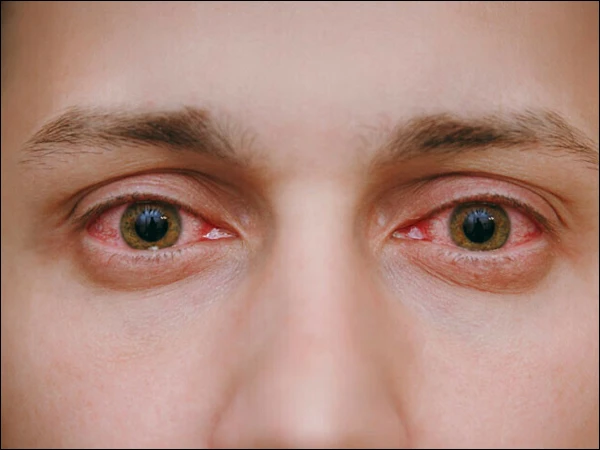
    The monsoon season brings welcome relief from the summer heat but it also creates conditions that allow many illnesses to spread more easily. Eye infections are one of the common health problems during this time. According to experts high humidity pollution and the growth of germs during the rainy season increase the risk of bacterial and viral eye infections. Dust dirty rainwater pollution and allergy causing particles can easily irritate the eyes.  These factors may lead to redness swelling and discomfort making daily activities difficult. Common symptoms of eye infections Some of the most common signs of an eye infection include. •Red eyes •Swelling •Eye pain •Watery eyes •Blurred vision •Itching or irritation If these symptoms become severe or do not improve it is important to see a doctor. How to protect your eyes during the monsoon Experts say that good hygiene is the best way to prevent eye infections.  Wash your hands regularly with soap and avoid touching your eyes with dirty hands. Keeping your face and eyes clean can also lower the risk of infection. If your eyes feel itchy or irritated do not rub them. Rubbing can spread germs and make the infection worse. Instead gently clean your eyes with a clean tissue or soft cloth. Applying a clean warm compress over your closed eyes for a few minutes can help reduce discomfort and swelling. This can be done several times a day if needed. Avoid sharing personal items If you have an eye infection avoid using eye makeup until your eyes have fully healed.  If makeup must be used make sure brushes and other beauty tools are cleaned properly. It is also important to wash bed sheets pillowcases and towels regularly with hot water and detergent. Never share towels handkerchiefs or other personal items that come into contact with your eyes as infections can easily spread from one person to another. When to see a doctor If your symptoms get worse or do not improve after a few days avoid self treatment and consult an eye specialist. A doctor may prescribe antibiotic or antiviral eye drops depending on the cause of the infection to help you recover safely and quickly.

  • YouTube adds custom thumbnails for shorts

    YouTube has launched a long awaited feature that allows creators to upload custom thumbnails for their YouTube Shorts. According to reports the new feature is currently available for creators who are part of the YouTube Partner Program (YPP). They can now choose and upload their own thumbnail images instead of relying on a frame from the video. This update gives creators more control over how their Shorts appear. They can design eye catching thumbnails that match their brand and make their videos more attractive to viewers. YouTube said custom thumbnails have been one of the platform’s most requested features. The company is rolling it out first to Partner Program members and plans to expand access to more creators in the future. Previously Shorts creators could only select a still frame from the video as the thumbnail making it harder to create a consistent look or build a strong brand identity. The new feature aims to solve that problem and improve the overall presentation of Shorts.

  • | |

    Jane Austen letter expressing affection for Mansfield Park

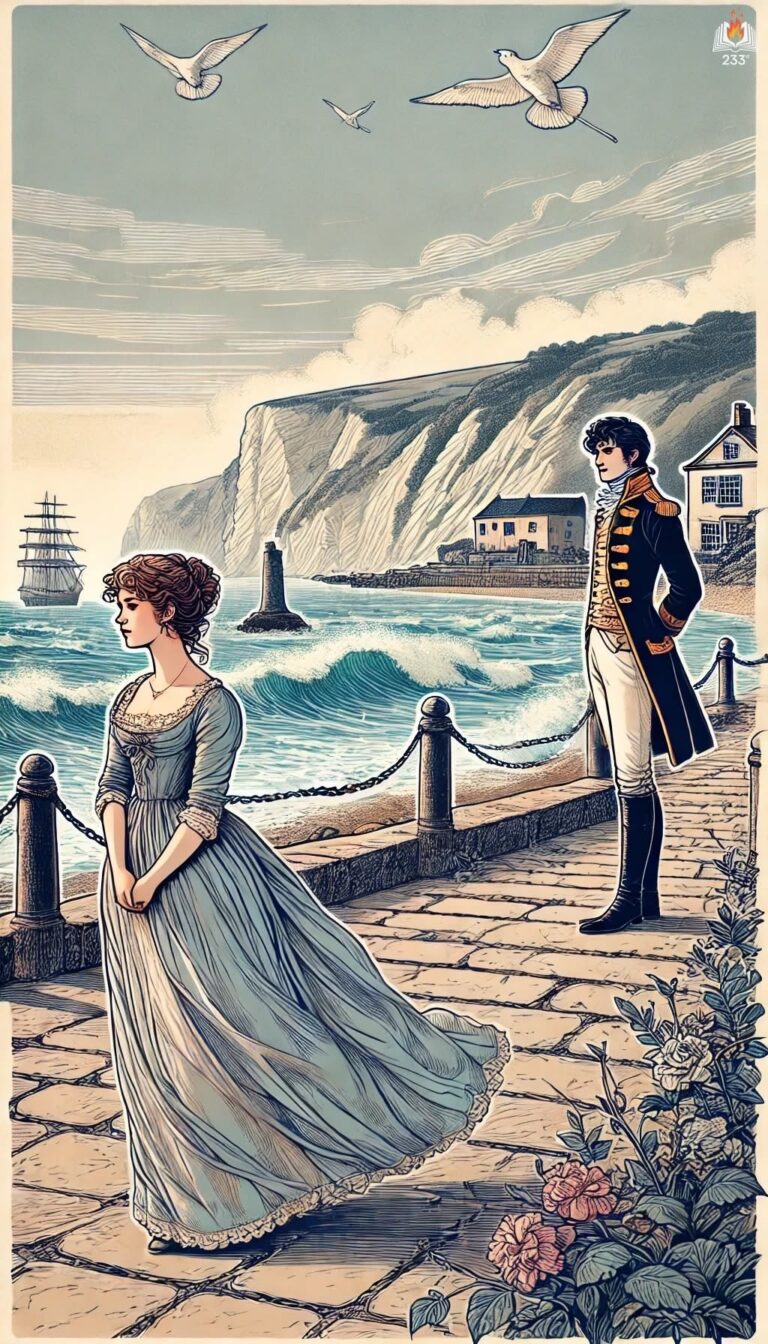
    A exceptionally rare, handwritten letter by legendary 19th-century British author Jane Austen has sold at auction for over $200,000. It has captivated literary historians and devoted readers across the globe. Written in early 1814, the intimate correspondence offers a fascinating glimpse into Austen’s personal thoughts during the final stages of writing her third major novel, Mansfield Park. The manuscript was acquired by a private collector after a competitive bidding battle. It highlights the enduring allure and profound market value of artifacts connected to Regency-era literature. Austen’s Private Collections In the letter, addressed to her beloved niece Martha Lloyd, Austen speaks with characteristic wit and self-effacing humor about her creative process. She candidly reveals The manuscript was acquired by a private collector after a competitive bidding battle. Austen harbored a quiet, tender affection for her newest heroine, Fanny Price. Scholars note that such direct expressions of emotion regarding her own craft are exceedingly rare in Austen’s surviving correspondence, as her sister Cassandra burned a vast majority of Jane’s personal papers following the author’s death in 1817 to protect her privacy. The document’s remarkable physical condition significantly contributed to its staggering sale price. Preserved in a family archive for generations before briefly passing through private collections, the single-sheet letter features Austen’s distinctively tidy, flowing script written in iron gall ink, complete with original wax seal remnants and postal markings from Chawton, Hampshire. Experts from the auction house confirmed the paper’s authenticity through detailed watermarking analysis, verifying that the sheet originated from a paper mill active in England during the Regency period. The Mid-80s Literary Period Beyond its physical preservation, the letter holds immense literary significance because it captures Austen at a pivotal moment in her career. Having spent years refining her craft in relative obscurity, the mid-1810s marked a period of intense productivity and emerging financial independence. Mansfield Park represented a deliberate artistic departure from the sparkling, lighthearted banter of Pride and Prejudice, diving into deeper moral complexity, social critique, and quiet emotional endurance. Austen’s reflection in this letter reveals her awareness of this shift and her defense of a softer, more gentle protagonist. Appreciation for Literary Heritage   The sale underscores a broader resurgence of interest in 19th-century women writers among modern collectors and readers. As public appreciation grows for literary heritage, original items connected to figures like Austen, the Brontë sisters, and Mary Shelley have seen exponential value growth at major international auction houses. For admirers of classic literature, this newly highlighted letter serves as a poignant reminder of Austen’s profound human warmth, proving that centuries later, her words continue to move hearts just as powerfully as her immortal fiction.

  • Why popcorn explodes when heated

    Popcorn is a favorite snack for people of all ages, especially during movie nights. But have you ever wondered why only certain corn kernels pop while regular corn does not? Food experts say the answer lies in the kernel’s unique structure moisture and the way it reacts to heat. Not all corn can turn into popcorn. A special type of corn called Zea mays everta is used because its kernels have a hard outer shell and a soft starchy center with a small amount of water inside. Although popcorn kernels look dry they contain about 13–15% moisture. When heated, the water inside turns into steam. Since the outer shell is very strong the steam cannot escape causing pressure to build inside the kernel. As the pressure keeps increasing the kernel acts like a tiny pressure cooker. Eventually the shell bursts with a popping sound.  The hot steam quickly escapes and the soft starch inside expands. Within seconds it cools and forms the fluffy crispy popcorn we enjoy.  A popped kernel can become 30 to 40 times larger than its original size. Sometimes a few kernels do not pop. Experts say this usually happens because they do not contain enough moisture to create the pressure needed to burst. Tiny cracks in the outer shell can also let steam escape too early preventing the kernel from popping.  Heating the kernels at a temperature that is too low may also cause them to dry out before enough pressure builds up. Popcorn can be made in several ways including on the stove in an air popper or in a microwave. Microwave popcorn bags and the oil inside them help spread heat evenly while oil on the stove helps heat the kernels more consistently. Air poppers on the other hand use only hot air and do not require oil. According to food scientists the secret behind perfect popcorn is the combination of a strong outer shell the right amount of moisture steam pressure and the natural expansion of starch when heated.

  • Why Popcorn became the ultimate movie snack

    Watching TV or a movie often feels incomplete without something to eat. For many people popcorn is the first snack that comes to mind. But have you ever wondered how popcorn became the most popular food at movie theaters? The tradition began in the 19th century when popcorn became a popular snack at fairs festivals and circuses. In those days it was usually sold from small street carts. A major turning point came in 1885 when the first popcorn machine was invented. This made it easier to prepare fresh popcorn quickly and sell it to large crowds. By 1907, the United States had nearly 5,000 movie theaters with tickets costing just 5 cents. Popcorn sellers started placing their carts outside theaters where moviegoers could easily buy popcorn before going inside. As movie theaters became more modern and luxurious many owners banned outside food. However the rule did not last long. By the 1930s theaters began selling popcorn inside and outside their buildings realizing it was a profitable business. Today popcorn is one of the biggest sources of income for many cinemas with some estimates suggesting it accounts for up to 85% of concession stand sales. Another reason popcorn became the perfect movie snack is that it is light easy to eat and does not make much noise allowing people to enjoy their film without disturbing others.