فیچرڈ

  • | | |

    9 cancer medicines declared fake and illegal after…

    A major health alert has emerged in Karachi after the Sindh Drug Testing Laboratory declared nine medicines used for cancer treatment as substandard, fake, and unregistered. Authorities have started action against the responsible parties following the laboratory findings. Director Sindh Drug Testing Laboratory Syed Adnan Rizvi said that the investigation was launched after receiving laboratory reports, and relevant institutions have begun taking action based on the results. According to Rizvi, some of the cancer medicines tested did not contain the required active ingredients needed for treatment, while others did not have a valid registration number from the Drug Regulatory Authority of Pakistan (DRAP). He warned that the availability of counterfeit and low-quality cancer medicines poses a serious threat to patients because ineffective treatment can allow the disease to progress and reduce the chances of recovery. The official also raised concerns about prescription practices, stating that some oncologists mention the names of specific pharmacies on prescriptions, which may force patients to purchase medicines only from those outlets. He emphasized the need for transparency and strict monitoring throughout the medicine supply chain. Cancer medicines are highly sensitive and require accurate composition and quality standards because patients depend on them for life-saving treatment. Experts have repeatedly stressed that fake or substandard drugs can cause severe health consequences, especially for people undergoing critical therapies. The Sindh Drug Testing Laboratory findings have increased concerns about medicine regulation and quality control in the healthcare sector. Authorities are expected to investigate the source of the suspected medicines, identify those involved in their distribution, and take legal action where necessary. The incident highlights the importance of purchasing medicines only from authorized pharmacies and ensuring that drugs carry proper registration details and quality certifications. Health officials have urged patients and healthcare providers to remain cautious and report any suspicious medicines to relevant authorities. Drug safety remains a major challenge in many healthcare systems, and officials say stronger monitoring, improved enforcement, and public awareness are essential to prevent the circulation of counterfeit medicines. Further details about the investigation and action against those responsible are expected as authorities continue their review of the case.

  • | | |

    Punjab introduces new vehicle scrapping law for un…

    The Punjab government has introduced a new law for vehicle scrapping, allowing unusable and damaged vehicles to be legally disposed of through registered scrapping facilities. The move aims to regulate the disposal of old vehicles and remove unfit vehicles from roads across the province. According to reports, Punjab Governor Saleem Haider issued the Motor Vehicles Amendment Ordinance, which provides a legal framework for scrapping vehicles that are no longer fit for use. Under the new ordinance, vehicles without valid fitness certificates may also be sent for scrapping. The law includes vehicles that have been severely damaged in accidents or destroyed by fire and are considered beyond repair. The new regulations allow vehicle owners to voluntarily apply for scrapping if they no longer want to keep their vehicles. However, the process must only be completed through officially registered vehicle scrapping facilities to ensure proper disposal and prevent misuse. Officials believe the new system will help improve road safety by reducing the number of unsafe vehicles operating on roads. Old and poorly maintained vehicles can contribute to accidents, environmental pollution, and increased risks for drivers and passengers. The ordinance also introduces a more organized approach to vehicle disposal, ensuring that scrapped vehicles are handled through approved channels rather than informal methods. Registered scrapping facilities will be responsible for carrying out the process according to legal requirements. Transport experts have welcomed measures aimed at removing dangerous vehicles from circulation, saying that proper vehicle inspection and disposal systems are essential for safer roads and better environmental management. The implementation of the new law is expected to impact owners of old, damaged, and unfit vehicles across Punjab. Vehicle owners will now have a legal option to dispose of vehicles that are no longer economically repairable or safe to operate. The government is expected to issue further guidelines regarding the registration of scrapping facilities and the detailed procedure for vehicle owners in the coming days. The new vehicle scrapping ordinance represents a significant change in Punjab’s transport regulations, with authorities focusing on road safety, environmental protection, and better management of end-of-life vehicles.

  • | | |

    Lahore food point staff attacked over juice paymen…

    A minor dispute over a juice payment turned violent in Lahore’s outskirts when three individuals allegedly opened fire at a food point staff following an argument. The incident occurred in Managa Mandi, where police have launched an investigation after CCTV footage of the incident surfaced. According to police officials, the suspects, identified as Boda Jatt and two of his associates, visited the food point and consumed juice. After the bill was presented, the individuals allegedly paid less than the required amount, leading to an argument with the staff. Police said that when the food point employees asked the suspects to pay the remaining amount, the situation escalated. The accused allegedly pulled out weapons and opened fire at the food point owner and staff before fleeing the scene. The CCTV footage reportedly shows the moments surrounding the incident and is being reviewed by investigators as part of the case. Police have collected bullet casings from the crime scene and registered a case against the suspects. Authorities have started efforts to trace and arrest the individuals involved in the attack. Police teams are using available evidence, including CCTV recordings and forensic material, to identify the suspects and proceed with legal action. Residents expressed concern over the incident, saying that disputes over minor issues should not lead to violence. The incident has once again raised questions about public safety and the need for effective action against individuals involved in armed attacks. Police officials have assured that strict action will be taken against those responsible once they are arrested. Further investigation is underway to determine the complete circumstances behind the shooting and whether any additional individuals were involved. The case highlights the importance of resolving everyday disputes through legal and peaceful means rather than resorting to violence. Law enforcement authorities continue their search for the suspects as the investigation progresses.

  • | | |

    Karachi water crisis: Munem Zafar Khan says citize…

    Jamaat-e-Islami Karachi chief Munem Zafar Khan has expressed concern over the worsening civic problems in Karachi, saying that residents of the city are struggling even for basic necessities such as clean water. Addressing a press conference in Karachi, Munem Zafar Khan criticized the provincial government over issues related to water supply, electricity, infrastructure, and public services. He said that the city continues to face serious challenges despite repeated promises of improvement. The Jamaat-e-Islami leader claimed that shortly after the first drops of rain fell in Karachi, around 200 power feeders were affected, causing electricity disruptions in several areas. He questioned the performance of K-Electric, stating that despite receiving significant government support, improvements in power generation and transmission systems had not met public expectations. Munem Zafar Khan also criticized the Sindh government over urban infrastructure issues, claiming that Karachi lacks adequate facilities and that residents are facing difficulties due to shortages of essential services. He raised concerns about drainage problems and safety issues, stating that several people had lost their lives after falling into open gutters. He questioned why proper maintenance and safety measures had not been implemented despite repeated incidents. The JI Karachi chief also criticized the pace of development projects, claiming that funds allocated for drainage cleaning and infrastructure improvements were often utilized shortly before the monsoon season instead of through year-round planning. Discussing the city’s water shortage, he said that a significant portion of Karachi’s coastal population continues to face difficulties accessing water. He also raised concerns about delays in the K-IV water project, saying that the project remains crucial for meeting the city’s growing water needs. Munem Zafar Khan further criticized delays in road and transport projects, including water pipeline work and other development schemes, alleging that political interests and poor management have affected progress. He also mentioned health-related concerns, referring to reports of HIV cases among children and calling for accountability and improvements in healthcare systems. The Sindh government and other relevant authorities have faced repeated criticism from opposition parties over Karachi’s civic challenges, including water shortages, electricity problems, waste management, and infrastructure development. Karachi, Pakistan’s largest city and economic hub, continues to face pressure from rapid population growth and increasing demand for public services. Experts have emphasized the need for long-term planning, better governance, and effective implementation of development projects to address the city’s growing challenges.

  • | |

    Security forces foil suicide attack in South Wazir…

    Pakistan security forces have foiled a suicide attack on a checkpost in South Waziristan district of Khyber Pakhtunkhwa, killing four terrorists, including the suicide bomber, the Inter-Services Public Relations (ISPR) said. According to a statement issued by the military’s media wing, terrorists attempted to attack a security forces checkpost by driving an explosives-filled vehicle toward the installation. However, the attack was stopped due to the quick and effective response of security personnel. The ISPR said that the explosives-laden vehicle was engaged and destroyed before it could reach the checkpost, killing the suicide bomber inside. The failed attack caused no damage to the security installation and no casualties were reported among security forces. Following the initial attack attempt, troops engaged other militants who tried to enter the area. According to the statement, three terrorists were forced into a nearby compound and were later killed during a targeted clearance operation carried out by security forces. The military said a sanitisation operation was also launched in the surrounding area to search for any remaining militants and ensure the security of the region. The ISPR reiterated that counter-terrorism operations under the “Azm-i-Istehkam” initiative will continue with full commitment to eliminate terrorism and prevent attacks against the country. The operation is part of ongoing efforts by security forces and law enforcement agencies to tackle militant threats. The incident comes a day after a terrorist attack on a joint police checkpost in Tank district of Khyber Pakhtunkhwa resulted in the deaths of 15 people, including security personnel. Officials said the attack highlighted the continuing security challenges faced by the province. Khyber Pakhtunkhwa has witnessed an increase in militant activities over the past year, with security forces conducting frequent operations against armed groups operating in the region. Security officials have stated that intelligence-based operations and targeted actions will continue to counter militant networks and protect civilians and security personnel. The latest operation in South Waziristan reflects the ongoing security efforts aimed at preventing attacks and maintaining stability in areas affected by terrorism.

  • | |

    From classroom to gallery: KDSP’s graduation 

    Exhibition Redefines Ability Finding confidence in every stitch: Inside KDSP’s graduation where ‘thesis’ means a product, a skill, and a paycheck KARACHI: The room was loud with pride. Eight students stood by tables displaying tote bags, paintings, screen-printed handbags, painted canvases, cushion covers, and pouches stitched with their own names on them. This is KDSP’s idea of a “thesis.” Not a paper. A proof. Proof that years of training can turn into a skill, and a skill can turn into independence. It is easy to group all children under one word — “special.” But at the Karachi Down Syndrome Program, they don’t. Because a child with Down Syndrome learns differently than a child with CP. An autistic student needs a different kind of classroom than any other child. Launched in March 2014, the Karachi Down Syndrome Program (KDSP) is a prominent non-profit organization advocating for the value, acceptance, and inclusion of individuals with Down syndrome. Based in Karachi, KDSP operates as a “one-stop solution” providing comprehensive, highly subsidized developmental services to individuals and their families. But “special” is not a plan. And it is not the same for everyone: We called them “special.” And then we used that word as a reason to keep them on the margins. Out of regular schools. Out of job lists. Out of the story we tell about who gets to be useful. A child with CP faces physical challenges and needs mobility support. An autistic child navigates the world differently and needs structure and sensory understanding. A child with Down Syndrome often learns at a different pace and needs repetition, speech therapy, and patience — but also gives back warmth, honesty, and a remarkable ability to master routine work. Their needs are not the same. So their training cannot be the same either. The moment we start calling everyone by one word, we stop seeing the person. A room where ability is displayed, not debated: Last week I had the opportunity to visit the graduation exhibition of 8 students who completed KDSP’s 3-year Education For Life, EFL Graduation Program.   In a city with hundreds of NGOs, very few truly invest in the development of individuals. KDSP is among those few. Here, funding does not end at a ceremony. It becomes years of therapy. It becomes a classroom. It becomes a young adult learning to count change, write an invoice, and stand behind a table that says “Made by me.” CEO: “We don’t do one-size-fits-all” While explaining the mission and vision of KDSP, CEO Ms. Tabish Shahzad said their entire focus is on developing an inclusive society. “From early childhood development to adolescence and beyond, our goal is to take each child to a place where they are fully independent and can be a useful citizen,” she explained. “Every child with Down Syndrome has challenges — speech or communication, lack of focus, behavioral and mental health issues. For each challenge we have diversified programs and counselling sessions. We don’t do one-size-fits-all,” Tabish added, head held high. Different Needs, Different Names, Same Dignity We cannot call everyone “special” and think the job is done. Ms. Sidra Sajid, Skill Development Facilitator for Education For Life, EFL, explained how that works on the ground. “We have a proper organizational structure to support the ultimate EFL program,” she said. “For every vocation and skill, we have trained vocational teachers. It’s not volunteers coming once a month. It’s daily, structured training.” Supporting them are Managers and Assistant Managers who oversee every faculty: Ms. Umaima Shafqat, Ms. Ayesha Shahid, Ms. Sania Siddiqui, Ms. Mahzeb Fahim, and Ms. Asma Urooj. They put in all their efforts in various skill development programs and maintain keen observation of students’ challenges, how to resolve them, and facilitate them through various programs. Ms. Sidra explained that the KDSP EFL Graduation Program reflects a philosophy with two clear dimensions. First, Life: Basic academics. How to travel. How to manage money. How to carry out everyday chores without depending on anyone. The dignity of doing it yourself. It is obligatory to learn numeracy, computer literacy, cooking, and life skills. Second, Livelihood: Vocational training and skills that actually sell. Baking. Stitching. Screen printing. Block printing. Weaving. Photography. Making clay items. Things that turn into a product, a service, and an income. The room proved both. White tablecloths. Hand-written price tags. Students standing behind their own work, explaining it in their own words. Talking about the graduates, Ms. Sania Siddiqui added with quiet pride: “Most of them are already earning for their families through their craft. Like Unzila, one of our graduates, who has excelled in splatter painting and has completed her internship at Engro Martin Dow and KDSP itself. And Hasan Mansoor, who is a master of quilling craft. His products are already being offered for sale through KDSP’s own sales outlet, Lehr.” Lehr, headed by Ms. Mehak, is KDSP’s retail space where students’ products — from baked goods to crafts like Hasan’s quilling — are sold to the public. It is the final step of the program: moving from classroom to customer. A proud moment for mentors: Ms. Sadia Navaid, Quilling Class mentor, who has been associated with KDSP for several years, stood by Hasan’s table watching visitors admire his work. “I have seen these children struggle with paper strips in their early classes,” she said. “Tiny fingers, no focus, paper tearing. And today, to see them become masters and make such awesome products… it’s been a journey.” She paused, eyes on Hasan as he explained his design to a customer. “This journey has shown me several sides of life, and the blessings of Allah. These children are my pride and my medals of achievement. It was wonderful to see them grow, along with parents who put in their hundred percent to help them reach the summit.” Chef Zainab served freshly baked items. Ms. Samina, their painting guru, watched her students with the same pride. It was indeed a proud moment for all of them. From


  • | |

    Balochistan leaders unite to strengthen peace and …

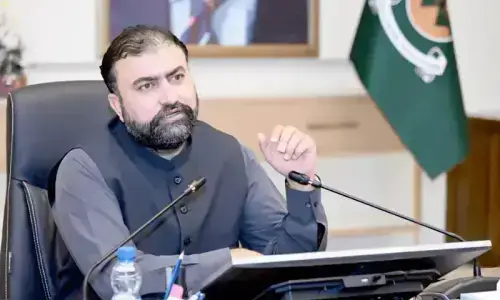
    QUETTA: Balochistan Chief Minister Sarfraz Bugti and Jamiat Ulema-e-Islam-Fazl (JUI-F) provincial chief Senator Maulana Abdul Wasey have reaffirmed their commitment to restoring lasting peace in the province, stressing the importance of unity and collective action to tackle security challenges. During a meeting in Quetta, the two leaders reviewed the overall law and order situation and discussed measures to strengthen peace and stability across Balochistan. Chief Minister Bugti described the establishment of durable peace as the provincial government’s top priority, saying cooperation among political, religious and social leaders was essential to achieving this goal. He emphasised that national unity was crucial in confronting terrorism and anti-state elements, adding that the government was fully committed to protecting the lives and property of citizens while promoting development, prosperity and the rule of law throughout the province. Senator Abdul Wasey highlighted the need for consultation, political consensus and national cohesion, saying Balochistan’s challenges could only be overcome through joint efforts involving all stakeholders. In a separate engagement, Chief Minister Bugti visited the residence of martyred District and Sessions Judge Abdul Hakeem Kakar to offer his condolences to the bereaved family and paid tribute to the judge’s services and sacrifice.

  • | |

    G-B flash floods leave widespread destruction

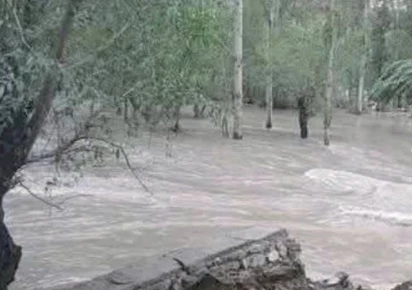
    GILGIT: Torrential rains have triggered devastating flash floods, mudslides and landslides across Gilgit-Baltistan, leaving a trail of destruction that has damaged hundreds of homes, swept away bridges and disrupted road links in several districts. According to the latest assessment by the Gilgit-Baltistan Disaster Management Authority (GBDMA), 60 weather-related incidents have been recorded across the region, causing extensive damage to homes, transport infrastructure and livestock. Officials reported that 184 houses were affected, including 49 completely destroyed and 135 partially damaged. The disasters also washed away nine bridges, damaged nearly eight kilometres of roads and claimed the lives of 68 animals. Astore emerged as the worst-hit district in terms of housing damage, where more than 80 homes were partially damaged after flash floods and landslides struck the Lous and Doyan Khichik areas. Diamer also suffered significant losses, with 42 houses damaged, including 16 that were completely destroyed in Thore, Buner Dass, Khanbary, Shahi Mahal and Darel. In Skardu, rising water levels and flash floods destroyed 15 houses and swept away four bridges, the highest number of bridge losses reported in any district. Ghizer witnessed damage to two dozen homes and one bridge due to flash floods, cloudbursts and river erosion, while Ghanche reported damage to 12 houses and the loss of three bridges. Gilgit district also experienced flooding in several valleys, where eight houses were damaged and around 50 livestock perished, accounting for the highest livestock losses in the region. Although Hunza and Nagar escaped major residential damage, road infrastructure in both districts was affected by flooding and erosion. Relief efforts are continuing in the affected areas. Emergency supplies, including tents, food packs, kitchen sets, plastic mats and bedding, have been distributed among displaced families in Diamer and Skardu. Authorities have also dispatched additional relief consignments to flood-hit valleys to support affected communities. Meanwhile, road clearance operations are underway to restore connectivity. Heavy machinery has been deployed to remove landslide debris along the Jaglot-Skardu Road, where restoration work is progressing at multiple locations. Officials said road networks in Ghizer, Hunza, Shiger and Kharmang have been reopened, while emergency teams and equipment remain on high alert as authorities continue monitoring the evolving situation.

  • | |

    Malik Imran Khalil, Asif Butt elected unopposed as…

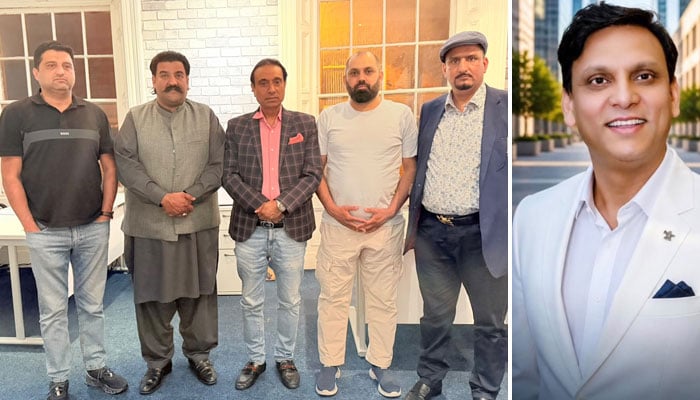
    LONDON: Pakistan Tehreek-e-Insaf (PTI) has completed its 2026 intra-party elections in the United Kingdom, with Malik Imran Khalil elected unopposed as President of PTI UK. According to the official results issued by the PTI Overseas Election Commission, Rizwan Naseer was elected Senior Vice President, Faheem Malik became Information Secretary, Inamul Haque was chosen as Additional General Secretary, and Shagufta Akhtar was elected Women Secretary. Expressing gratitude after his election, Malik Imran Khalil thanked party members for unanimously backing his panel. He said the overwhelming support reflected the confidence of party workers and pledged to work for strengthening the organisation across the UK. In the North West chapter, Asif Butt was also elected unopposed as President, while his Junoon panel secured all key positions without contest. Chaudhry Bilal Gujjar was elected General Secretary, Rizwan Naseer became Senior Vice President, Suleman Ali Shah was chosen as Information Secretary, and Sanobar Zafar was elected Women Secretary. Asif Butt secured the PTI North West presidency for a third consecutive term. Thanking party supporters for their continued trust, he reaffirmed his commitment to strengthening the party and said the organisation would continue its political campaign for the release of PTI founder and former prime minister Imran Khan.

  • | |

    Iran war spreads beyond Gulf, raising regional ten…

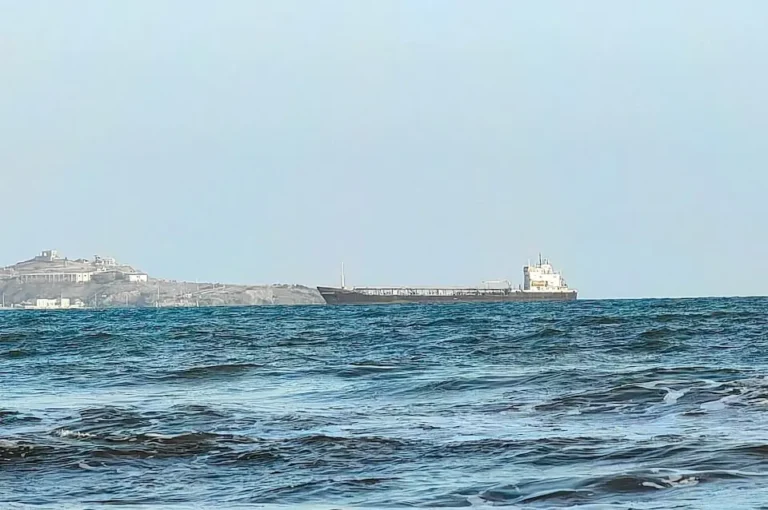
    WASHINGTON: The conflict involving Iran widened significantly over the weekend, spilling into the Red Sea and the Caspian Sea despite a temporary halt in direct US military strikes, raising fresh concerns over regional stability and global energy security. The United States military confirmed that its naval blockade against Iran remains in place but offered no explanation for suspending a series of nightly airstrikes that had continued for nearly two weeks. A senior official in President Donald Trump’s administration said Washington still preferred a diplomatic solution, while warning that Iran would face serious consequences if negotiations failed. According to US media reports, President Trump has decided to pause plans for intensified military action after advisers expressed concerns about the risks of expanding the conflict, including pressure on US weapons stockpiles, potential strain on relations with Gulf allies and disruptions to global energy markets. While the Gulf region remained relatively calm, tensions escalated elsewhere. Yemen’s Iran-backed Houthi movement claimed responsibility for missile and drone attacks targeting Saudi Aramco oil facilities in Jizan and Yanbu along the Red Sea coast. Videos circulating online showed smoke rising near the Jizan refinery, one of Saudi Arabia’s major oil-processing sites, while Saudi air defences reportedly intercepted additional missiles aimed at Yanbu. The attacks have heightened fears that the conflict could spread further across key international shipping routes, particularly after earlier disruptions in the Strait of Hormuz. Despite the escalation, Houthi officials said they were not seeking to block the Bab al-Mandeb Strait, another vital maritime corridor for global trade. Meanwhile, Iran accused Ukraine of attacking one of its commercial vessels in the Caspian Sea, claiming the strike killed one sailor and injured another. Tehran summoned Ukraine’s senior diplomat to lodge a formal protest, describing the alleged attack as a hostile act. The accusation came shortly after Ukrainian President Volodymyr Zelensky said Russia had been providing Iran with satellite intelligence to assist its military operations in the region. In Yemen, fighting also intensified as forces aligned with the internationally recognised government launched airstrikes on Houthi positions in Marib and Al-Jawf provinces. Military officials reported troop movements on both sides, raising concerns that the country’s fragile ceasefire has effectively collapsed after years of relative calm. Analysts warn that the expanding conflict now threatens to destabilise multiple regions simultaneously, with growing risks to international shipping, oil supplies and broader Middle East security.