تازہ ترین

  • | | | | |

    Iran condemns Ukraine’s Caspian Sea strike as te…

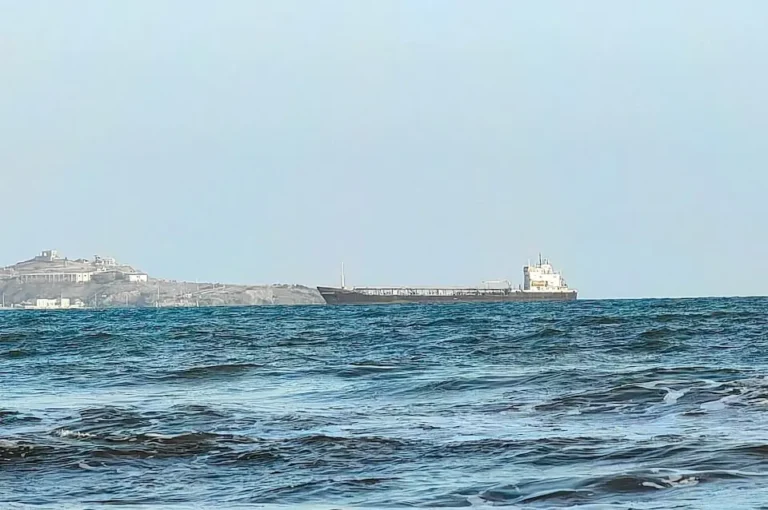
    TEHRAN: Iran has strongly condemned a Ukrainian attack on an Iranian commercial vessel in the Caspian Sea, saying the incident killed one sailor and injured another, and warning that the strike could further widen the Russia-Ukraine conflict. Iran’s Foreign Ministry said the vessel was hit early Saturday, causing an explosion that resulted in the casualties. Tehran described the incident as an “act of aggression” and said the attack violated the principles of the UN Charter. Iran also summoned Ukraine’s chargé d’affaires to formally register its protest over the incident, according to reports. The diplomatic move underscored Tehran’s growing concern over what it described as the expansion of the Ukraine war into areas far beyond the main battlefield. The Iranian ministry said Tehran had never intervened in the Russia-Ukraine conflict and warned that the attack could contribute to the spread of insecurity and violence. It also said Iran would not hesitate to defend its national interests and security, holding Ukraine responsible for what it called the consequences of its actions. The Ukrainian account, however, presents a different picture. Ukrainian President Volodymyr Zelensky said Ukrainian forces had targeted a Russian warship and vessels allegedly being used to transport military cargo linked to Iran in the Caspian Sea. Kyiv has accused Moscow of supporting Iran and has increasingly focused on supply routes connected to Iranian military assistance. The Caspian Sea has become an increasingly sensitive strategic area amid the wider regional and international tensions. Any expansion of military operations there could carry diplomatic consequences for Iran, Ukraine and Russia. For Tehran, the reported death of an Iranian sailor has added a new layer of tension to an already volatile international situation. For Kyiv, strikes against vessels suspected of carrying military-related cargo are part of efforts to disrupt support networks linked to Russia and Iran. The incident now raises questions over whether the confrontation will remain limited to diplomatic protests or lead to further escalation between Tehran and Kyiv.

  • | | | |

    Six Palestinians killed, 37 injured in fresh Gaza …

    GAZA: At least six Palestinians have been killed and 37 others injured in fresh Israeli attacks on the Gaza Strip, according to the Palestinian Ministry of Health, adding to the mounting toll since the ceasefire in October 2025. The latest casualties were reported as attacks continued to affect different parts of the besieged territory. The deaths and injuries have once again raised concerns over the fragile situation in Gaza, where civilians continue to face the consequences of the prolonged conflict. According to the Palestinian Ministry of Health, more than 1,100 Palestinians have been killed and nearly 4,000 wounded since the ceasefire began in October 2025. The ministry said that more than 800 bodies have also been recovered from various locations since the ceasefire. The figures highlight the scale of the devastation and the continuing challenges faced by emergency teams searching affected areas. The latest violence comes despite the ceasefire that was expected to reduce bloodshed and provide relief to Gaza’s population. The renewed casualties have added further uncertainty to an already fragile situation. Meanwhile, tensions have also continued in the occupied West Bank. Palestinian authorities said 66 Palestinians were arrested in different parts of the territory. The developments come as the humanitarian situation remains a major concern, with communities in Gaza continuing to deal with the aftermath of months of fighting, widespread destruction and loss of life. For families in the territory, every new round of violence brings fresh fear and uncertainty. The latest deaths have once again put the spotlight on the fragile ceasefire and the urgent need to prevent further escalation. As the death toll continues to rise, attention remains focused on whether diplomatic efforts can restore lasting calm and protect civilians caught in the conflict.

  • | | |

    Economists urge SBP to hold rate at 11.5%

    Economists have recommended that the State Bank of Pakistan (SBP) keep its policy rate unchanged at 11.5% at its upcoming monetary policy meeting on July 27. The recommendation comes as inflation has started to ease, but underlying price pressures remain high. Analysts believe the economy is also recovering unevenly, leaving limited room for another increase in borrowing costs. A recent economic assessment showed that headline inflation fell to 11.1% in June. However, core inflation remained elevated. Urban core inflation stood at 8.7%, while rural core inflation was recorded at 7.9%. Economists said much of the current inflationary pressure is coming from food, energy, transport and government-controlled prices. These factors cannot be addressed effectively through interest-rate changes alone. They also warned that a recent increase in the Sensitive Price Indicator (SPI) requires close monitoring. The development could indicate that the decline in inflation has not yet become firmly established. Financial market indicators also support maintaining the current policy rate. Short-term Treasury bill yields remain close to the SBP’s existing rate, while the overnight interest rate is also broadly aligned with the current monetary policy stance. However, yields on longer-term Treasury bills have increased. The six-month yield reached 11.80%, while the 12-month yield rose to 11.99%. Economists said the movement reflects some caution about the medium-term economic outlook. The assessment noted that Pakistan’s economic recovery has gained momentum but remains uneven. Large-scale manufacturing continues to face challenges, while there are no strong signs of excessive demand that would require another rate hike. Economists warned that raising the policy rate further could increase borrowing costs for businesses and consumers. It could also discourage investment and slow economic activity without directly tackling the supply-side factors behind current inflation. Pakistan’s external position has improved in recent months. Higher foreign exchange reserves, strong remittance inflows and relative stability in the exchange rate have reduced immediate pressure on the economy. Despite these improvements, risks remain. The country continues to face a sizeable merchandise trade deficit and upcoming external debt repayments. Heavy dependence on imported energy also leaves Pakistan vulnerable to international oil price fluctuations. A sharp rise in global oil prices could increase transportation and energy costs in Pakistan. It could also widen external pressures and trigger another round of inflation. Persistent core inflation is another major concern. If underlying price pressures remain high, inflation expectations could become difficult to control. This could delay any reduction in interest rates or force the central bank to consider tighter monetary policy. A weakening exchange rate could create additional pressure by making imports more expensive. It could also affect foreign exchange reserves and increase imported inflation. Economists have therefore advised the SBP to closely monitor private-sector borrowing, lending rates, monetary growth and the difference between short- and long-term interest rates. For now, the indicators favour maintaining the policy rate at 11.5%. However, economists say the central bank should remain ready to adjust its stance if inflation, oil prices, exchange-rate pressures or external financing risks deteriorate.

  • | | | |

    US forces disable two ships amid rising tensions i…

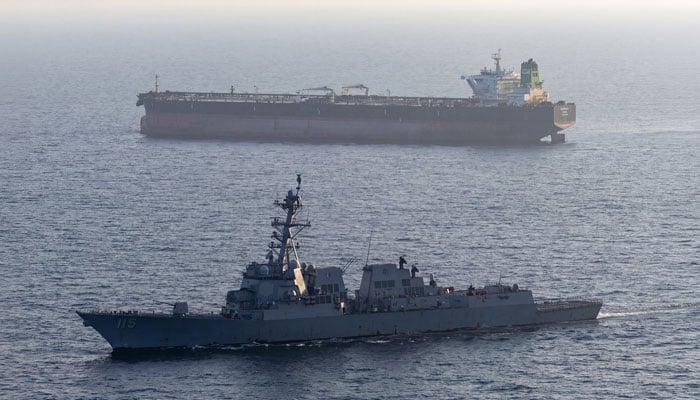
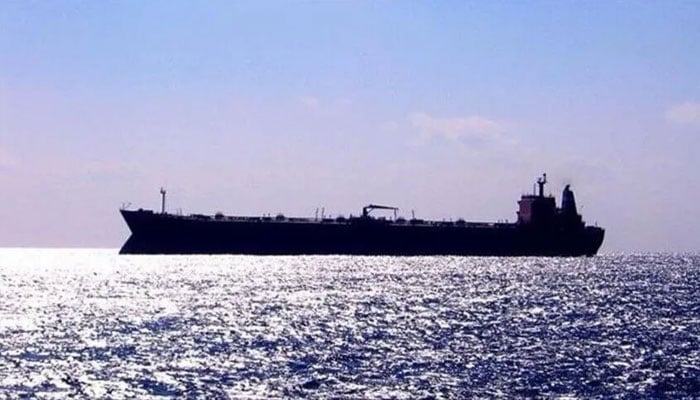
    WASHINGTON: Tensions around the Strait of Hormuz have intensified after the United States said its forces had disabled two commercial vessels that failed to comply with orders linked to its naval blockade of Iranian ports. The US Central Command (CENTCOM) said American forces had redirected 12 commercial vessels attempting to breach the blockade as of July 25. Two ships that allegedly refused to comply were disabled, while two others were boarded to verify compliance. The latest development adds another layer of uncertainty to maritime traffic through one of the world’s most strategically important waterways, where any disruption can have consequences for global energy and shipping markets. CENTCOM said the Mozambique-flagged M/T Lavine was disabled in the Gulf of Oman on July 24 after its crew allegedly attempted several times to violate the blockade and ignored repeated warnings. According to the US military, the vessel had been heading towards Iran but is no longer travelling to an Iranian port. The US military also reported a separate operation involving the Comoros-flagged M/T Charminar in the Arabian Sea. American forces boarded the tanker on July 25 for verification. After the inspection, the vessel was allowed to continue its journey, according to CENTCOM. CENTCOM has described the naval blockade as remaining fully in effect, saying its forces are continuing to monitor commercial shipping and enforce restrictions on vessels travelling to or from Iranian ports. The confrontation comes amid heightened US-Iran tensions and growing concerns over the security of maritime routes around the Gulf of Oman and Strait of Hormuz. The waterway is a crucial passage for international trade and energy shipments, making military activity in the area particularly sensitive. The US claims its measures are aimed at preventing vessels from violating the blockade, while Iran has continued to challenge restrictions on shipping in the region. The latest incidents could further complicate efforts to maintain safe commercial navigation. With American forces increasing enforcement and vessels facing greater scrutiny, shipping companies operating near the region are likely to remain on high alert. For now, the Strait of Hormuz remains a major flashpoint, with every confrontation at sea carrying the risk of a broader escalation.

  • | | |

    Ravi, Chenab face rising flood threat as Punjab ba…

    Floodwaters have spread across large parts of Punjab as heavy monsoon rains continue to put pressure on drainage systems and rivers. The Ravi and Chenab rivers are expected to rise further over the next 24 hours, raising concerns about flooding in several districts. Around 400 square kilometres of land has reportedly been affected by water in areas including Sheikhupura, Muridke, Gujranwala, Narowal, Sambrial and Pasrur. Standing crops, livestock and infrastructure have suffered damage in several locations. Officials said the situation has become particularly difficult because several drains are carrying water well beyond their normal capacity. In some areas, the scale of flooding has created extensive stretches of standing water across roads and agricultural land. The Ravi River has also recorded a significant increase in its flow. Water discharge at Shahdara in Lahore was reported at around 22,000 cusecs, while the flow at Balloki rose to nearly 87,000 cusecs. Officials attributed the sharp increase to heavy rainfall and additional water entering the river through drains. Authorities warned that the situation could take several days to improve. The recovery will depend heavily on weather conditions and whether further heavy rainfall occurs. The Chenab is currently experiencing medium-level flooding at several points, while the Ravi remains at lower levels in some locations. However, forecasts indicate that both rivers could reach medium to high flood levels within the next 24 hours. The Chenab is being closely monitored at Marala, Khanki and Qadirabad. The Ravi is also under watch at Balloki and Sidhnai. Other major rivers are being monitored at key stations as authorities assess the impact of rising water levels. With more rain forecast, district administrations have been placed on high alert. Officials in Lahore, Gujranwala, Sheikhupura, Sialkot, Narowal and Khanewal are reviewing emergency plans and strengthening flood-monitoring arrangements. In Lahore, officials inspected areas around the Hudiara Drain following heavy rainfall. Teams reviewed drainage operations and monitored the movement of rainwater in affected areas. Authorities also inspected vulnerable points and drainage channels to identify blockages that could worsen urban flooding. Officials have been directed to clear choking points and improve the flow of water. In Nankana Sahib, senior administration officials reviewed the flood situation and emergency response arrangements. Areas affected by river erosion were inspected, while evacuation, rescue and relief plans were also assessed. Khanewal officials inspected Sidhnai Headworks and several flood protection sites. They reviewed the condition of protective embankments and assessed preparedness measures in case river levels rise further. Authorities have urged district administrations to remain vigilant as the next 24 hours could prove critical. Rescue, evacuation and relief teams are being kept ready in vulnerable areas.

  • | |

    Malik Imran Khalil, Asif Butt elected unopposed as…

    LONDON: Pakistan Tehreek-e-Insaf (PTI) has completed its 2026 intra-party elections in the United Kingdom, with Malik Imran Khalil elected unopposed as President of PTI UK. According to the official results issued by the PTI Overseas Election Commission, Rizwan Naseer was elected Senior Vice President, Faheem Malik became Information Secretary, Inamul Haque was chosen as Additional General Secretary, and Shagufta Akhtar was elected Women Secretary. Expressing gratitude after his election, Malik Imran Khalil thanked party members for unanimously backing his panel. He said the overwhelming support reflected the confidence of party workers and pledged to work for strengthening the organisation across the UK. In the North West chapter, Asif Butt was also elected unopposed as President, while his Junoon panel secured all key positions without contest. Chaudhry Bilal Gujjar was elected General Secretary, Rizwan Naseer became Senior Vice President, Suleman Ali Shah was chosen as Information Secretary, and Sanobar Zafar was elected Women Secretary. Asif Butt secured the PTI North West presidency for a third consecutive term. Thanking party supporters for their continued trust, he reaffirmed his commitment to strengthening the party and said the organisation would continue its political campaign for the release of PTI founder and former prime minister Imran Khan.

  • | |

    Iran war spreads beyond Gulf, raising regional ten…

    WASHINGTON: The conflict involving Iran widened significantly over the weekend, spilling into the Red Sea and the Caspian Sea despite a temporary halt in direct US military strikes, raising fresh concerns over regional stability and global energy security. The United States military confirmed that its naval blockade against Iran remains in place but offered no explanation for suspending a series of nightly airstrikes that had continued for nearly two weeks. A senior official in President Donald Trump’s administration said Washington still preferred a diplomatic solution, while warning that Iran would face serious consequences if negotiations failed. According to US media reports, President Trump has decided to pause plans for intensified military action after advisers expressed concerns about the risks of expanding the conflict, including pressure on US weapons stockpiles, potential strain on relations with Gulf allies and disruptions to global energy markets. While the Gulf region remained relatively calm, tensions escalated elsewhere. Yemen’s Iran-backed Houthi movement claimed responsibility for missile and drone attacks targeting Saudi Aramco oil facilities in Jizan and Yanbu along the Red Sea coast. Videos circulating online showed smoke rising near the Jizan refinery, one of Saudi Arabia’s major oil-processing sites, while Saudi air defences reportedly intercepted additional missiles aimed at Yanbu. The attacks have heightened fears that the conflict could spread further across key international shipping routes, particularly after earlier disruptions in the Strait of Hormuz. Despite the escalation, Houthi officials said they were not seeking to block the Bab al-Mandeb Strait, another vital maritime corridor for global trade. Meanwhile, Iran accused Ukraine of attacking one of its commercial vessels in the Caspian Sea, claiming the strike killed one sailor and injured another. Tehran summoned Ukraine’s senior diplomat to lodge a formal protest, describing the alleged attack as a hostile act. The accusation came shortly after Ukrainian President Volodymyr Zelensky said Russia had been providing Iran with satellite intelligence to assist its military operations in the region. In Yemen, fighting also intensified as forces aligned with the internationally recognised government launched airstrikes on Houthi positions in Marib and Al-Jawf provinces. Military officials reported troop movements on both sides, raising concerns that the country’s fragile ceasefire has effectively collapsed after years of relative calm. Analysts warn that the expanding conflict now threatens to destabilise multiple regions simultaneously, with growing risks to international shipping, oil supplies and broader Middle East security.

  • | |

    IRGC warns UK of retaliation as US maintains naval…

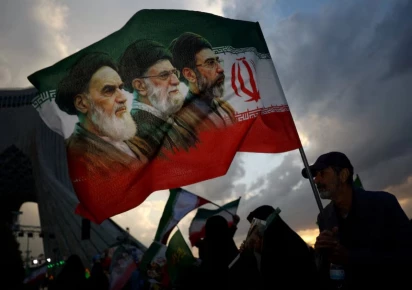
    TEHRAN: Tensions between Iran and the United States have escalated further after Iran’s Islamic Revolutionary Guard Corps (IRGC) warned that any country assisting Washington in military operations against Tehran could become a legitimate target, while the US confirmed its naval blockade on Iran remains fully operational. An IRGC spokesperson, speaking to Iranian state media, warned that countries providing logistical or military support to the United States—including the United Kingdom—would face retaliation. The official alleged that US B-1 bombers had recently used British bases during strikes on Iran, claiming any nation involved in such operations would be treated as a direct participant in the conflict. The warning came as reports emerged that US President Donald Trump has temporarily suspended plans for additional strikes on Iran after nearly two weeks of continuous military operations. According to US media, the decision was influenced by concerns over dwindling missile defence stockpiles, the risk of wider regional escalation and the desire to allow more room for diplomatic efforts. Despite the pause in airstrikes, the United States Central Command (CENTCOM) said its naval blockade against Iran remains in force. US forces reported intercepting several commercial vessels suspected of attempting to breach the blockade, redirecting multiple ships, disabling one vessel that ignored repeated warnings and carrying out verification inspections on others before allowing them to continue their voyages. US officials said contingency plans remain in place should military operations resume, underscoring that Washington is maintaining pressure on Tehran while keeping diplomatic options open. Meanwhile, Iran’s latest warning has added to growing concerns that the confrontation could draw more regional and international actors into the crisis.

  • |

    Ryan Gosling officially joins Marvel as the new Ghost Rider

    Ryan Gosling is officially joining the Marvel Cinematic Universe after being announced as the new Ghost Rider during Marvel Studios’ Hall H presentation at San Diego Comic-Con on July 25. The surprise announcement thrilled fans as Gosling appeared on stage alongside Marvel Studios president Kevin Feige, who confirmed that the actor will headline a standalone Ghost Rider movie. The project marks Gosling’s first venture into the superhero genre and one of Marvel’s most anticipated future films. Speaking during the panel, Gosling shared his excitement about taking on the iconic role, revealing that portraying Ghost Rider has been a long-time dream. “As you know, this is a character I’ve wanted to play for a long time,” the actor said, drawing loud cheers from the audience gathered at Hall H. Ghost Rider is one of Marvel’s most recognizable supernatural heroes. The character was previously portrayed by Nicolas Cage in the 2007 film Ghost Rider and returned in the 2012 sequel Ghost Rider: Spirit of Vengeance. Gosling now becomes the latest actor to bring the fiery antihero to life on the big screen as Marvel introduces the character into its interconnected cinematic universe. The upcoming film will be directed by Shawn Levy, who recently earned praise for directing the blockbuster Deadpool & Wolverine. Levy is also collaborating with Gosling on the upcoming Star Wars: Starfighter, making Ghost Rider their second major project together. Addressing the Comic-Con audience, Levy reflected on returning to Hall H after his previous Marvel appearance. “I’m having the greatest flashback vibes here because I was here two years ago when we showed Deadpool & Wolverine,” he said. Levy also praised Gosling, expressing his enthusiasm about working with him again. “I’ll never forget that night because I was introduced to the greatest fans. Gosling is the absolute s—. I say that with tremendous respect. We spent a lot of time last year making Starfighter, and the opportunity as Ryan started talking about this character, I was like, ‘Bro, let’s ride.’ We’ll see you in 2028!” Levy told the cheering crowd. Although Marvel Studios has not announced an official release date for the movie, Levy’s comments hinted that fans may have to wait until 2028 to see Ghost Rider arrive in theaters. The announcement has generated significant excitement among Marvel fans, many of whom have long hoped to see the supernatural hero become part of the MCU. Gosling’s casting has also sparked widespread discussion on social media, with many praising the decision and expressing curiosity about how the actor will interpret the iconic character. With an acclaimed director attached and one of Hollywood’s biggest stars stepping into the role, Marvel’s new Ghost Rider film is already shaping up to be one of the studio’s most highly anticipated projects. Fans will now be waiting for more details about the cast, storyline, and release schedule as development moves forward.

  • | |

    US reviews military strategy as weapons stockpile …

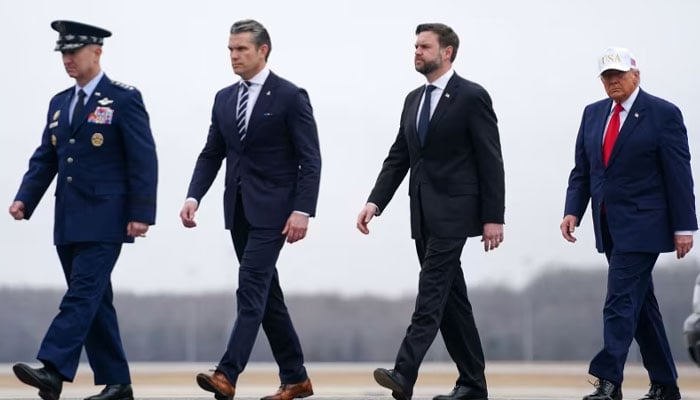
    WASHINGTON: Senior US officials have reportedly raised concerns over the country’s military readiness as the conflict with Iran intensifies, prompting the Trump administration to temporarily pause its air campaign while continuing diplomatic efforts. According to US media reports, Vice President JD Vance and Chairman of the Joint Chiefs of Staff General Dan Caine briefed President Donald Trump during a White House meeting on the escalating conflict and the potential impact of prolonged military operations on US weapons stockpiles. Sources said military leaders expressed concern over the depletion of key defence munitions and outlined the risks of expanding the conflict. While General Caine reportedly assured the president that the US military remains capable of carrying out all available operational options, he also highlighted the strategic consequences of continued military escalation. Following the meeting, the United States halted its nightly airstrikes on Iran after nearly two weeks of sustained attacks. Defence officials described the pause as temporary, although they did not confirm whether it was directly linked to concerns over weapons supplies or other strategic considerations. President Trump said negotiations with Iran remain ongoing but warned that military operations could resume or intensify if necessary. He also acknowledged appeals from several Gulf nations urging Washington to exercise restraint as regional tensions continue to rise. White House Communications Director Steven Cheung reiterated that President Trump continues to favour a diplomatic resolution but stressed that all military options remain available if Iran threatens international shipping in the Strait of Hormuz or targets US allies. He added that after nearly two weeks of economic pressure and strikes on military targets, the administration believes Tehran should pursue negotiations to avoid further escalation.