National

  • | |

    Abdul Rehman Brahui wins Pakistan’s 2025 kam…

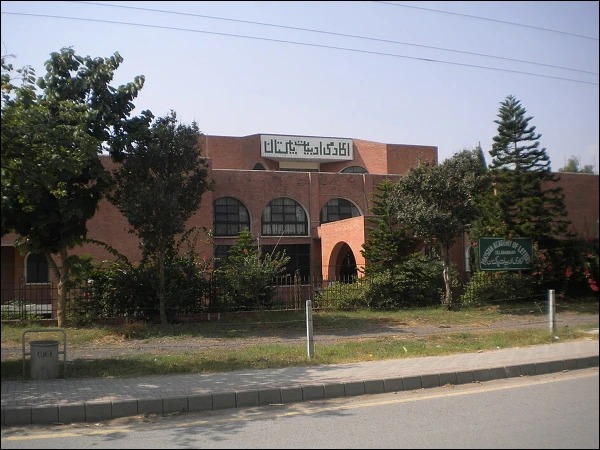
    The Pakistan Academy of Letters (PAL) has announced that renowned Brahui writer and poet Abdul Rehman Brahui will receive the 2025 Kamal-e-Fun Award, the country’s highest literary honor. The decision was announced by PAL Chairperson Professor Dr. Najeeba Arif following a meeting of the academy’s award committee in Islamabad. The Kamal-e-Fun Award recognizes a lifetime of outstanding literary contributions and carries a cash prize of Rs1 million. Abdul Rehman Brahui was selected by a distinguished panel of literary scholars, critics, and writers from across Pakistan, who acknowledged his remarkable services to Brahui literature and his lasting impact on the country’s literary landscape. Speaking at the announcement, Dr. Najeeba Arif congratulated Abdul Rehman Brahui and the people of Balochistan, describing the award as a tribute to his lifelong dedication to literature. She reaffirmed the academy’s commitment to promoting all Pakistani languages and ensuring equal recognition for regional literary traditions. The award committee was chaired by noted literary figure Munir Ahmed Badini, who praised Abdul Rehman Brahui’s exceptional contributions to Brahui language and literature. He stated that the recipient’s work has enriched not only Brahui literature but also Pakistan’s diverse literary heritage. Badini also appreciated the Pakistan Academy of Letters for maintaining transparency, merit, and fairness in the selection process. Alongside the Kamal-e-Fun Award, the academy also announced the recipients of the 2025 National Literary Awards in various categories, including Urdu, Punjabi, Sindhi, Pashto, Balochi, Saraiki, Brahui, Hindko, English, and translation. Among the notable winners were Akhlaq Ahmed for Urdu fiction, Muhammad Izhar-ul-Haq for Urdu non-fiction, Sajid Siddiq Nizami for literary criticism, and Ghulam Hussain Sajid for Urdu poetry. The Pakistan Academy of Letters confirmed that every author whose book has been selected for a National Literary Award will receive a cash prize of Rs200,000. These awards celebrate excellence in creative writing, poetry, research, criticism, translation, and prose across Pakistan’s national and regional languages. The announcement highlights the academy’s continued efforts to preserve Pakistan’s rich literary heritage while encouraging writers working in both national and regional languages. By recognizing distinguished authors such as Abdul Rehman Brahui, the Pakistan Academy of Letters aims to promote literary excellence, cultural diversity, and the enduring importance of literature in shaping the country’s intellectual and cultural identity.

  • | |

    Electricity bills to increase this month under new…

    The National Electric Power Regulatory Authority (NEPRA) has announced a 75-paisa per unit increase in electricity prices for consumers across Pakistan, including domestic users of K-Electric. The revised tariff will be reflected in electricity bills issued during August 2026, according to an official notification released by the regulator. The increase has been approved under the monthly fuel cost adjustment (FCA) for June 2026, a mechanism through which electricity tariffs are periodically revised to account for changes in fuel generation costs. The adjustment applies to electricity consumers served by power distribution companies nationwide, including those receiving electricity from K-Electric in Karachi. According to the notification, consumers will pay an additional Rs0.75 per unit in their August electricity bills. The fuel cost adjustment is a routine regulatory measure designed to recover fluctuations in the cost of electricity generation caused by varying fuel prices and the overall energy mix used by power producers. NEPRA stated that the revised charges are part of the monthly adjustment process and are intended to align electricity tariffs with the actual cost of power generation during the relevant period. The authority regularly reviews requests submitted by power distribution companies before approving any changes in consumer tariffs. The latest increase comes as electricity consumers across Pakistan continue to face higher utility costs amid rising inflation and increasing household expenses. The adjustment will affect millions of residential, commercial, and industrial consumers, although the exact financial impact will depend on individual electricity consumption levels. Domestic consumers in Karachi supplied by K-Electric will also be subject to the revised tariff, ensuring that the increase is implemented uniformly across the country. The notification confirms that the additional charges will be included in the current billing cycle for August. Fuel cost adjustments are separate from the base electricity tariff and may result in either increases or reductions in monthly bills depending on changes in fuel prices and electricity generation costs. In recent years, these periodic revisions have become a regular feature of Pakistan’s electricity pricing system as regulators seek to recover actual power generation expenses. Consumers are advised to review their upcoming electricity bills carefully to understand the impact of the latest tariff adjustment and any other applicable charges included in the monthly billing statement.

  • | | |

    KP considers law for computerized prescriptions an…

    The Khyber Pakhtunkhwa (KP) government is considering new legislation that would require doctors to prescribe medicines using their generic names instead of brand names and issue computerized prescriptions to patients. The provincial government has announced plans to consult the federal government, as the matter falls under federal jurisdiction. The proposal was discussed in the Khyber Pakhtunkhwa Assembly after Pakistan Peoples Party (PPP) lawmaker Mehr Sultana submitted a calling attention notice highlighting the absence of an effective legal framework requiring doctors to prescribe medicines by their generic names. According to the lawmaker, many physicians continue to prescribe branded medicines, limiting patients’ ability to choose more affordable alternatives. She argued that requiring doctors to write only the generic or formula name of a medicine would improve transparency, increase competition among pharmaceutical companies, and reduce treatment costs for patients. Mehr Sultana also emphasized the need to make computerized prescriptions mandatory, pointing out that handwritten prescriptions are often difficult to read. Illegible prescriptions can result in medication errors, delays in treatment, and confusion for pharmacists and patients. She urged the provincial government to introduce legislation or regulations that would modernize the prescription system and improve patient safety. Responding to the proposal, KP Health Minister Khaliq ur Rahman acknowledged the importance of the issue but explained that the authority to legislate in this area primarily rests with the federal government. He said the provincial government would formally approach the federal authorities to explore the possibility of introducing the necessary legal changes. The discussion also covered healthcare infrastructure in the province. During the assembly session, lawmaker Shahida Waheed raised concerns over non-functional CT scan and MRI machines at Mardan Medical Complex. In response, the health minister informed the assembly that the CT scan machine had already been repaired, while the MRI machine is expected to become operational within a week. If implemented, the proposed reforms could significantly improve prescribing practices across Khyber Pakhtunkhwa by encouraging the use of generic medicines and replacing handwritten prescriptions with digital records. Supporters of the proposal believe these changes would help reduce medication errors, lower healthcare costs, and improve access to affordable medicines, while also promoting greater efficiency in hospitals and clinics. Any legal amendments, however, will require coordination with the federal government before they can be introduced and enforced.

  • | |

    Beyond faith and defense

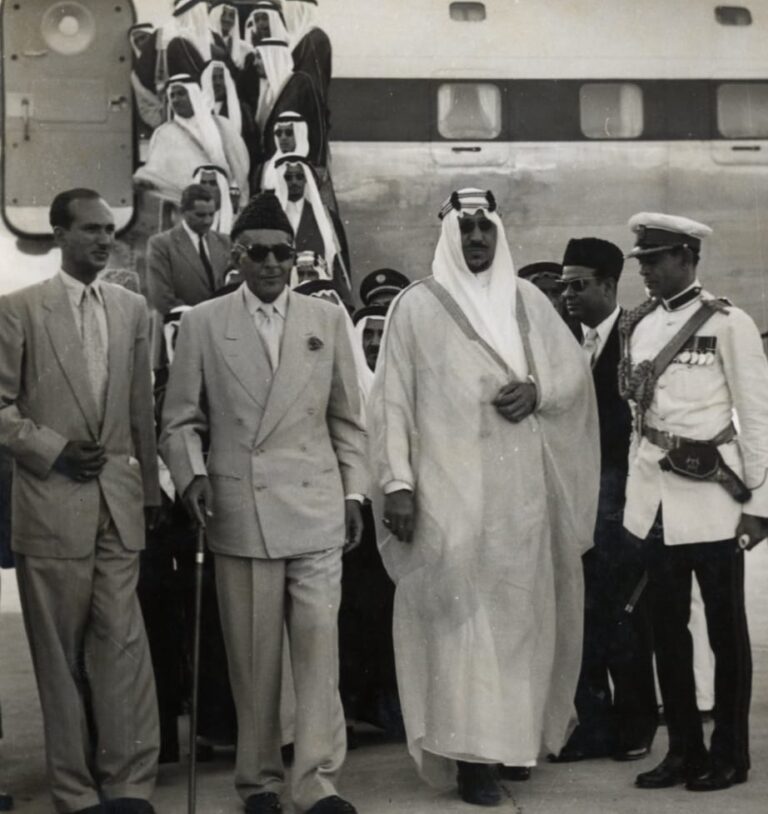
    The historical partnership between Pakistan and the Kingdom of Saudi Arabia stands as one of the most enduring bilateral relationships in the contemporary Muslim world. This history is anchored in shared Islamic values and a profound spiritual connection to the holy sanctuaries of Makkah and Medina. This alliance predates the modern era of Saudi oil wealth. The bond was formalized through the landmark Treaty of Friendship in 1951. It established an early blueprint for solidarity, ideological alignment and mutual support during crisis. Over the past seven decades, this connection has expanded from religious affinity into strategic collaboration. The Art of Strategic Neutrality Defense cooperation forms a central pivot of the bilateral relationship. Since the 1960s, the Pakistani military has played an instrumental role in advising, training, and building the infrastructure of the Saudi armed forces. Contingents of Pakistani troops have historically been deployed inside the Kingdom for defensive purposes, notably safeguarding the Holy Mosques during regional upheavals such as Operation Desert Storm. Moreover, thousands of Saudi defense personnel have undergone advanced training in Pakistani military institutions over the decades. However, the military relationship has also required careful navigation.  When conflict erupted in Yemen (2015), Pakistan’s parliament adopted a stance of strict neutrality to avoid inter-state Middle Eastern disputes, particularly while its domestic forces were actively engaged in counter-terrorism campaigns like Operation Zarb-e-Azb. Despite initial friction, Riyadh acknowledged Islamabad’s geopolitical constraints. This mature understanding was demonstrated when former Pakistani Army Chief General Raheel Sharif was appointed to lead the Islamic Military Counter Terrorism Coalition (IMCTC), focusing strictly on combating global extremism rather than taking sides in regional power struggles. Economic Interdependence and Human Capital Beyond defense, economic cooperation has provided crucial stability to Pakistan’s financial landscape. Saudi Arabia has repeatedly acted as a financial cushion. The country delivered multi-billion-dollar bailout packages, balance-of-payment assistance and deferred-payment oil supplies during economic hardship. Historically, this financial dynamic was complemented by administrative leadership. Pakistani economist Anwar Ali served as the Governor of the Saudi Arabian Monetary Agency from 1958 to 1974. He played a pivotal role in organizing the Kingdom’s modern financial infrastructure. Human capital remains another essential driver of this relationship. Over 2.7 million Pakistani expatriates reside and work within Saudi Arabia. Spanning critical sectors such as healthcare, engineering, construction, and information technology, these workers contribute directly to Saudi Arabia’s physical and economic development while generating vital remittance flows that sustain Pakistan’s domestic economy. Furthermore, administrative initiatives like the “Road to Makkah” project and reductions in visa fees have significantly streamlined pilgrimage procedures for millions of Pakistani citizens traveling for Hajj and Umrah. Geo-Economics, Vision 2030, and the Future of CPEC As both nations adjust to global realities, the bilateral partnership is changing into modern geo-economic framework. Saudi Crown Prince Mohammed bin Salman’s Vision 2030. The Kingdom aims to diversify its economy away from oil dependency by investing in global supply chains. A key element of this transformation includes multi-billion-dollar investment commitments in Pakistan. Furthermore, a proposed mega-oil refinery at the deep-sea port of Gwadar.   Ultimately, geopolitical challenges occasionally test bilateral diplomatic alignment. However, the strategic, economic and institutional ties between Islamabad and Riyadh continue to adapt. After all, it’s a dynamic future built on mutual survival and shared prosperity.

  • | |

    Mir Raza’s exhumation set for Saturday

    The exhumation of Karachi youth Mir Raza will be conducted on Saturday to determine the cause of his death after authorities reinstated the previous medical board for his second post-mortem examination. Police and other relevant authorities have been directed to make arrangements for the exhumation. The post-mortem is scheduled to begin at 11am on Saturday. The medical board, which had earlier been reduced to five members, has now been restored to its previous eight-member composition. According to the notification, Dr Samia Syed will serve as the board’s convener. Dow University Professor Dr Naseem Ahmed will perform duties as a pathologist, while Dr Farah Wasim has been included as a forensic expert. CPLC officer Amir Hassan Khan will serve as a forensic identification expert. Dr Kamran, Dr Sri Chand and Dr Daniyal Mirza will also continue as members of the board. The decision came after Mir Raza’s father, Mir Hussain, expressed serious reservations over changes to the medical board. The exhumation had initially been scheduled for Friday but was postponed following the dispute over the board’s composition. Mir Hussain had said he would not allow the exhumation until the previous medical board was restored. His lawyer, Jibran Nasir, also rejected the newly formed board and sent notices to the police and health secretary. He alleged that political interference was affecting the case. Nasir demanded that the exhumation and post-mortem be conducted by the same eight-member board that had originally been constituted by the Karachi police surgeon on court orders. Case background Mir Raza Ali Khan went missing from the Pakistan Employees Housing Society (PECHS) area on July 28. His body was recovered from Gulistan-e-Johar two days later. According to police, Raza had left home at around 4:09am in an online taxi. His body was later found in a severely damaged condition, with a gunshot wound to his chest. Police said all of Raza’s social media accounts had been shut down a day before his body was recovered. Investigators have sought his phone records and information about people who had been in contact with him from the relevant telecommunications company. The driver of the online taxi Raza had used has also been questioned. According to his statement, he dropped Raza at his destination in Gulistan-e-Johar. Raza’s father previously said his son was due to marry on August 30 at Bait-ul-Mukarram Mosque in Gulshan-e-Iqbal. He said Raza had been extremely happy about starting a new chapter of his life.

  • | | |

    PM Shehbaz calls Makkah pact a ‘historic milesto…

    Prime Minister Shehbaz Sharif has described the signing of the Makkah Agreement for Joint Defence between Pakistan, Saudi Arabia and Türkiye as a historic step towards strengthening peace, security and regional stability. In a post on X, the prime minister said he had the honour of signing the agreement alongside Saudi Crown Prince and Prime Minister Mohammed bin Salman and Turkish President Recep Tayyip Erdogan. Shehbaz said the agreement reflected the unity of the three brotherly countries, which share deep-rooted ties, common values and a commitment to protecting the interests of their peoples. He said the pact represented a shared vision to strengthen the foundations of peace, security and stability and expressed hope that it would become a lasting pillar of cooperation among the three nations. The prime minister prayed that the agreement, signed in the sacred precincts of Makkah, would serve as a strong shield for peace and promote greater cooperation and integration among the three countries for generations to come. He also expressed hope that the pact would contribute to economic prosperity and benefit not only the peoples of Pakistan, Saudi Arabia and Türkiye but the wider Muslim world. Shehbaz Sharif particularly praised Field Marshal Syed Asim Munir for his role in making the agreement possible. He described Asim Munir’s efforts, commitment and dedication as instrumental in turning the shared vision of the three countries into a concrete agreement. The prime minister said the agreement would further strengthen regional security and stability while advancing the common interests of the three partner nations.

  • | | |

    Karachi seals 200 shops in Saddar over fire safety…

    The Karachi administration has sealed 200 shops in Saddar for violating fire safety regulations, as authorities intensify efforts to enforce safety standards across commercial areas. The action was taken after inspections revealed that several businesses were operating without complying with mandatory fire safety requirements. The action was taken after inspections revealed that several businesses were operating without complying with mandatory fire safety requirements. According to officials, Deputy Commissioner South Javed Nabi Khoso submitted a report to Karachi Commissioner Syed Hassan Naqvi detailing enforcement measures taken against businesses found in violation of fire safety laws across the district. The report stated that the sealed shops are primarily located on the ground floor of Bilal Centre and Koh Noor Centre in Saddar. Authorities found that these commercial units failed to meet prescribed fire safety standards and were operating in conditions considered unsafe for customers and employees. The crackdown forms part of a broader campaign to improve compliance with fire prevention regulations in Karachi’s busy commercial districts. Officials have emphasized that ensuring public safety remains a top priority, particularly in crowded shopping centers where inadequate emergency measures can increase the risk of serious incidents. Following the inspection drive, Commissioner Karachi Syed Hassan Naqvi directed all deputy commissioners in the city to strictly enforce fire safety regulations and take action against businesses that fail to comply with legal requirements. The directive aims to improve safety standards in markets, shopping centers, and commercial buildings throughout Karachi. Fire safety regulations typically require commercial establishments to maintain functioning fire extinguishers, emergency exits, alarm systems, and other protective measures designed to reduce the risk of fire-related accidents. Authorities have warned that businesses found violating these requirements may face sealing, fines, or additional legal action until the necessary safety measures are implemented. The latest enforcement drive reflects growing efforts by the city administration to strengthen public safety following concerns over fire hazards in commercial areas. Shop owners whose businesses have been sealed will be required to address the identified deficiencies and meet the prescribed safety standards before they can resume operations. Officials have indicated that inspections will continue across Karachi to ensure compliance with fire safety laws, with similar action expected against other businesses that fail to meet the required standards. The administration has urged commercial property owners and traders to fully implement fire safety measures to avoid penalties and help create a safer environment for workers and the public.

  • | | |

    Nimra Khan divorce rumors intensify after social m…

    Pakistani television actress Nimra Khan has once again become the center of attention on social media after a series of emotional posts and changes to her Instagram activity sparked fresh speculation about her married life. The actress had announced her marriage in June 2026 through Instagram, sharing pictures and moments from her wedding ceremony held in Paris. However, shortly after the wedding, rumors regarding possible differences between the couple began circulating online. The speculation gained momentum when Nimra Khan shared an emotional video message in which she spoke about staying strong during difficult times. She said that no matter how challenging life becomes or whether people stop understanding or supporting someone, a person should never abandon themselves because they are enough for themselves. Following the reactions from fans, the actress had previously clarified that her married life was going well and explained that she had hidden some personal pictures due to concerns about negative attention and the “evil eye.” However, recent developments on social media have once again fueled discussions among fans. According to reports, Nimra Khan and her husband Zain Hamid have removed each other’s pictures from Instagram and have also unfollowed each other. The rumors intensified after Nimra Khan shared another video with a message about personal strength and resilience. In the post, she wrote that a person should remain strong enough that others do not mistake their silence for weakness. Meanwhile, her husband also shared a brief but meaningful post that attracted public attention. His message, which appeared on July 31, said: “Finally at peace, good that I got rid of it.” The post led many social media users to question whether the couple was facing personal difficulties. Nimra Khan also recently shared a video related to domestic violence awareness, in which a woman described alleged abuse by her husband. The actress reposted the video with the message, “We are with you.” She later shared another post emphasizing the importance of setting personal boundaries, saying that she had established limits because failing to do so had previously caused her difficulties. Despite the growing speculation, neither Nimra Khan nor Zain Hamid has issued an official statement confirming a divorce or separation. Fans continue to discuss the couple’s social media activity, but the actual status of their relationship remains unclear. As social media continues to fuel public interest in celebrity relationships, any confirmation regarding their marriage will likely come directly from the couple themselves.

  • | |

    Abdullah Tahir murder case: suspect woman arrested…

    Police have arrested a female suspect allegedly involved in the murder case of former Pakistan Tehreek-e-Insaf (PTI) ticket holder Abdullah Tahir. The suspect was taken into custody from Sialkot and later shifted to Lahore for further investigation. According to police officials, the arrested woman played a role in the case by allegedly honey-trapping Abdullah Tahir’s driver, which helped investigators trace the events surrounding the killing. Authorities said the suspect is reportedly a friend of the shooter involved in the murder. Police further claimed that the woman had previously been involved in similar honey-trapping activities targeting other individuals. Investigators are now examining her alleged connections and role in the planning and execution of the attack. Abdullah Tahir, a former PTI ticket holder, was killed in Lahore a few days ago. Following the incident, police launched an investigation and collected evidence to identify those responsible for the targeted killing. The arrest of the female suspect is being considered a significant development in the case as investigators continue efforts to uncover the full chain of events behind the murder. Police are expected to record the suspect’s statement and gather additional information regarding the involvement of other individuals. Authorities have not yet disclosed further details about the motive behind the killing or the identities of all suspects involved. The investigation remains ongoing, with police working to establish the complete network connected to the crime. The case has attracted attention due to Abdullah Tahir’s political association and the circumstances surrounding his death. Law enforcement officials have assured that further legal action will be taken after completing the investigation and collecting sufficient evidence.

  • | | |

    Sindh forms third medical board for exhumation of …

    The Sindh government has constituted a third medical board to carry out the exhumation and medico-legal examination of 25-year-old businessman Mir Ali Raza’s body, following controversy over the findings of his initial post-mortem report. The new eight-member medical board was notified by the Sindh Health Department on Friday after two earlier notifications were withdrawn. The exhumation, which was initially scheduled for Friday, was postponed after the deceased’s family raised objections over the sudden changes in the medical board. According to the latest notification, Police Surgeon Dr Sumaiyya Syed has been appointed as the convener of the board, while Dow University of Health Sciences (DUHS) Pathology Department Head Professor Dr Naseem Ahmed will serve as the pathologist. Other members of the board include forensic expert Dr Farah Waseem from Jinnah Sindh Medical University, forensic identification expert Amir Hassan Khan, Additional Police Surgeon Dr Srichand, and medico-legal officers from Jinnah Postgraduate Medical Centre (JPMC), including Dr Kamran Khan and Dr Daniyal Mirza. The board has also been authorized to include additional experts if required. The exhumation has been scheduled for Saturday, August 8, at 11am, according to the Office of the Police Surgeon. A civil judge and judicial magistrate Karachi-XXI will also be present during the procedure. The decision to exhume Mir Ali Raza’s body came after his father approached the court seeking further investigation. A Karachi court allowed the exhumation and directed authorities to form a medico-legal board to examine the circumstances surrounding his death. The case gained attention after concerns were raised regarding possible inconsistencies in the original autopsy report. Karachi Police Surgeon Dr Sumaiyya Syed had pointed out that certain observations in the post-mortem report appeared inconsistent with available photographs, including questions regarding the bullet entry and exit wounds. She stated that the reported bullet trajectory and wounds required further examination and noted that gunshot residue testing, which can be relevant in suspected suicide cases, had not been conducted. Police officials responded by saying that such comments could affect the ongoing investigation but acknowledged that exhumation could provide further clarification through a committee of medical experts with court approval. Mir Ali Raza, the owner of food outlet Wafflix, went missing on July 28. His body was discovered the following day near Shahi Qila Ground in Gulistan-e-Jauhar with a gunshot wound. Initially, a kidnapping case was registered at Ferozabad Police Station on his father’s complaint. Police said their investigation indicated that Ali had been facing financial difficulties and had contacted friends for financial assistance before his death. Investigators said he left his home in PECHS Block-2 and traveled by a ride-hailing taxi, which dropped him near the location where his body was later found. The latest medical board is expected to examine the remains and provide further forensic findings that may help clarify the circumstances surrounding Mir Ali Raza’s death.