National

  • |

    Why you should stop sitting on your wallet

    Pain in the lower back hip or leg is often blamed on spine problems.  However doctors say a simple daily habit may also be responsible. Sitting for long periods with a thick wallet in your back pocket can put pressure on an important nerve causing pain numbness or tingling. This condition is commonly known as “wallet sciatica” or “fat wallet syndrome.” It is not a disease but a problem caused by pressure on the sciatic nerve. Because its symptoms are similar to sciatica caused by spine problems many people mistake it for a back condition. The sciatic nerve is the largest nerve in the body. It starts in the lower back and runs through the hips and down each leg. Sitting on a thick wallet can make one side of the body higher than the other creating an uneven sitting position.  Over time this can put extra pressure on the nerve and lead to discomfort. Doctors say this constant pressure may reduce blood flow to the nerve cause irritation and lead to inflammation. In some cases it may also contribute to a condition called piriformis syndrome which can be confused with a spine problem. Common symptoms include a dull ache in the lower back or hip burning or shooting pain down the back of the leg tingling or numbness in the leg or foot and pain that gets worse after sitting for a long time. These symptoms usually appear on the same side where the wallet is carried. Experts warn that similar symptoms can also be caused by a slipped disc spinal narrowing or other nerve conditions. For this reason people should not rely on online information to diagnose themselves. If the pain continues a medical check up is important to find the real cause. People who sit for long hours such as office workers drivers and frequent travelers may face a higher risk. Carrying a wallet packed with cards receipts and cash makes the problem even more likely. The good news is that many people improve simply by changing this habit. Keeping your wallet in a front pocket jacket or bag removing unnecessary items and using digital payments can help reduce pressure on the nerve. Doctors also recommend standing up and walking for a few minutes every 30 to 45 minutes sitting with good posture and doing gentle stretching exercises with professional guidance. If pain numbness or difficulty walking continues or becomes severe seek medical care immediately. Experts say ongoing back or leg pain should never be ignored as it may sometimes be a sign of a more serious nerve or spine problem.

  • | |

    Economic empowerment of minorities, women remains …

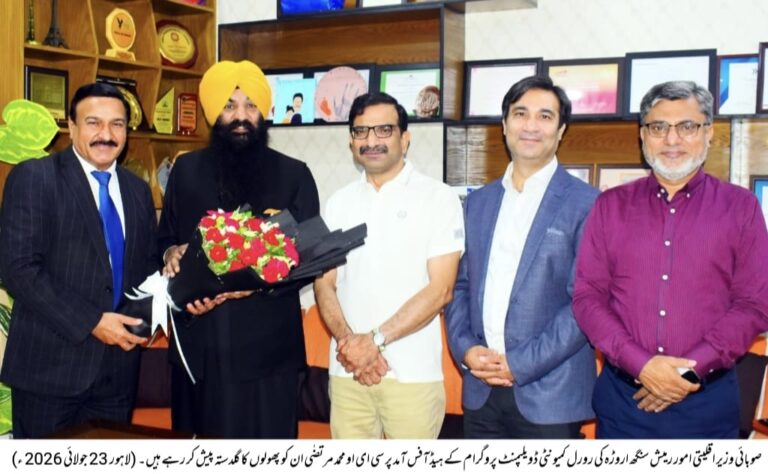
    By: Hur Hussaini   Lahore: Punjab Minister for Minorities Affairs, Sardar Ramesh Singh Arora, visited the Head Office of the Rural Community Development Programme (RCDP), where he was warmly received by Muhammad Murtaza, Founder and Chief Executive Officer of RCDP and Vice Chairman of the Pakistan Microfinance Network. During the visit, the Minister held a comprehensive meeting with representatives of the microfinance sector to discuss strategies for promoting financial inclusion, with particular focus on the economic empowerment of religious minorities, women, and other marginalized communities. Addressing the meeting, Sardar Ramesh Singh Arora emphasized that financial inclusion is a powerful instrument for reducing inequality, empowering vulnerable segments of society, and creating equal opportunities for sustainable economic growth. He stated that under the leadership of Chief Minister Maryam Nawaz Sharif, the Government of Punjab is committed to ensuring inclusive development and equal economic opportunities for every citizen without discrimination. The Minister underscored the importance of expanding access to affordable and inclusive financial services for religious minorities, women, and low-income households, enabling them to become financially independent and active contributors to the province’s socio-economic development. Participants also discussed the role of microfinance institutions in advancing human rights and strengthening financial resilience among underserved communities. Both sides agreed to enhance collaboration to make microfinance initiatives more effective and accessible across Punjab. Representatives of the Pakistan Microfinance Network reaffirmed their commitment to expanding comprehensive financial services through the Network’s platform, while the Rural Community Development Programme (RCDP) pledged its continued support for initiatives aimed at promoting the financial independence and economic well-being of minorities and women. The meeting concluded with a shared commitment to strengthening partnerships and undertaking joint initiatives to promote financial inclusion, social protection, and sustainable economic opportunities for vulnerable and marginalized communities throughout Punjab.

  • | |

    Internet services restored in AJK after six weeks

    Internet services have started to return to Azad Jammu and Kashmir (AJK) after remaining suspended for nearly six weeks. The restoration process has begun in phases, with partial internet connectivity restored in the Mirpur Division. According to official sources, the Pakistan Telecommunication Authority (PTA) initiated the restoration of internet services following directives from the federal government. The decision comes after a prolonged suspension that had disrupted daily life across the region. Internet services had been suspended throughout Azad Kashmir since June 5 because of concerns over the law and order situation. During the shutdown, residents were unable to access online communication, digital banking, educational platforms and many government and business services. The suspension also affected students, traders, freelancers and people who rely on the internet for work and communication. Sources said the restoration is being carried out gradually to ensure that security concerns are addressed while communication services are resumed. Mirpur Division is the first region where internet access has started to function again, while authorities are expected to expand the restoration process to other districts in the coming days. The prolonged internet shutdown had sparked concern among citizens and political leaders. Many people demanded the restoration of digital services, saying the suspension had created serious difficulties for businesses, educational institutions and the general public. Pakistan Peoples Party (PPP) Chairman Bilawal Bhutto Zardari had also called on the government to restore internet services in Azad Kashmir. He urged the authorities to end the suspension, emphasizing that uninterrupted internet access is essential for communication, economic activity and public convenience.

  • |

    Buleha” faces suspension as Senate demands name change and removal of Bulleh Shah dialogue

    Islamabad: A controversy over the Pakistani film “Buleha” after a Senate committee questioned whether the movie damaged the image of legendary Sufi poet Baba Bulleh Shah by showing a character connected with violence, weapons and personal justice. During a heated discussion, Senator Pervaiz Rashid questioned how a film carrying the name of a famous symbol of peace and love was approved despite scenes and dialogues that critics said were opposite to Bulleh Shah’s teachings. The controversy intensified when members of the Censor Board admitted that some important points were overlooked during the approval process. Dr. Sultan Azam Taimuri, a senior member of the board, accepted responsibility and said the concerns raised about the connection between the fictional character and Baba Bulleh Shah should have been discussed more carefully. The committee argued that Baba Bulleh Shah was known for promoting peace, humanity and love, while the film appeared to show a character using force and weapons to fight criminals. Members questioned whether such a portrayal could create confusion among young viewers about the real message and personality of one of Punjab’s most respected Sufi poets. The debate became intense when a Senator Pervaiz Rashid asked if a film about another respected poet, such as Khushal Khan Khattak or Ghalib, showed that personality in a completely opposite way, would the Censor Board approve it. A censor board member admitted that such a film would not be acceptable and said it would be wrong to show a historical personality against their actual beliefs. The committee then questioned why the same standard was not applied to “Buleha.” The Censor Board defended its decision by saying the movie was not a biography of Baba Bulleh Shah. Officials explained that the character in the film was fictional and had no direct connection with the real life of the Sufi poet. They said the board considered the movie a fictional story and believed the name alone was not enough reason to stop its release because Bulleh Shah himself used the word “Bullah” in his poetry. However, the committee pointed out that the board’s explanation created confusion. Members questioned how the film could have no connection with Bulleh Shah but still use a name and dialogue strongly linked with him. The discussion became more serious when Dr. Sultan admitted that the committee’s concerns had a point. He said the board did not discuss this angle properly at the time of approval and accepted responsibility. He also admitted that a dialogue in the film where the character compares himself with Bulleh Shah could be controversial. Another Censor Board member, Syed Farooq Hassan, also accepted that the board overlooked this perspective. He said the board knew Baba Bulleh Shah’s teachings were completely different from the violence shown in the film, but members believed the character was fictional and not based on the actual life of Bulleh Shah. The board members also explained that Pakistan’s film industry was already struggling, and they wanted to support local movies within acceptable limits. They said promoting cinema was also one reason behind their decision. The committee, however, questioned whether supporting the film industry should come before protecting the image of respected cultural and historical figures. During the meeting, criticism was also directed at the writer of the film. Members questioned whether being a successful film writer was enough qualification to handle the story of a major historical and spiritual personality. They argued that the writer’s fame came mainly from action based films and said success in commercial cinema does not automatically mean expertise in history, culture or the lives of national figures. One committee member strongly criticised the idea of approving a film simply because it was written by a famous writer. He said the writer was known for introducing violent action elements in films but was not known as an expert on Sufi personalities or Pakistan’s cultural traditions. The committee also rejected the argument that other provincial censor boards had already approved the film. Officials said Punjab and Sindh censor boards had approved the movie without cuts, and it had also been aired on Local TV. However, committee members said approval by other boards did not remove the responsibility of reviewing the film’s impact. The discussion also raised questions about the knowledge and background of Censor Board members. Members suggested that people approving films about major personalities should have knowledge of history, literature, culture and society. They said the selection criteria for board members should ensure they understand how films can influence children and families. The committee argued that showing respected personalities incorrectly could affect how younger generations understand their history. At the end of the meeting, the committee made a strong recommendation regarding the film. The committee suggested that the film name should be changed and the dialogue in which the character calls himself Bulleh Shah should be removed. It further recommended that the film’s exhibition licence should remain suspended until these changes are made and that online versions should also be removed if available. The Senate Standing Committee on Information and Broadcasting has also included the film “Buleha” issue in its upcoming agenda, calling Censor Board members and producers to explain the certification process and the discussions behind the film’s approval.

  • |

    FIA arrests 15 passport agents in crackdown outside regional passport offices

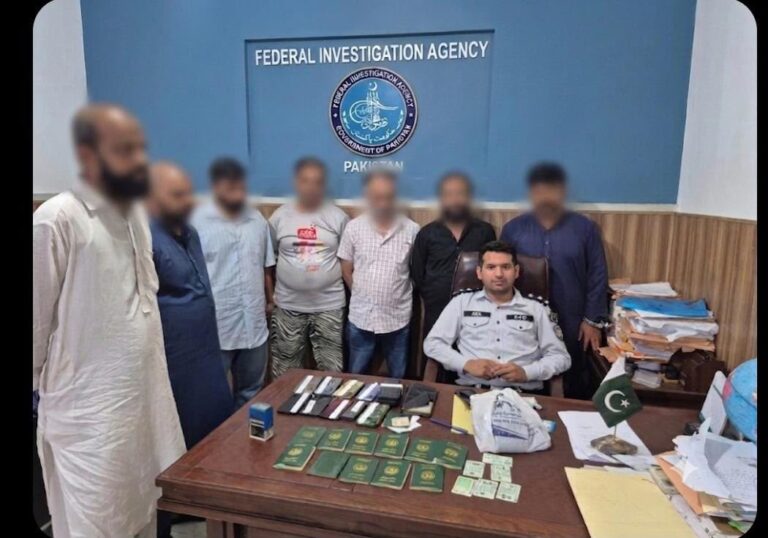
    GUJRANWALA: The Federal Investigation Agency (FIA) Gujranwala Zone has arrested 15 alleged agents during a coordinated crackdown on individuals operating outside passport offices in Gujranwala, Gujrat and Sialkot, accusing them of illegally charging citizens by promising expedited passport processing. The operation was launched on the directions of FIA Director General Dr Usman Anwar and the Director FIA Gujranwala Zone, according to an FIA spokesperson. The spokesperson said the suspects allegedly lured applicants by claiming they could secure passports quickly in exchange for money. Preliminary investigations have also indicated the alleged involvement of some passport office officials, and further inquiries are underway to determine their role. According to the FIA, seven suspects were arrested by the Gujranwala Circle, three by the Gujrat Circle and five by the Sialkot Circle. Those arrested in Gujranwala were identified as Hafiz Ayub, Muhammad Afzal, Muhammad Tariq, Ali Hassan, Muhammad Asad, Jamshed Ali and Sajjad Ali. An FIR (No. 578/2026), dated July 22, 2026, has been registered against them under Section 6 of the Passport Act, 1974, along with Sections 419, 420 and 34 of the Pakistan Penal Code. In Gujrat, FIA officials conducted a raid outside the Passport Office in Mandi Bahauddin and arrested Zahid Iqbal, Zubair Aslam and Shahroz Ali. An FIR (No. 03/2026 ACC), dated July 22, 2026, has been registered against them under Sections 419 and 420 of the Pakistan Penal Code. The FIA said five more suspects were arrested by the Sialkot Circle, where separate cases have also been registered under relevant legal provisions. Their identities were not disclosed in the press release. The agency said investigations are continuing to identify other members of the network and examine the alleged involvement of officials who may have facilitated the illegal activities. The FIA urged the public not to approach unauthorized agents for passports or other government services. Citizens have been advised to deal directly with the relevant government offices and report anyone demanding money or offering illegal facilitation so that legal action can be taken. An FIA spokesperson said the agency would continue its crackdown against agents exploiting citizens and those involved in corruption related to public services.

  • |

    NCCIA under fire over social media figures, PECA cases and newspaper column complaint

    Islamabad: A controversy has erupted over the National Cyber Crime Investigation Agency (NCCIA) after a Senate committee questioned differences in social media statistics, delays in transferring PECA cases and the registration of complaints linked to a newspaper column. The Senate Standing Committee on Information and Broadcasting has sought answers from NCCIA over claims that figures shared earlier with lawmakers were later described as incorrect by its own officials. The committee questioned how NCCIA could provide one set of figures before the Senate and later have its officials reportedly distance themselves from those numbers. The dispute mainly focused on claims about fake social media accounts and content removal requests. Earlier figures suggested that around 20 percent of social media accounts were fake, but questions were raised after officials allegedly suggested that the number was much lower. The committee also questioned claims that 83 percent of content removal requests received responses from social media companies. Officials explained that a response from platforms does not always mean the request was accepted or action was taken. They said some requests were accepted while others were rejected, but companies provided replies. During the meeting, NCCIA officials defended the figures and said the data was publicly available online. They said the 83.64 percent response figure related to Meta was available through official reports and could be verified by anyone through the internet. Officials said if journalists had checked the available reports before publishing news, the confusion could have been avoided. They also explained that Pakistan’s response rate was compared with India’s figures, noting that both countries’ data was available online. Another major issue discussed was the transfer of cases under the Prevention of Electronic Crimes Act (PECA). The committee questioned why provinces had not transferred all relevant cases to NCCIA after PECA powers were shifted. NCCIA officials informed the committee that hundreds of cases existed across Pakistan. According to the briefing, Islamabad had 19 cases, Punjab had 268, Khyber Pakhtunkhwa had 47, Balochistan had 7, Sindh had 21, Azad Jammu and Kashmir had 10, while Gilgit Baltistan had none. The total number mentioned was 372 cases across Pakistan. Officials said only nine cases from Sindh Police had so far been transferred to NCCIA, while many others were still pending. Committee members questioned why cases already before courts or under trial were not being transferred. They said earlier instructions had been issued to provincial authorities to move investigation stage cases to NCCIA, but the orders had not been fully followed. The committee decided to again contact provincial police chiefs and legal authorities to ask why transfers were delayed. The most sensitive discussion came a complaint related to journalist Toufeeq Butt’s column published in Daily Nai Baat. The column titled “Bero Corrupts” became controversial after the Pakistan Administrative Services Association filed a complaint. The complainant argued that the term used in the article was insulting and damaging to the reputation of civil servants. NCCIA officials clarified that no case had been registered against the writer. They said only a complaint was received and an inquiry process started to hear both sides. Toufeeq Butt was issued notices to provide his explanation, but officials said he did not appear after receiving two notices. The committee debated whether NCCIA should handle newspaper content or if such matters should go to press related institutions. Members warned that allowing every complaint against newspapers and journalists to reach the NCCIA could create a flood of cases. They pointed out that newspapers are regulated by the Press Council while television is handled by PEMRA. Some members argued that asking for an explanation differed from taking legal action. They said every person has the right to present their side before any decision is made. Others warned that using cybercrime laws for newspaper related matters could open a new door for pressure against journalists. Chairman directed NCCIA to refer both the complaint and the complainant to the Press Council of Pakistan, being the appropriate forum to examine the published column and decide the matter.

  • | | |

    Field Marshal Asim Munir vows unrelenting war on t…

    Field Marshal Syed Asim Munir, Chief of Army Staff and Chief of Defence Forces, has reaffirmed Pakistan’s commitment to eliminating terrorism, saying security forces will continue intelligence-based and targeted operations until militant networks and their facilitators are completely dismantled. He made these remarks while addressing participants of the 20th National Workshop Balochistan during an interaction at the General Headquarters (GHQ) in Rawalpindi on Wednesday. The army chief said lasting peace in Balochistan can only be achieved through sustained efforts by the armed forces, law enforcement agencies and the unwavering support of the people. He stressed that operations against militant groups would continue with full determination to ensure long-term peace and stability across the country. Field Marshal Asim Munir said hostile elements backed by foreign interests have repeatedly attempted to create unrest in Balochistan, weaken national unity and disrupt peace. However, he maintained that such attempts would not succeed because of the professionalism of Pakistan’s armed forces and the resilience of the nation’s people. He reaffirmed that Pakistan remains determined to dismantle terrorist infrastructure wherever it poses a threat to the country’s security and the safety of its citizens. He said the state would continue taking decisive action against all groups involved in terrorism or supporting extremist violence. Highlighting the importance of Balochistan, the army chief described the province as a vital part of Pakistan with enormous natural resources and a resilient, patriotic population. He said the people of Balochistan are the province’s greatest asset and play a key role in the country’s future. He also pointed to ongoing development projects being carried out by the federal and provincial governments, saying these initiatives are aimed at improving infrastructure, creating economic opportunities and enhancing the quality of life for local communities through an inclusive development strategy. During the interaction, the army chief praised the contributions of civil society, academics, media professionals and the youth in promoting national harmony and supporting efforts for lasting peace and development in Balochistan. He emphasized that unity, resilience and collective national resolve are essential for overcoming challenges and ensuring Pakistan’s continued progress.

  • | |

    Six militants killed in Mastung security operation

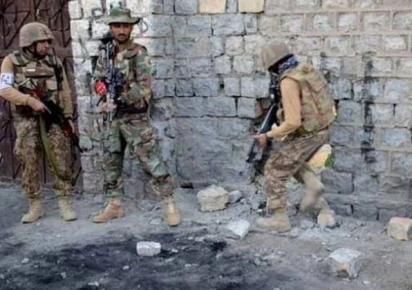
    Six suspected militants were killed and several others, including male and female suicide bombers, were arrested during an intelligence-based operation carried out by security forces in the Khad Kocha area of Mastung district, Balochistan, on Thursday. The operation was conducted as part of the ongoing Operation Shaban, a joint counterterrorism campaign involving the Pakistan Army, Frontier Corps (FC) and Balochistan Police. The campaign was launched after the terrorist attack on the Mangi Dam Police Station and continues in different parts of the province to eliminate militant networks. According to official sources, security forces launched the raid after receiving credible intelligence about the presence of militants in the area. During the operation, troops surrounded the suspected hideouts and engaged the militants in an exchange of fire. Officials said six militants were killed during the operation, while several others were taken into custody. Those arrested included alleged facilitators as well as male and female suicide bombers who were reportedly planning future attacks. Security personnel also destroyed multiple militant hideouts and recovered a large cache of weapons, ammunition and explosives from the site. The military said security forces have intensified intelligence-based operations across Balochistan to dismantle terrorist networks and prevent attacks on civilians and security personnel. Officials maintained that such operations would continue until militant infrastructure is completely dismantled. Interior Minister Mohsin Naqvi praised the security forces for the successful operation and commended their professionalism and courage. He said the forces had once again foiled the plans of militants attempting to spread violence and instability in Balochistan. He added that the government’s resolve to eliminate terrorism remains unwavering and that the entire nation stands with the armed forces and law enforcement agencies in their efforts to restore peace and stability. The latest operation came only hours after unidentified gunmen attacked a vehicle carrying members of the judiciary on the National Highway in Mastung. A district and sessions judge and his security guard were killed in the attack, while an additional sessions judge and another person suffered serious injuries. Security forces later cordoned off the area, launched a search operation and established checkpoints to trace the attackers. The operation also follows another series of intelligence-based raids carried out a day earlier, during which security forces killed 10 suspected militants and arrested two female suicide bombers along with a facilitator in different areas of Balochistan.

  • | |

    Fresh PECTAA recruitment ad creates concern among …

      Lahore: A newly issued recruitment advertisement by PECTAA and shared by the Punjab education minister on his social media handles, has sparked strong reactions and disappointment among thousands of job applicants across Punjab. Candidates have expressed their concerns over the decision to announce vacancies that, according to them, had already been advertised previously and for which the recruitment process had already begun. Applicants stated that the same positions were announced in July last year, following which thousands of candidates from different districts of Punjab completed the application procedure and appeared in the recruitment test conducted by PECTAA at Punjab University, Lahore. Many candidates invested significant time, effort, and money in preparing for the examination and completing all required formalities. However, despite the successful completion of the written test, the recruitment process was discontinued without any clear explanation. Candidates who had participated in the earlier process have been waiting for further updates and hoped that the authorities would complete the recruitment procedure based on the test results already obtained. Instead, PECTAA has recently issued a new advertisement for the same vacancies, requiring candidates to submit fresh applications and pay a new processing fee of Rs. 3,000 for each post. The decision has caused frustration among job seekers, who argue that they should not be forced to repeat the entire process or pay additional charges when they have already fulfilled the required criteria. Several candidates have criticised the move, describing it as an unnecessary financial burden on unemployed youth who are already facing difficult economic conditions. They claim that demanding another application fee from thousands of applicants creates additional hardship and raises questions about the transparency and fairness of the recruitment procedure. Responding to the concerns, PECTAA spokesperson Noorul Huda told Minute Mirror that the department decided to initiate another round of tests and interviews after failing to find suitable candidates for the advertised positions. When informed that applicants had already appeared in the written test and those who qualified had also been called for interviews, the spokesperson said that both the written test and the interview are necessary to determine a candidate’s suitability for recruitment. He also defended the decision to charge a fresh application fee for the new recruitment process. However, candidates maintained that the recruitment process itself imposes an additional financial burden, as PECTAA conducts both its written tests and interviews in Lahore. Applicants from across Punjab have to travel to the provincial capital for each stage of the recruitment process, resulting in considerable transportation and accommodation expenses. The affected candidates have strongly appealed to PECTAA officials to reconsider the decision and acknowledge the applications submitted during the previous recruitment drive. They have demanded that the authorities complete the pending recruitment process using the test results of candidates who already appeared in the examination. According to the protesting applicants, restarting the entire process not only wastes the efforts of thousands of candidates but also creates uncertainty about the future of those who have already invested months preparing for the opportunity. They believe that conducting another recruitment cycle for the same positions is unfair unless there is a valid reason and proper justification from the concerned department. Candidates have also requested the Punjab Government and senior officials to intervene in the matter and investigate the issue. They urged the authorities to provide relief by accepting the previous applications, avoiding unnecessary fee collection, and ensuring that the recruitment process is conducted in a transparent and merit-based manner. The applicants said that unemployed youth across Punjab are looking toward government institutions for fair opportunities and expect recruitment systems to protect their time, effort, and financial investments. They called for immediate action from relevant authorities so that the recruitment process can move forward without causing further inconvenience to candidates.  

  • | |

    Punjab university expands stray dog control campai…

      The Punjab University administration has intensified its efforts to address the issue of stray dogs on campus while ensuring compliance with legal directives and prioritizing the safety of students, faculty, staff, and visitors. According to university officials, the administration has been actively pursuing a comprehensive strategy to manage the stray dog population in collaboration with the Metropolitan Corporation Lahore (MCL). The initiative follows the directives of the Honorable Lahore High Court, which has prohibited the culling of stray dogs and instead instructed the relevant civic authorities to adopt humane measures for controlling their population. In line with the court’s orders, Punjab University has been coordinating closely with MCL to implement a systematic and lawful approach to the issue. University officials stated that several operations have already been carried out on different parts of the campus, during which MCL teams captured stray dogs and took them into custody as part of the approved animal control mechanism. The administration has also shared details of these operations to highlight the progress made so far. Officials emphasized that the campaign is not a one-time activity but an ongoing effort aimed at ensuring long-term results. The latest operation has already commenced and will continue in the coming days to further reduce the presence of stray dogs across the university premises. The administration believes that sustained operations, coupled with close coordination between the university and civic authorities, will help create a safer and more secure environment for everyone on campus. The stray dog issue has remained a concern for students and employees, with many expressing worries about safety while moving between academic departments, hostels, and other university facilities. Responding to these concerns, the university administration reiterated its commitment to resolving the matter through legal and humane means rather than adopting measures that violate court directives. University officials also urged members of the campus community to cooperate with the ongoing operations and avoid interfering with the work of MCL teams. They stressed that public cooperation is essential for the success of the campaign and encouraged anyone noticing areas with a high concentration of stray dogs to report them to the relevant university offices so that timely action can be taken. The administration further clarified that all measures being implemented are fully aligned with the directions issued by the Honorable Lahore High Court. Since culling has been prohibited, the focus remains on capturing, relocating, and managing stray dogs through the mechanisms prescribed by the competent authorities. Officials expressed optimism that the continued operations will gradually improve the situation and significantly minimize the risks associated with stray dogs on campus. They reaffirmed that the university will maintain close coordination with MCL until satisfactory and sustainable results are achieved. Punjab University has assured students, faculty members, and staff that their safety and well-being remain among the institution’s highest priorities. The administration stated that it will continue monitoring the situation, reviewing progress regularly, and taking all necessary steps within the legal framework to ensure a safe, secure, and conducive academic environment for the entire university community.