National

  • |

    Pakistan’s ambassador presents credentials to Uzbek foreign minister

    Pakistan’s newly appointed Ambassador to Uzbekistan, Muhammad Mudassir Tipu, formally presented copies of his diplomatic credentials to Uzbek Foreign Minister Bakhtiyor Saidov in Tashkent. Describing the meeting as a distinct honor, Ambassador Tipu confirmed that both sides held constructive talks on bilateral cooperation. Foreign Minister Saidov highlighted that discussions focused on deepening the strategic partnership between the two nations, ensuring the implementation of high-level agreements, and expanding trade, investment, and interregional connectivity.

  • | |

    US imposes 10 per cent tariff on Pakistan over forced-labour enforcement

    The United States has levied a 10 per cent tariff on Pakistani goods under a broader Section 301 trade action targeting 60 economies for their failure to adequately prohibit and enforce bans on imports produced with forced labour. According to the Office of the U.S. Trade Representative (USTR), the final action followed investigations directed by President Donald Trump in March, encompassing public hearings and consultations with numerous governments. Ambassador Jamieson Greer stated that trading partners must match the enforcement standards the United States has upheld, noting that decades of moral persuasion have failed to eradicate forced labour from global supply chains. Pakistan is grouped in the 10 per cent tariff bracket alongside nations such as India, Bangladesh, Mexico, and the United Kingdom. These countries either imposed a prohibition on forced-labour imports, committed to one through a trade agreement, or introduced a partial restriction regime, while other investigated economies face tariffs of up to 12.5 per cent. The new duties arrive at a critical juncture for Islamabad. Pakistan has recently positioned itself as a key mediator in the US-Iran conflict and deepened its security partnership with Saudi Arabia, including the deployment of air-defence assets. However, the conflict has already strained Pakistan’s economy, with shipping disruptions in the Strait of Hormuz driving up domestic petroleum prices amid high inflation. Textiles and apparel, a primary focus of the USTR’s forced-labour investigation, represent a significant portion of Pakistan’s exports to the US. Industry groups are expected to evaluate the impact of these tariffs on market competitiveness in the coming days. The USTR noted that product exemptions will apply in limited cases, including critical raw materials and goods that cannot be sourced reasonably from elsewhere. Islamabad has yet to issue a formal response to the tariff imposition.

  • |

    Pakistan raises suspension of Indus Waters Treaty at ASEAN regional forum

    Deputy Prime Minister and Foreign Minister Ishaq Dar has raised concerns over India’s unilateral suspension of the Indus Waters Treaty at an international platform, describing New Delhi’s actions as a provocative move that directly threatens regional stability. Addressing the 33rd ASEAN Regional Forum Ministerial Meeting in Manila, Dar emphasized that resolving the Jammu and Kashmir dispute remains central to achieving lasting peace in South Asia. He warned that any arbitrary or unilateral measures altering the 1960 water-sharing framework risk jeopardising the livelihoods and fundamental interests of 250 million Pakistanis. Stressing the necessity of diplomacy, Dar urged all regional stakeholders to exercise restraint and resolve outstanding bilateral disputes through constructive dialogue. He also reiterated that regional peace depends on preventing external platforms from being exploited, noting specifically that Afghan territory must not be utilised to facilitate cross-border terrorism against Pakistan.

  • |

    LESCO on high alert; urges public to follow electrical safety measures during monsoon

    Lahore: Lahore Electric Supply Company (LESCO) Chief Executive Officer, Engineer Muhammad Ramzan Butt, has expressed deep sorrow over recent electricity-related incidents and reaffirmed that the protection of human life remains the company’s highest priority. He extended heartfelt condolences to the families affected by these unfortunate incidents and urged the public to strictly observe electrical safety precautions during the ongoing monsoon season. According to the LESCO spokesperson, a tragic incident occurred in the Islampura area where a citizen lost his life after receiving an electric shock near a streetlight pole during rainfall. Preliminary investigations revealed that an illegal electricity connection had been obtained through a damaged PVC service cable, allowing leakage current to energize the streetlight pole and resulting in the fatal accident. In another incident reported in the Sitara Colony Sub-Division, electricity was found leaking into a shop’s metal shed. Upon receiving the complaint, LESCO immediately shut down the relevant feeder and dispatched emergency teams to the site. Inspection confirmed that LESCO’s distribution system and service wires were in proper condition, while the leakage originated from the consumer’s own service wire joint, which had come into contact with the metal shed. The fault was promptly rectified, and the area was declared safe. In light of the ongoing monsoon rains across Lahore and other parts of the LESCO region, the company’s field staff, Power Distribution Control (PDC), Control Room, and operational officers have been placed on high alert under the directions of CEO Engineer Muhammad Ramzan Butt. LESCO is continuously monitoring the power distribution network to ensure the earliest possible restoration of electricity wherever weather-related faults occur. The spokesperson added that once weather conditions permit, LESCO teams immediately begin repair work while strictly following all safety protocols. Recently, after an 11kV feeder near Qaid-e-Azam Industrial Area, Kacha Jail Road was affected due to adverse weather conditions, emergency teams swiftly reached the site, isolated the feeder for safety, and initiated restoration work. Senior officers remained present in the field to supervise operations and ensure that power supply was restored to consumers in the shortest possible time. CEO Engineer Muhammad Ramzan Butt has directed all field personnel to perform their duties using complete personal protective equipment (PPE) and in accordance with established safety procedures. He also appealed to citizens to avoid illegal electricity connections, unsafe wiring, and substandard electrical installations, particularly during the rainy season. The public is strongly advised to stay away from electric poles, streetlights, broken or hanging wires, metal sheds, and other electrical installations during rainfall or in waterlogged areas. In case of any emergency or electricity-related hazard, citizens should immediately contact their nearest LESCO office or call the LESCO Helpline 118. LESCO remains fully committed to ensuring public safety and maintaining a reliable power supply throughout the monsoon season through timely response, continuous monitoring, and coordinated field operations.

  • |

    KP launches digital transformation policy & roadmap 2030 to accelerate e-governance

    PESHAWAR: Chief Minister Khyber Pakhtunkhwa Muhammad Suhail Afridi has officially launched the Khyber Pakhtunkhwa Digital Transformation Policy and Roadmap 2030, describing it as a landmark initiative aimed at establishing transparent governance, improving public service delivery, and building a sustainable digital economy across the province. Speaking at the launch ceremony at the Chief Minister’s House in Peshawar, the chief minister said the policy is among Pakistan’s most comprehensive digital transformation frameworks and provides a long term roadmap for modernising governance through innovation, technology, and digital reforms. He said the provincial government is committed to implementing the vision of “Digital Khyber Pakhtunkhwa” and praised the Khyber Pakhtunkhwa IT Board and other stakeholders for preparing the roadmap through extensive consultations, international best practices, and future-oriented planning. The Digital Transformation Policy and Roadmap 2030 is built on five strategic pillars, nine core objectives, 32 thematic domains, and 915 strategic interventions. It includes clear implementation timelines, institutional responsibilities, and a comprehensive monitoring framework to ensure effective and sustainable execution. The chief minister said the introduction of paperless governance and digital reforms would significantly improve transparency, accountability, efficiency, and service delivery. He added that reducing human intervention in administrative processes would strengthen merit, transparency, and accountability. Under the roadmap, public services will be digitised in phases and made citizen centric, enabling people to access government services and information through a single digital platform. The initiative is also expected to reduce unnecessary visits to government offices, particularly benefiting residents of remote areas. Highlighting the importance of artificial intelligence and emerging technologies, Afridi said the government would equip more than 100,000 young people with AI and advanced digital skills, creating new opportunities in employment, freelancing, entrepreneurship, and investment while strengthening the provincial economy. He added that digitisation would not only improve governance but also reduce government expenditure, ensure more efficient use of public resources, minimise paper consumption, and contribute to environmental protection through greener administrative practices. Referring to the province’s fiscal performance, the chief minister said the government collected Rs150 billion in revenue during the previous fiscal year against a target of Rs129 billion, without imposing any new taxes. For the current fiscal year, the revenue target has been set at Rs180 billion, with expectations of reaching Rs200 billion through improved governance and financial management. During a detailed briefing, officials informed participants that the policy also includes measures to promote green ICT procurement, environmentally sustainable digital infrastructure, carbon footprint reduction, and the establishment of a carbon credit registry to support Khyber Pakhtunkhwa’s transition towards a modern and environmentally responsible digital economy. In line with the policy’s digital-first approach, the roadmap has not been issued as a printed publication. Instead, all policy documents have been made available through a QR code, demonstrating the government’s commitment to digital accessibility and paperless governance.

  • | | |

    Lt Gen Amir Raza promoted to four-star general

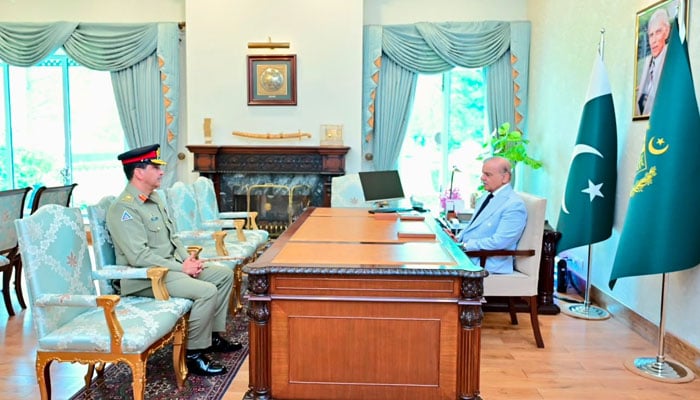
    The government has promoted Chief of General Staff Lieutenant General Amir Raza to the rank of four-star general and appointed him as Commander of the National Strategic Command. Prime Minister Shehbaz Sharif announced the promotion and new appointment, congratulating General Amir Raza, Hilal-i-Imtiaz (Military) and Sitara-i-Basalat, on taking up the senior military position. The prime minister also extended his best wishes to General Amir Raza and expressed confidence in his ability to carry out the important responsibilities associated with his new role. The promotion marks a significant step in General Amir Raza’s military career and places him in charge of a key strategic command. Prime Minister Shehbaz Sharif wished him success in fulfilling his duties and serving the country in his new capacity.

  • | |

    Four militants killed in Mastung Intelligence Oper…

    Pakistan’s security forces have intensified intelligence-based operations against militant groups in Balochistan under Operation Azm. The latest operation was carried out in the Khad Kocha area of Mastung district, where security personnel launched a targeted raid based on intelligence reports, according to security sources. During the operation, four militants allegedly associated with what security officials referred to as Fitna al-Hindustan were killed. Security sources said the operation was conducted after receiving credible information about the presence of armed militants in the area. A large quantity of weapons, ammunition and other military equipment was recovered from the militants. Officials said the recovered arms were believed to have been intended for use in future attacks. Security forces also seized several motorcycles that were reportedly being used by the militants for movement and logistical support. The vehicles have been taken into custody for further investigation. According to security sources, several other militants were injured during the exchange of fire. However, the exact number of those wounded has not been confirmed. The operation also led to the arrest of several suspected facilitators who were allegedly providing support, shelter and logistical assistance to the militants. The detained suspects are expected to be questioned as part of the ongoing investigation. Search and clearance operations are continuing across the surrounding areas to ensure that no militants remain hidden. Security forces have maintained a strong presence in the area and are closely monitoring the situation. Security officials said intelligence-based operations in Mastung have been intensified following recent militant activities in the Khad Kocha area. They added that such operations will continue to target militant networks and their support systems. According to security sources, Pakistan’s security forces remain committed to eliminating terrorism and will continue operations until peace and stability are fully restored in the region.

  • | | |

    Gulf conflict pushes oil above $100

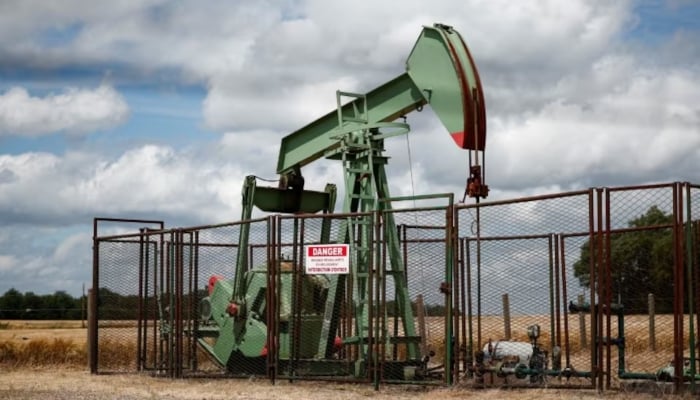
    Global oil prices continued their sharp upward trend on Friday as escalating conflict in the Gulf region raised fresh concerns about energy supplies and the outlook for the world economy. The sustained rise in crude prices has increased fears of renewed inflation, unsettled financial markets and strengthened expectations that central banks may keep interest rates higher for a longer period. Brent crude was trading at around $100 per barrel after briefly crossing $102, its highest level in nearly two months. Oil prices have climbed by almost 40% during the month, driven by growing concerns that the conflict could disrupt major shipping routes used for transporting crude oil. The latest increase comes as military tensions involving the United States, Iran and the Iran-backed Houthi movement continue to intensify. Attacks on commercial vessels in the Red Sea have heightened concerns about the safety of one of the world’s busiest maritime trade routes. At the same time, uncertainty surrounding shipping through the Strait of Hormuz has added to worries over global oil supplies. Analysts say the combination of risks to both the Red Sea and the Strait of Hormuz has significantly increased market uncertainty. Any prolonged disruption in these waterways could reduce oil exports from the Middle East and place additional pressure on global energy markets. The rise in crude prices has also revived concerns about inflation. Higher oil prices generally increase transportation, manufacturing and production costs, which can eventually lead to higher prices for goods and services. Economists warn that this could slow progress in reducing inflation across many countries. Global financial markets reacted cautiously to the latest developments. Major Asian stock markets recorded notable losses as investors worried about the combined impact of geopolitical tensions, rising energy costs and uncertainty over future economic growth. Investors increasingly shifted towards safer assets amid concerns that market volatility could continue. The outlook for monetary policy has also changed. Financial markets now expect that major central banks, including the US Federal Reserve, could delay planned interest rate cuts or even consider further rate increases if higher energy prices continue to fuel inflation.

  • | |

    SC transfers NAB cases to Constitutional Court

    The Supreme Court of Pakistan has ruled that all appeals and bail petitions filed under the National Accountability Bureau (NAB) law will now be heard by the Federal Constitutional Court. The judgment clarifies that the Supreme Court no longer has jurisdiction over these matters following amendments made to the accountability law earlier this year. In its detailed written verdict, the court stated that the legal amendments introduced to the NAB law have transferred the authority to hear appeals and bail applications from the Supreme Court to the Federal Constitutional Court. The judges observed that Sections 32 and 32A of the amended NAB law do not empower the Supreme Court to hear such cases. The ruling further states that all pending NAB appeals and bail petitions currently before the Supreme Court will automatically be treated as transferred to the Federal Constitutional Court under the relevant constitutional provisions. This means future proceedings in accountability cases will be conducted by the newly established constitutional forum. The decision also has significant implications for the founder of Pakistan Tehreek-e-Insaf (PTI), who had challenged a High Court decision regarding his bail before the Supreme Court. His petition had earlier been returned by the Supreme Court Registrar after procedural objections were raised. Following the latest judgment, his bail application will now be heard by the Federal Constitutional Court. The question of jurisdiction emerged during proceedings in another pending NAB case before the Supreme Court. During the hearing, the bench examined whether the court could continue hearing accountability matters after the recent amendments to the NAB law. The amendments, enacted on March 5, 2026, reassigned the authority to hear NAB appeals and bail petitions to the Federal Constitutional Court through Section 32A of the amended law. The changes were introduced as part of broader judicial and constitutional reforms. The case was heard by a three-member bench headed by Justice Muhammad Ali Mazhar, with Justice Musarrat Hilali and Justice Shahid Bilal Hassan as members of the bench. During the proceedings, the petitioner’s counsel argued that the Supreme Court should retain the power to hear bail applications in NAB cases. He referred to an earlier post-amendment decision in which the Supreme Court had granted bail in an accountability matter. Attorney General Mansoor Usman Awan, representing the federal government, argued that all NAB appeals and bail petitions should now be heard exclusively by the Federal Constitutional Court. He maintained that different stages of the same case could not be heard simultaneously by two separate courts, as this would create legal complications and procedural inconsistencies.

  • | |

    14 security personnel martyred, 27 injured in suic…

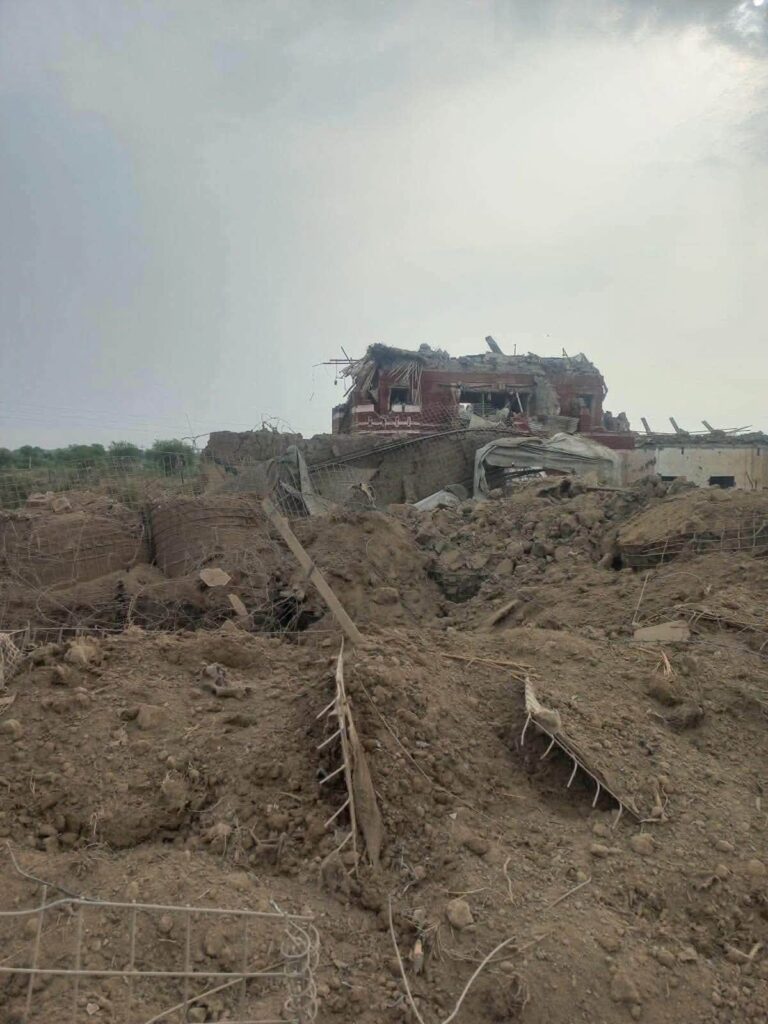
    TANK: At least 14 security personnel were martyred and 27 others injured in a major suicide attack on the Manjhi Khel Joint Check Post in Tank district after terrorists rammed an explosives-laden vehicle into the facility late Thursday night, triggering a massive blast. According to security and police sources, the powerful explosion caused extensive destruction to the check post, completely demolishing seven to eight rooms and damaging nearby houses. Shortly after the blast, an intense exchange of gunfire erupted between the attackers and security forces and continued for a considerable period. Sources said all attackers were killed during the ensuing security operation. A clearance and search operation remains underway as authorities continue removing debris and recovering bodies. The martyred personnel reportedly include two police officials, seven members of the security forces, and one Forest Guard. Among the police personnel who embraced martyrdom were Constable Bilal and driver Tala Muhammad. The injured include four police officials Constable Ismatullah Akbari, Constable Jasim, Constable Muhammad Dawood, and Constable Pir Ghulam along with other security personnel. All the wounded were shifted to the District Headquarters Hospital, Tank, for medical treatment. According to sources, two of the attackers were wearing uniforms resembling those of the Pakistan Army in an apparent attempt to deceive security personnel. Preliminary information suggests the suicide attack was carried out using a Datsun/Mazda vehicle loaded with approximately 1,500 kilograms of explosives. Sources also claimed that a white Toyota Corolla GLi was used by the attackers, apparently to facilitate their movement after the explosion. Following the attack, security forces cordoned off the area and launched a large scale search and clearance operation. Officials are collecting evidence to determine the full circumstances of the attack. However, an official statement confirming the casualty figures and operational details is still awaited. Meanwhile, the funeral prayers for the martyred personnel are expected to be attended by Inspector General of Khyber Pakhtunkhwa Police Zulfiqar Hameed and Chief Secretary Khyber Pakhtunkhwa Syed Shahab Ali Shah. In response to the security situation, the district administration has imposed a district-wide curfew in Tank from 6:00 a.m. to 6:00 p.m., with all entry and exit routes to the city closed until further notice. Authorities have urged residents to cooperate with law enforcement agencies and avoid unnecessary travel during the curfew.