US-Israel War on Iran

  • | |

    Iran says US violated Islamabad MoU

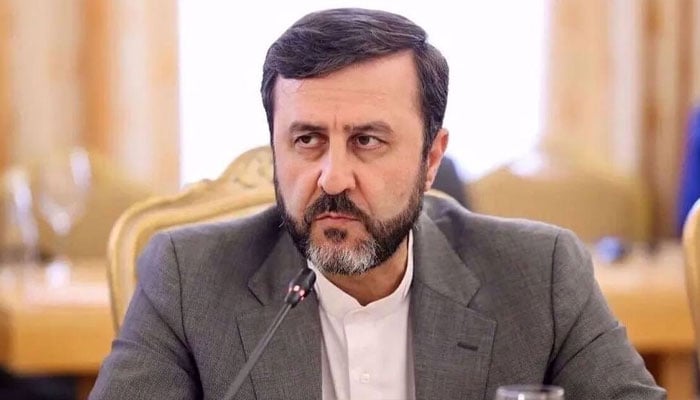
    Iranian Foreign Minister Abbas Araghchi has accused the United States of violating the Islamabad Memorandum of Understanding, saying the agreement called for an end to the war, rather than a 60-day ceasefire that would require an extension. In an interview with ISNA, Araghchi said the memorandum declared an end to hostilities and blamed Washington for the subsequent resumption of fighting. He clarified that the 60-day period mentioned in the agreement referred to negotiations aimed at reaching a final settlement, not a temporary ceasefire. Araghchi said Qatar and Pakistan, which acted as mediators, continue to exchange messages with Tehran and remain in contact with Iranian officials. However, he stressed that Iran has not yet decided to resume negotiations with Washington. On the Strait of Hormuz, Araghchi said Iran and Oman were continuing discussions on its management. He described the issue as separate from the Islamabad MoU and said Iran was working on a temporary route that could eventually become permanent. Meanwhile, Iranian Deputy Foreign Minister for Legal and International Affairs Kazem Gharibabadi rejected US President Donald Trump’s claims about the Strait of Hormuz. Writing on X, Gharibabadi said Iran would not surrender control of the strategic waterway because of threats, military displays or political statements. He stressed that Iran does not fear US pressure and retains authority over the Strait.

  • | | | |

    Houthi attack on Yemen’s Mokha leaves six dead

    MOKHA: A Houthi attack on Yemen’s Red Sea port city of Mokha has killed six people, including two security personnel, according to a military official from Yemen’s internationally recognised government. The attack, which took place on Friday, targeted commercial vessels unloading cargo at the port, raising fresh concerns over the security of maritime activity along one of the world’s most strategically important shipping routes. The military official said the Iran-aligned Houthi group fired five missiles at the vessels. The strikes reportedly hit the port area and caused fires to break out aboard two ships. The attack comes as tensions continue to rise across Yemen, with Houthi forces increasingly targeting areas controlled by the internationally recognised government. The latest violence has also added to concerns over the safety of commercial shipping operating near the Red Sea and Bab el-Mandeb Strait. Mokha, historically known as Mocha, is located on Yemen’s western coast near the Bab el-Mandeb, a narrow maritime passage linking the Red Sea with the Gulf of Aden. Its location gives the port significant importance for regional trade and shipping. The latest incident follows a series of Houthi attacks in and around Yemen’s government-held territories and against commercial vessels. The United Nations has warned that Yemen is at increasing risk of a return to wider conflict, with military activity intensifying despite the fragile calm that followed the 2022 truce. The renewed attacks have also raised fears of further disruption to international shipping. Maritime authorities continue to warn commercial operators about missile, drone and other threats in the southern Red Sea, Bab el-Mandeb and Gulf of Aden. Details about the identities of those killed and the extent of damage to the vessels were not immediately available. The attack is likely to further deepen concerns about Yemen’s fragile security situation and the growing risks facing civilian and commercial activity along its Red Sea coastline.

  • | | |

    Iran says Hormuz cannot be seized by ‘tweet or w…

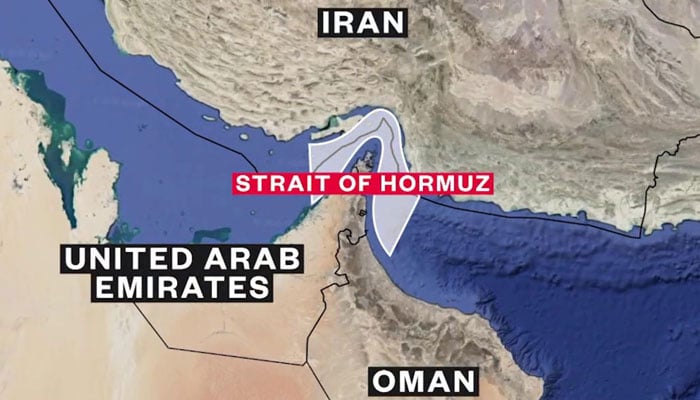
    Iran has rejected US threats over the strategically vital Strait of Hormuz, with Deputy Foreign Minister Kazem Gharibabadi declaring that the waterway cannot be taken over through a presidential order, social media post, aircraft carrier or election speech. Gharibabadi’s remarks came after US President Donald Trump threatened to declare the Strait of Hormuz US territory, according to Iranian media reports. The comments have added another layer of tension to an already volatile confrontation between Washington and Tehran. Writing on X, Gharibabadi said the strategic waterway could not be brought under American control through political statements or military pressure. He argued that decisions concerning the strait remained in Iran’s hands. “The Strait of Hormuz was, is and will remain Iranian,” Gharibabadi said, stressing that Tehran would determine when the passage could be opened or closed. The deputy foreign minister also said Iran was not intimidated by American threats and would continue its blockade until Washington acknowledged what he described as its “strategic defeats” and abandoned what he called unrealistic expectations. Trump has separately warned that he could soon announce plans to designate the Strait of Hormuz as US territory. His reported comments have intensified concerns over the future of one of the world’s most important energy corridors. The Strait of Hormuz connects the Persian Gulf with the Gulf of Oman and the wider Arabian Sea. A major disruption to traffic through the narrow waterway could have significant consequences for global energy markets because substantial volumes of oil and gas pass through it. Iran’s latest statement therefore carries significance far beyond its dispute with Washington. Any prolonged confrontation around the strait could affect commercial shipping, energy supplies and international markets. The exchange of threats also highlights the broader strategic struggle between Iran and the United States, with both sides showing little sign of backing down. For Tehran, the message is clear: control of Hormuz is being presented as a matter of sovereignty and national security, while Washington’s threats are being dismissed as insufficient to alter Iran’s position.

  • | | | |

    Two UAE-linked ships attacked in Strait of Hormuz,…

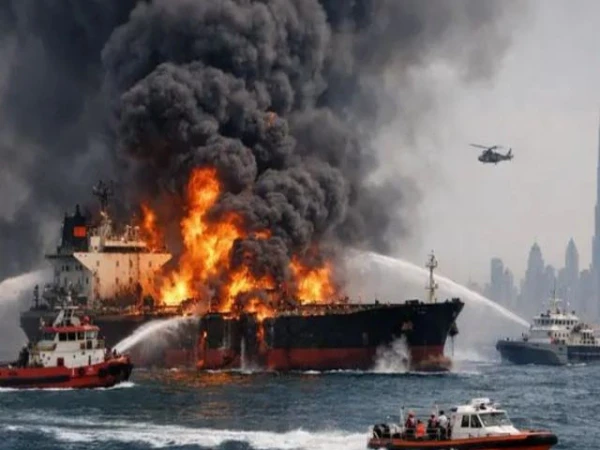
    DUBAI: Two vessels belonging to Abu Dhabi National Oil Company (ADNOC) were attacked while passing through the Strait of Hormuz on Thursday evening, according to the UAE state news agency WAM and ADNOC. No injuries or deaths were reported. ADNOC said the situation had been brought under control and that authorities were managing the incident. The company did not immediately provide detailed information about the vessels, their cargoes or the extent of any damage. The United Arab Emirates has accused Iran of carrying out the attack, while Tehran has not immediately commented on the allegation. The UAE Foreign Ministry condemned what it described as a hostile Iranian attack and said targeting commercial shipping posed a threat to regional stability and global energy security. The incident is the latest in a series of attacks involving ADNOC-linked vessels in the strategic waterway. The company said earlier this month that 15 of its vessels had been attacked by missiles and drones since the conflict began, with one crew member killed and 20 injured in previous incidents. ADNOC said the safety and wellbeing of its crews, particularly maritime workers, remained its highest priority. It also stressed the importance of maintaining safe navigation and freedom of movement through the Strait of Hormuz. The latest attack comes as shipping traffic through the waterway remains well below normal levels amid heightened tensions between Iran and the United States. Kpler data showed that only nine commodity vessels passed through the strait on Thursday, compared with an August daily average of about 12. The Strait of Hormuz, located between Iran and Oman, is one of the world’s most important energy chokepoints. Before the current conflict, roughly one-fifth of global oil and liquefied natural gas shipments passed through the narrow waterway. Repeated attacks and growing security concerns have forced shipping companies to reassess routes, while some vessels have delayed or avoided transit altogether. ADNOC urged the public to rely only on official and verified information about the latest incident and avoid spreading rumours or unconfirmed claims. With tensions still high around the waterway, the latest attack has renewed concerns over the safety of commercial shipping and the potential impact on global energy markets.

  • | |

    US vows unprecedented economic pressure on Iran

    WASHINGTON: The United States hUS vows unprecedented economic pressure on Iranas warned that it will introduce an unprecedented package of economic measures against Iran as Washington prepares to intensify pressure on Tehran amid stalled ceasefire negotiations and rising tensions around the Strait of Hormuz. US Treasury Secretary Scott Bessent said further announcements were expected next week, describing the planned measures as unlike anything previously used against a country facing economic isolation. Bessent said the new strategy would combine tougher economic restrictions with continued efforts to prevent Iranian ports from receiving or sending goods. He indicated that Washington intended to use economic pressure alongside restrictions on maritime traffic through the strategic Strait of Hormuz. US Defence Secretary Pete Hegseth, meanwhile, said the American military was capable of maintaining a naval presence in the region for an indefinite period to enforce the blockade. He said US naval vessels could be rotated in and out of the region to sustain the operation. The confrontation comes as attempts to revive a ceasefire agreement have faltered. Iran has sought to use its position around the Strait of Hormuz as leverage against Washington, while the United States has continued to tighten economic pressure on Tehran. The waterway has become a major flashpoint because of its importance to global energy supplies. Before the conflict began, roughly one-fifth of the world’s oil and liquefied natural gas shipments passed through the strait. Shipping activity has since fallen sharply, raising concerns over supplies, prices and the wider global economy. Two vessels belonging to Abu Dhabi National Oil Company were also attacked while transiting the strait, according to the United Arab Emirates’ state news agency. The UAE government blamed Iran for the incident. US President Donald Trump has repeatedly claimed that Washington has control over the strategic waterway. Iran, however, has rejected that assertion and maintained that the strait will not fully reopen unless its demands are addressed. Tehran has called for the removal of economic sanctions and the release of frozen Iranian assets. The prolonged confrontation is also putting pressure on the global energy market. The International Energy Agency has revised its forecast for global oil supply, warning that production could fall by about 4.3 million barrels per day this year. Oil prices declined by more than 2% on Thursday as markets reacted to expectations of weaker demand and a rise in US crude inventories. However, renewed attacks in the region continued to fuel fears that the conflict could spread further. The economic consequences are becoming increasingly serious. Economists have warned that a prolonged war could weaken global growth and increase the risk of recession in some economies. Hegseth declined to say whether declaring a ceasefire earlier in the year had been a mistake. He said the administration remained focused on preventing Iran from obtaining a nuclear weapon and insisted that the United States was taking the steps it considered necessary to achieve that objective.

  • | | |

    Drone attack damages oil tanker in Strait of Hormuz

    A drone attack targeted an oil tanker in the Strait of Hormuz, causing minor damage to the vessel but leaving all members of the crew safe, according to the United Kingdom Maritime Trade Operations (UKMTO). The maritime security agency said the incident took place as the tanker was navigating the strategically important waterway. The drone strike caused limited damage to the vessel, but authorities reported no casualties or injuries among the crew. UKMTO also said the incident did not result in any environmental damage. There were no reports of an oil spill, leakage or other pollution following the attack, easing concerns about a possible impact on the marine environment. The Strait of Hormuz remains one of the world’s most important shipping routes, particularly for global energy supplies. Large volumes of crude oil and petroleum products pass through the narrow waterway every day, linking major oil-producing countries in the Gulf with international markets. The latest attack has once again highlighted security concerns surrounding commercial shipping in the region. Any disruption or attack involving an oil tanker in the Strait of Hormuz can raise concerns about the safety of maritime traffic, insurance costs and the uninterrupted movement of energy supplies. Authorities continue to monitor the situation and advise commercial vessels operating in the area to remain alert to potential security threats.

  • | | |

    X blocks Houthi military spokesman Yahya Saree’s…

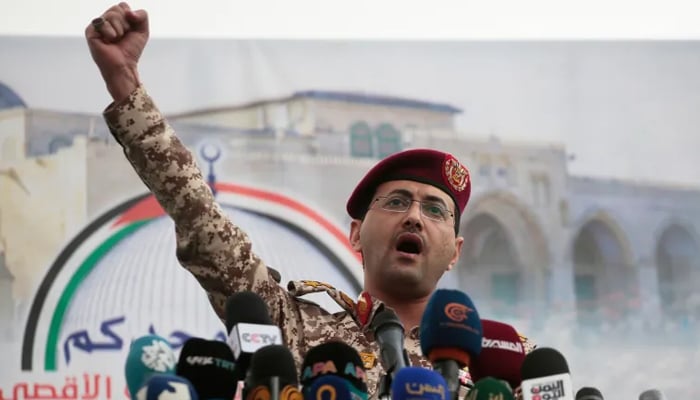
    SANAA: Social media platform X has reportedly suspended the account of Houthi military spokesman Yahya Saree, removing an important online channel used to communicate statements and announcements by the Yemen-based group. The account had more than 121,500 followers and was widely used for posts concerning the Houthis’ military activities and claims of attacks in the Red Sea and surrounding waters. According to the report, visitors to the account were shown an “Account Suspended” notice. X’s standard message on suspended accounts says the platform takes action against accounts that violate its rules. The specific reason for the suspension was not immediately clear. Saree has been a prominent public voice for the Houthi movement, frequently appearing in televised statements and issuing announcements concerning military operations. His statements have included claims about attacks on vessels in the Red Sea as well as operations targeting Saudi Arabia and other regional adversaries. The suspension could therefore affect one of the group’s most visible channels for communicating directly with its supporters and the wider public. Saree’s online presence has faced restrictions before. His earlier Twitter account was suspended in 2022, after which another account was created for continued communication. Historical reporting also shows that Houthi-affiliated accounts have faced changes to their verification status and other platform restrictions. The latest reported action comes amid continuing tensions surrounding Yemen and the Red Sea, where Houthi attacks on shipping have drawn international attention. The group has repeatedly said its operations are linked to the wider regional conflict and has issued statements claiming responsibility for attacks against vessels. The Houthis’ military statements are often closely watched because they provide the group’s own account of operations, although claims about attacks and damage are not always independently verified. The reported suspension also raises broader questions about how social media platforms handle accounts belonging to armed groups and their spokespeople, particularly when those accounts are used both for political messaging and military announcements. While the immediate reason for the latest action remains unclear, the removal of Saree’s account could make it more difficult for the Houthi movement to communicate through one of its established social media channels. For now, attention is likely to remain on whether X provides a specific explanation for the suspension and whether Saree or the Houthi authorities establish another account to continue distributing official statements.

  • | | | |

    Iran FM accuses West of ‘shameful hypocrisy’

    Iran FM accuses West of ‘shameful hypocrisy’Iranian Foreign Minister Abbas Araghchi has sharply criticised France and other Western countries over their stance on human rights and Iran’s treatment of protesters. Araghchi accused Western governments of adopting double standards by condemning Tehran over its response to domestic unrest while, in his view, failing to take meaningful action over Israel’s conduct in Gaza and the wider Middle East. In a statement on X, the Iranian foreign minister said countries such as France should stop giving lectures to others on human rights and international law. He described what he called Western hypocrisy as both “clear and shameful,” arguing that their policies had undermined their claims of moral authority. Araghchi also criticised Western support for Israel, saying that backing Israel during the Gaza conflict and what he described as aggression against Iran had damaged the credibility of Western governments on human rights issues. His comments came after the European Union and 20 other countries issued a joint statement expressing concern over the deaths of protesters in Iran. The countries called on the Iranian authorities to take meaningful measures to protect human rights. They also urged Tehran to end the use of the death penalty and release people who had allegedly been detained arbitrarily. Araghchi rejected the criticism and questioned the consistency of Western governments’ positions on human rights. The dispute highlights growing tensions between Iran and Western nations over the treatment of protesters, the use of capital punishment and the broader conflict in the Middle East. Iran has repeatedly accused Western governments of interfering in its internal affairs and applying selective standards to international human rights issues. Western governments, meanwhile, have continued to raise concerns about the treatment of protesters and detainees in Iran.

  • | | | |

    Norway praises Pakistan’s role in US-Iran peace …

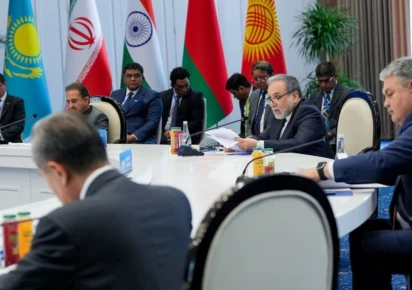
    Norway has praised Pakistan for playing an important and constructive role in efforts to promote dialogue between the United States and Iran amid rising tensions in the Middle East. The appreciation came during Norwegian Foreign Minister Espen Barth Eide’s visit to Islamabad, where he held talks with Deputy Prime Minister and Foreign Minister Ishaq Dar. The Norwegian foreign minister arrived in Pakistan on Thursday for a two-day visit, marking the first visit by a Norwegian foreign minister to the country in around a decade. During delegation-level discussions, Pakistan and Norway reviewed bilateral relations and discussed ways to expand cooperation in several areas, including trade, investment, climate change, renewable energy, maritime affairs and education. The two sides also discussed regional and international developments, with particular attention to the situation in the Middle East. Eide praised Pakistan’s diplomatic efforts during the recent US-Iran conflict. He specifically acknowledged the contributions of Prime Minister Shehbaz Sharif, Foreign Minister Ishaq Dar and Chief of Army Staff Field Marshal Syed Asim Munir in efforts aimed at promoting peace. The Norwegian foreign minister described the ongoing regional conflict as a serious threat to global peace and the international economy. He said Pakistan had taken an important step by engaging with the parties involved and facilitating dialogue. Eide also welcomed Pakistan’s role in hosting and facilitating talks in Islamabad. He said the country’s diplomatic engagement had strengthened its position on the international stage, particularly in peacebuilding efforts. Norway, he added, was prepared to support Pakistan wherever it could contribute to peace initiatives. He noted that Oslo had considerable experience in peace negotiations and maintained communication channels with both Tehran and Washington. The two countries also discussed maritime security and developments concerning the Strait of Hormuz. Eide said Norway’s experience as a major maritime nation could allow it to contribute constructively to discussions on international maritime law and regional maritime issues. Pakistan and Norway also agreed to strengthen economic and people-to-people ties. Eide said Norwegian companies were increasingly exploring opportunities in Pakistan, particularly in the energy and fertiliser sectors. He also highlighted the potential for greater economic cooperation involving Switzerland and Iceland. The Norwegian minister praised the Pakistani community in Norway, saying its integration into Norwegian society had played an important role in strengthening relations between the two countries. The Foreign Office said both sides expressed satisfaction with the friendly nature of Pakistan-Norway relations and agreed to expand cooperation in areas of mutual interest. The visit is also expected to build on recent high-level contacts between the two countries, including discussions between Dar and Eide earlier this year and a visit by Norway’s state secretary to Islamabad in May.

  • | | |

    Prolonged Iran mission puts US sailors under pressure

    The prolonged deployment of the US aircraft carrier USS Abraham Lincoln in connection with the Iran conflict has raised concerns over the mental health and wellbeing of personnel serving aboard the vessel. US media reports say several sailors allegedly attempted to jump overboard during the carrier’s extended deployment in the region. According to reports, the carrier has remained at sea for more than 250 days, with around 5,000 sailors and Marines reportedly deployed aboard the vessel. The long period without a regular port visit has reportedly placed additional pressure on crew members. A sailor’s wife was quoted as saying that her husband attempted to jump from the carrier after struggling with the impact of prolonged and continuous duty. Reports also claim that crew members intervened in several incidents and prevented personnel from going overboard. The reports have raised wider concerns about the conditions faced by sailors during the extended deployment. Some US media outlets have also reported shortages of food and other basic supplies aboard the carrier. The situation has prompted US lawmakers to call for an investigation into the reported incidents and the overall conditions aboard the ship. Senators have sought information about the deployment, including the mental health of personnel, crew fatigue, living conditions and the impact of the prolonged mission on operational readiness. The US Navy, however, has rejected claims of a rise in suicide attempts or mental health problems among personnel aboard the carrier. The Navy has maintained that it continues to monitor the wellbeing of sailors and provide appropriate support during the deployment. The USS Abraham Lincoln’s extended mission comes amid continuing US military operations and heightened tensions involving Iran and the wider Middle East. The carrier’s unusually long deployment has also sparked questions about how long the US Navy can maintain such an operational tempo without affecting crew welfare, equipment maintenance and future readiness. The reported incidents have intensified scrutiny of the human cost of prolonged military deployments, particularly for personnel spending months at sea without regular opportunities for rest and recovery