देश-विदेश

  • |

    PNS Taimur rescues 19 fishermen in Arabian Sea

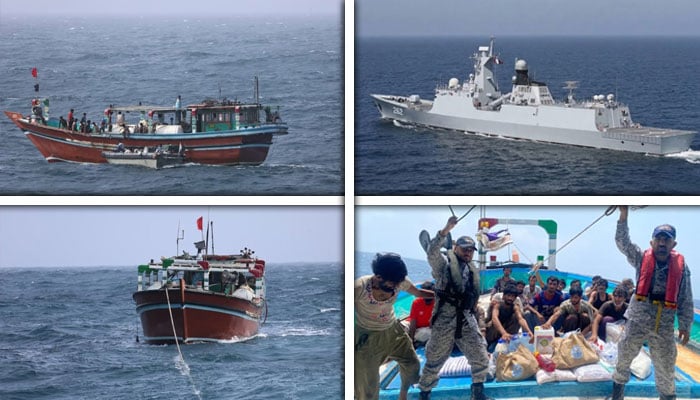
    The Pakistan Navy successfully rescued 19 fishermen stranded in the northern Arabian Sea after their fishing boat developed an engine failure, officials said. Pakistan Navy ship PNS Taimur carried out the rescue operation after the fishing vessel became stranded around 120 nautical miles south of Gwadar. The boat was carrying 19 people, including 11 Pakistani nationals and eight Iranian citizens. The Joint Maritime Information Coordination Centre (JMICC) contacted the Pakistan Navy and requested assistance after the vessel ran into trouble at sea. In response, PNS Taimur launched a search and rescue operation and reached the stranded fishermen. Pakistan Navy personnel provided the fishermen with essential supplies, including food and drinking water, while also offering medical assistance to those on board. The naval crew then helped move the fishing boat safely towards the coast, ensuring that all 19 individuals reached safety. The successful operation highlights the Pakistan Navy’s role in protecting lives at sea and responding swiftly to maritime emergencies in the region. The rescue also reflects the Navy’s commitment to fulfilling its humanitarian responsibilities and supporting fishermen facing difficulties in challenging conditions. President Asif Ali Zardari praised the Pakistan Navy for safely rescuing the stranded fishermen and commended the personnel involved in the operation. The president said the safe rescue of both Pakistani and Iranian nationals demonstrated the Pakistan Navy’s high level of professionalism and operational capability. He also described the mission as a clear example of the Navy’s commitment to protecting human lives at sea and fulfilling its national and international responsibilities. The rescue operation also underscored the importance of coordinated maritime response efforts, with the JMICC and Pakistan Navy working together to provide timely assistance to the distressed fishing crew.
  • | | | |

    Iran vows retaliation after fresh US strikes

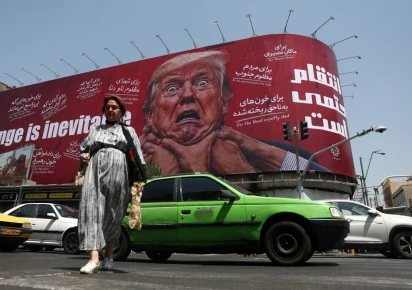
    Iran has vowed to retaliate after the United States launched fresh overnight air strikes on multiple locations across the country, further escalating the conflict that has increasingly drawn several Middle Eastern nations into the fighting. The Islamic Revolutionary Guard Corps (IRGC) issued a strong warning, saying those responsible for the attacks would face punishment. Iranian media quoted the force as saying that the “aggressor” would be held accountable. The latest US strikes reportedly targeted several areas in southern Iran, including Bushehr province, which is home to the country’s only nuclear power plant. Explosions were also reported in Qeshm, Kish, Bandar Abbas, Abadan and other nearby locations. Iranian officials said a residential building on Qeshm Island was struck during the attacks. Local authorities confirmed that three members of the same family, including a child, were killed. Two other children from the same family were injured and shifted to hospital for treatment. The US military said the strikes were launched in response to recent Iranian missile attacks targeting American forces stationed in Jordan. Washington described the operation as a powerful response aimed at deterring further attacks on its troops in the region. The military action came shortly after US President Donald Trump warned that Iran would face severe consequences following attacks on American military facilities. Meanwhile, Jordan said its air defence systems intercepted and destroyed five Iranian missiles heading toward its territory. Officials said this was the fourth consecutive day that missiles or drones launched from Iran had been intercepted. No casualties or property damage were reported. Iran also strongly condemned recent joint US-Saudi air strikes carried out in Iraq. Tehran described the attacks as a violation of Iraq’s sovereignty and territorial integrity. It accused Washington of widening the regional conflict and expressed support for the Iraqi government. The Iraqi government also criticised the strikes and called on all parties to avoid further escalation. Iraqi officials stressed that the country should not become a battleground for regional disputes. Israeli Prime Minister Benjamin Netanyahu said it was difficult to predict Iran’s next moves regarding the Strait of Hormuz. However, he argued that alternative energy routes could eventually reduce the strategic importance of the vital shipping lane. The United Nations expressed deep concern over the renewed fighting. UN Secretary-General António Guterres urged both the United States and Iran to end hostilities and return to diplomatic negotiations. He also welcomed mediation efforts by regional countries seeking to reduce tensions. The IRGC claimed that two oil tankers attempting to sail through what it described as an unauthorised route in the Strait of Hormuz turned back after a fire reportedly broke out on one vessel. Iranian officials insisted the country maintained control over the strategic waterway and warned that restrictions would remain as long as foreign military threats continued. The United Arab Emirates also condemned drone attacks targeting Saudi oil facilities from Iraqi territory, calling them a serious violation of Saudi sovereignty and a threat to regional security. The conflict has expanded rapidly over recent days, with military activity reported in Iran, Iraq, Jordan, Egypt and the Gulf region. The growing instability has increased concerns over regional security and disrupted global energy markets. Oil prices climbed sharply as investors reacted to fears of further escalation and possible disruptions to shipping through the Strait of Hormuz, one of the world’s most important energy trade routes.

  • |

    QatarEnergy buys US LNG cargoes amid Hormuz crisis

    QatarEnergy has purchased 33 liquefied natural gas (LNG) cargoes from the United States this year to reduce supply disruptions caused by the ongoing conflict in the region and the closure of the Strait of Hormuz, according to industry sources. The LNG shipments have been arranged for key Asian markets, including South Korea, Taiwan, Bangladesh, India and Japan, as Qatar works to maintain supplies for its long-term customers. The move comes after QatarEnergy declared force majeure on some of its LNG contracts following the shutdown of shipping routes through the Strait of Hormuz. The waterway is a critical global energy corridor through which a significant portion of the world’s oil and gas supplies passes. The company’s decision to purchase additional LNG cargoes from the US represents a major increase compared with previous years. In 2025, QatarEnergy had purchased only four spot LNG cargoes, while the number has now risen sharply to 33 in 2026. The additional purchases are aimed at protecting Qatar’s reputation as one of the world’s most reliable energy suppliers and ensuring that customers continue receiving gas despite regional instability. Industry sources said the US LNG purchases represent a goodwill effort by QatarEnergy to support important Asian buyers affected by the disruption. The 33 cargoes are estimated to equal around one-third of QatarEnergy’s monthly LNG exports before the conflict and are valued at nearly $1 billion. Qatar is among the world’s largest LNG exporters, with Asia accounting for around 80% of its LNG shipments. Countries such as Japan, South Korea and India rely heavily on Qatari gas supplies for energy security. The Strait of Hormuz crisis has created uncertainty in global energy markets, forcing major producers and consumers to seek alternative supply arrangements. QatarEnergy has not officially commented on the reported LNG purchases, but the move highlights efforts by energy companies to adjust supply chains amid geopolitical tensions.

  • |

    US car leasing declines as higher costs hit buyers

    Car leasing in the United States has dropped significantly in recent years as automakers reduce incentives and consumers struggle with rising monthly payments. Before the COVID-19 pandemic, leasing accounted for nearly 30% of new vehicle deals in the US. However, the share fell sharply during the post-pandemic vehicle shortage and has not fully recovered. In the first half of 2026, leasing represented around 23% of new car transactions. Industry experts say one of the biggest reasons behind the decline is the end of attractive lease offers that previously encouraged customers to choose leasing over buying. Automakers have become less willing to provide low-cost lease deals as they focus on maintaining tighter vehicle inventories and reducing discounts. As a result, many customers returning after the end of their lease terms are facing significantly higher monthly payments. Dealers say some customers are surprised to find their next lease costing hundreds of dollars more than their previous agreement, causing many to reconsider leasing altogether. The decline in leasing has added pressure to vehicle affordability in the US market. Some buyers are now choosing longer financing plans, including loans lasting up to seven years, to manage higher vehicle prices. Leasing usually allows customers to drive newer vehicles with lower monthly payments compared with traditional financing. The average lease payment remains lower than loan payments, but industry analysts say the gap has narrowed significantly. Experts believe automakers changed their approach after the 2021–2023 vehicle shortage caused by semiconductor supply disruptions. Limited inventories helped companies reduce incentives and maintain stronger pricing power. The decline in leasing is also affecting the used-car market. Vehicles returned after three-year leases have traditionally provided dealerships with a steady supply of affordable pre-owned cars. With fewer leased vehicles coming back to the market, used-car supplies have tightened and prices have increased. Data from industry analysts shows that average prices for three-year-old used vehicles have risen substantially compared with pre-pandemic levels. Dealers warn that fewer lease customers could also weaken long-term customer loyalty, as leasing often brings buyers back to showrooms every few years for new vehicles

  • | | | |

    Iranian strike hits Chinese company building in Ku…

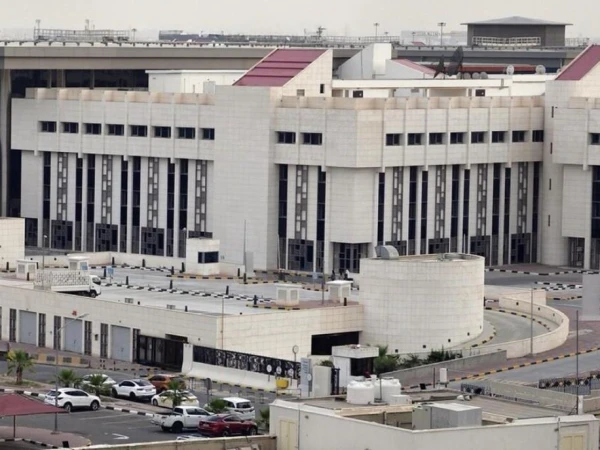
    KUWAIT CITY: A building belonging to a Chinese company in northern Kuwait was struck during an alleged Iranian attack, leaving one worker dead and causing extensive structural damage, according to Kuwait’s Ministry of Defense. The ministry confirmed the incident in an official statement on Wednesday, saying emergency response teams and security agencies were immediately dispatched to the affected site to secure the area, assess the damage, and launch rescue operations. Authorities said one worker was killed in the strike, but did not immediately disclose the victim’s identity or nationality. Officials added that investigations are continuing to determine whether there were additional casualties or injuries and to establish the full extent of the damage caused by the attack. Images from the scene showed emergency personnel working around the damaged building as security forces cordoned off the area. Officials have yet to release further details regarding the type of weapon used or the circumstances surrounding the strike. In its statement, Kuwait’s Ministry of Defense stressed that the country’s armed forces remain on high alert and are fully prepared to safeguard Kuwait’s sovereignty, territorial integrity, and national security against any external threat. The ministry also urged the public to rely only on official government statements for updates, warning citizens against spreading or believing unverified reports and rumors circulating on social media. The attack comes amid heightened regional tensions linked to the ongoing confrontation between Iran and the United States, which has fueled growing security concerns across the Gulf region. In recent weeks, military facilities, energy infrastructure, commercial shipping routes, and strategic installations have increasingly come under threat, raising fears of a wider regional escalation. Security analysts say the latest strike demonstrates how the conflict is expanding beyond its primary actors, with neighboring Gulf states facing increasing risks from the deteriorating security environment. Kuwait, which has traditionally sought to maintain balanced regional relations, now finds itself confronting the possibility of being directly affected by the broader conflict. The incident is expected to intensify security measures across the country, particularly around critical infrastructure, industrial facilities, and foreign-owned commercial sites. Regional governments have already strengthened surveillance and emergency preparedness in response to the growing threat of cross-border attacks. No immediate statement was issued by Iranian authorities regarding the alleged strike. Meanwhile, Kuwaiti officials said investigations remain underway and pledged to provide further information as more details become available. The latest incident underscores the widening regional impact of the Iran-US confrontation and highlights growing concerns that escalating hostilities could increasingly affect civilian infrastructure and foreign businesses operating across the Gulf.

  • |

    India files charges against 13 in medical exam paper leak case

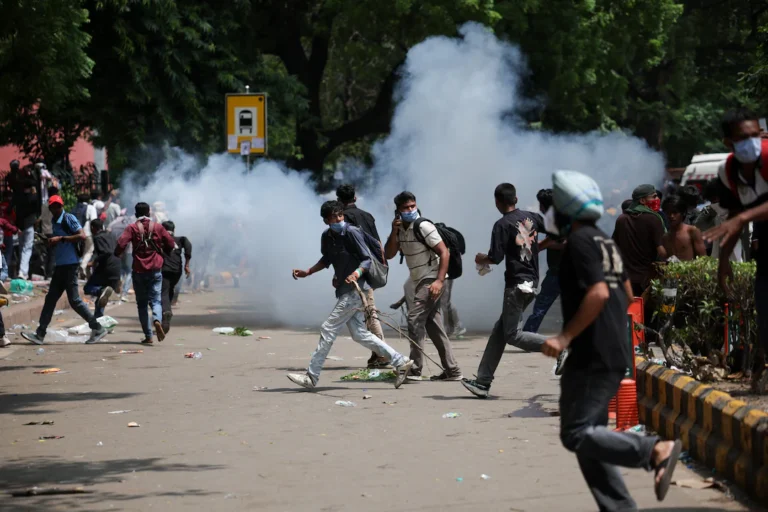
    India’s federal investigation agency has filed charges against 13 people accused of involvement in the leak of question papers for the country’s national medical entrance examination, following weeks of protests over the scandal. The Central Bureau of Investigation (CBI) said the accused include subject experts linked to the National Testing Agency, intermediaries who allegedly distributed leaked papers, and individuals associated with coaching institutes. The charges include criminal conspiracy, cheating, breach of trust, and destruction of evidence. All 13 accused are currently in custody, according to the investigation agency. The case relates to the National Eligibility cum Entrance Test (NEET), which was taken by nearly two million students in May. The examination was cancelled after allegations emerged that questions had been leaked in several areas. A fresh test was later conducted on June 21. The controversy triggered nationwide protests led by students and young activists, with thousands gathering in New Delhi and other cities demanding accountability. The demonstrations intensified after protesters marched towards parliament and faced clashes with police. The unrest eventually led to the resignation of Education Minister Dharmendra Pradhan, who stepped down after mounting pressure over the handling of the examination crisis. India’s Supreme Court has also intervened in the matter, ordering authorities not to take strict action against protesters and directing the release of detained minors. The court further instructed officials to preserve surveillance footage related to alleged police action during demonstrations. In response to the controversy, Prime Minister Narendra Modi’s government has introduced proposed amendments to public examination laws. The changes seek tougher punishments, including longer prison sentences and heavier fines for those involved in exam fraud. Under the proposed rules, those found guilty could face imprisonment of up to 10 years and fines reaching 50 million Indian rupees.

  • | |

    Saudi Defense Minister holds urgent talks with Trump

    Saudi Defense Minister Prince Khalid bin Salman held an urgent meeting with US President Donald Trump as Riyadh sought to convey a special message from Saudi Crown Prince Mohammed bin Salman to the American leadership, according to US media reports. The meeting came amid heightened tensions in the Middle East, with Saudi Arabia reportedly pushing for de-escalation while also stressing its readiness to defend its territory and interests. Earlier, during a meeting with US Vice President JD Vance, Prince Khalid said Saudi Arabia wanted to reduce tensions with Iran. He reportedly argued that Iran-backed Iraqi militias had crossed a red line by attacking critical infrastructure and energy facilities, leaving Riyadh with no choice but to respond. However, the Saudi defense minister stressed that the military action in Iraq did not reflect a desire to escalate the regional conflict. He said the operation aimed to demonstrate that Saudi Arabia remains prepared to defend itself when necessary. Prince Khalid also reportedly told Vance that Israeli Prime Minister Benjamin Netanyahu was pushing for greater confrontation with Iran, while Saudi Arabia preferred a path of de-escalation, which it considers more beneficial for regional stability and its own interests. According to US media reports citing sources familiar with the discussions, Saudi Arabia also intended its strikes in Iraq to send a message to Yemen’s Houthi movement. Prince Khalid reportedly told the US vice president that Saudi Arabia has the capability to deal with the Houthis on its own and does not currently need direct US intervention on the issue. The Saudi defense minister also said Riyadh continues to engage in talks with the Houthis, indicating that Saudi Arabia remains open to diplomatic efforts alongside its military preparedness. The meetings highlight Riyadh’s attempt to balance military deterrence with diplomatic engagement as tensions involving Iran, Israel, Iraqi militias and the Houthis continue to shape the security situation across the region.

  • | | | |

    US strikes IRGC bases after Iran missile attack

    The Middle East moved a step closer to a broader regional conflict after the United States launched large-scale airstrikes against dozens of Islamic Revolutionary Guard Corps (IRGC) facilities across Iran in retaliation for Tehran’s ballistic missile attack targeting American forces stationed in the region. According to the US Central Command (CENTCOM), the operation targeted military command centers, drone infrastructure, weapons depots and other strategic IRGC installations during a coordinated two-hour campaign. US officials said the strikes were intended to weaken Iran’s ability to threaten American troops, commercial shipping lanes and allied Gulf nations. Iranian state media reported that at least three people were killed during strikes on Qeshm Island, while authorities vowed that the country would continue defending its territory against what it described as “American aggression.” The crisis quickly spread beyond Iran’s borders. Jordan announced that its air defence systems intercepted five missiles following Iran’s confirmed launch toward US military installations in the kingdom. Washington maintained that all missiles directed at American bases were successfully intercepted, preventing casualties among US personnel. In another major development, US and Saudi forces carried out coordinated strikes against Iran-backed armed groups operating in eastern Iraq after drone attacks launched from Iraqi territory targeted Saudi oil facilities. The joint operation marked the first publicly acknowledged military action conducted together by Washington and Riyadh against Iran-aligned militias. Regional instability deepened further after a fire broke out aboard a US-owned gas storage tanker at Egypt’s Mediterranean port of Damietta. Although maritime security experts suggested the blaze may have resulted from a drone strike, Egyptian officials confirmed only the fire and said investigations into its cause were continuing. The latest escalation comes against the backdrop of months of confrontation between Iran, the United States and Israel. Fighting resumed after disputes over the strategically important Strait of Hormuz ended a short-lived ceasefire reached in June. US President Donald Trump reiterated that America would respond decisively to attacks on its forces while insisting diplomatic efforts remained active. However, continued military exchanges around the Strait of Hormuz have complicated negotiations and increased concerns over global energy supplies. Iran has claimed it targeted three tankers attempting to pass through what it called an unauthorized route in the strait, while rejecting an Omani-backed proposal supported by Gulf states for joint management of the crucial waterway. The conflict has also rattled global energy markets, with Brent crude prices climbing above $90 per barrel before easing later in trading. Meanwhile, Iraq’s Iran-backed Popular Mobilisation Forces said at least 20 of their fighters were killed in the US-Saudi strikes, prompting Baghdad to condemn the attacks as a violation of its sovereignty while urging all armed groups to halt cross-border military operations. Saudi Arabia has also intensified diplomatic efforts, with Defence Minister Prince Khalid bin Salman meeting US Vice President JD Vance in Washington to urge restraint. Saudi officials reportedly warned that expanding military operations against Yemen’s Houthis and Iran-backed militias in Iraq could trigger unpredictable consequences across the Middle East, highlighting growing fears that the conflict could widen even further.

  • | | | |

    US launches heavy strikes on Iran after missile at…

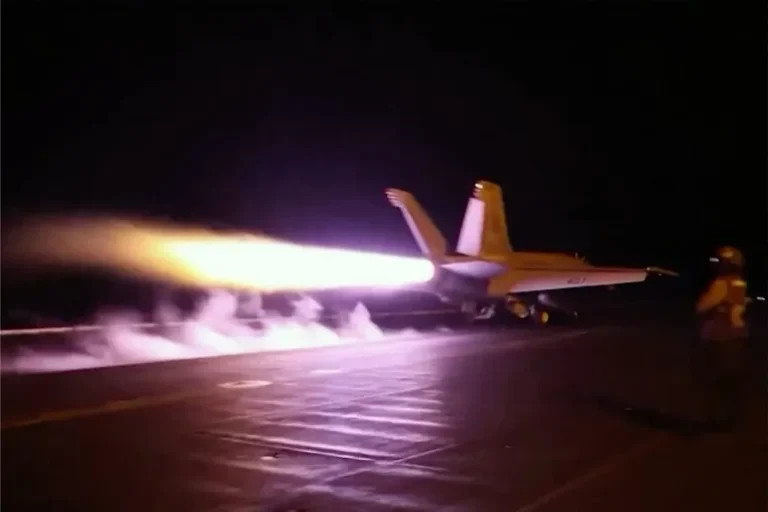
    The United States has resumed large-scale military operations against Iran, launching what officials described as a “heavy wave” of precision strikes after a five-night pause, dramatically escalating tensions across the Middle East and raising fresh concerns over the security of the Strait of Hormuz. According to the US Central Command (CENTCOM), the overnight operation targeted dozens of sites linked to Iran’s Islamic Revolutionary Guard Corps (IRGC), including military command centres, missile and drone facilities, coastal defence systems and maritime infrastructure. The strikes came in response to Iranian missile attacks a day earlier on American forces stationed at a US military base in Jordan. US President Donald Trump had warned that Washington would respond “very hard” to any attack on American troops, and the latest operation marked one of the most extensive US offensives since the conflict intensified earlier this year. Iranian state media reported that at least three civilians were killed in the strikes, including a couple and their two-year-old child after a residential building on Qeshm Island was hit. The IRGC also confirmed that three of its personnel were killed during the attacks. Explosions were reported across several southern Iranian cities, including Ahvaz, Abadan, Bushehr, Kazerun and Farashband. Iranian media said power outages affected parts of Ahvaz following strikes in the oil-rich Khuzestan province, while local officials confirmed that multiple locations in Abadan had also been targeted. The confrontation quickly spread beyond Iran. Jordan said its air defence systems intercepted five Iranian missiles launched toward its territory after Tehran targeted a US airbase and command headquarters inside the kingdom. No casualties were reported. Meanwhile, Kuwait confirmed that an Iranian strike hit a building belonging to a Chinese company in the country’s north, killing one worker and causing significant damage. Saudi Arabia condemned Iran’s attacks on Jordan, describing them as a violation of international law and regional stability. Despite the renewed fighting, diplomatic contacts continue behind the scenes. Pakistan’s Foreign Ministry said negotiations between Tehran and Washington remain active, particularly over the Strait of Hormuz and efforts to reduce tensions. Iranian officials also confirmed that discussions with Omani mediators regarding the future of the strategic waterway are continuing. The Strait of Hormuz remains at the heart of the crisis. Iran insists the waterway remains closed because of US military actions, while Washington accuses Tehran of threatening global shipping and using maritime pressure to strengthen the IRGC’s influence. Adding economic pressure, the US Treasury imposed fresh sanctions on two Iranian companies accused of supporting an IRGC-backed maritime insurance network. Security analysts say Washington now faces a critical decision: continue targeting Iran’s military infrastructure around Hormuz or expand attacks on key national infrastructure. While the latest strikes signal a tougher military posture, experts believe both sides still have incentives to leave the door open for diplomacy, even as the risk of a wider regional war continues to grow.

  • |

    Court summons former Lebanon Central Bank governor

    Lebanese judicial authorities have issued a court summons for former Central Bank governor Riad Salameh after he failed to appear at a scheduled hearing in a high-profile financial corruption case, marking another major development in one of the country’s most closely watched legal investigations. According to a judicial source, prosecutors ordered security forces to locate Salameh at his residence and escort him to Beirut’s Palace of Justice after he did not attend Thursday’s hearing. The case stems from a complaint filed by current Central Bank Governor Karim Soueid, who has accused his predecessor of embezzlement of institutional funds, illicit enrichment and money laundering. Salameh, 76, led Lebanon’s central bank from 1993 until July 2023, overseeing the country’s monetary policy for three decades. Once regarded as one of the Middle East’s most influential financial figures, he later became a central figure in the controversy surrounding Lebanon’s devastating financial collapse. The Central Bank has alleged that it was the victim of an embezzlement scheme involving several hundred million euros, claiming the funds were misappropriated by Salameh with assistance from individuals close to him. However, the former governor has repeatedly denied all allegations, insisting he has committed no wrongdoing. The first hearing in the case took place in June at Salameh’s home because of his reported health condition, where he was questioned by an investigating judge. On Thursday, former banking executive Samir Hanna appeared before the court in connection with the same investigation, while Salameh remained absent. The former governor has faced growing legal pressure both inside Lebanon and abroad. He was arrested in September 2024 over allegations that he embezzled $44 million from the institution he once headed. After spending a year in detention, he was released on bail exceeding $14 million, one of the largest ever imposed in Lebanon, but remains banned from leaving the country. International investigations have also intensified. French authorities issued an international arrest warrant for Salameh in 2023, while prosecutors in Paris continue examining allegations linked to cross-border financial transactions. In May this year, the Swiss subsidiary of British banking giant HSBC was formally indicted as investigators examined claims that it may have facilitated financial activities connected to the former governor. The latest court summons underscores Lebanon’s efforts to pursue accountability for the country’s prolonged financial crisis. As investigations continue at home and overseas, the case against Salameh remains one of the most significant legal battles tied to Lebanon’s economic collapse, with many citizens viewing it as a crucial test of the country’s commitment to transparency and judicial reform.