देश-विदेश

  • |

    Saudi Arabia says It seeks strong ties with Iraq

      Riyadh:A senior Saudi government official has reaffirmed the Kingdom’s commitment to maintaining strong and friendly relations with Iraq, stressing that recent airstrikes carried out in Iraqi territory were directed solely at armed militia groups and not at the Iraqi government or its people. According to Arab media reports, the official said Saudi Arabia values its relationship with Iraq and remains committed to strengthening cooperation between the two neighboring countries. He emphasized that the military operation was not intended to undermine Iraq’s sovereignty or harm its citizens, but was instead a response to growing security threats posed by armed militias operating inside the country. The Saudi official stated that the airstrikes specifically targeted the military capabilities of armed militia groups that the Kingdom believes have threatened Saudi national security. He alleged that these militias had launched attacks against key Saudi civilian infrastructure and important economic facilities, including petroleum installations that are vital to the country’s economy. According to the statement, the military operation was carefully planned and limited to militia weapons depots and military storage facilities. Saudi Arabia maintained that these locations were being used to store weapons and launch attacks against strategic sites inside the Kingdom. The official added that the response came only after several months of restraint and patience, during which Saudi authorities had sought to avoid military escalation. The official further accused the militia groups of harming not only Saudi Arabia’s security but also Iraq’s own national interests. He argued that these organizations have damaged Iraq’s relationships with neighboring Arab and Islamic countries by using Iraqi territory and resources as a base for hostile activities against other states. He also claimed that the militias have attempted to weaken Iraq’s diplomatic standing by drawing the country into regional conflicts. According to the Saudi government, the actions of these armed groups threaten regional stability and undermine efforts to promote peace, security, and economic cooperation across the Middle East. Saudi Arabia reiterated that its objective is to protect its national security while preserving positive relations with the Iraqi government. The official emphasized that Riyadh supports Iraq’s sovereignty, stability, and development, and hopes to continue working with Baghdad to address common security challenges through cooperation and dialogue. The statement comes after military strikes carried out on July 29, when United States and Saudi forces reportedly targeted sites linked to alleged Iranian-backed militias in Iraq. According to available reports, the attacks resulted in the deaths of 20 people and left 32 others injured. The strikes have intensified regional tensions and drawn widespread international attention, with concerns growing over the possibility of further escalation in the region. The incident has once again highlighted the complex security situation in Iraq, where various armed groups continue to operate alongside government forces. Regional analysts warn that continued military confrontations could further destabilize the country and increase tensions between regional powers. While Saudi Arabia insists that the operation was a defensive measure aimed solely at preventing future attacks, the developments underscore the fragile security environment in the Middle East. The Kingdom has expressed hope that cooperation with Iraq and other regional partners will help address shared security concerns while preventing further violence and preserving stability throughout the region.

  • | |

    UK approves new drug aficamten for thousands of patients

    A major breakthrough has been announced in the United Kingdom for thousands of people living with obstructive hypertrophic cardiomyopathy (HCM), a serious heart condition that can significantly affect quality of life. The UK’s Medicines and Healthcare products Regulatory Agency (MHRA) and the National Institute for Health and Care Excellence (NICE) have simultaneously approved and recommended a new treatment, Aficamten, marketed under the brand name MYQORZO. The decision marks an important milestone in the treatment of obstructive HCM and is expected to benefit around 6,600 patients in England. The coordinated approval process between MHRA and NICE enabled the medicine to become available more quickly than usual, ensuring that eligible patients gain faster access to this innovative therapy. Aficamten is a once-daily oral tablet designed to treat obstructive hypertrophic cardiomyopathy by reducing the excessive contraction of the heart muscle. In people with HCM, the heart muscle becomes abnormally thick, making it harder for the heart to pump blood effectively. This can lead to symptoms such as shortness of breath, chest pain, fatigue, dizziness, fainting, and irregular heart rhythms. By limiting the heart muscle’s excessive contraction, Aficamten improves blood flow from the heart, enhances overall cardiac function, and helps relieve these debilitating symptoms. Clinical trials have shown that Aficamten significantly improves patients’ ability to perform physical activities and reduces many of the common symptoms associated with the disease. Participants experienced better exercise capacity and reported less breathlessness, fatigue, chest discomfort, dizziness, and episodes of abnormal heartbeat. These findings indicate that the medication can substantially improve the quality of life for patients living with obstructive HCM. According to medical experts, the effectiveness of Aficamten is comparable to Mavacamten, another approved treatment for the condition. However, one potential advantage of Aficamten is that patients may require fewer echocardiograms, or heart ultrasound scans, during treatment. This could reduce the need for frequent hospital visits and ongoing monitoring, making treatment more convenient for both patients and healthcare providers. NICE stated that Aficamten was recommended after a comprehensive cost-effectiveness assessment showed that it represents good value for the National Health Service (NHS). The organization also highlighted that close collaboration with the MHRA helped accelerate the review and approval process without compromising safety or effectiveness. Helen Knight, Director of Medicines Evaluation at NICE, described the approval as an important advancement in the treatment of this complex heart disease. She said the new medicine offers fresh hope to patients and expands the range of available treatment options. Julian Beach, Executive Director at the MHRA, said the joint effort between the two organizations demonstrates the importance of collaboration in ensuring that safe and effective medicines reach patients as quickly as possible. The decision has also been welcomed by Cardiomyopathy UK. Chief Executive Katharine McIntosh said the availability of Aficamten would provide patients with more effective treatment options and help improve their overall quality of life. According to NHS England, the new medicine will be available to eligible patients within 30 days of NICE issuing its final guidance. The pharmaceutical company has also agreed to provide the medicine to the NHS at a discounted price, making the treatment more affordable and accessible. The approval represents a significant step forward in the management of obstructive hypertrophic cardiomyopathy and offers renewed hope for thousands of patients across England.

  • |

    Questions mount over funding as violence mars London Kashmir protest

    A protest held in central London in the name of solidarity with Kashmir has come under scrutiny following allegations over its funding and organisation, while reports of violence against a senior journalist have further fuelled controversy surrounding the demonstration. According to claims circulating among sections of the British Pakistani and Kashmiri community, around 50 coaches were arranged to transport participants from Bradford, Manchester and Birmingham to London. Some community members have alleged that the overall cost of the mobilisation exceeded £500,000 and have publicly questioned who financed the event, calling for greater transparency over its funding and logistics. Community sources further alleged that some families were offered a free day trip to London, including complimentary coach travel, to encourage participation in the demonstration. According to the sources, the offer attracted families who joined the trip. Allegations circulating on social media have also suggested that foreign elements including Indian agencies may have supported the protests through there frontmen’s Some members of the community further claimed that the number of British Pakistanis and Azad Kashmiris attending the protest was lower than expected, while participants from other communities appeared more visible. The demonstration was overshadowed by the alleged assault on senior Pakistani journalist Murtaza Ali Shah while he was covering the protest. Reports of the incident have drawn concern from journalists and media organisations, with calls for those responsible to be identified and held accountable. Witnesses also alleged that some protesters behaved aggressively towards members of the media, raising concerns about press freedom and the safety of journalists covering public demonstrations. Media observers said any intimidation or violence against journalists undermines democratic values and damages the credibility of a protest. The protest took place amid continuing demonstrations by sections of the Kashmiri diaspora over developments in Pakistan-administered Kashmir. While organisers described the event as a show of solidarity with Kashmir, the allegations over funding, crowd mobilisation and the reported violence have shifted attention to the conduct and organisation of the demonstration. The organisers have not publicly responded to the allegations regarding the event’s funding, logistics or the reported assault on the journalist. Community representatives have called for full transparency over the financing of the protest and urged all parties to ensure that future demonstrations remain peaceful and respectful of media freedom.Organisers have rejected claims of Indian funding by saying there members contributed for the arrangements.

  • |

    Oil tanker attacked off Oman coast

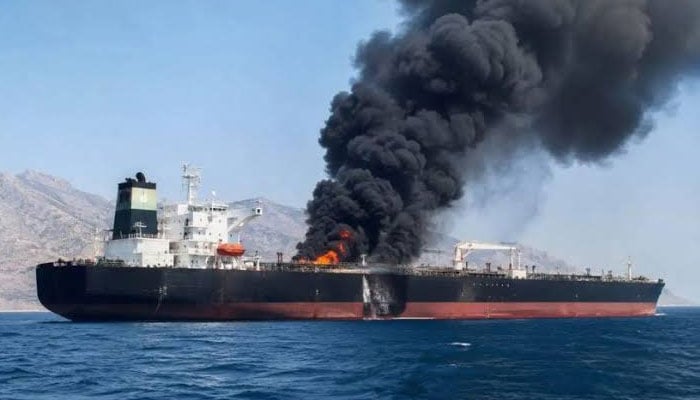
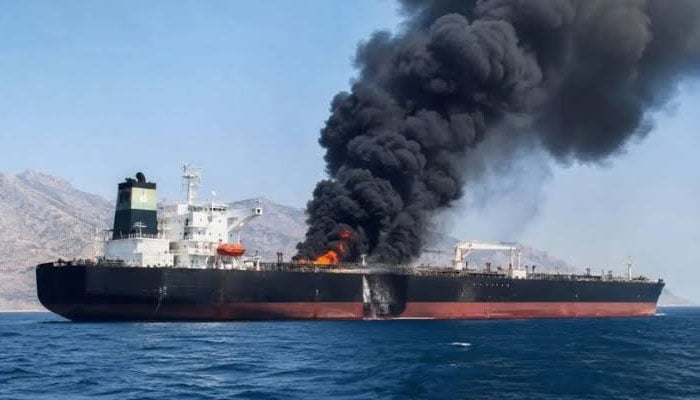
    An oil tanker came under attack from an unidentified weapon off the coast of Oman, according to the United Kingdom Maritime Trade Operations (UKMTO). The incident occurred around 11 nautical miles northeast of Lima, UKMTO said. The attack damaged the vessel’s engine room, leaving the tanker unable to maintain control of its movement. Authorities have not yet identified the weapon used in the attack or determined who was responsible. No deaths or injuries have been reported in connection with the incident. Maritime authorities continue to monitor the situation and assess the circumstances surrounding the attack. The incident has raised fresh concerns over maritime security in the region, which is a key route for international oil and commercial shipping. Vessels operating in and around the Gulf of Oman have previously faced security threats, prompting increased vigilance among shipping companies and maritime authorities. The tanker’s crew is understood to be safe, while efforts are underway to assess the extent of the damage and determine whether the vessel can resume its voyage. Further details about the tanker, including its flag and cargo, have not been disclosed. UKMTO and other maritime security agencies are continuing to gather information about the incident. Investigations are expected to focus on identifying the nature of the weapon used and establishing whether the attack was deliberate, as authorities work to determine the circumstances surrounding the latest maritime security incident.

  • | | |

    Oil tanker hit near Oman coast, engine room damage…

    MUSCAT: A commercial oil tanker came under attack off the coast of Oman on Saturday after being struck by an unidentified weapon, raising fresh concerns over maritime security in one of the world’s busiest energy shipping corridors. According to the United Kingdom Maritime Trade Operations (UKMTO), the incident occurred approximately 11 nautical miles northeast of Lima, a coastal area in Oman. The organization said the vessel was hit by an unknown weapon, causing damage to its engine room. The impact reportedly left the tanker without propulsion, forcing the crew to deal with a loss of control while emergency procedures were initiated. Despite the damage, no casualties or injuries have been reported, and all crew members are believed to be safe. Authorities have not yet identified the source of the attack or disclosed the identity and flag of the vessel. Maritime security agencies are closely monitoring the situation as investigations continue. The latest incident comes at a time of heightened tensions across regional waters, where commercial vessels have increasingly faced security threats. Shipping companies operating in the Gulf and nearby sea lanes have been urged to remain vigilant and follow updated security guidance while transiting through the area. The waters surrounding Oman, particularly routes connecting the Gulf of Oman and the Arabian Sea, are vital for global energy supplies, carrying millions of barrels of crude oil and petroleum products every day. Any disruption in these sea lanes has the potential to affect international shipping and energy markets. Maritime analysts say even isolated attacks can increase insurance costs, delay cargo movements and intensify concerns among global shipping operators. Omani authorities and international maritime organizations are expected to release further details once the investigation progresses. Meanwhile, commercial vessels in the region continue to receive security advisories as officials assess the circumstances surrounding the latest attack.

  • |

    Russian missile strike kills 9 in Kyiv

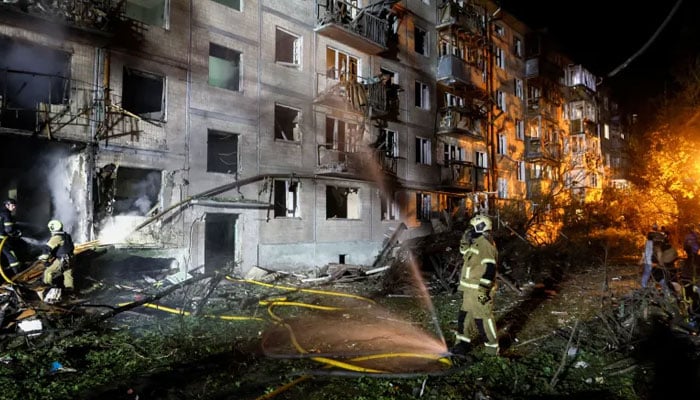
    At least nine people were killed and 23 others injured after Russia launched a missile attack on Ukraine’s capital, Kyiv, on Saturday morning, according to Ukrainian emergency authorities. The Ukrainian Emergency Service said the casualties included two young boys. Officials also reported that one of the injured victims remained in critical condition as rescue and emergency teams continued their operations across the affected areas. The missile strike caused extensive damage to several buildings and triggered fires at multiple locations in the capital. Emergency workers rushed to the scene to extinguish the fires, secure damaged structures and search through piles of debris for survivors. Rescue teams continued clearing the rubble in an effort to locate anyone who might still be trapped beneath collapsed sections of buildings. The attack added to growing concerns over the security situation in Kyiv, which has faced an increase in Russian missile and drone strikes in recent months. Ukrainian authorities have repeatedly warned that Russian attacks continue to pose a serious threat to civilians as well as critical infrastructure. The latest assault also renewed Ukraine’s calls for stronger air defence capabilities. Kyiv has been pressing its Western allies to provide additional advanced defence systems and ammunition, arguing that stronger air protection remains essential to defending major cities and strategic facilities from Russian missile and drone attacks. Ukraine has particularly sought additional Patriot air defence systems, which can intercept certain types of high-speed missiles and provide protection against aerial threats. Ukrainian officials have consistently described air defence as one of their most urgent military requirements as the conflict continues. Meanwhile, US President Donald Trump said discussions are continuing over the possibility of providing Ukraine with technology linked to the production of Patriot missile systems. Trump indicated that talks remain ongoing but made clear that Washington has not yet reached a final decision on the matter. The issue is significant for Ukraine, which has sought to strengthen its ability to defend its territory while reducing its dependence on foreign supplies. Access to advanced air defence technology could potentially help Kyiv expand its defensive capabilities and respond more effectively to repeated missile attacks. The latest strike comes as the war between Russia and Ukraine continues to put civilians and urban centres at risk. Kyiv remains a key target, and Ukrainian officials have repeatedly appealed to international partners for greater military support and stronger air defence measures to protect the capital and other major population centres.

  • | |

    Pentagon faces shortage of missile defense interceptors

    The US Department of Defense is facing a growing shortage of missile defense interceptors after months of sustained military operations in the Middle East, raising concerns among American defense planners about the Pentagon’s ability to maintain its current pace of operations and protect US forces in the event of another major conflict. According to a report by Fox News, data compiled by the Center for Strategic and International Studies (CSIS) indicates that US stocks of Patriot air defense interceptors have fallen sharply. Before the recent escalation in regional conflicts, the United States reportedly held around 2,300 Patriot interceptors. That figure has now dropped to fewer than 827. The Pentagon has also seen a significant reduction in its stockpile of interceptors used by the Terminal High Altitude Area Defense (THAAD) system. CSIS data cited in the report shows that the number of THAAD interceptors has declined from approximately 452 to fewer than 278. The decline in these critical missile defense stocks has prompted questions about the US military’s ability to respond to multiple threats at the same time. Defense planners are particularly concerned about the possibility of a new crisis emerging in another strategic region, such as the Indo-Pacific, while American forces remain engaged in the Middle East. CSIS has warned that rebuilding depleted interceptor inventories could take at least three years. The lengthy replenishment timeline reflects the difficulty of rapidly expanding production of sophisticated missile defense systems, which require specialized components, advanced manufacturing capabilities and extensive testing. The shortage could create additional pressure on US military leaders as they balance the need to defend American troops and military installations overseas with the requirement to maintain sufficient reserves for future conflicts. To address the growing gap, the Pentagon has included $18.2 billion in its broader $67 billion emergency funding request for fiscal year 2026. The proposed funds would support the replenishment of Patriot interceptors, Tomahawk cruise missiles used by the US Navy and additional interceptors for the THAAD missile defense system. The Pentagon’s spending plans also highlight a broader effort to rebuild weapons inventories that have come under pressure from sustained military operations and rising global security demands. US defense officials have increasingly focused on expanding domestic production capacity and ensuring that the military can replace weapons at a faster rate. According to the report, nearly half of the weapons included in the Army’s preliminary fiscal year 2027 budget requests fall into the relatively lower-cost category, with each weapon costing $600,000 or less. The approach reflects efforts to strengthen stockpiles of systems that the military can procure in larger quantities while continuing to invest in more advanced and expensive defense technologies. The interceptor shortage underscores a wider challenge for the United States as it seeks to prepare for potential conflicts on multiple fronts. While missile defense remains a key component of US military strategy, the depletion of interceptor stocks could limit Washington’s flexibility if it faces simultaneous threats in the Middle East, Europe or the Indo-Pacific. Defense analysts say the issue also highlights the importance of maintaining adequate reserves during prolonged conflicts. Replenishing stocks may take years, meaning decisions about the use of missile defense interceptors could become increasingly important as the Pentagon seeks to protect US personnel and strategic assets while preserving its ability to respond to future crises.

  • | |

    Massive $4 billion Iranian sanctions evasion network uncovered behind illegal gambling and crypto scheme

    A Reuters investigation has exposed a massive Iranian sanctions evasion network operating through a Dubai-based, unlicensed cryptocurrency exchange named Shelbit. The exchange has processed over $4 billion since May 2024, serving as a critical financial hub that links a Farsi-language illegal gambling network of over 2,000 websites, Iran’s central bank, state-backed bitcoin mining operations, and entities tied to the Islamic Revolutionary Guard Corps (IRGC). Despite strict prohibitions against gambling under Iranian law, the vast network utilises Iran’s central bank-regulated online payments system, allowing sanctioned entities and illicit networks direct access to global crypto markets and major international exchanges. Fronted by prominent Iranian influencers Sasha Sobhani and Pooyan Mokhtari, who promote the gambling sites to millions of social media followers while flaunting lavish lifestyles abroad, the operation is considered one of the largest illegal gambling and sanctions evasion schemes ever identified. Regulatory and law enforcement agencies have begun taking action against the network. Dubai’s Virtual Assets Regulatory Authority (VARA) issued a cease-and-desist order against Shelbit for anti-money laundering and counter-terrorism financing violations, while the U.S. Treasury Department’s Office of Foreign Assets Control (OFAC) confirmed it is actively investigating the network’s digital asset transactions.

  • |

    British funeral director sentenced to 20 years in prison for fraud and desecration of remains

    Former funeral director Robert Bush, 48, has been jailed for 20 years at Hull Crown Court after pleading guilty to 67 criminal charges. The charges include preventing a lawful and decent burial, fraud by false representation, fraudulent trading, and theft, spanning a period of nearly 12 years at Legacy Independent Funeral Directors in Hull, East Yorkshire. The police investigation, launched in March 2024 following a report from a casual worker, uncovered 35 decomposing bodies left uncovered and un-cremated at the business’s Hessle Road premises. Investigators revealed that Bush had repeatedly provided grieving relatives with ashes belonging to strangers, including delivering young adult remains to the parents of a stillborn baby whose body was discovered stored in a paper bag on site. Bush also stole thousands of pounds in charitable donations collected from mourners at memorial services. Presiding Judge Nicholas Hilliard described Bush’s actions as “heartless” and motivated by greed, noting that his crimes caused pain and anguish on an incomprehensible scale. Alongside the 20-year custodial sentence, Bush has been banned from acting as a company director for 14 years. The severe failure has prompted renewed demands across the United Kingdom for stricter statutory regulation of the funeral industry.

  • | |

    US expands import blacklist over Chinese forced la…

    The United States has banned imports from 43 additional Chinese companies over alleged human rights abuses and forced labour involving Uyghurs and other minority groups in the Xinjiang region. The decision marks the largest single expansion of the Uyghur Forced Labor Prevention Act Entity List since its enactment in December 2021, bringing the total number of restricted entities from 144 to 187. Newly blacklisted firms span electronics, lithium, metals, pharmaceuticals, and food sectors, including major capacitor manufacturer Hunan Aihua Group and exporter Chacha Food Co, which US officials accuse of sourcing materials or recruiting personnel through state-backed forced labour programmes. While US Customs and Border Protection has intercepted more than 24,300 shipments valued at nearly $1 billion under the law, the Chinese embassy in Washington has rejected the allegations, maintaining that workers of all ethnic groups in Xinjiang freely choose their employment and receive equal remuneration.