देश-विदेश

  • | |

    China voices concern over new US trade curbs

    BEIJING: China has raised strong concerns over the latest US trade restrictions, urging Washington to strengthen dialogue and maintain stable economic relations as both countries continue efforts to manage trade tensions. Chinese Vice Premier He Lifeng expressed Beijing’s concerns during a video conference with US Treasury Secretary Scott Bessent and US Trade Representative Jamieson Greer, according to Chinese state media. During the talks, both sides held detailed discussions on implementing the agreements reached by the leaders of the two countries. The officials also exchanged views on maintaining stable economic and trade ties, expanding practical cooperation and addressing each other’s concerns through continued engagement. Beijing criticized the latest US trade measures, including the recently announced 12.5% tariff on Chinese imports, describing them as a source of concern for bilateral economic relations. Despite the differences, both sides agreed to continue using the China-US economic and trade consultation mechanism to improve communication, strengthen mutual trust and reduce misunderstandings. They also pledged to expand cooperation and support the stable development of bilateral trade relations. The discussions come ahead of Chinese President Xi Jinping’s expected visit to the United States later this year, a meeting widely seen as an opportunity to ease tensions between the world’s two largest economies. Earlier agreements between Beijing and Washington included China’s commitment to address US concerns over the supply of rare earth minerals and related processing technologies. China also agreed to increase purchases of US agricultural products through 2028 as part of broader efforts to stabilize trade relations. The latest talks indicate that while differences remain over tariffs and trade policies, both governments continue to pursue diplomatic engagement to prevent further escalation in economic disputes.
  • |

    60,000 migrants flood Spain’s Ceuta border

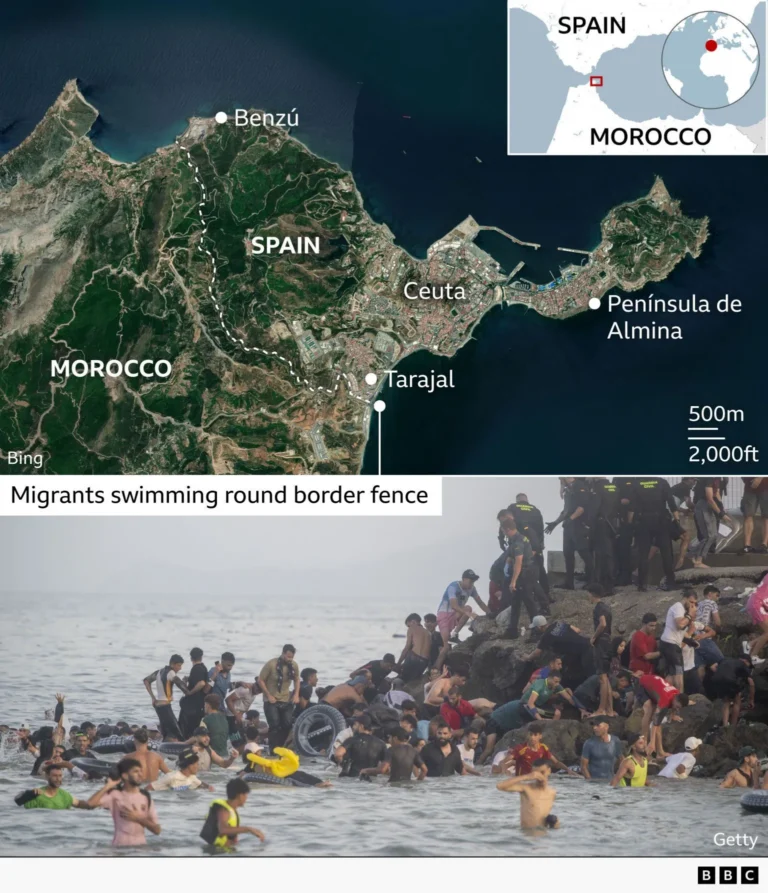
    Spain has deployed additional security forces to its North African territory of Ceuta after a massive wave of migrants crossed from Morocco, creating one of the largest border crises in the region’s recent history. Ceuta’s President Juan Jesús Vivas said around 60,000 migrants entered the Spanish enclave within 24 hours, while at least 43 people died during the crossing attempts. The sudden influx overwhelmed local authorities and triggered an emergency response from Madrid. Spain’s Interior Ministry gave a lower estimate, saying around 50,000 people had reached Ceuta since early Thursday. Officials said more than 25,000 migrants had already returned voluntarily to Morocco. The crisis intensified after Spain’s Supreme Court ruled that migrants intercepted at sea while attempting to reach Ceuta or Melilla could not be immediately returned to Morocco. Spanish Prime Minister Pedro Sánchez described the situation as an “attack” and promised that those who entered illegally would be sent back as quickly as possible. During a visit to Ceuta, Sánchez said Spain would strengthen border security and accused criminal networks of spreading misleading information about the court ruling to encourage migration attempts. He added that Moroccan authorities were cooperating with plans to return migrants. Spanish authorities have now increased military deployment in Ceuta and Melilla, another Spanish territory in North Africa, after several hundred additional crossings were reported there. Many of those arriving were young men, but women, children and infants were also among the migrants. Officials estimated that around 7,000 minors were part of the latest arrivals. Ceuta, located on Morocco’s northern coast, is one of the European Union’s only land borders with Africa. The territory has long been a major route for migrants seeking entry into Europe and remains a sensitive issue in Spain-Morocco relations. The latest arrivals have caused concern among European leaders. Several governments called for stronger border controls, while EU officials described the scenes in Ceuta as unacceptable and urged an immediate halt to irregular crossings. The last major migration surge in Ceuta occurred in 2021, when thousands crossed the border amid a diplomatic dispute between Spain and Morocco. However, officials said the current movement is far larger and has created an unprecedented challenge for local authorities.

  • |

    Former Turkish PM Davutoglu quits politics

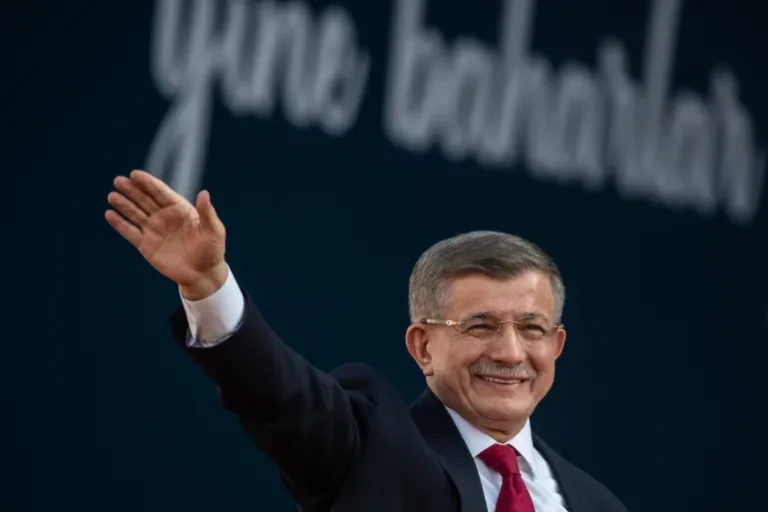
    ISTANBUL: Former Turkish prime minister Ahmet Davutoglu has announced his decision to step away from politics and dissolve his Future Party, ending a decades-long political career that saw him rise as one of President Recep Tayyip Erdogan’s closest allies before becoming a vocal critic. Davutoglu announced the decision this week, saying he wanted to distance himself from what he described as a “dirty political climate” in Turkiye. He said the move was not a surrender but a step taken on moral grounds and a call for a broader rethink of politics. The former premier criticized issues including corruption, favouritism and weak accountability, saying these challenges had damaged public trust. He also raised concerns over the country’s presidential system introduced in 2018, arguing that it weakened checks and balances. Davutoglu began his career as an academic before entering politics. Born in Konya in 1959, he studied political science and international relations at Bosphorus University and later earned a doctorate in the same field. Before joining government, he worked as a professor and wrote several books on foreign policy. His academic reputation helped him become a key figure in shaping Turkiye’s international strategy. After the Justice and Development Party (AKP) came to power in 2002, Davutoglu joined the party and became a close adviser to Erdogan. He played an influential role in developing the “zero problems with neighbours” foreign policy approach, which aimed to improve relations with regional countries. He served as Turkiye’s foreign minister from 2009 to 2014 and became prime minister after Erdogan moved to the presidency in 2014. However, relations between the two leaders gradually weakened due to differences over governance, foreign policy and the distribution of political power. In 2016, Davutoglu resigned as prime minister and was replaced by Binali Yildirim. Three years later, Davutoglu left the AKP and launched the Future Party, presenting it as a conservative alternative focused on democracy and reforms. However, the party struggled to gain major public support and received a small share of votes in the 2024 elections.

  • |

    Algeria bus plunge kills 25, dozens injured

    At least 25 people were killed and 44 others injured after a passenger bus veered off the road and plunged into a ravine near the coastal city of Boumerdes in northern Algeria on Friday. According to Algeria’s civil defence agency, the crash occurred at around 9:40am local time, prompting an immediate emergency response. Rescue teams rushed to the scene to recover victims, provide medical assistance and transport the injured to nearby hospitals. Officials said the bus left the roadway for reasons that are still under investigation. Authorities warned that the death toll could increase as several of the injured remain in critical condition. The accident is one of Algeria’s deadliest road tragedies in recent years. Investigators are working to determine the exact cause of the crash. Road accidents continue to claim thousands of lives across Algeria each year. Safety officials have repeatedly identified speeding, reckless driving and human error as the leading causes of fatal crashes. The latest tragedy follows several major bus accidents in recent years. In August 2025, 18 people were killed when a bus plunged into a ravine near Algiers. A few months later, in December, another bus overturned in the Bechar region, leaving 14 people dead. Official road safety data shows that traffic accidents claimed 3,838 lives and injured more than 37,000 people across Algeria in 2025, highlighting the country’s ongoing road safety challenges.

  • |

    Bangkok’s original name has 168 characters

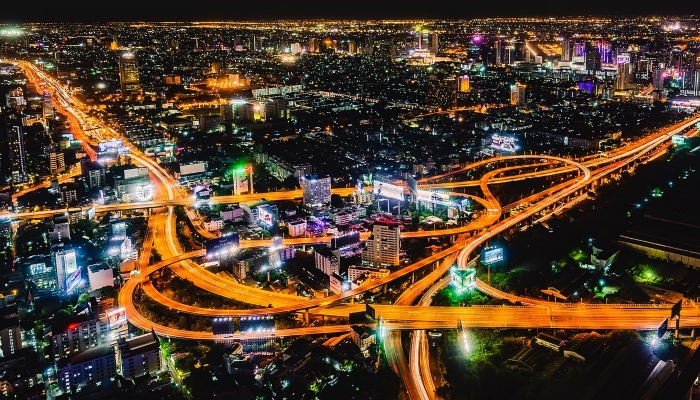
    Did you know that the city with the world’s longest official name is also one of the most famous cities on Earth? Interestingly, the name by which most people know this city is not its official name. The city is Bangkok, the capital of Thailand whose full ceremonial name consists of 168 characters. If you ever visit Thailand, you are unlikely to hear local residents recite the full name as even many of them cannot remember it. The city’s full ceremonial name is Krungthepmahanakhonamonrattanakosinmahintharaayuthayamahadilokphopnoppharatratchathaniburiromudomratchaniwetmahasathanamonpimanawatansathitsakkathattiyawitsanukamprasit. Bangkok’s official ceremonial name is recognized by Guinness World Records as the longest place name in the world. If you find it impossible to remember, you’re certainly not alone. The city also has a shorter official name in Thai: Krung Thep Maha Nakhon which is commonly shortened further by locals to simply Krung Thep. In 2022, the Thai government announced that both Krung Thep Maha Nakhon and Bangkok would be accepted as official Romanized names for the capital. The 168-character ceremonial name is derived from Sanskrit and Pali and its shorter form roughly translates to “The Great City of Angels.” However, historians are still uncertain why such an extraordinarily long ceremonial name was originally adopted. How did name “Bangkok” come about? According to popular accounts, the name Bangkok predates the establishment of the city as Thailand’s capital. It is believed to have originated from the area’s former village or district name possibly derived from the Thai words “Bang” (a village or riverside settlement) and “Makok” referring to a type of wild plum or olive tree that once grew abundantly in the area. Over time, the name Bang Makok is thought to have evolved into Bangkok, the name by which the city became known internationally.

  • |

    World’s tallest bridge features 300-meter artificial waterfall

    China has completed several remarkable engineering projects in recent years but the Huajiang Grand Canyon Bridge stands out as one of the most extraordinary. Often described as an engineering marvel, the bridge is not for the faint-hearted. Anyone with a fear of heights may find crossing it a nerve-racking experience. The bridge is situated 625 meters (2,051 feet) above the ground and was opened to the public in September 2025 making it the world’s tallest bridge. However, its height is not the only feature that makes it unique. The bridge also includes a spectacular artificial waterfall making it a major tourist attraction rather than just a transportation route. Chinese authorities designed the bridge as both an infrastructure project and a tourist destination. Visitors can enjoy glass walkways, cafes inside the bridge towers and adventure activities such as bungee jumping. The bridge’s most eye-catching attraction is its 300-meter-long artificial waterfall which creates a dramatic curtain of water. A laser lighting system has also been installed allowing the waterfall to put on a dazzling display at night. According to local authorities, thousands of tourists visit the site every day. The bridge gained further recognition when Time magazine ranked it as the No. 1 destination in its list of the World’s Greatest Places for 2026. Located in Guizhou Province in southwestern China, the Huajiang Grand Canyon Bridge was primarily built to reduce travel time across the mountainous region. Guizhou’s rugged terrain previously made travel between many locations slow and difficult. Thanks to the new bridge, a journey that once took two hours can now be completed in about one minute. Constructed from 20,000 tons of steel roughly equivalent to the amount used in three Eiffel Towers, the bridge stretches 9,482 feet (about 2,890 meters) in length. Construction began in January 2022 and the bridge officially opened to the public in September 2025.

  • | | |

    Sri Lanka women beat Pakistan by six wickets in fi…

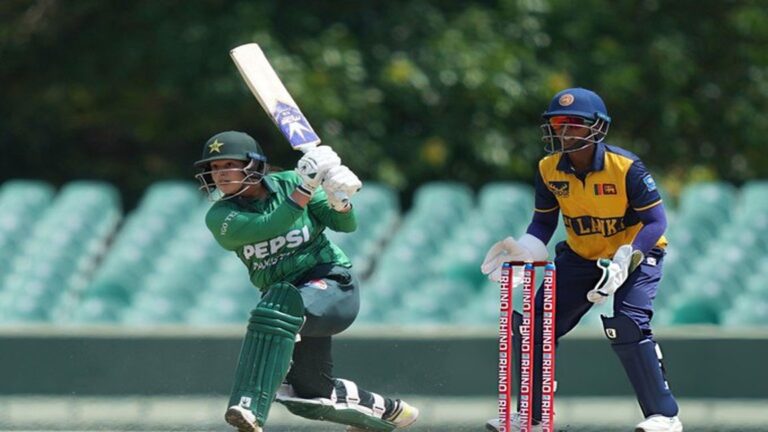
    Sri Lanka Women began their three-match T20 International series against Pakistan Women with an impressive six-wicket victory in the opening match played in Dambulla on Friday. After winning the toss and batting first, Pakistan Women posted a competitive total of 176 for 7 in their allotted 20 overs. The visitors produced an aggressive batting display, with key contributions from the top and middle order helping them set a challenging target of 177 runs. Despite the strong total, Sri Lanka Women responded confidently with an outstanding batting performance. The hosts maintained a steady scoring rate throughout the innings and successfully chased down the target in just 19 overs, losing only four wickets in the process. Sri Lanka’s batters dominated the chase with positive stroke play and well-built partnerships, keeping the required run rate under control from the outset. Pakistan’s bowlers struggled to make regular breakthroughs as the home side continued to build momentum and eventually crossed the finish line with an over to spare. The victory gives Sri Lanka a 1-0 lead in the three-match T20I series and provides the hosts with early momentum heading into the remaining fixtures. Pakistan, meanwhile, will look to regroup and improve its bowling performance in the second T20 as it aims to level the series. Although Pakistan’s batting unit delivered a competitive total, the team was unable to defend it against Sri Lanka’s disciplined and attacking batting approach. The result highlights the strength of Sri Lanka’s batting lineup and sets the stage for an exciting contest in the upcoming matches. With two games still to be played, the series remains open, and both teams will be eager to secure crucial victories. Pakistan Women will focus on tightening their bowling and fielding, while Sri Lanka Women will aim to continue their winning form and wrap up the series. Cricket fans can expect another competitive encounter as the two sides meet in the second T20, with Pakistan looking to bounce back and Sri Lanka seeking to extend its lead in the series.

  • | | |

    Shooting outside York mosque sparks investigation,…

    A 44-year-old man has been arrested following a shooting incident outside York Mosque and Islamic Centre in the city of York, North Yorkshire, England. Police confirmed that no one was injured in the incident, while an investigation into the circumstances surrounding the incident is underway. According to British media reports, the firing took place outside the mosque located on Bull Lane in York on Thursday. Following the incident, North Yorkshire Police arrested a local white British man in connection with the alleged shooting. Police officials said the weapon used in the incident is believed to have been an air weapon, similar to an air gun. Authorities traced the suspect after he reportedly left the scene in a silver-coloured vehicle and later took him into custody for questioning. The suspect remains in police custody as officers continue their investigation. Police have not yet confirmed the motive behind the incident and stated that it would be too early to draw conclusions about the reasons behind the concerning event. North Yorkshire Police assured the Muslim community in York that every effort is being made to establish the full circumstances and identify the factors that led to the incident. Authorities said additional patrols will continue in the area around the mosque, particularly during prayer times when worshippers gather. Police officials also said officers would meet with the mosque’s imam as part of efforts to provide reassurance and maintain community safety. The authorities emphasized that the safety of residents and worshippers remains a priority during the ongoing investigation. Investigators have appealed to witnesses and members of the public who may have relevant information to come forward. People with CCTV footage, mobile recordings, or dashcam footage from the area have been requested to share any material that could assist the investigation. The incident has raised concerns among members of the local Muslim community, although police have stressed that the investigation is still at an early stage. Authorities continue to examine all available evidence to determine the motive and circumstances behind the shooting. North Yorkshire Police have urged anyone with information related to the incident to contact them or provide details through Crime Stoppers to help officers complete their investigation.

  • | | | |

    Pakistan hails Hamas disarmament progress, under p…

    Pakistan has welcomed recent progress under the Gaza Peace Plan, describing developments toward Hamas’ disarmament as a positive step that could help revive efforts for a lasting political solution and the creation of an independent Palestinian state. Prime Minister Shehbaz Sharif praised the mediation efforts of the United States, Egypt, Qatar, and Türkiye after US President Donald Trump announced that an agreement had been reached for the complete disarmament of Hamas. The announcement is viewed as a significant breakthrough in implementing the Gaza ceasefire framework, as the issue of Hamas’ weapons has remained one of the main obstacles since the truce was reached in October 2025. In a statement shared on social media, the prime minister said Pakistan supports the ongoing work of the Board of Peace and expressed hope that all commitments under the Gaza Peace Plan would now move toward practical implementation. He emphasized that sustained diplomatic efforts should lead to a credible, time-bound political process in line with United Nations resolutions, ultimately ensuring the Palestinian people’s right to self-determination through the establishment of an independent state. According to Hamas officials, a committee operating under the Board of Peace will supervise the storage of the group’s weapons as part of the agreed process. The organization has also urged mediators to ensure that Israel fulfills its obligations under the ceasefire, including the withdrawal of its forces from Gaza. Although the ceasefire has reduced large-scale fighting, violence has not completely stopped. Fresh Israeli strikes reportedly killed at least four Palestinians, including two children, highlighting the fragile security situation despite ongoing diplomatic efforts. Meanwhile, Egyptian media reported that Cairo is expected to host another meeting of the ceasefire mediators, including representatives from the United States, Qatar, and Türkiye, to discuss the next phase of the peace plan. Pakistan has consistently maintained its support for the Palestinian cause and continues to advocate for an independent Palestinian state based on the pre-1967 borders, with Al-Quds Al-Sharif as its capital. Islamabad, which has no diplomatic relations with Israel, has repeatedly urged the international community to work toward a peaceful resolution of the conflict through dialogue and adherence to international law.

  • |

    Hamas agrees to disarm as Gaza peace plan gains momentum

      A significant breakthrough appears to have been achieved in efforts to end the conflict in Gaza, although many challenges remain before lasting peace and recovery can become a reality. According to reports, Hamas has accepted a key proposal presented by international mediators, agreeing in principle to surrender its heavy weapons if Israeli forces completely withdraw from the Gaza Strip. The development has been described as an important step in a broader 20-point peace framework aimed at ending months of violence and creating conditions for rebuilding the war-ravaged territory. Despite this progress, several major issues remain unresolved. One of the biggest questions concerns who will take control of Hamas’s heavy weapons once they are surrendered. The agreement has yet to clarify whether an international peacekeeping force, a regional authority, or another body will oversee the disarmament process. Another critical issue is the sequence of implementation. It is still unclear whether Hamas will be expected to disarm before Israeli troops leave Gaza or whether both actions will occur simultaneously. The timeline is considered one of the most sensitive parts of the agreement because each side wants guarantees that the other will fulfill its commitments. Israeli officials have maintained a firm position on the matter. A senior Israeli official stated that the Israel Defense Forces (IDF) would not withdraw from the current military positions, known as the Yellow Line, unless Hamas undergoes what Israel considers genuine and verifiable disarmament. This stance highlights the deep mistrust that continues to exist between the two sides despite the latest diplomatic progress. Meanwhile, US President Donald Trump expressed optimism about the reported agreement while speaking at Camp David. He described Hamas’s decision as “a big step for the Middle East” and acknowledged that the situation remains extremely complicated. Trump suggested that while the agreement is encouraging, its success will ultimately depend on careful implementation and continued international engagement. For the people of Gaza, who have endured years of conflict, destruction, and humanitarian suffering, the agreement offers a rare sense of hope. Although the proposed deal will not immediately restore homes, hospitals, schools, or other essential infrastructure destroyed during the war, it could provide the foundation for a more stable future. If both parties fully implement the agreement, humanitarian organisations may be able to deliver significantly greater amounts of aid to civilians. The plan could also create opportunities for reconstruction projects, restore basic public services, and gradually re-establish more stable civilian governance across Gaza. However, the success of the peace initiative will depend on more than Hamas’s willingness to disarm. Israel will also need to fulfill its commitments, including the agreed military withdrawal, if the process is to move forward. Equally important will be the role of international mediators, who must ensure that both sides carry out their obligations at the same time. Previous ceasefire and peace agreements have frequently collapsed because of delays, disagreements, and mutual accusations of non-compliance. While many uncertainties remain, the latest development represents one of the most promising diplomatic openings in recent months. If implemented in good faith by all parties, it could become a decisive turning point, bringing Gaza closer to peace, humanitarian recovery, and long-term stability after years of devastating conflict.