بلاگز

  • Patients are not being treated equally

    I want to draw attention to the problem of unequal treatment of patients in hospitals. Some patients are treated well because they are rich or have connections while poor patients often have to wait for a long time and do not receive proper attention. This is unfair and can put patients’ lives at risk. Doctors and hospital staff should treat every patient equally regardless of their financial status or social position. Hospitals should provide proper care medicines and emergency treatment to everyone. request the authorities to take strict action against this unfair practice and ensure that all patients receive equal and respectful treatment.

  • Living in the Present: Lessons from Alfred

    Shay Qais As one of the leading psychologists of the modern times, Alfred Adler made remarkable contributions to the field, particularly to psychology, education, parenting and counseling. Some of his teachings may have been controversial at the time but he eventually became one of the most popular personalities in these fields as Adlerian Psychology became highly influential in these areas due to the holistic approach of understanding individuals and their social interactions. The most famous concept developed by Adler was the idea of “community feeling” or social interest. The main idea is that an individual can only attain full happiness when they make society around them happy and comfortable as all humans are intrinsically linked with each other. In other words, Adlerian Philosophy states that individuals should strive to contribute to the well being of their communities while being able to successfully interact with other human beings. Interestingly enough the concept described above is very similar to the main message of The Courage to Be Disliked book which promotes an individualistic approach of being true to oneself regardless of what other people think about us.   According to Adler regardless of being disliked or not disliked, a person should not focus on the perceptions of others since those who truly matter will accept them for who they are.   However one should not aim to please everyone as it is impossible to gain the approval of everybody. Instead by contributing to the well being of society and acting morally an individual can feel full happiness since they would be living up to their ideals of being good people regardless of outside criticism. Another important teaching of Adler’s is that he strongly emphasized the need to live “in the now”. According to his philosophy, individuals should not dwell on the past as it can only define a person to a certain degree.   In other words although one cannot deny the effect which past events and personal history have on the current state of an individual a person should not be held hostage by it. Instead a person should live in the present moment and do their best to shape their future because there is nothing else which can define them besides themselves. Adler’s view on problems and struggles is that they mostly stem from poor interpersonal relationships. Therefore a great focus should be on improving relationships with others as well as learning to cooperate and support each other.   Alfred Adler was indeed a genius as his contributions to the field of psychology are very valuable and helped to shape the modern perception of the human psyche. I believe that many people today are influenced by his work and continue to follow his teachings. Therefore, there is nothing better than using the wisdom generated by him to improve the state of the world. After all, many individuals strive to achieve their goals while also trying to help others and have strong social bonds, which ultimately leads to personal fulfillment.

  • Poor road conditions in Ginna

    Meer Baloch The poor condition of roads in Ginna, Kech, has become a serious problem for residents. Large potholes damaged road surfaces and the lack of proper maintenance make daily travel difficult and unsafe.   Students, patients, workers and elderly people suffer the most while motorists risk accidents and costly vehicle damage every day. During the rainy season these roads become even more hazardous, disrupting transportation and delaying emergency services. Good roads are essential for public safety and economic development, yet the people of Ginna continue to face neglect. I urge the concerned authorities to repair the damaged roads without further delay and ensure regular maintenance. The residents of Ginna deserve safe and reliable infrastructure.

  • Solo travel finding its footing in Pakistan

    The image of travel in Pakistan is changing. At bus terminals in Rawalpindi, at Islamabad International Airport, and on trails in Hunza, a growing number of travellers are moving with just one thing in common — they are alone. Solo travel, once seen as unusual, is now a quiet but visible trend among Pakistanis. Industry data and tour operators say bookings by single travellers have risen steadily over the last two years, driven by social media, remote work, and a desire for independence. For decades, Pakistani travel meant family trips to Murree, Nathiagali, or Swat, or group tours arranged through agencies. That model is shifting. Nevertheless, reasons are practical and personal. Let’s say, no need to coordinate leave or budgets with others, or time to navigate new places on one’s own terms. These days , hostels, cafés, and trekking groups in places like Karimabad and Skardu have become meeting points for solo travellers. However, safety remains the top concern, especially for women. That is pushing both travellers and the industry to adapt. Hotels in major tourist towns now offer female-only dorms. Ride-hailing apps provide trip sharing. Also, the Ministry of Tourism has started listing registered guesthouses and guides on its website. Taking about the top destinations, Domestically, the most popular solo destinations of 2026 are, Hunza, Skardu, and Fairy Meadows for trekking and landscapes, Swat and Kalam for short trips, easier access. And Islamabad and Lahore, for weekend culture trips, history, and food walks. Internationally, Pakistanis traveling alone are choosing Turkey, Malaysia, and Saudi Arabia for Umrah-plus-tourism packages. Portugal and Japan are also rising for first-time solo travellers abroad due to safety and transit systems. But I would say Sri Lanka is the must go. For traveling solo, One of the biggest challenge is price. Single rooms and ‘single supplements’ on tours can add 20-30% to costs. However, to counter this, some operators are launching “solo-friendly” departures — group tours where you get your own room but share activities. To combat this, solo travellers usually travel in shoulder months and spend more on local experiences — guides, food, and home-stays. I am a travelwriter, who travels solo weather traveled domestically or internationally, my advise is basic precautions, let say, safe hotels, air travel, authentic agents and no home stays, since for my travel I only prefer top notch hotels, always get the travel plan from reputable travel agencies, and travel with the guide from company. Also, I avoid night life.

  • |

    AI matchmaking helps hundreds find life partners in Japan

    Tokyo- Artificial Intelligence (AI) is now being used for a wide range of purposes around the world including helping people find a life partner. In Japan, AI-powered matchmaking has already helped hundreds of couples get married. Japan has been facing a decline in marriage and birth rates while its aging population continues to grow. To address this issue, local governments have partnered with private companies to introduce AI-based matchmaking systems. The AI analyzes users personalities, values, interests, hobbies and lifestyle preferences to recommend compatible life partners. An AI-powered matchmaking app was launched in September 2024 to make it easier for people seeking marriage to find a suitable lifelong partner. To use the app, users must provide verified proof of identity, confirm that they are legally unmarried, submit income-related documents and complete an online interview before joining the platform. According to Japanese authorities, the technology has encouraged more people especially young adults to consider marriage. Previously, many young people showed little interest in traditional matchmaking services. Officials say the program has contributed to an increase in marriages in several Japanese cities. Its primary goal is to help boost Japan’s declining birth rate with the government introducing various initiatives to encourage marriage. Experts note that while AI cannot decide relationships on its own, it can help remove barriers and make it easier for people to find compatible life partners.

  • Don’t ignore shortness of breath

    Feeling short of breath  while walking climbing stairs jogging or doing simple daily activities has become a common problem for people of all ages. While it was once mostly seen in older adults many young people now experience it too. Health experts say that if you often become short of breath you should not ignore it. Finding the real cause is important because it may be a sign of an underlying health problem. One of the main reasons is a lack of physical activity. Many people spend hours sitting in front of their phones computers or TVs especially after meals. Over time this inactive lifestyle can reduce fitness and make breathing more difficult during even light exercise. Doctors explain that getting out of breath after only a little effort may sometimes be linked to problems with the heart lungs kidneys or liver. Swelling around the eyes or face may point to liver disease swollen feet may be related to kidney problems and swelling in the hands feet and face together could be a sign of heart disease. Instead of treating yourself at home it is important to see a qualified doctor. Other common causes of shortness of breath include anemia (low blood) weakness asthma seasonal allergies colds cough mucus in the airways lung diseases and long term smoking. Because every person is different only a proper medical check up can identify the real cause. In some people stomach problems such as gas and acid reflux can also make breathing feel difficult. Sitting for a long time after eating may increase these problems causing chest discomfort and a feeling of breathlessness. Eating a balanced diet exercising regularly and taking a short walk after meals may help improve digestion and overall health. Some traditional remedies suggest soaking three dried figs in water overnight and eating them on an empty stomach in the morning to support digestion. Others use basil leaves or basil seeds as an herbal drink.  However there is only limited scientific evidence to support these remedies so they should not replace proper medical treatment. If you experience frequent shortness of breath especially with chest pain severe weakness dizziness blue lips or skin or swelling seek medical care immediately. Early diagnosis and treatment can help prevent serious health problems.

  • Texter’s thumb warning signs

    Smartphones have become an important part of daily life but using them for long hours can put extra stress on your hands especially your thumbs. If you often spend hours typing chatting or scrolling through social media and notice pain stiffness numbness or a clicking feeling in your thumb wrist or hand don’t ignore these signs. Health experts say this condition is commonly known as “Texter’s Thumb.” It is a term used for hand and thumb problems caused by repeated smartphone use. Common symptoms include thumb joint pain stiff fingers swelling near the thumb and discomfort while moving it. Doctors warn that ignoring these symptoms can lead to more serious hand and wrist problems over time.  In the past people mainly used phones for calls and text messages. Today smartphones are used for social media online banking watching videos shopping gaming and many other daily tasks. This increase in screen time puts continuous pressure on the hands. Dr. Maureen O’Shaughnessy from the University of Kentucky HealthCare Hand Center says smartphones are now a permanent part of modern life so people should learn healthier ways to use them without putting unnecessary strain on their hands and body. Experts explain that holding a phone in the same position for hours or keeping the wrist and elbow in one position for too long can cause pain at the base of the thumb and in the wrist. Using only one hand for most phone activities can also tire the fingers. Many people notice their pain improves after spending a few days using their phones less. To reduce the risk experts recommend taking regular breaks from your phone. If you cannot avoid using it try changing how you hold it switch between your left and right hand and use different fingers instead of relying only on your thumbs. Reducing endless scrolling can also help. Using the phone’s voice to text feature is another simple way to reduce typing and lower stress on your hands. Increasing the font size can make the screen easier to read without holding the phone too close. Grip holders or phone rings attached to the back of the device can also improve comfort by spreading the phone’s weight across your hand and acting as a stand while watching videos. If your hands or thumbs feel sore after a long day of phone use spend a few minutes each day doing gentle stretches for your fingers and wrists. Experts say these simple exercises can relax the muscles improve blood flow and help prevent future hand and wrist problems.

  • Survey of Käthe Kollwitz’s legacy

    The Museum of Modern Art in New York  exhibits the first major museum retrospective devoted to the German printmaker and sculptor Käthe Kollwitz (1867–1945).The exhibition serves as reassessment of an artist who chose raw human emotion over abstract aesthetics. The survey features roughly 120 works on paper and evocative bronze sculptures gathered from private and public collections across North America and Europe. Käthe Kollwitz originally trained as a painter before turning to printmaking, etching, and charcoal drawing. She quickly realized that black-and-white graphic arts provided a far more direct, accessible, and potent medium for addressing the social injustices around her. She lived through the tumultuous transition of late 19th-century industrialization. The revolution followed by the political instability and devastating carnage of two world wars in Berlin. However, Kollwitz dedicated her career to giving form to the silent suffering of society’s most vulnerable. When many of her contemporaries were exploring radical formal abstraction, Kollwitz stayed firmly rooted in figuration. She viewed her artistic talent not as a path toward personal prestige, but as a moral imperative. As Kollwitz famously noted in her journal, she felt a profound duty to give voice to humanity’s immense burdens. It was a motivation clearly reflected in her emotionally charged compositions. The retrospective marks several crucial series and individual masterpieces that define Kollwitz’s career. Early landmark series included A Weaver’s Revolt (1890s) and Peasant War (1902–1908). They showed her skill in capturing collective resistance, class struggle, and the violent fallout of peasant rebellions. Her works like Woman with Dead Child (1903) and her recurring depictions of mothers shielding their young. This theme is also dominant in her famous Mütter (Mothers) lithographs. These works demonstrate her ability to channel deep personal empathy into universal symbols of protective instinct. Kollwitz produced woodcuts and sculptural works that transformed personal bereavement into universal anti-war statements. She was distilling the excruciating grief of losing her younger son, Peter, during World War I. Kollwitz’s artistic contributions extend far beyond historical interest. Kollwitz established herself as a genius of Expressionist printmaking. As a result, she achieved widespread international acclaim during her lifetime. More importantly, she radically prioritized the female experience, framing motherhood, domestic hardship. She expressed grief not as passive domestic occurrences, but as central, powerful forces within history and politics. Above all, she achieved all that during an era when the international art world was almost exclusively governed by male perspectives, MoMA exhibition underscores the artist’s meticulous process through rare working proofs and preliminary studies. Such an event exposed how she repeatedly refined line, shade, and texture to maximize the emotional potency of each scene. It was Curated by Starr Figura. In a world still facing economic disparity, displacement, and armed conflict, Kollwitz’s unflinching commitment to human dignity continues to resonate with undeniable relevance. Her skills were bold woodcuts, deep etchings, and heavy bronzes. However, they serve as a reminder that art can act as both a mirror to societal trauma and a compassionate voice for justice.  

  • Drill free treatment for children’s tooth decay

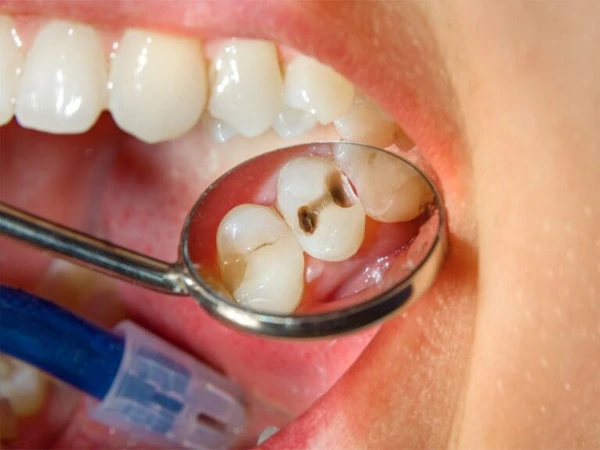
    A major study in the United States has found that silver diamine fluoride (SDF) is a safe low cost and effective way to treat tooth decay in young children. The treatment could help thousands of children avoid painful dental drilling and general anesthesia. The study found that a 38% silver diamine fluoride solution can be applied to the affected tooth in just a few seconds.  The liquid helps stop tooth decay from getting worse without the need for injections drilling or surgery. The Phase 3 clinical trial was led by the University of Michigan and included 830 children under the age of six. Researchers from universities in New York and Iowa also took part in the study. The findings were published in the medical journal JAMA Pediatrics. Researchers discovered that applying SDF every six months successfully stopped tooth decay in more than half of the affected baby teeth. Unlike traditional dental treatment this method does not require removing part of the tooth or placing a filling. Instead the liquid is simply painted onto the decayed area. Professor Margarita Fontana from the University of Michigan School of Dentistry who led the research said the treatment was found to be safe and effective even for children as young as one year old. Experts believe that if SDF receives full approval as a standard treatment for tooth decay it could make dental care easier less expensive and far less stressful for young children and their families.

  • Indonesia’s youth are reviving leaf weaving art

    Across the tropical islands of Java and Bali, coconut and palm leaves have bound together daily life and spiritual practice for centuries. They include janur (young, pale yellow coconut fronds) and slepan (mature green fronds). These pliable natural fibers have traditionally been folded, sliced, and pinned into delicate ritual offerings. They are a part of canang sari, ornate wedding arches, and festive penjor poles that line village streets. For decades, this intricate craft was widely viewed as a transient household chore or a necessity of ceremonial duty. It was something crafted quickly, admired briefly, and discarded once dried. As younger generations moved toward urban centers and sought modern corporate or tech jobs, the deep knowledge of palm foliage design faced the quiet threat of stagnation. Today, a vibrant revival is underway. A new generation of Indonesian artisans, designers, and environmentalists is taking up leaf weaving. These crafties are reimagining this ancestral skill not merely as a folk tradition, but as a medium for sustainable architecture. The shift began when forward-thinking young crafters began asking a simple question. What if the humble palm leaf could transcend its flat, two-dimensional boundaries? Artisans such as Balinese weaver Ida Bagus Gede Ari Artana (famously known as Gus Ari) began pushing the physical limits of palm leaves. He experimented with twisting, interlacing, and tension-weaving techniques. Crafters transformed flat sheets (klangsah) into expansive 3D installations. As a result, collaborations like Make a Scene Bali, co-founded by Gus Ari and British stage designer Chloe Quinn happened. They brought international theatrical design principles into harmony with native Javanese and Balinese weaving traditions. Instead of tiny ritual baskets, young weavers are now constructing colossal mythological creatures, archways, floating pavilion interiors, stage backdrops, and even high-fashion wearable art and jewelry crafted from dried lontar leaves. These breathtaking installations have graced international platforms. For instance, the G20 Summit held in Bali, where sustainable leaf sculptures of native sea turtles and dragons greeted world leaders. Beyond aesthetic innovation, the youth-driven resurgence of leaf weaving is rooted in environmental activism. Over recent decades, the event and hospitality industries in Southeast Asia grew increasingly dependent on single-use plastics, styrofoam, and non-recyclable synthetic decorations. The movement to revive leaf weaving offers a completely biodegradable, zero-waste alternative. Young coconut fronds are harvested sustainably from local trees without harming the palm. The raw material is renewable, abundant, and locally sourced. Once an event or exhibition concludes, the entire installation can be composted back into the soil. The activism embodies a circular design ethos that resonates with modern eco-conscious consumers and international art curators alike. Perhaps the most significant impact of this movement is economic and cultural. Historically, local crafters have struggled to command fair compensation for traditional foliage work because the raw material was viewed as inexpensive. Now, there’s a promotion of leaf weaving to structural art and luxury event design. Young creative studios are proving that the value resides in the artisan’s vision, precision, and hours of practiced labor. This shift has boosted local earning potential and inspired young men and women across rural communities to remain in their homelands. They are earning sustainable livings while keeping their heritage alive. The palm frond art captures global attention. Alongside, Indonesia’s younger generation is demonstrating that tradition does not have to be frozen in a museum. Rather, it can grow, adapt, and weave a sustainable future for art and community.