National

  • | |

    Magistrate launches inquiry into deaths of two gir…

    LAHORE: A judicial magistrate has initiated an inquiry into the deaths of two underage girls who died while in police custody in Lahore on August 4. The inquiry was launched after the families of the deceased girls demanded an impartial investigation into the circumstances surrounding their deaths. The girls were identified as Amina and Anmol. They had reportedly remained in police custody for more than two hours before emergency services were called to the Township police station. The circumstances leading to their deaths have not yet been fully established. Proceedings have been initiated under Section 176 of the Code of Criminal Procedure. The provision empowers a magistrate to examine deaths that occur in police custody or under other suspicious circumstances. The magistrate can record statements from relevant individuals during the inquiry. Witnesses may also be examined under oath. The law further allows the magistrate to order the exhumation of a body if a postmortem examination is considered necessary to determine the cause of death. The judicial proceedings are expected to focus on what happened while the two girls were being held at the police station. Authorities are likely to examine the circumstances surrounding their arrest, the period they spent in custody and the events that took place before Rescue 1122 was contacted. The timing of the emergency call has also become an important part of the inquiry. The families have sought clarity over the events inside the police station and called for the matter to be investigated independently. The deaths have raised concerns about the treatment of minors in police custody and the responsibility of officials overseeing detainees. The magistrate’s inquiry is expected to establish the sequence of events and determine whether any negligence or wrongdoing contributed to the deaths. Further action will depend on the findings of the judicial inquiry and other available evidence.

  • | | |

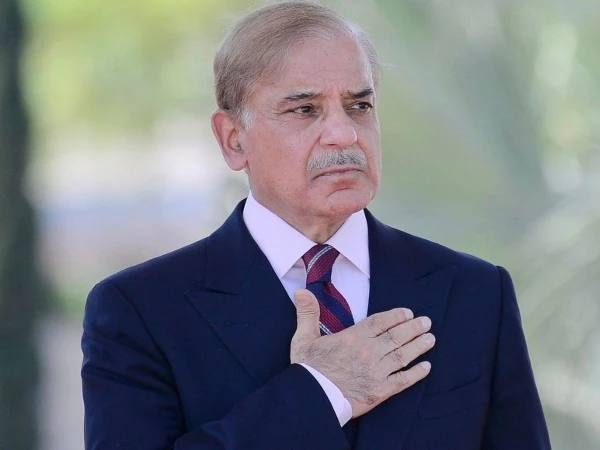
    PM Shehbaz says Pak-Saudi-Turkiye defence pact is …

    Prime Minister Shehbaz Sharif has said the newly signed defence agreement between Pakistan, Saudi Arabia and Turkiye is strictly defensive in nature. He said the pact is not intended to promote aggression or create tensions in the region. The prime minister made the remarks while addressing a meeting of the federal cabinet on Monday. Pakistan, Saudi Arabia and Turkiye signed the Makkah Joint Defence Agreement on August 7 in Makkah. The agreement aims to strengthen cooperation among the three countries in the field of defence and security. Under the pact, an attack against any one of the three signatories would be treated as an attack against all three. The arrangement is intended to strengthen collective deterrence and improve coordination among the countries. PM Shehbaz said the main objective of the agreement was to promote peace, stability, progress and prosperity across the region. He stressed that the agreement should not be viewed as a preparation for military aggression. The prime minister described the pact as a source of strength for Pakistan, Saudi Arabia and Turkiye. He also said its benefits could extend to the wider Muslim world. Shehbaz Sharif congratulated Deputy Prime Minister Ishaq Dar and Chief of Defence Forces and Chief of Army Staff Field Marshal Asim Munir for their role in the agreement. He said discussions on stronger defence cooperation between the countries had continued for several years before the latest agreement was finalised. Pakistan and Saudi Arabia had already signed a Strategic Mutual Defence Agreement in September 2025. The prime minister said Pakistan and Turkiye had also maintained defence and security arrangements for decades. Shehbaz highlighted Pakistan’s long-standing defence cooperation with Saudi Arabia. He recalled that Pakistani personnel had served alongside Saudi forces in protecting the holy cities of Makkah and Madina. He said the latest trilateral agreement builds on those longstanding ties and provides a broader framework for cooperation. The agreement has also received attention across the Muslim world. The Organisation of Islamic Cooperation described it as an important strategic development. Several countries, including Kuwait, Bahrain and Somalia, have welcomed the agreement. Iran has also responded in a relatively positive tone. Tehran reiterated its preference for regional security arrangements based on cooperation among countries in the region. The agreement comes amid growing security concerns across the Middle East and wider region. Its signatories have presented the pact as a mechanism for collective defence rather than an offensive alliance. The Pakistani government has maintained that the arrangement is aimed at strengthening regional stability and protecting the sovereignty and security of its members.

  • | | |

    Russia, Pakistan advance Moscow-Karachi rail link

    Russia and Pakistan are working to launch a new freight railway service connecting Moscow with Pakistan, Russian Ambassador to Islamabad Albert P. Khorev has said. The proposed rail link is aimed at improving trade connectivity between the two countries and creating a more direct overland route for the movement of goods. In comments published by the Russian newspaper Izvestia on August 8, Khorev said Moscow and Islamabad were jointly working on launching freight railway services along the Moscow-Faisalabad and Moscow-Karachi corridors. The proposed routes would operate in both directions, allowing goods to be transported between Russia and Pakistan through a dedicated rail-based trade network. Khorev said the possibility of including Belarus in the project was also being examined. If the Belarusian side joins the initiative, the route could provide a wider connection across parts of Eastern Europe and South Asia. The project has faced delays because of changing geopolitical conditions in the region. According to the Russian ambassador, heightened geopolitical tensions during 2025 and early 2026 resulted in several postponements to the planned launch. Despite the delays, work on the project is continuing. Khorev said the countries involved are currently finalising a contract covering the required freight railway services. At the same time, officials are identifying companies in the countries along the proposed route that could use the railway network to transport commercial cargo. The identification of potential cargo owners is considered an important step before the service can begin. A stable volume of goods would be needed to make the railway corridor commercially viable. The Moscow-Karachi route could provide Pakistani and Russian businesses with another option for moving goods between the two markets. It could also reduce reliance on traditional maritime routes for certain types of cargo. The Moscow-Faisalabad corridor would provide a direct connection to one of Pakistan’s major industrial and commercial centres. Faisalabad is an important manufacturing hub, particularly for textiles and other export-oriented industries. For Russia, improved rail connectivity with Pakistan could open additional opportunities for trade with South Asia. Pakistani businesses could also gain access to wider markets through connections with Russia and potentially Belarus. The possible involvement of Belarus could further expand the corridor’s geographical reach. It may also strengthen transport cooperation among the countries involved. However, the project still requires the completion of commercial and logistical arrangements before the first freight service can be launched. The parties are therefore focusing on finalising the service contract and securing interest from companies that can provide regular cargo for the route. The proposed railway initiative is part of broader efforts by Russia and Pakistan to strengthen economic and transport cooperation.

  • | |

    NCCIA launches probe into social media campaign ag…

      The National Cyber Crime Investigation Agency (NCCIA) has launched an investigation into an alleged social media campaign aimed at damaging the reputation of Sindh Senior Minister Sharjeel Inam Memon and his son. According to NCCIA officials, the agency has received a formal complaint from Sharjeel Inam Memon regarding the alleged defamatory content circulating on various social media platforms. The complaint was received by the Deputy Director of the NCCIA’s Karachi Zone, who has initiated the process of investigating the matter. Officials said the agency is currently working to identify individuals allegedly involved in operating social media accounts, creating content and disseminating posts that are claimed to have harmed the reputation of the senior provincial minister and his son. The investigation will focus on tracing the origin of the posts, identifying the people responsible for creating and publishing the material, and determining how the content was circulated and amplified across social media platforms. NCCIA officials said the agency has contacted around 10 major social media platforms, including Facebook, WhatsApp, X, and Instagram, as part of its investigation. The platforms have reportedly been asked to provide relevant information about the accounts and individuals involved in spreading the alleged defamatory posts. The agency has also sought details of accounts that allegedly played a role in making the posts viral. Investigators are attempting to determine whether the content was originally posted by a particular account and subsequently shared or promoted by other users. In addition, the NCCIA has requested data relating to social media accounts from which the allegedly objectionable posts were later deleted. Officials are seeking information that could help investigators identify the users behind such accounts, even where the original content is no longer publicly available. The development comes amid growing concerns over the use of social media platforms to circulate unverified, misleading or allegedly defamatory material against public figures. With social media allowing information to spread rapidly across multiple platforms, cybercrime investigators increasingly rely on digital records and platform data to trace the origins of online content. The NCCIA’s investigation is expected to examine the digital trail associated with the alleged campaign, including the accounts involved in creating, sharing and circulating the material. Investigators may also examine the extent to which the content was distributed and whether multiple accounts were coordinated in spreading it. The complaint reportedly alleges that the social media campaign was intended to damage the honour and reputation of Sharjeel Inam Memon and his son. However, the allegations remain part of the ongoing investigation, and any responsibility for the content will ultimately depend on the findings of the relevant authorities. The agency’s request for information from social media platforms is aimed at obtaining additional evidence that could assist in identifying the people behind the accounts and determining the circumstances surrounding the creation and distribution of the posts. The NCCIA has not yet disclosed the identities of any suspects or announced arrests in connection with the case. Further action is expected after investigators receive and analyse the requested information from the social media platforms. The case highlights the increasing role of cybercrime authorities in addressing complaints involving online harassment, defamation and the alleged misuse of social media. The investigation will determine whether the content in question violated relevant laws and whether those responsible can be identified and proceeded against under the applicable legal framework.

  • | |

    Indian technology provided to Afghan Taliban repor…

      Security experts have claimed that technology allegedly provided by India to the Afghan Taliban for use against Pakistan has also failed to achieve its intended purpose. According to a report, the Tehreek-e-Taliban Pakistan (TTP) and the Balochistan Liberation Army (BLA) are receiving what the report describes as full support from the Afghan Taliban regime, along with financial assistance from India. The report further claims that the groups are being supported through various means as part of activities directed against Pakistan. The report stated that the Afghan Taliban regime claimed to have carried out a drone attack against Pakistan in June 2026. However, according to the report, the drone was intercepted and destroyed in the air by Pakistan’s air defence system before it could reach its intended target. Security experts cited in the report said the drones allegedly used in the attack were supplied by India. They described the drones as relatively low-grade in terms of technology, with limited operational capabilities. According to the assessment, the systems lack the sophistication required to effectively penetrate Pakistan’s modern air defence network. The reported incident has once again drawn attention to the growing use of unmanned aerial vehicles, or drones, in regional security and military operations. Drones have increasingly become an important tool for surveillance, reconnaissance and attacks because of their relatively low operating costs and ability to operate without putting pilots at direct risk. However, experts say the effectiveness of a drone depends heavily on its technological capabilities, including its range, navigation system, communication links, payload capacity, electronic protection and ability to avoid detection. Less sophisticated drones can be vulnerable to modern radar and counter-drone technologies, particularly when they are detected at an early stage. According to the report, Pakistan has developed and deployed defence mechanisms capable of detecting and neutralising such aerial threats. The country’s air defence network is equipped to identify incoming objects and take appropriate measures to prevent them from reaching sensitive targets. The report claims that the destruction of the drone demonstrates the limitations of the technology allegedly supplied by India and highlights the challenges faced by armed groups attempting to use relatively unsophisticated unmanned systems against a country with established air defence capabilities. Security experts further maintained that the incident demonstrates the importance of advanced detection and interception systems in countering the increasing drone threat. As unmanned systems become more widely available, countries across the region are investing in technologies designed to detect, track and neutralise hostile drones. The report also linked the alleged use of Indian-supplied drones to broader security concerns involving militant groups operating in and around the region. It claimed that the TTP and BLA have benefited from support from the Afghan Taliban and financial assistance from India. These claims, however, remain allegations and would require independent verification. The reported June 2026 incident is likely to remain a subject of discussion among security analysts as Pakistan continues to strengthen its air defence and counter-drone capabilities. The episode also highlights the technological competition surrounding unmanned aerial systems and the growing importance of electronic and aerial defence measures. According to the report, Pakistan’s ability to detect and neutralise the drone before it could cause damage demonstrates that its existing defence mechanisms can pose a significant challenge to low-capability unmanned aerial systems.

  • | |

    Sindh IGP calls for proper investigation into Mir …

      Sindh Inspector General of Police (IGP) Javed Alam Odho has said that the death of Mir Raza is a tragic and deeply concerning incident, stressing that the case must be investigated and resolved properly  Speaking at a press conference in Sukkur, the Sindh police chief said that a committee had been formed to investigate the case and that a new investigation team would now carry out the inquiry. Commenting on the circumstances surrounding Mir Raza’s death, Odho said he believed that a communication gap or miscommunication had emerged in the case. He described the incident as unfortunate and said that the authorities were committed to ensuring that the matter was investigated in a proper and transparent manner. “We are not the policymakers; we are responsible for implementing the law,” the IGP said, adding that the investigation would eventually establish the facts surrounding the incident. Javed Alam Odho described the Mir Raza case as sensitive and said that both the police and the Sindh government wanted to ensure that it was handled appropriately. He said that much of the confusion surrounding the case had emerged because of the medical-legal report. According to him, an earlier report prepared by one doctor had presented in different findings, which contributed to uncertainty surrounding the case. The IGP said that a new committee had now been formed to investigate the matter and restore public confidence in the process. He explained that the previous committee had continued its work on the basis of the evidence that had been provided to it at the time. However, according to Odho, the evidence available to investigators had subsequently changed significantly. In light of the new evidence, he said, there was a need to restart the investigation using a different approach. The new investigation team has also been instructed to maintain open communication with the victim’s family and the media throughout the investigation, he added. Earlier, reports emerged that an attempt had allegedly been made to burn Mir Raza’s body with acid. According to forensic sources, traces of acid were reportedly found on his shirt, adding another dimension to the investigation. Meanwhile, the Sindh government had decided to have the Mir Raza case investigated through a judicial commission involving High Court judges. Sindh Law Minister Zia Lanjar said that a meeting had been held with the Chief Minister regarding the case. He said the government had decided to establish a judicial commission to investigate the circumstances surrounding Mir Raza’s death. Mir Raza Ali Khan went missing on July 28 from the Pakistan Employees Cooperative Housing Society (PECHS). According to reports, he left his home at around 4:09am in an online taxi. His body was recovered two days later from the Gulistan-e-Johar area. Police officials said that the body was found in a severely damaged condition and that Mir Raza had suffered a gunshot wound to the chest. Authorities also said that all of his social media accounts had been deactivated one day before his body was recovered, a development that investigators are expected to examine as part of the case. Mir Raza’s family has been seeking answers about the circumstances surrounding his death. His father previously said that Mir Raza was scheduled to get married on August 30 at Bait-ul-Mukarram Mosque in Gulshan-e-Iqbal. According to his father, Mir Raza had been extremely happy about starting a new chapter of his life and was looking forward to his upcoming marriage. The formation of a new investigation committee and the proposed judicial commission are expected to bring greater clarity to the case and address concerns raised by the victim’s family and the public.

  • Sindh announces 3-day holiday for Independence Day

    Karachi – The Sindh government has announced a public holiday on the occasion of Independence Day allowing citizens to enjoy three consecutive days off. According to details, the Government of Sindh has officially announced Friday, August 14, 2026 as a public holiday across the province on the occasion of Pakistan’s 79th Independence Day. A notification issued by the Services, General Administration and Coordination Department stated that the holiday will apply to all government offices, autonomous and semi-autonomous institutions, corporations and local councils under the administrative control of the Sindh government. However, institutions providing emergency and essential services will be exempt from the holiday and will continue their services as usual. As August 14 falls on a Friday followed by the regular Saturday and Sunday holidays, citizens will be able to enjoy three consecutive days off.

  • Peshawar bans horns, toy pistols and firecrackers on August 14

    Peshawar – The sale and purchase of bajays (horns), toy pistols and firecrackers have been completely banned on the occasion of August 14. According to details, the Peshawar district administration has announced strict measures to maintain law and order and ensure public safety during Independence Day celebrations. The sale and purchase of horns, toy pistols and firecrackers have been completely prohibited. According to a notification issued by the district administration, the restrictions have been imposed under Section 144 and will remain in effect until August 15. A complete ban has also been imposed across the district on aerial firing, fireworks, the sale of horns and firecrackers and one-wheeling. The administration has warned that legal action will be taken against anyone who violates the directives. Authorities have particularly appealed to young people to avoid dangerous and potentially fatal stunts such as one-wheeling in order to prevent possible accidents. The district administration has urged citizens to celebrate August 14 responsibly and fully cooperate with law-enforcement agencies to maintain a peaceful environment.

  • |

    Punjab to modernize Civil Defence with Rs500m equipment

    Lahore – Under the vision of Punjab Chief Minister Maryam Nawaz Sharif for a “Safe Punjab,” the Civil Defence Resilience Corps is being modernized in line with contemporary requirements to help establish a safer society and respond effectively to emergencies. In this regard, Punjab Home Secretary Dr. Ahmed Javed Qazi visited the Civil Defence Headquarters where a smartly turned-out Civil Defence contingent presented him with a guard of honour. The Home Secretary inspected a display of modern equipment and also inaugurated a renovated block of the headquarters. On the occasion, Director Civil Defence Tasneem Ali Khan and Zigham Nawaz briefed the Punjab Home Secretary on the capacity, modern equipment and rescue capabilities of Civil Defence. The modern equipment displayed by Civil Defence included aerial-lift drones, IED bomb-disposal drones, bomb-disposal robots, anti-drone guns, electric sirens, bomb-disposal suits, bomb blankets, mine detectors, snake cameras, hook-and-line kits, mobile bomb-disposal bikes and advanced firefighting equipment. Speaking on the occasion, Punjab Home Secretary Dr. Ahmed Javed Qazi said that the Civil Defence Resilience Corps is an important step toward a safe, capable and responsible Punjab. He said the Punjab government is taking practical measures to bring Civil Defence in line with the requirements of the modern era. He said that modern equipment worth Rs500 million has been purchased to modernize Civil Defence. He added that the advanced aerial-lift drones are capable of rescuing people trapped in difficult-to-access areas and can carry loads of up to 200 kilograms. Dr. Ahmed Javed Qazi said that Civil Defence is equally important during both peace and wartime and serves as the first line of response for district administrations during any emergency situation. The Punjab Home Secretary said that the Chief Minister has increased the honorarium of Civil Defence volunteers in recognition of their services and performance. He urged citizens to join Civil Defence as volunteers according to their abilities. According to him, more than 350,000 citizens have so far registered as Civil Defence volunteers. The Home Secretary said that all Civil Defence volunteers are being provided with Basic Life Support (BLS) training so that they can provide timely assistance to save lives during natural disasters, accidents and medical emergencies. He appealed to citizens to become part of Civil Defence by registering as volunteers through the online portal VCD.HOME.GOP.PK.

  • |

    Waris Shah Heritage Gallery opens in Jandiala Sher Khan

    LAHORE – Secretary/Chief Administrator Auqaf Punjab Dr. Ehsan Bhutta has said that the great Sufi poet, scholar, thinker and luminous icon of Punjabi language and literature, Hazrat Syed Waris Shah (RA), through his timeless masterpiece Heer Waris Shah, gifted Punjabi literature not merely with an immortal work of art but with a universal message of love, humanity, tolerance, morality, spirituality, peace, compassion and the highest human values—a message that continues to resonate with extraordinary relevance and power even today. He expressed these views while inaugurating the newly established Waris Shah Heritage and Cultural Gallery at historic Jandiala Sher Khan, describing it as a landmark initiative to preserve, celebrate and transmit the magnificent literary, cultural and intellectual legacy of Hazrat Waris Shah (RA) to future generations. Deputy Commissioner Rana Adil Tasawwur, Director Projects Rafiq Noor Wattoo, Zonal Administrator Rana Ehsan and other officers of the Auqaf Department were also present on the occasion. Dr. Bhutta said that the establishment of the gallery has given the sacred place associated with Hazrat Waris Shah (RA) and Jandiala Sher Khan a distinctive new literary and cultural identity, while creating an important platform for showcasing the rich history, culture and heritage of Sheikhupura to visitors from Pakistan and abroad. He said the gallery presents, in a modern and engaging manner, the life, personality, intellectual vision, literary contributions and enduring masterpiece Heer of Hazrat Waris Shah (RA), while important characters from Heer Waris Shah, historical and cultural scenes, rare artefacts and traditional objects have also been thoughtfully incorporated to bring the era and social fabric of Punjab vividly to life. Special documentaries on Hazrat Waris Shah (RA) and the history and culture of Sheikhupura will be screened through LCD displays, while traditional objects including the tawa, ghara, weighing scale, bow and other artefacts offer visitors an authentic glimpse into Punjab’s centuries-old social life, traditions and cultural heritage. He added that two specially produced documentaries are part of the gallery experience: the first explores the history, culture and historic heritage of Sheikhupura, while the second focuses on the life, personality, intellectual and literary services of Hazrat Waris Shah (RA) and the diverse dimensions of his masterpiece Heer. Dr. Bhutta said concerted efforts would be made to carry the thought, poetry and message of Hazrat Waris Shah (RA) to younger generations through research, education, literary activities, cultural programmes, documentaries, heritage galleries and modern communication platforms, stressing that preserving history, keeping culture alive and highlighting the legacy of Hazrat Waris Shah (RA) is, in essence, a powerful means of reconnecting young people with their language, literature, history and civilisational identity. He further said that the Tourism Development Corporation of Punjab (TDCP) would bring 50 tourists from Qaddafi Stadium Lahore to Jandiala Sher Khan through its recreational bus service, particularly enabling young people to develop a deeper connection with their great Sufi poet, Punjabi language, history and cultural identity. The Waris Shah Heritage and Cultural Gallery, he added, would emerge as a distinctive intellectual, literary and tourism destination for tourists, students, researchers and all those with an interest in literature and culture. Dr. Bhutta said highlighting historic Jandiala Sher Khan and its associated heritage as a centre of Hazrat Waris Shah’s literary and cultural legacy remains among the priorities of the Auqaf Department, and the establishment of the gallery represents a practical expression of this vision. He said Hazrat Waris Shah (RA), who was associated with Jandiala Sher Khan, District Sheikhupura, devoted his life to knowledge, literature, spiritual thought and the promotion of human values; born in 1722 and passing away in 1798, he portrayed Punjab’s civilisation, culture, rural society, human emotions, social attitudes and spiritual consciousness with such depth and comprehensiveness that Heer Waris Shah transcended the boundaries of a romantic narrative and became an invaluable literary, social, cultural and intellectual document of Punjab. Through the profound symbolism of human love leading towards divine love, and through his penetrating observations on human weaknesses, social inequalities, moral values, peace, tolerance and the significance of human relationships, Hazrat Waris Shah (RA) occupies an unparalleled position among the great classical poets of Punjabi literature, while Heer also powerfully reflects themes of respect for women, human dignity and social justice. The Secretary Auqaf said that the poetry of Hazrat Waris Shah (RA) presents love as a fundamental force of human existence and humanity as the foundation of social relationships, making his message of peace, affection, tolerance, pluralism, brotherhood and respect for human dignity exceptionally relevant in the contemporary world. He said Hazrat Waris Shah (RA) stands among the great custodians of Punjab’s Sufi, literary and intellectual tradition who used the power of thought and art to promote love, peace, tolerance, fraternity and the sanctity of human relationships, adding that preserving his historic and literary legacy is not merely a religious obligation but also a profound literary, historical, cultural and national responsibility. Dr. Bhutta said the shrine of Hazrat Waris Shah (RA) and its associated historic heritage constitute a precious part of Punjab’s identity; therefore, the Auqaf Department is paying special attention to the preservation of its sanctity, historic character and spiritual ambience, alongside improvements in beautification, repair, cleanliness, illumination, security and basic facilities for visitors. During his recent visit to the shrine, he also offered Fateha and prayers and reviewed the ongoing development and improvement works. He said historic manuscripts, records, artefacts and other cultural material associated with Hazrat Waris Shah (RA) represent priceless national, historical and literary assets, making initiatives such as heritage galleries and libraries vital for their preservation, documentation and transmission to future generations. The Government of Punjab and the Auqaf Department, he added, are taking effective measures to preserve and develop the shrines of the province’s Sufi saints and spiritual luminaries not only as places of religious devotion but also as significant centres of Punjab’s history, literature and cultural heritage. Dr. Ehsan Bhutta concluded that the timeless message of Hazrat Waris Shah (RA) continues to remind humanity that love, compassion, tolerance, harmony, peace and respect for human dignity