National

  • | |

    300 children die daily due to poor healthcare: Mus…

    Federal Health Minister Mustafa Kamal has said that nearly 300 children die every day in Pakistan because of inadequate healthcare facilities, stressing the need for urgent reforms and greater investment in the country’s health sector. Speaking at a ceremony held at a private hospital in Karachi, the health minister said Pakistan is moving in the right direction but acknowledged that significant challenges remain in improving healthcare services across the country. Mustafa Kamal said the nursing curriculum must be updated to meet modern healthcare standards and international requirements. He added that strengthening the skills of healthcare professionals is essential to improving the quality of medical services. Highlighting demographic challenges, the minister said Pakistan’s population is growing at an annual rate of 2.55 percent, placing increasing pressure on education, healthcare and other public services. He noted that the rapidly expanding population has left millions of children without access to education. The minister said the government’s primary focus is to prevent diseases through vaccination and public awareness rather than relying solely on treatment. He added that Pakistan spends millions of dollars every year on vaccination programmes and warned that the cost could rise to $1.2 billion by 2030 if current trends continue. Mustafa Kamal said a lack of public awareness remains one of the biggest obstacles to successful immunisation campaigns. He noted that vaccination teams often face resistance, with some families refusing to cooperate by not allowing health workers into their homes. He said the government is working to improve awareness about the importance of vaccines and strengthen preventive healthcare programmes to reduce the burden of infectious diseases. The health minister also announced that the government is expected to sign agreements within the next few weeks to begin local vaccine production. He expressed hope that Pakistan would start manufacturing vaccines domestically before 2030, reducing dependence on imports and strengthening the country’s public health system.

  • | |

    Trainee doctors’ stipend dispute reaches Senate,…

    Islamabad: The Senate Standing Committee on National Health Services, Regulations and Coordination has taken serious notice of complaints by trainee doctors regarding unpaid or reduced stipends and directed authorities to protect the rights of young doctors working in training programmes. During the meeting held in Karachi under the chairmanship of Senator Amir Waliuddin Chishti, the Committee reviewed the implementation of its previous recommendations regarding the College of Physicians and Surgeons Pakistan (CPSP). Members observed that earlier directions issued by the Committee had not been implemented in their true spirit and directed CPSP to ensure complete compliance. The matter became serious when a delegation of 14 trainee doctors from Sobhraj Maternity Hospital appeared before the Committee and alleged that the hospital was not following the stipend directions issued by the Ministry and CPSP. The trainee doctors claimed they were being paid below the prescribed stipend amount, creating financial difficulties for doctors already working in demanding medical training environments. Taking notice of the complaints, Chairman Committee Senator Amir Waliuddin Chishti directed the Ministry of National Health Services to coordinate with the provincial government and resolve the issue without delay. He also directed CPSP to register the affected doctors from the date they joined, ensuring their training status and rights were properly recognized. CPSP officials informed the Committee that necessary directions had already been issued to affiliated institutions regarding the implementation of the Committee’s recommendations. The Committee appreciated the steps taken by CPSP but emphasized that instructions must be followed practically at the institutional level so trainee doctors do not face difficulties. The Committee was also informed that the issue of revising trainee doctors’ stipends was currently awaiting approval from the Prime Minister. The Secretary of National Health Services informed members about the pending approval process regarding the revision of stipends for trainees. The Committee’s action comes amid wider concerns about healthcare conditions and the challenges faced by medical professionals during training. Chairman Senator Amir Waliuddin Chishti also directed that the Committee should visit different provinces to examine the healthcare system and meet relevant stakeholders. The first visit will be to Punjab, with the next Committee meeting scheduled in Lahore. The Senate Committee directed the concerned ministries and organizations to submit progress reports on the matters discussed before the next meeting, making it clear that implementation of decisions would be closely monitored.

  • 5,000 Foreign Medical Graduates face career crisis over PMDC rules

    Islamabad: A major controversy has erupted between Foreign Medical Graduates and the Pakistan Medical and Dental Council (PMDC), with thousands of doctors and medical students claiming that new PMDC policies have placed their careers and future at serious risk. Foreign Medical Graduates say that around 1200 doctors who have already completed their medical degrees and more than 4000 students currently studying abroad are affected by PMDC decisions. They claim that students who entered foreign medical universities years before these notifications are now being affected by rules introduced later. During a press conference, Dr Waqas Akbar, President of Foreign Medical Graduates Afghanistan, said that many students had taken admission in universities in Afghanistan, Kyrgyzstan and China after receiving approval and information from PMDC. He said these students trusted the system, spent millions of rupees on education and completed their degrees before the new policy was introduced. Dr Waqas alleged that the PMDC notification created new conditions, including requirements related to international recognition and affiliation, and stopped some graduates from appearing in the National Registration Examination (NRE) and receiving Provisional Registration Medical Practice (PRMP). The main complaint of the graduates is that a new policy should apply to future students, not those who had already enrolled or graduated under previous rules. They argue that changing the rules after students completed years of education is unfair. According to Dr Waqas, many affected students enrolled between 2016 and 2018 when their universities appeared on PMDC lists and students obtained approval before travelling abroad. The issue reached the courts after affected graduates approached the Peshawar High Court. Dr Waqas stated that a two member bench of the court gave a decision in favour of students, observing that students who were already enrolled before the notification should not be affected by the new policy. However, according to the graduates, the matter remains unresolved and has moved to further legal proceedings. During the press conference, Advocate Abdul Rahim Wazir said the dispute involved important legal questions regarding whether administrative notifications could be applied to students who had already started their education years earlier. He argued that many students had spent millions of rupees on their education and returned to Pakistan expecting registration procedures according to existing laws. He further stated that the Peshawar High Court questioned the legality of applying the notification retrospectively and directed that affected graduates should receive registration opportunities. The graduates claim that the issue is not only about individual doctors but about thousands of families connected with these students. Advocate Abdul Rahim said the affected group represents around 5000 families whose futures depend on the outcome of this matter. The controversy intensified after PMDC issued another notification on 31 July 2026, which the graduates say created further uncertainty. They argued that political tensions between countries should not affect the careers of Pakistani students who studied abroad legally. Advocate Abdul Rahim said that political situations between countries may change over time, but students and doctors should not suffer because of diplomatic problems. The graduates also questioned why some doctors from similar foreign institutions were allowed to appear in professional examinations while others faced restrictions. Dr. Waqas gave the example of classmates from the same university where one student was allowed opportunities while another faced barriers. The affected doctors rejected claims that they were avoiding examinations. They said they were ready to appear in the NRE and wanted only the opportunity to prove their ability. Dr. Waqas said the students were not afraid of the NRE examination and requested permission to sit for the exam so their professional ability could be judged fairly. The graduates also challenged criticism that foreign universities were not of proper standard. They argued that many institutions were recognised internationally and questioned why students were allowed admission if those universities were later considered unacceptable. Dr. Waqas stated that students followed the rules available at the time of admission and that PMDC should take responsibility for the information and approvals provided earlier. The group also raised questions about recognition standards, saying some universities had international links and recognition pathways through organisations such as ECFMG and other international medical bodies. Representatives of the graduates demanded that PMDC withdraw the disputed notifications and create a fair transition policy. Their demands include allowing students enrolled before September 2025 to follow previous rules, permitting NRE participation and completing registration without discrimination. The graduates also demanded that the government, Parliament, PMDC and relevant authorities resolve the matter according to law and protect the future of thousands of medical students and doctors. The controversy now remains before legal forums, while affected doctors continue demanding a solution that allows them to appear in licensing examinations and serve patients in Pakistan.

  • | | |

    Pakistan foreign exchange reserves rise in the fin…

      Pakistan’s foreign exchange reserves recorded a modest increase during the last business week of July, reflecting a slight improvement in the country’s external financial position. According to the latest figures released by the State Bank of Pakistan (SBP), the nation’s total foreign exchange reserves increased by approximately 32.5 million US dollars during the week ending 31 July. With this increase, Pakistan’s total foreign exchange reserves reached 22.47 billion US dollars. Although the weekly rise was relatively small, it is considered a positive development, as foreign exchange reserves play a vital role in maintaining economic stability, supporting international trade, and strengthening investor confidence. Higher reserves enable the country to meet its external debt obligations, finance imports, and manage fluctuations in the value of the Pakistani rupee. The SBP reported that its own foreign exchange reserves rose by 13.1 million US dollars taking the central bank’s holdings to 17.04 billion US dollars by the end of the reporting week. The increase indicates a gradual strengthening of the country’s official reserve position. Central bank reserves are particularly important because they are used to stabilize the foreign exchange market, ensure adequate liquidity for international transactions, and provide a financial cushion during periods of economic uncertainty. In addition to the improvement in the SBP’s reserves, the foreign exchange reserves held by Pakistan’s commercial banks also recorded an increase. According to the data, commercial banks’ reserves rose by 19.4 million US dollars bringing their total holdings to 5.43 billion US dollars. These reserves consist of foreign currency deposits and other external assets maintained by commercial banks to facilitate international trade, foreign currency transactions, and customer requirements. The combined increase in the reserves of both the State Bank and commercial banks contributed to the overall rise in the country’s foreign exchange holdings. While the increase may appear modest in comparison to the total volume of reserves, it demonstrates stability in Pakistan’s external financial sector during the reporting period. Foreign exchange reserves are closely monitored by investors, international financial institutions, and credit rating agencies because they provide an indication of a country’s ability to meet its international financial commitments. A healthy reserve position also supports economic confidence by reducing pressure on the exchange rate and helping the government manage external payment obligations more effectively. Pakistan’s foreign exchange reserves have experienced fluctuations over the past few years due to factors such as external debt repayments, import payments, remittance inflows, export earnings, and financial assistance from international partners. As a result, weekly changes in reserves are often influenced by routine external transactions, repayments, and foreign currency inflows. The latest increase in reserves suggests that Pakistan’s external account remained relatively stable during the final week of July. Economists note that sustaining and further improving reserve levels will depend on continued growth in exports, higher workers’ remittances, prudent fiscal and monetary policies, and the successful implementation of economic reforms. Maintaining adequate foreign exchange reserves remains essential for supporting macroeconomic stability, strengthening investor confidence, and ensuring the country’s ability to meet its international financial obligations in the months ahead.

  • Ufone service disruption, Senate questions PTA over telecom merger

    Islamabad: Pakistan’s telecom sector came under serious scrutiny as the Senate Standing Committee on Cabinet Secretariat questioned the Pakistan Telecommunication Authority (PTA) over the recent disruption in Ufone services and demanded answers about the future of the country’s mobile communication system. During the meeting chaired by Senator Rana Mahmood ul Hassan, Chairman PTA was directly questioned about the reason behind the Ufone service failure. Senator Rana Mahmood ul Hassan asked, “Why has Ufone’s service collapsed?” while seeking an explanation from the telecom regulator. Responding to the concerns, Chairman PTA informed the committee that Ufone is a government-owned company and said the issues would be resolved after the completion of the ongoing merger process between Ufone and Telenor. The Chairman PTA further informed the committee that after the merger of Ufone and Telenor, a new telecommunications company would be established, marking a major change in Pakistan’s telecom sector. The committee was informed that Pakistan currently has 210 million active SIMs, showing continued expansion of mobile connectivity across the country. However, lawmakers raised questions about whether service quality is improving at the same pace as user growth. The meeting was attended by Senators Saadia Abbasi, Abdul Qadir, Dilawar Khan, Aimal Wali Khan and Saleem Mandviwalla, along with the Secretary Cabinet Division and Secretary Establishment Division. The Chairman PTA also briefed the committee about the restructuring of PTCL and Ufone, stating that both companies are being separated as part of the ongoing changes in the telecommunications sector. During the discussion on digital reforms, the PTA Chairman informed lawmakers that talks are underway with NADRA to introduce SIM issuance through the Pak ID platform. Under the proposed system, citizens may be able to obtain SIM cards from their homes through a digital process, reducing the need for physical visits. However, Senator Saleem Mandviwalla raised concerns over Pakistan’s position in modern telecom technology and questioned why the country has not moved faster towards eSIM technology, which is already being adopted globally. The committee stressed that Pakistan’s telecom sector needs stronger digital development, better customer services and modern solutions to meet international standards. The PTA Chairman informed the committee that the merger process between Ufone and Telenor is expected to bring improvements and create a stronger telecommunications company. The regulator said these changes aim to improve services and strengthen Pakistan’s telecom infrastructure. The meeting concluded with the committee emphasizing the importance of transparency, accountability, digital advancement and improved public service delivery in government institutions, especially in sectors directly connected with millions of citizens.

  • | | |

    Pakistan’s top civil-military leadership in Riya…

    Prime Minister Muhammad Shehbaz Sharif and Chief of Army Staff and Chief of Defence Forces Field Marshal Syed Asim Munir arrived in Saudi Arabia on Thursday for high-level talks with the Kingdom’s leadership, as Pakistan seeks to consolidate its strategic partnership with Riyadh and build on its growing diplomatic engagement in efforts aimed at promoting peace and stability across the region. The visit, at the invitation of Saudi Crown Prince and Prime Minister Mohammed bin Salman bin Abdulaziz Al Saud, comes at a pivotal moment in regional geopolitics and is expected to focus on security cooperation, defence collaboration, economic partnership and coordination on key regional developments. Accompanying the prime minister are Deputy Prime Minister and Foreign Minister Senator Ishaq Dar, Defence Minister Khawaja Muhammad Asif, Information Minister Attaullah Tarar and Special Assistant Tariq Fatemi. Prime Minister Shehbaz Sharif is scheduled to hold extensive discussions with Crown Prince Mohammed bin Salman on expanding the strategic partnership between the two brotherly nations, reviewing the regional security environment and enhancing cooperation across defence, investment and economic sectors. The presence of Field Marshal Syed Asim Munir in the delegation underlines the growing strategic dimension of Pakistan-Saudi Arabia relations. Security analysts say the visit reflects Islamabad’s commitment to strengthening defence coordination with Riyadh at a time when regional stability remains a shared priority. The visit also comes as Pakistan projects an increasingly active diplomatic profile in regional affairs. Islamabad has consistently advocated dialogue over confrontation and has supported international efforts to reduce tensions and encourage peaceful engagement in the Middle East. Pakistani officials have maintained that the country’s foreign policy is centred on promoting regional peace, stability and constructive diplomacy. Pakistan’s diplomatic engagement in recent months, including its support for efforts to encourage dialogue between regional and international stakeholders, has reinforced its image as a country seeking political solutions to complex regional challenges. Officials say Islamabad remains committed to facilitating an environment conducive to peace and stability while maintaining close coordination with key partners, including Saudi Arabia. Pakistan and Saudi Arabia share decades of historic brotherhood founded on mutual trust, shared faith and unwavering support. Over the years, the relationship has evolved into a comprehensive strategic partnership encompassing defence, security, investment, energy and regional cooperation. The recent defence cooperation pact between the two countries has further strengthened bilateral ties, adding greater institutional depth to military collaboration and opening new avenues for strategic coordination. Officials believe the agreement reflects the confidence both leaderships have in each other’s commitment to safeguarding regional peace and collective security. Against the backdrop of rapidly changing geopolitical dynamics, the Riyadh meetings are expected to reaffirm the close alignment between Islamabad and Riyadh on regional and international issues while exploring fresh opportunities for economic investment and defence cooperation. Besides his official engagements, Prime Minister Shehbaz Sharif will perform Umrah and offer prayers at the Prophet’s Mosque in Madinah. Officials described the visit as another milestone in Pakistan-Saudi Arabia relations, expressing confidence that the high-level engagement will further strengthen one of Pakistan’s most important strategic partnerships and reinforce Islamabad’s continuing commitment to regional peace, dialogue and stability.

  • Senate questions OPF MD’s Rs1m salary and appointment

    Islamabad: A controversy has emerged over the appointment of the Managing Director of the Overseas Pakistanis Foundation (OPF) after Senator Aimal Wali Khan raised serious questions in the Senate Standing Committee on Cabinet Secretariat regarding the selection process, salary package and background of the appointed official. During the meeting chaired by Senator Rana Mahmood ul Hassan, Senator Aimal Wali Khan questioned the appointment of the OPF Managing Director and demanded complete details from the concerned authorities. Senator Aimal Wali Khan said that while the government has discussed the financial difficulties faced by ordinary citizens, concerns arise when senior government positions receive very high salaries. He pointed out that the Prime Minister had publicly stated that a person can manage monthly expenses with Rs8,000, while an individual appointed in OPF was receiving a salary of Rs1 million per month. He further informed the committee that another individual had been appointed in OPF with a monthly salary of Rs2.5 million, raising questions about government pay structures and appointment policies. The senator also raised questions regarding the nationality and background of the OPF Managing Director. He alleged that the appointed individual does not possess a Pakistani National Identity Card and is a British citizen by birth. He also questioned how a person who had faced conviction by the National Accountability Bureau (NAB) could receive another government appointment. Following these concerns, the Senate Committee took notice of the matter and directed the relevant authorities to provide complete details regarding the appointment of the Managing Director of Overseas Pakistanis Foundation. The committee stressed that appointments in public institutions must follow transparency, accountability and proper procedures to maintain public confidence. Responding to questions regarding government appointments, officials of the Establishment Division informed the committee that suitable candidates are not available for certain specialised positions, which creates difficulties in filling important posts. Senator Aimal Wali Khan also criticised the broader culture of retaining officials in important positions despite long periods of inability to perform duties. He remarked that some individuals continue to hold positions even when they are unable to actively perform their responsibilities. The matter was discussed during a meeting of the Senate Standing Committee on Cabinet Secretariat held at the Establishment Division under the chairmanship of Senator Rana Mahmood ul Hassan. The meeting was attended by Senators Saadia Abbasi, Abdul Qadir, Dilawar Khan, Aimal Wali Khan and Saleem Mandviwalla, along with the Secretary Cabinet Division and Secretary Establishment Division. The committee directed authorities to submit the required information so that the issue of public appointments, governance and institutional reforms could be reviewed in detail in upcoming meetings.

  • Allah Wale Foundation awards Rs3.338m scholarships to 34 students

    Lahore: Reinforcing its commitment to promoting education and supporting talented students facing financial hardships, Allah Wale Foundation (AWF) has approved scholarships for deserving students of the University of Rasul, Mandi Bahauddin. As part of the selection process, scholarship interviews were conducted on 5 August 2026 at AWF’s Mega Kitchen on Raiwind Road, Lahore. Following a comprehensive assessment, all 34 shortlisted students were awarded scholarships. The Scholarship Selection Committee comprised Dr. Khalid Manzoor Butt, Director of the Scholarships Program; Dr. Shazia Lone, Finance Secretary; Mr. Majid Mustafa; and Qazi Muhammad Ali, representative of the Punjab Higher Education Commission (PHEC). The committee evaluated applicants on the basis of academic merit, financial need, and overall eligibility before making its recommendations. Under the approved financial assistance package, Rs. 962,000 has been allocated for tuition fees, Rs. 120,000 for hostel charges, Rs. 864,000 for mess expenses, Rs. 180,000 for transportation, and Rs. 1,212,000 as monthly stipends. The total value of scholarships approved for the current semester amounts to Rs. 3,338,000. Speaking on the occasion, AWF Chairman Shahid Lone commended the Scholarship Selection Committee for conducting a transparent and merit-based evaluation process. He emphasized that investing in education is, in essence, an investment in the nation’s future and the development of its human capital. Dr. Khalid Manzoor Butt stated that the Foundation’s financial support would enable deserving students to continue their professional education without financial barriers while empowering them to become responsible, self-reliant, and productive members of society. He added that the success of a student extends far beyond individual achievement, creating opportunities for entire families and contributing to the development of a more educated, prosperous, and progressive society.

  • | |

    PTI backs new provinces with constitutional consen…

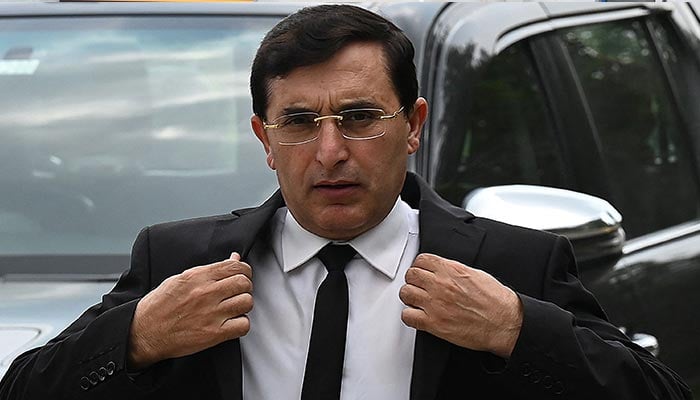
    PTI Chairman Gohar Ali Khan has voiced support for the creation of new provinces, saying administrative reforms are needed to improve governance, but stressed that any such move must be carried out strictly under the Constitution and with broad political consensus. Speaking during a television interview on Thursday, Gohar described the formation of new provinces as a national necessity. However, he emphasized that constitutional requirements must be fulfilled, including securing a two-thirds majority in the relevant provincial assemblies before any proposal could move forward. The PTI chairman also expressed skepticism about Prime Minister Shehbaz Sharif completing his full five-year constitutional term, though he did not elaborate on the reasons behind his remarks. The debate over creating new provinces gained momentum after Interior Minister Mohsin Naqvi recently argued that Pakistan’s governance system had become ineffective and required major structural reforms, including the establishment of additional administrative units. Naqvi later clarified that his comments reflected concerns about the country’s governance over several decades rather than criticism of the current government. The proposal has drawn mixed political reactions. Murad Ali Shah firmly rejected any suggestion of dividing Sindh, stating that the provincial assembly has repeatedly passed unanimous resolutions opposing such a move. He maintained that any change would require constitutional approval through a two-thirds majority in the concerned assembly. Meanwhile, Prime Minister’s Adviser Rana Sanaullah distanced the government from Naqvi’s remarks, describing them as the minister’s personal opinion. He said any discussion on creating new provinces should take place in parliament and follow the constitutional process. Sanaullah noted that establishing new provinces involves complex constitutional, financial and administrative considerations, including representation in parliament and resource distribution.

  • | | |

    Bullet casing found near spot where Mir Raza Ali&#…

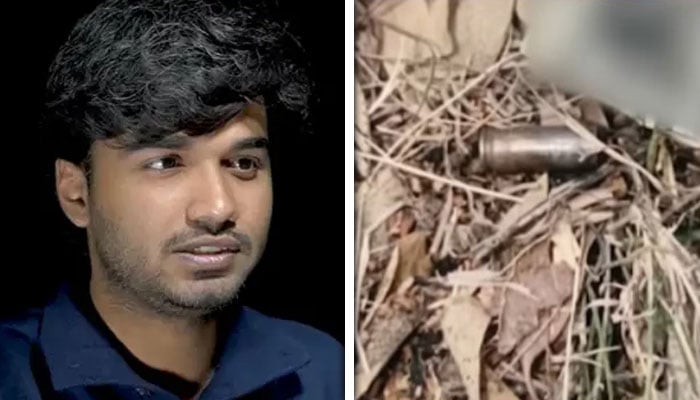
      Police investigating the death of a young man, Mir Raza Ali, have recovered a spent bullet casing from the area where his body was found in Karachi’s Gulistan-e-Jauhar neighborhood. The discovery is being treated as a potentially important piece of forensic evidence that may help investigators determine the circumstances surrounding the incident. According to police sources, the bullet casing has been collected and will be sent for forensic examination. Experts will conduct ballistic testing to determine the type of firearm from which the bullet was fired. Investigators hope the analysis will establish whether the casing can be linked to a specific pistol or any weapon previously used in other criminal cases. Officials said that forensic testing is a standard part of the investigation and could provide valuable clues regarding the events leading up to Mir Raza Ali’s death. If the casing matches a firearm recovered in the future or one already registered in forensic databases, it could help identify those responsible or provide investigators with new leads. Police sources stressed that it is still too early to reach any conclusions about the case. They cautioned against speculation, saying that the investigation remains in its initial stages and that all available evidence is being examined carefully. Authorities emphasized that no official determination has yet been made regarding the motive or the exact circumstances of the young man’s death. Investigators have also confirmed that the pistol believed to have been used in the incident has not yet been recovered. The search for the weapon is continuing, and police teams are working to locate it as part of the ongoing investigation. Recovering the firearm is considered a key objective, as it would allow forensic experts to compare it directly with the recovered bullet casing and establish whether the two are connected. In addition to the forensic examination, investigators are expected to continue gathering evidence from the crime scene and surrounding areas. Police may also review available surveillance footage, interview potential witnesses, and collect any additional material that could assist in reconstructing the sequence of events. Such investigative steps are commonly taken in cases involving suspicious deaths to ensure that all possible evidence is preserved and analyzed. Authorities have reiterated that the investigation is progressing and that further updates will be shared once forensic reports and additional evidence become available. Until then, police are urging the public to avoid drawing conclusions based on unverified information. The recovery of the bullet casing marks an important development in the investigation, but officials maintain that it represents only one piece of the overall evidence. The final findings will depend on forensic analysis, witness statements, and any additional evidence collected during the course of the inquiry. For now, investigators remain focused on uncovering the facts surrounding the death of Mir Raza Ali and determining whether any criminal involvement was responsible for the incident.