• Faculty development: beyond classrooms 

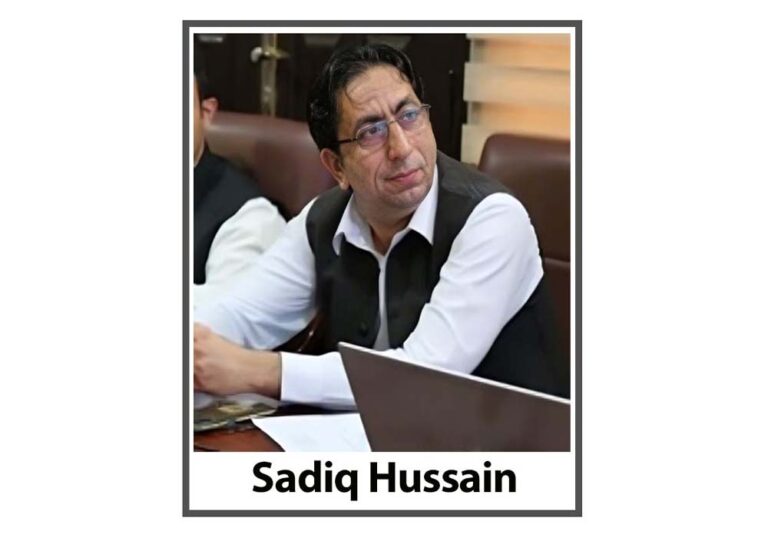
    By Prof. Engr. Dr. Khuram Pervez Amber The persistent weaker linkage between industries and universities in Pakistan requires strategic interventions from all stakeholders. Pakistan cannot expect systemic industrial growth while its higher education institutions and industrial sectors operate in silos. Number of universities in Pakistan has dramatically increased over the past two decades. At current, there are nearly 280 universities in Pakistan which are producing thousands of graduates every year. But the concerns of industries remain valid that the graduates lack the necessary technical knowledge and skills which are required in the industries. These concerns of industries are particularly reported in disciplines such as engineering, computer science and the applied sciences, where employers frequently report a mismatch between academic preparation and industrial requirements. Although there are some valuable initiatives by the HEC, PEC, and NTC which include mandatory industrial internships of six to eight weeks for the engineering and technology students, the impact of such initiatives is limited due to multiple factors. Another initiative of HEC to strengthen university academia linkage is the establishment of the Office of Research, Innovation, and Commercialization (ORICs) in universities. However, the effectiveness of this initiative has not been successful at the desired level as in many universities, ORICs operate with limited staff and resources, while directors of ORICs are usually on additional charges. Expecting a small office alone to build industrial linkages for an entire university is unrealistic. Currently, out of nearly 260 universities, only 95 universities have established ORICs. In the recent ORIC ranking of HEC, only seven of 95 universities achieved the top category, i.e. “W” category. One of the major unexplored reasons behind this fragile linkage between industry and academia is the limited or no industrial exposure of university teachers. Most university teachers move directly from their bachelor’s degrees into master’s and PhD programs. Through this route, such individuals may become academically qualified teachers, but this route does not make them professionals having knowledge of industrial practices, industrial standards, and industry-oriented innovations. In many cases, a teacher teaches an industrial system which he/she has never experienced. This approach may clear theoretical concepts of students, but such students will certainly struggle when they would face real- life industrial problems after their induction in industry. So why do our university teachers require industrial exposure in their field of research? The answer is simple. A teacher with industrial exposure brings his industrial experience into the classrooms, laboratories, projects, and discussions on daily basis. Industrial experience of such teachers would not only improve the technical understanding of students about various industrial systems but also enhance students’ problem-solving skills. It would further help students to understand industrial expectations. So how could universities help their faculty members to get industrial experience? This could be achieved through implementation of structured industrial placement/professional development programs under ORICs for university teachers particularly working in engineering, technology and applied sciences faculties. Under this program, university teachers can spend six months to twelve months in an industry related to their field of interest/research on a turn-by-turn basis. During this period, such faculty members will keep receiving their monthly salaries as usual. So, what will be the major benefits of this model? There will be significant improvement in the pedagogical skills of faculty members as they will be teaching with practical examples, industrial case studies and real-world problem-solving approaches. During their placement in the industry, faculty members would make connections with the industrial experts/managers/engineers which would help them in future to supervise industry-relevant research, secure collaborative projects and contribute to technology transfer. They would identify operational challenges requiring research-based solutions. Upon returning to universities, they can transform these challenges into student projects, postgraduate research topics and consultancy opportunities. This would help create a healthier research culture focused on solving local industrial problems. University graduates will have problem solving skills that are required by industry. Over time, this model would help bridge the trust deficit that exists between academia and industry. Admittedly, implementing such a policy would not be easy. Challenges such as shortage of faculty, and increased teaching workloads are genuine challenges. There are also cultural barriers within academia, where industrial experience is often valued less than traditional academic achievements. However, these barriers are manageable. HEC and professional bodies such as PEC, and universities can jointly develop and implement structured industrial placement programs for faculty members. The industrial experience can be recognized within promotion criteria of faculty members, accreditation frameworks and quality assurance standards. In the nutshell, to produce industry ready graduates, the industrial exposure of university faculty members is indispensable. Their industrial experience will result in a stronger academia-industry linkage which is essential for economic growth, innovation and technological progress. Until universities and industries begin working together more meaningfully, Pakistan will continue producing degrees faster than opportunities. Prof. Engr. Dr. Khuram Pervez Amber (CEng, MEI, PE, FHEA) The writer is serving as Director QEC at Mirpur University of Science and Technology, AJ&K.

  • | | |

    Pakistan marks Kashmir Exploitation Day

    Pakistan observed Kashmir Exploitation Day on August 5, with political leaders reaffirming their support for the people of Indian-administered Kashmir and describing India’s actions of August 5, 2019, as illegal and contrary to international law and United Nations resolutions. Deputy Prime Minister and Foreign Minister Ishaq Dar said Pakistan remains committed to supporting the Kashmiri people’s right to self-determination. In his message, he stated that India’s unilateral constitutional changes made on August 5, 2019, were unlawful and pledged Pakistan’s continued moral, political and diplomatic support for Kashmiris. He also urged India to reverse all measures that altered the disputed region’s constitutional status. The Foreign Office said Pakistan continues to observe Kashmir Exploitation Day to highlight the events of August 5, 2019. A spokesperson praised the courage, resilience and sacrifices of the people of Indian-administered Kashmir and reiterated Islamabad’s support for their cause. Punjab Chief Minister Maryam Nawaz paid tribute to the families of those who lost their lives during the Kashmir conflict and urged the United Nations and international human rights organisations to take notice of alleged human rights violations in the region. She said Pakistan would never accept the constitutional changes introduced by India in 2019. Sindh Chief Minister Syed Murad Ali Shah said India’s actions were against United Nations Security Council resolutions and called on the international community to play a greater role in protecting human rights in Kashmir. Senate Chairman Syed Yousaf Raza Gilani condemned India’s August 5 measures, saying attempts to alter the region’s demographic composition and identity were unacceptable. In Peshawar, a solidarity rally led by Khyber Pakhtunkhwa Governor Faisal Karim Kundi was held from the Civil Secretariat to the Governor House. Government employees and people from different walks of life participated in the event. Addressing the rally, Kundi said Pakistan would continue to stand with the people of Kashmir and support their aspirations. Sindh Home and Law Minister Zia-ul-Hassan Lanjar said the use of force and restrictions could not weaken the determination of the Kashmiri people. Sindh Assembly Speaker Owais Qadir Shah also urged the United Nations to play a more effective role in addressing the situation. Jamaat-e-Islami chief Hafiz Naeem ur Rehman said the struggle of the Kashmiri people would continue until the dispute is resolved in accordance with United Nations resolutions. Senator Sherry Rehman praised the resilience and determination of Kashmiris, while Federal Minister Amir Muqam, speaking at a rally in Islamabad, reiterated Pakistan’s support for Kashmir and criticised India’s policies in the disputed territory. PPP Parliamentarians Secretary General Nayyar Bukhari also condemned India’s 2019 constitutional changes, saying they had failed to suppress the Kashmiri people’s demand for self-determination and warning that such policies could undermine regional peace.

  • The Global Experience of Dividing Large Provinces …

    By Augustine Nasim Gill The debate over new provinces or smaller administrative units in Pakistan should not be reduced to maps, language, identity, or political representation. The central question should be whether new administrative units will improve governance, bring public services closer to citizens, strengthen revenue collection, reinforce the rule of law, and restore public confidence in the state. Many countries have improved administrative performance by transferring authority from the center to states, regions, districts, and local governments. Yet these experiences have not all been equally successful. Where political authority was matched by adequate financing, competent administration, credible elections, the rule of law, and strong oversight, results generally improved. Where governments merely created new boundaries, assemblies, and ministries while corruption, patronage, and weak institutions remained unchanged, costs increased without transforming citizens’ lives. A Basic Distinction Must Come First Creating new provinces and genuinely devolving power are not the same thing. Successful decentralization has at least four dimensions: Four Essential Pillars Political authority: Local and regional governments must be created through regular, free, and fair elections. Administrative authority: They must have genuine authority to manage departments, appoint qualified personnel, and hold officials accountable for performance. Fiscal authority: Their responsibilities must be matched by revenue powers, a predictable share of national taxes, grants, and budgets. Legal and institutional authority: Their powers must be protected by the Constitution or strong legislation so that federal or provincial governments cannot abolish them at will. Why Smaller Administrative Units Can Succeed Smaller, empowered units bring government closer to citizens. Residents of remote districts are less likely to travel hundreds of kilometers to a provincial capital for matters involving land, education, health, policing, courts, or development projects. Regional governments also understand local conditions more clearly. The coastal areas of Balochistan, the agricultural districts of southern Punjab, a major metropolis such as Karachi, and the mountainous or tribal areas of Khyber Pakhtunkhwa do not face identical challenges. A single policy designed in one provincial capital is often unable to respond effectively to such diversity. Smaller units can also increase political accountability. Citizens can more clearly observe the performance of their chief minister, ministers, mayors, district leaders, and civil administration. This benefit, however, appears only where elections are credible, information is open, and oversight institutions are independent. 1. Germany: Shared Powers, Shared Taxes, and Fiscal Equalization Germany is a federal country composed of sixteen states, known as Länder. Each state has its own constitution, parliament, and government, and enjoys substantial autonomy over its internal organization. The federal government is responsible for national defense, foreign policy, currency, and broad national legislation. The states play central roles in education, policing, culture, public administration, and the implementation of many laws. Municipal governments provide water, sanitation, local transport, urban planning, and many daily services. Major taxes are not retained exclusively by the federal government. Personal income tax, corporate income tax, and value-added tax are shared among the federal government, the states, and, in some cases, municipalities according to established rules. A fiscal equalization system then narrows the gap between wealthier states and those with weaker revenue capacity. Germany’s success is not simply the result of having sixteen states. It rests on clearly defined responsibilities, a strong tax administration, judicial oversight, a professional civil service, and a predictable equalization system. Lesson for Pakistan: Before new provinces are created, the country must decide how income tax, sales tax, customs duties, natural-resource revenue, property taxes, and other revenues will be divided. A permanent, transparent, and publicly understood formula is essential. 2. Spain: Regional Autonomy, Public Services, and Different Fiscal Models Spain is composed of seventeen autonomous communities. These regional governments exercise wide authority over health, education, social services, and regional development. Most regions receive a share of national taxes, limited authority over certain taxes, and equalization grants. The Basque Country and Navarre have broader tax-collection powers: they collect most taxes within their territories and then transfer an agreed contribution to the central government for national services. Regional government strengthened education, health services, and local identity, but Spain has also faced regional debt, fiscal imbalances, and separatist political movements. The lesson is that autonomy is not only a financial issue; national identity, constitutional boundaries, and commitment to the shared state also matter. Lesson for Pakistan: New units should not be designed solely around language. Administrative efficiency, population, economic viability, public consent, and national cohesion must all be considered. 3. Poland: Phased Reform, a Three-Tier System, and Local Development Poland did not devolve authority in a single step after the end of communist rule. Municipal self-government was restored in 1990, and a three-tier system was established in 1998-99: the municipality (Gmina), the county or district (Powiat), and the region (Voivodeship). Municipalities became responsible for water, sanitation, local roads, primary education, and local development. Districts managed services that were too large for one municipality but too limited for an entire region. Regional governments took responsibility for economic development, regional planning, and the management of European development funds. The reform succeeded because it was phased, local institutions were prepared, elected representatives were trained, professional administrations were developed, budgets were transferred, and responsibilities were defined. The continuing challenge is that not every municipality or district has equal administrative capacity. Some smaller units remain weak in planning, data, financial management, and specialist staffing. Lesson for Pakistan: Rather than creating many provinces overnight, Pakistan should begin with administrative pilots, stronger districts, digital systems, training, and independent audit in selected areas. 4. France: Gradual Decentralization from a Centralized State France was historically a highly centralized state, but beginning in the 1980s it gradually transferred authority from the central government to regions, departments, and communes. Regional governments manage economic development, transport, and some education and training functions. Departments play major roles in social welfare, certain roads, and local services, while communes provide day-to-day municipal services. Small municipalities often cooperate through joint institutions to manage water, waste, transport, and territorial planning. France’s challenge has been that responsibilities across different layers sometimes overlap or remain unclear,

  • | |

    PML-N wins LA-27 as PPP takes LA-28

    The Pakistan Muslim League-Nawaz (PML-N) and the Pakistan Peoples Party (PPP) shared victories in the delayed second phase of the Azad Jammu and Kashmir (AJK) Legislative Assembly elections, with each party securing one constituency in Muzaffarabad, according to unofficial and provisional results. The polling in LA-27 Muzaffarabad-I and LA-28 Muzaffarabad-II was held after voting in several polling stations was postponed on August 2 due to heavy rainfall and landslides that disrupted transportation and created safety concerns for voters and election staff. In LA-27 Muzaffarabad-I, PML-N candidate Noreen Arif was declared the winner after receiving 18,919 votes. She defeated Sardar Tabarak Ali of the Istehkam-e-Pakistan Party (IPP), who secured 18,621 votes, giving the PML-N candidate a narrow lead of 298 votes. Meanwhile, PPP candidate Bazil Ali Naqvi emerged victorious in LA-28 Muzaffarabad-II. He received 28,170 votes, defeating PML-N candidate Chaudhry Shehzad, who polled 26,864 votes. The unofficial results gave Naqvi a winning margin of 1,306 votes. Election authorities had postponed polling at 57 polling stations across the two constituencies after severe weather and landslides affected access to several areas. Once conditions improved and logistical arrangements were completed, voting was conducted peacefully under the supervision of election officials. With the completion of vote counting, the unofficial results confirmed PML-N’s continued dominance in the Muzaffarabad Division. The party has secured 15 of the division’s 21 seats, while the Pakistan Peoples Party has won six seats, making it the second-largest political force in the region.

  • Emissions Trading System in Pakistan

    Climate change is no longer solely an environmental concern, it has become one of the defining economic and trade challenges of the twenty-first century. Around the world, governments are increasingly using market-based mechanisms to reduce greenhouse gas (GHG) emissions while maintaining industrial competitiveness and economic growth. Among these mechanisms, the Emissions Trading System (ETS) has emerged as one of the most effective policy instruments. According to the World Bank’s State and Trends of Carbon Pricing 2026, there are now 87 carbon pricing instruments operating globally, including emissions trading systems and carbon taxes, covering nearly 30 percent of global greenhouse gas emissions. These instruments generated over US$107 billion in public revenues in 2025, demonstrating that carbon pricing has evolved from an environmental policy into an important pillar of economic and fiscal governance. In the case of Pakistan, one that is most vulnerable to climate change, the discourse & discussion on emissions trading has become increasingly pertinent. While Pakistan contributes less than one percent of global greenhouse gas emissions, it remains among the nation’s most severely affected by climate-induced disasters. The catastrophic floods of 2022 alone caused economic losses estimated at more than US$30 billion, highlighting the enormous economic costs of climate vulnerability. As Pakistan seeks to achieve sustainable economic growth while fulfilling its commitments under the Paris Agreement, an Emissions Trading System offers an opportunity to integrate climate action with industrial competitiveness, investment promotion, and long-term economic resilience. An Emissions Trading System, commonly referred to as a cap-and-trade mechanism, establishes a limit on the total amount of greenhouse gas emissions that regulated industries are permitted to emit. Within this overall cap, companies receive or purchase emission allowances that authorize them to emit a specified quantity of carbon dioxide or its equivalent. Firms that reduce their emissions below their allocated limits can sell their unused allowances to companies that exceed their emission caps. This market-based approach creates a financial incentive for industries to invest in cleaner technologies, improve energy efficiency, and reduce emissions while allowing businesses the flexibility to determine the most cost-effective compliance strategy. The success of emissions trading systems across the world demonstrates the growing importance of carbon markets in modern economic management. The European Union Emissions Trading System (EU ETS), launched in 2005, remains the world’s largest multinational carbon market and has significantly reduced emissions from power generation, manufacturing, and aviation. China now operates the world’s largest ETS by emissions covered, initially focusing on the power sector and gradually expanding to additional industries. South Korea, New Zealand, Switzerland, the United Kingdom, Kazakhstan, and several states in the United States and Canada have also established operational emissions trading systems tailored to their economic structures. Collectively, jurisdictions accounting for almost two-thirds of global GDP have either implemented or are actively developing direct carbon pricing mechanisms, signalling that carbon markets are rapidly becoming mainstream economic policy rather than experimental environmental initiatives. Across South Asia, governments are increasingly recognising carbon markets as instruments of economic competitiveness rather than solely environmental regulation. India has initiated the Carbon Credit Trading Scheme (CCTS) while expanding its long-standing Perform, Achieve and Trade (PAT) programme to improve industrial energy efficiency. Bangladesh is developing the institutional and regulatory foundations needed to participate in voluntary carbon markets and future compliance mechanisms. Together, these developments indicate a gradual regional shift towards integrating climate policy with industrial development, trade competitiveness, and sustainable economic growth. Pakistan has also begun laying the foundations for a future carbon market, although the country remains at an early stage of development. The National Climate Change Policy, Pakistan’s updated Nationally Determined Contributions (NDCs), and the National Adaptation Plan recognise the importance of market-based mechanisms for reducing emissions. The Ministry of Climate Change and Environmental Coordination, together with development partners including the World Bank, GIZ, UNDP, and the Asian Development Bank, has initiated policy dialogue and capacity-building initiatives aimed at strengthening Pakistan’s carbon market readiness. At the provincial level, Punjab has emerged as the frontrunner in preparing for emissions trading. With technical support from GIZ, the Environment Protection and Climate Change Department and the Planning and Development Board have initiated collaborative efforts to develop the institutional architecture necessary for an Emissions Trading System. These initiatives include the development of emissions inventories, digital Monitoring, Reporting and Verification (MRV) systems, the Green Credit Initiative, and the strengthening of Punjab’s Climate Watch platform to improve emissions monitoring and support evidence-based climate decision-making. Although these initiatives do not yet constitute a formal ETS, they represent important building blocks for a future provincial pilot that could eventually inform the development of a national emissions trading framework. Despite these encouraging developments, Pakistan faces several institutional and technical challenges before an operational ETS can be introduced. Reliable emissions inventories remain incomplete across many industrial sectors, while comprehensive Monitoring, Reporting and Verification systems are still evolving. Institutional responsibilities for climate policy, industrial regulation, energy management, and environmental protection remain fragmented across multiple federal and provincial agencies, requiring stronger coordination. Furthermore, many industries and institutions have limited experience with greenhouse gas accounting, carbon pricing & reporting, emissions verification that highlight the need for substantial technical capacity building. Nevertheless the opportunities created by ETS are significant, not only due to environmental benefits but formulates holistic markets that contribute to the world economy. Carbon market revenues have already crossed the threshold of almost US$30 billion in 2016 to over US$107 billion in 2025, representing the rapid and robust growth of climate finance and green investments worldwide. The European Union’s Carbon Border Adjustment Mechanism (CBAM) signals a new era where carbon compliance is becoming integral to international trade. Although Pakistan’s textile exports are not yet covered, global buyers increasingly demand transparent emissions reporting and low-carbon production. Developing an Emissions Trading System (ETS) and robust Monitoring, Reporting and Verification (MRV) systems will help Pakistani industries strengthen compliance and safeguard export competitiveness. Pakistan stands at a crossroads in its climate and economic development. With an estimated greenhouse gas emissions of around 500 million tonnes of CO2 equivalent (MtCO2e) per year, of which

  • |

    Russian missile strike kills 15 in Kyiv

    At least 15 people were killed and 27 others injured after Russia launched a large-scale missile and drone attack on Ukraine’s capital, Kyiv, officials said. The attack triggered more than 30 explosions across the city, with air raid sirens sounding throughout Kyiv and surrounding areas as residents sought shelter. The strikes caused widespread damage, and a major fire broke out in one part of the capital following the bombardment. According to Ukrainian authorities, search and rescue teams are continuing operations at the site of a destroyed warehouse, where several people are feared trapped beneath the rubble. Ukraine’s Air Force said Russia launched 28 high-speed missiles, including ballistic missiles, along with 115 drones during the overnight assault. Officials stated that none of the missiles were intercepted by Ukraine’s air defence systems, making it one of the most significant attacks on the capital in recent months. The missile and drone barrage targeted multiple locations in Kyiv, causing extensive destruction to buildings and infrastructure. Emergency responders remained at affected sites to extinguish fires, search for survivors and assist the injured. The latest strike comes as fighting between Russia and Ukraine continues to intensify after more than four years of war. Both sides have increased the frequency and scale of long-range attacks in recent months. Just days earlier, a separate exchange of strikes between the two countries left at least 14 people dead, including nine in Russia and five in Ukraine, highlighting the continued escalation of the conflict despite ongoing international efforts to reduce hostilities.

  • The Teachings of Hazrat Ali Hajveri (R.A)

    Hazrat Syed Ali bin Usman Al-Hajveri (R.A), popularly venerated as Data Ganj Bakhsh or Data Sahib, occupies a seminal position among the classical Sufi scholars of the Islamic tradition. Born in 1009 CE in Ghazni, present-day Afghanistan, he migrated to Lahore during the Ghaznavid period, where he spent the remainder of his life engaged in instruction, spiritual guidance, and moral reform. He died in 1072 CE and was interred in Lahore, where his shrine remains a major center of religious and cultural activity in South Asia.   The honorifics “Data” and “Ganj Bakhsh” denoting “the Giver” and “Distributor of Treasures” were conferred upon him in recognition of his intellectual munificence and his commitment to philanthropy. Historical and hagiographic sources attest that his hospice was accessible to individuals irrespective of social, linguistic, or religious affiliation. This principle of inclusivity continues to inform the ethos of his shrine, which attracts millions of pilgrims annually from Pakistan and abroad.   Hazrat Data Sahib’s principal scholarly contribution is the Persian treatise Kashf-ul-Mahjoob: The Revelation of the Veiled. Composed in the 11th century, it is regarded as the earliest systematic exposition of Sufism in the Persian language and retains canonical status in seminaries and universities worldwide. In this work, he delineates the interior dimensions of Islam, emphasizing that proximity to the Divine is attained through sincerity of intention, service to humanity, and sustained remembrance of Allah.   At present, his shrine in Lahore, known as Data Darbar, constitutes one of the largest Sufi complexes in South Asia. Daily visitation peaks on Thursdays, and the institution of perpetual langar  the provision of free meals  operationalizes his teaching on social welfare and continues to serve thousands of people each day.   The epistemological and ethical framework of Hazrat Data Sahib’s thought may be summarized under four interrelated principles.   First, he posited love of Allah and His Messenger ﷺ as the teleological basis of human existence. In Kashf-ul-Mahjoob, he argues that worship should proceed not from instrumental motives of fear or expectation of reward, but from authentic love and sincerity. He further contends that the spiritually realized individual maintains constant consciousness of Allah in all states of being.   Second, he advanced service to humanity as a form of worship. Rejecting ascetic withdrawal, he advocated an engaged ethic in which the pursuit of knowledge is coupled with service to the marginalized. His designation as “Ganj Bakhsh” reflects this commitment to the distribution of both material and spiritual resources. Third, he emphasized Tazkiya-e-Nafs, or the purification of the self, as a prerequisite for moral agency. He enjoined his disciples to abstain from vices such as greed, envy, wrath, slander, and pride, and to cultivate virtues including patience (sabr), gratitude (shukr), veracity (sidq), and contentment (qana‘at). For him, authentic knowledge was manifest not merely in textual erudition but in ethical conduct (akhlaq). Fourth, he articulated Sufism as the inward dimension of Shariah. He maintained that observance of ritual obligations  prayer, fasting, and lawful livelihood  must be complemented by dhikr, the remembrance of Allah, to ensure spiritual vitality. He further stressed the necessity of authoritative pedagogy and virtuous companionship as conduits for moral and spiritual development. The teachings of Data Ganj Bakhsh retain considerable relevance in the 21st century. In an era characterized by consumerism, occupational precarity, and digital hyper-connectivity, his advocacy of qana‘at and dhikr offers a corrective to stress, anxiety, and existential vacuity. His framework suggests that psychological equilibrium is derived less from material accumulation than from interior discipline and divine orientation.   Furthermore, his principle of social service addresses contemporary challenges of poverty, isolation, and inequality. The institutionalized langar at Data Darbar exemplifies this ethic and provides a model for civic engagement, volunteerism, and communal solidarity.   In the context of digital communication, his insistence on akhlaq assumes particular salience. His exhortations to truthfulness, humility, and restraint provide a normative basis for addressing online hostility, misinformation, and the erosion of civility. For students and professionals alike, his model affirms that technical competence must be accompanied by moral integrity.   Finally, his doctrine of equilibrium between spiritual and worldly responsibilities offers a viable paradigm for modern Muslim subjects. He did not advocate monasticism, but rather the integration of professional, academic, and technological life with enduring spiritual commitments. This synthesis enables individuals to pursue vocational excellence without compromising ethical values.   In conclusion, the legacy of Hazrat Ali Hajveri (R.A) transcends its historical milieu. Centered on love of Allah, service to humanity, and self-purification, his teachings provide a coherent response to contemporary social and psychological challenges. The adoption of these principles at the individual and communal level holds the potential to foster more just, compassionate, and purpose-driven societies.

  • Justice delayed & wrongdoers’ profitability

    A recent five-member judgment of the Supreme Court has settled an important question of Pakistani company law. It has also exposed a deeper weakness in our justice system: even when fraud is ultimately defeated, the victim may receive no meaningful compensation for the years consumed in recovering what was unlawfully taken. In Abdul Razzaq v Registrar of Companies, Securities and Exchange Commission of Pakistan and others, Civil Appeal No. 125 of 2025, decided on April 22, 2026, the Court held that the passage of time could not protect a fraudulent entry in a company’s register of members. The ruling affirms Naila Naeem Younus v Indus Services Limited (2022 SCMR 1171), under which a petition for rectification of the register under section 126 of the Companies Act, 2017 is not barred by limitation where shares have been taken through fraud. The decision is legally compelling. The register of members determines who owns shares, receives dividends, votes at meetings and exercises corporate control. A fraudulent alteration is therefore not a technical defect. It can amount to stealing ownership through manipulation of the company’s official record. The Court has rightly refused to allow deception to become title merely because it remained concealed for several years. Fraud is usually designed to remain undiscovered. Applying a rigid limitation period in favour of the person concealing it would reward the very conduct that the law is meant to prevent. The judgment also resolves the uncertainty arising from Bentonite Pakistan Limited v Bankers Equity Limited (2023 SCMR 1353), in which observations had suggested that Article 181 of the Limitation Act could apply to company-law proceedings. The larger bench has clarified that a rectification petition is not an “application” governed by that provision. This doctrinal clarity is welcome. The harder question is what justice means after the fraud has lasted for years. A person fraudulently deprived of shares may lose dividends, voting rights, managerial control and participation in rights or bonus issues. The wrongdoer may meanwhile control the company, use its assets and finance the litigation from benefits derived through the disputed shareholding. After 10 or 20 years, an order restoring the shares may correct the register. It does not necessarily compensate the victim. This problem extends far beyond company law. In Pakistan, fraudulent possession and prolonged litigation often operate together. Land, inheritance, commercial assets and corporate rights are appropriated through false documents or manipulated records. Once challenged, the beneficiary denies everything, seeks adjournments, produces further documents and carries the matter through every available forum. Delay becomes a business strategy. The wrongdoer retains the asset while the victim pays to recover it. Even after losing, the wrongdoer may be required only to return property that never lawfully belonged to him. Nominal costs do little to alter this calculation. A rational legal system must ensure that fraud and frivolous litigation are economically unattractive. Otherwise, the expected gain from wrongdoing remains greater than its expected cost. Pakistan needs to move towards a genuine cost-based justice system. This does not mean obstructing access to courts or punishing honest litigants who fail to prove a bona fide claim. It means distinguishing genuine disputes from proceedings maintained through deliberate falsehood, concealment, forged documents or tactical delay. The Code of Civil Procedure, 1908 provides for costs, and the federal Costs of Litigation Act, 2017 recognises actual, adjournment and special costs in specified circumstances. The larger principle should be applied far more effectively: an innocent litigant should not be forced to finance the other side’s abuse of judicial process. Where fraud is established, courts should ordinarily consider restoration of all benefits obtained from the disputed property, interest for the period of deprivation, realistic legal expenses and enhanced costs where false or vexatious pleas prolonged the case. In corporate cases, this could include an account of dividends, bonus and rights shares, remuneration obtained through control, and other measurable benefits flowing from the fraudulent entry. Section 126(4) also permits referral of fraudulent conduct for proceedings under section 127. Such referrals should be made where the evidence warrants them. The constitutional dimension should not be ignored. Article 10A of the Constitution guarantees fair trial and due process, while Articles 23 and 24 protect property. A right restored after decades, without compensation for its prolonged deprivation, is only partially vindicated. The Supreme Court has correctly ruled that fraud cannot shelter behind the calendar. Our jurisprudence must now adopt the accompanying principle that fraud cannot profit from the judicial calendar either. Justice must do more than correct an entry after years of litigation. It must remove the financial benefit of wrongdoing, compensate the victim as far as reasonably possible and impose realistic costs on those who misuse courts to preserve the proceeds of fraud. Only then will delayed justice cease to be an investment for the wrongdoer. _______________________________________________________________________   Dr. Ikramul Haq, Advocate Supreme Court, Adjunct Faculty at Lahore University of Management Sciences (LUMS), member Advisory Board and Visiting Senior Fellow of Pakistan Institute of Development Economics (PIDE), holds an LLD in tax laws. He was full-time journalist from 1979 to 1984 with Viewpoint and Dawn. He also served Civil Services of Pakistan from 1984 to 1996.

  • | | |

    Rising chip costs may increase phone prices in Pak…

    The rising cost of semiconductor chips in the global market could lead to another increase in mobile phone prices in Pakistan, as smartphone manufacturers continue to face higher production expenses. Industry experts say the global technology sector is experiencing a sharp rise in the cost of key components used in smartphones. The increasing demand for advanced semiconductor chips, particularly those used in artificial intelligence (AI) data centres, has placed significant pressure on chip manufacturers and global supply chains. In addition to AI-related demand, the prices of memory chips, silicon wafers, chip packaging materials and other electronic components have also increased. These factors have raised the overall cost of manufacturing smartphones, forcing companies to review their pricing strategies. The impact is being felt across the international mobile industry. Manufacturers are facing higher production costs, while suppliers are adjusting prices to cope with increased manufacturing expenses. As a result, smartphone companies are expected to pass part of the additional cost on to consumers. Pakistan’s mobile phone market is closely linked to global supply chains because most smartphones and their components are imported. Any increase in international production costs is likely to affect the prices of devices sold in the local market. Industry analysts say consumers may have to pay more for both premium and mid-range smartphones if the trend continues. They added that the exact increase will depend on international market conditions, import costs and currency exchange rates in the coming months. The expected rise would come at a time when consumers are already dealing with higher prices for electronic goods due to inflation and increased import expenses. A further increase in smartphone prices could reduce purchasing power and slow demand in the local market.

  • | |

    Monica Barbaro reveals ultimate dating red flag

    Actor Monica Barbaro has opened up about what she believes is the biggest warning sign in modern dating while continuing to attract attention for her relationship with actor Andrew Garfield. The 36-year-old actor shared her views during the red carpet premiere of her upcoming film One Night Only, where she was asked about relationship habits that immediately raise concerns. Barbaro said one of the clearest red flags is when a person shows no curiosity about their date and spends the entire conversation talking only about themselves. She explained that several of her friends have experienced similar situations, describing it as a common complaint in today’s dating culture. According to Barbaro, meaningful conversations require mutual interest. She said it is a warning sign when someone fails to ask even a single question about the other person, as it reflects a lack of genuine interest in getting to know them. The actor added that healthy relationships are built on communication, attentiveness and equal participation in conversations. In her view, a one-sided discussion can reveal important aspects of a person’s personality early in the relationship. Barbaro’s comments come as public interest in her romance with Andrew Garfield continues to grow. The pair first sparked dating speculation after they were seen together around the 2025 Academy Awards, with fans closely following their appearances over the past year. Most recently, Garfield attended the premiere of One Night Only to support Barbaro, further fuelling interest in their relationship. Although the couple has largely kept their personal life private, their public appearances together have continued to attract attention from fans and entertainment media. Barbaro is currently preparing for the release of One Night Only, while Garfield remains active with several upcoming film projects. Their relationship has become one of Hollywood’s most talked-about romances, even as both actors continue to focus on their careers