National

  • | | |

    Pakistan’s defence tech breakthrough: PM Shehbaz

    Prime Minister Shehbaz Sharif has said Pakistan has achieved significant progress in developing its own defence technologies and autonomous systems. Addressing the Indus Robotics and Autonomous Systems (RAS) Expo 2026 in Islamabad, the prime minister praised the country’s growing capabilities in robotics, artificial intelligence and advanced defence technologies. PM Shehbaz said Pakistan’s armed forces have made major advancements in indigenous defence production and autonomous systems. He credited the progress to strong leadership and the efforts of national institutions. He said modern technologies displayed at the exhibition reflected Pakistan’s ability to develop advanced systems locally. The prime minister highlighted that several defence-related technologies, including simulators and autonomous platforms, were designed and manufactured within the country. During his visit to the exhibition, PM Shehbaz reviewed various locally developed technologies. He said the production of advanced equipment inside Pakistan was a major achievement and demonstrated the country’s growing technical expertise. The prime minister noted that drone technology had achieved significant levels of local production, while several other important machines and systems were also being developed domestically. He said Pakistan’s armed forces have successfully used modern autonomous systems to strengthen the country’s physical and cyber security. He added that advanced technologies have enhanced the ability of security institutions to respond to emerging challenges. PM Shehbaz emphasized the importance of innovation, research and technological development for Pakistan’s future. He said continued investment in artificial intelligence, robotics and modern defence systems would help strengthen national security and technological independence. The Indus Robotics and Autonomous Systems Expo brings together experts, researchers, defence professionals and technology developers to showcase advancements in robotics, automation and artificial intelligence. The prime minister said such initiatives would encourage local innovation and support Pakistan’s journey toward self-reliance in advanced technologies.
  • | |

    GB Chief Minister forms 12-member cabinet

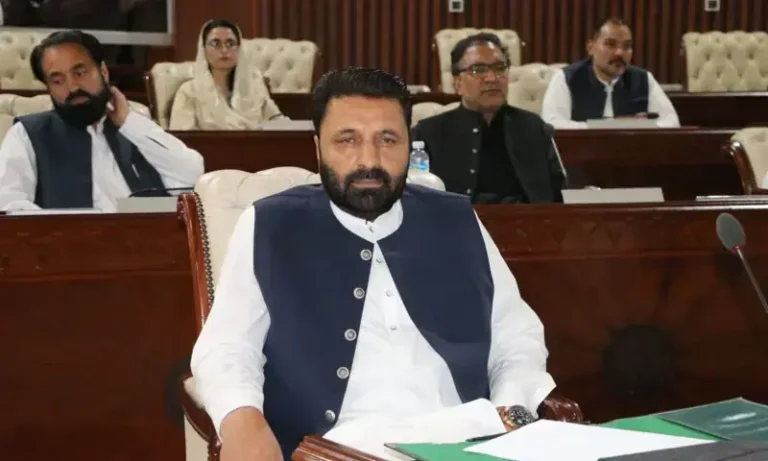
    Gilgit-Baltistan Chief Minister Amjad Hussain has formed his provincial cabinet, appointing 12 members of the Gilgit-Baltistan Assembly as ministers. The newly formed cabinet includes eight members from the Pakistan Peoples Party (PPP) and four members from the Istehkam-e-Pakistan Party (IPP). The appointments were made through an official notification issued by the relevant provincial departments. The notification stated that the members were appointed as ministers on the recommendation of the chief minister and approval of the governor. The newly appointed PPP ministers include Zulfiqar Ali Murad, Syed Jalal Shah, Muhammad Ali Akhtar, Naiknam Karim, Iqbal Hassan, Raja Nasir Khan, Muhammad Naseem and Syed Tauqeer Mehdi. The four IPP members joining the cabinet are Aman Ali, Asad Shafiq, Anwar Ali and Muhammad Dilpazeer. The government has not yet announced the portfolios of the newly appointed ministers. Their departments are expected to be allocated in the coming days. The IPP members selected for the cabinet had participated in the Gilgit-Baltistan elections as independent candidates before joining the party. The new cabinet formation comes after political developments following the Gilgit-Baltistan elections. The PPP emerged as the leading party and formed the government with support from other political groups. The Gilgit-Baltistan Assembly currently consists of representatives from multiple political parties, including the PPP, Pakistan Muslim League-Nawaz (PML-N), IPP, Majlis Wahdat-i-Muslimeen and a PTI-backed independent member. Meanwhile, a by-election for the GBA-9 Skardu-III seat is scheduled after the disqualification of PPP candidate Fida Muhammad Nashad by the Gilgit-Baltistan Supreme Appellate Court over issues related to his nomination papers. Following the elections, the PML-N and IPP supported the PPP candidate for the positions of chief minister, speaker and deputy speaker. However, the PML-N later decided to sit on the opposition benches.

  • | |

    PITB IT certification scheme crosses 20,000 applic…

    LAHORE: The Punjab Information Technology Board (PITB) has crossed a major milestone in its Global IT Certifications Program, attracting more than 20,000 applications since the initiative was launched in September 2024. The achievement was highlighted during a progress review meeting chaired by PITB Chairman Faisal Yousaf, where senior officials assessed the program’s implementation and future direction. The meeting was attended by Director General e-Governance Sajid Latif, Director of the Skills Development Wing Chaudhry Ahmed Islam, and other senior officials. Discussions focused on the pace of application processing, candidate and certification verification, as well as the reimbursement system designed to support successful participants. Officials informed the meeting that the eligibility of nearly 11,000 applicants has already been verified through a dedicated online portal developed by PITB. Payment verification has been completed for approximately 1,350 candidates, while certification verification has been finalized for around 1,150 applicants, paving the way for reimbursement of certification costs. According to the briefing, 662 candidates have so far received full reimbursement of their certification fees. The payments were transferred directly to their bank accounts after successful completion of internationally recognized IT certifications and the verification of their credentials. The Global IT Certifications Program is aimed at equipping Punjab’s youth with internationally recognized digital qualifications, helping them strengthen their professional skills, improve employment prospects, and compete in the rapidly evolving global technology sector. Speaking during the meeting, Chairman Faisal Yousaf said the strong response from aspiring professionals reflects the increasing demand for internationally recognized digital expertise. He noted that, in line with the evolving needs of the IT industry, PITB has expanded the initiative to include 125 globally recognized IT certifications, offering young Pakistanis broader opportunities to develop competitive careers in the international digital economy. PITB has encouraged interested individuals to apply for the program through its official online portal, where details regarding eligibility, available certifications, and the registration process are available.

  • | |

    Experts call for gender-responsive water policies …

    LAHORE: The growing impact of water insecurity and climate change on women took center stage at a dialogue titled “Women and Water,” jointly organized by Women in Struggle for Empowerment (WISE) and the University of Home Economics, Lahore. The event brought together academics, development professionals, and civil society representatives to advocate for inclusive and gender-responsive water governance in Pakistan. Addressing the gathering, Vice Chancellor of the University of Home Economics, Prof. Dr. Zaib-un-Nisa, underscored the urgent need to tackle water pollution, plastic waste, and inadequate water treatment systems. She stressed that sustainable solutions require greater investment in scientific water management, wider adoption of rainwater harvesting, improved household water storage, advanced recycling technologies, and university-led awareness campaigns to encourage responsible water use. Executive Director of WISE, Bushra Khaliq, said that Pakistan’s water challenges cannot be effectively addressed without recognizing their disproportionate impact on women and girls, who often bear the greatest burden of water scarcity. She emphasized the importance of drawing lessons from organizations working directly in urban water management and called for stronger collaboration among government institutions, academia, civil society, and local communities. She also urged policymakers to ensure women’s voices, experiences, and leadership are fully integrated into water governance at every level. Speaking on the occasion, Dr. Iram Rubab, Head of the Sociology Department at the University of Home Economics, described water as a multidimensional issue linked to health, agriculture, family welfare, livelihoods, sociology, and environmental sustainability. She encouraged interdisciplinary dialogue and collaborative research, noting that adopting a gender perspective in water management leads to more effective identification of challenges and practical solutions, particularly as women remain the primary managers of household water resources. The participants agreed that addressing Pakistan’s growing water crisis requires policies that not only strengthen water management but also recognize the vital role of women in ensuring sustainable and equitable access to this essential resource.

  • |

    Pakistan secures US $629.5 million in agreements following landmark Pakistan-China Pharmaceutical B2B Conference

    Syed Mustafa Kamal, Federal Minister for National Health Services, Regulations and Coordination has announced a major breakthrough for Pakistan’s pharmaceutical sector following the successful Pakistan-China Pharmaceutical Business-to-Business (B2B) Conference held in Islamabad on 17–18 July. Addressing a press conference, the Minister said the conference marks a significant milestone in the government’s efforts to transform Pakistan’s pharmaceutical industry into a globally competitive sector, attract foreign investment, strengthen local manufacturing, and reduce dependence on imported pharmaceutical products. “The purpose of sharing this success is to present a positive image of Pakistan to our people and the world. While challenges exist, it is equally important to highlight our achievements that restore confidence in Pakistan’s economy and its investment potential,” the Minister said. The two-day conference brought together 240 Chinese delegates representing 140 leading Chinese pharmaceutical companies and 430 Pakistani delegates from 210 local companies, making it one of the largest Pakistan-China engagements ever held exclusively for the pharmaceutical sector. To maximize business outcomes, the Ministry of National Health Services facilitated six weeks of virtual business matchmaking before the conference, ensuring participating companies entered the event with well-developed business discussions rather than first-time introductions. As a result, the conference generated 340 bilateral business meetings, culminating in: 22 commercial agreements worth US$629.5 million 84 Memoranda of Understanding (MoUs) with an estimated value of approximately US$800 million, many of which are expected to mature into formal investment agreements. The signed agreements span six strategic sub-sectors critical to the future of Pakistan’s healthcare industry: Active Pharmaceutical Ingredients (APIs) – 2 agreements Local Vaccine Production – 8 agreements Clinical Trials – 2 agreements Generic Formulations & Injectables – 2 agreements Medical Devices Manufacturing – 8 agreements The Minister emphasized that the government’s objective extends beyond signing MoUs, focusing instead on legally binding commercial agreements that lead to tangible investments, technology transfer, industrial growth, and employment generation. Highlighting the government’s broader pharmaceutical reforms, the Minister noted that Pakistan has, for the first time, developed and approved a National Local Vaccine Production Policy, creating the policy framework necessary for domestic vaccine manufacturing. Currently, Pakistan administers 13 vaccines under its national immunization programme, all of which are imported. The new policy aims to establish local production capacity, improve health security, and reduce import dependence. The Minister also identified several strategic priorities being pursued jointly with Chinese partners, including: Development of Pakistan’s clinical trials ecosystem; Promotion of Traditional Chinese Medicine and herbal medicines; Local manufacturing and export of medical devices; Establishment of vocational and technical training programmes for the pharmaceutical and biotechnology workforce; and Indigenous production of Active Pharmaceutical Ingredients (APIs), as Pakistan currently imports approximately 95% of the raw materials used to manufacture medicines despite producing nearly 85% of its pharmaceutical products locally. The Minister observed that healthcare is a permanent and growing global industry, and with Pakistan’s population exceeding 250 million, strengthening domestic pharmaceutical manufacturing has become both an economic and strategic necessity. He further highlighted the government’s regulatory reforms, particularly within the Drug Regulatory Authority of Pakistan (DRAP), where approximately 85% of regulatory processes have now been digitized. The reforms have substantially reduced processing times, enhanced transparency, minimized human intervention, and improved ease of doing business. As an example, the Minister noted that the registration of medical devices, which previously required years to complete, can now be processed entirely online, with approvals being issued within 20 days, significantly improving investor confidence. The Minister acknowledged the collective efforts of the Embassy of Pakistan in Beijing, led by Ambassador Khalil Hashmi, the Ministry of National Health Services, DRAP, the Trade Development Authority of Pakistan (TDAP), the Board of Investment (BOI), the Ministry of Information and Broadcasting, Islamabad Police, law enforcement agencies, and all public officials whose coordinated efforts ensured the successful organization of the conference. He also appreciated the active participation of the Pakistani pharmaceutical industry and Chinese business partners, whose collaboration translated business dialogue into concrete investment commitments. Concluding the press conference, the Minister described the conference as the beginning of a long-term strategic partnership between Pakistan and China in the healthcare and pharmaceutical sectors. He reaffirmed the government’s commitment to ensuring that the signed agreements are implemented expeditiously and translated into operational projects that strengthen Pakistan’s pharmaceutical manufacturing capacity, create employment opportunities, increase exports, and contribute to national economic growth.

  • |

    AI manipulation claimed in PARC hiring; 105 candidates still waiting

    Islamabad: The Senate Standing Committee on National Food Security erupted in controversy today as concerns over recruitment at the Pakistan Agricultural Research Council (PARC) were aired with unprecedented intensity. Senators claimed that the federal research body may have violated constitutional equity, leaving candidates from Sindh and Balochistan sidelined while Punjab and Khyber Pakhtunkhwa dominated appointments. At the heart of the storm are 230 vacant posts at PARC. Although the posts were advertised nationwide and tested through the third party Candidates Testing Services (CTS), only 125 candidates have received appointment letters, leaving 105 hopefuls in limbo. Senator Poonjo Bheel voiced sharp criticism, accusing PARC of sidelining smaller provinces, potentially breaching Article 38(g) of the Constitution. “Appointments have disproportionately favored Punjab and KP,” he warned, “while Sindh and Balochistan candidates are deprived of their due share.” PARC representatives defended their process, noting that a few Sindh candidates were appointed purely on merit and promising interviews for remaining Sindh and Balochistan candidates in the coming week. Yet, the Committee remained unconvinced. Senators stressed that results should be announced simultaneously across all provinces, warning that staggered releases could create perceptions of bias. The session took an even more sensational turn when officials revealed allegations of a coordinated propaganda campaign against PARC. Officials claimed that artificial intelligence (AI) may have been used to manipulate recruitment results, prompting the Committee to recommend immediate show cause notices for any employees involved in such activities. The Chairman directed PARC to submit a detailed list of the appointing authorities responsible for each recruitment decision and a comprehensive record of the 105 pending candidates’ interviews. The Committee demanded transparency and accountability to prevent further distrust in the nation’s premier agricultural research body. The Committee’s stern message made it clear: “Merit alone cannot justify provincial inequity, and any manipulation digital or human will not be tolerated.” The meeting was attended by Senators Rahat Jamali, Shahadat Awan, and Poonjo Bheel, with the agenda moved by Senator Shahadat Awan deferred due to the absence of the Federal Minister and Secretary.

  • |

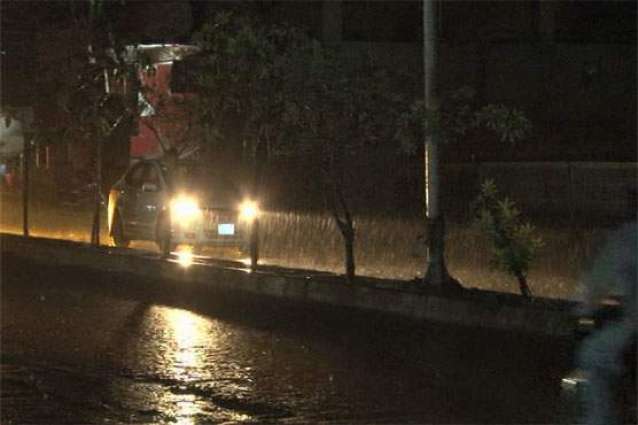
    PDMA issues high alert as heavy monsoon rains claim lives, trigger flooding across country

    Lahore: The Provincial Disaster Management Authority (PDMA) has issued a 24-hour high alert as torrential monsoon rains continue to batter large parts of Pakistan, resulting in loss of life, widespread flooding and extensive damage to homes and infrastructure. In Punjab, at least eight people were killed and 37 others injured after roofs and walls collapsed during heavy rainfall. Four fatalities were reported in Gujranwala, while a child drowned in an underpass in Kamalia after being swept away by accumulated rainwater. Three more people lost their lives in separate roof collapse incidents in Pakpattan and Sahiwal. Torrential rains inundated streets, residential neighbourhoods and commercial areas in Sialkot, while low-lying areas of Faisalabad were submerged, major roads were flooded and traffic was severely disrupted. A woman and a young girl were also injured after the roof of a house collapsed in Faisalabad. Heavy showers were also reported in Wazirabad, Kamalia, Hafizabad, Pindi Bhattian, Bhera, Sargodha, Bhakkar, Layyah and Dera Ismail Khan, leaving roads and streets submerged. The Pakistan Meteorological Department (PMD) has warned of flash floods in hill torrents and seasonal streams, while urban flooding remains a significant concern in Gujranwala, Sialkot, Narowal, Okara and Sahiwal over the next 48 hours. According to official rainfall data, Gujranwala received 142 millimetres of rain, followed by Mandi Bahauddin with 133 millimetres, Narowal with 95 millimetres, Sialkot with 85 millimetres and Hafizabad with 70 millimetres. In Lahore, two people were killed and two others, including a woman and a young child, sustained injuries when the roof of a house collapsed in (Kot Babu Khan) Raiwind. The roof, reportedly constructed with wooden beams, gave way during the heavy downpour. Rainfall was also recorded across several areas of Lahore, including Lahore High Court, Kalma Chowk, Mall Road, Ring Road, Model Town, Hamdard Chowk, Gulshan Ravi and Samanabad, where the highest rainfall of 4.2 millimetres was recorded. In Khyber Pakhtunkhwa, at least 14 people have lost their lives and 19 others have been injured in rain-related incidents. The victims include six children and two women. According to the PDMA, six houses were completely destroyed, while 22 others sustained partial damage. Gilgit-Baltistan Chief Minister Amjad Hussain visited the National Disaster Management Authority (NDMA), where NDMA Chairman Lieutenant General Inam Haider briefed him on preparedness measures and the risks associated with the ongoing monsoon season. Authorities also reported low-level flooding in the Jhelum, Sutlej, Ravi and Chenab rivers, although water levels remain within their channels. PMD official Dr. Irfan Virk said the weather advisory issued for July 18-25 had already warned of widespread monsoon activity. He said heavy rainfall is expected to continue over the next two days, particularly in Mansehra, Upper and Lower Dir, Swat, Chitral, Battagram, Kohistan, Peshawar, Swabi, Mardan, Kurram, Kohat, Karak and Dera Ismail Khan. Officials said the current weather system is expected to persist over central Pakistan for another two days before gradually weakening. Citizens have been advised to remain vigilant, avoid unnecessary travel to flood-prone areas and follow official safety advisories due to the continued risk of flooding, structural collapses and other rain-related hazards.

  • |

    Thousands of former Pak PWD employees still await salaries as Committee slams bureaucratic delay

    Islamabad: The Senate Standing Committee on Housing and Works erupted in frustration over massive delays in salary payments to former Pakistan Public Works Department (Pak PWD) employees, exposing systemic inefficiencies and administrative apathy across federal ministries. Despite being adjusted in various departments, thousands of workers remain unpaid, sparking fears of widespread exploitation and financial insecurity. Chairman Senator Nasir Mehmood openly criticized ministries for misleading assurances, stating that the Committee would not tolerate empty promises. Officials revealed that out of 20,024 former Pak PWD employees, only 3,094 had received salaries, while around 30 cases remained pending, including employees in the Ministry of Planning and Ministry of Religious Affairs. “These delays are unacceptable,” Senator Mehmood said, stressing that commitments made to the Committee must be implemented without further excuses. The Committee also took up the plight of contractual employees, highlighting that existing rules deny them pensions. While the Ministry of Housing and Works had submitted proposals for special consideration, no concrete action has been taken yet, leaving many workers in limbo. Senator Naseema Ehsan highlighted the plight of widows and families of deceased employees, urging immediate resolution to their pending cases. Beyond employee issues, the Committee reviewed stalled development projects, including the Green Enclave I Housing Project, which has faced prolonged delays due to litigation, NAB inquiries, land disputes, bank guarantees, COVID-19 impacts, and contractual complications. Despite partial resumption of work, allottees continue to suffer from financial and operational setbacks. Chairman Mehmood warned, “Thousands of citizens invested in good faith; they deserve timely delivery, not excuses.” The Committee directed contractor Dr. Hafeez Abbasi to appear in the next session to explain persistent delays and emphasized that all stakeholders must cooperate to complete projects promptly. Officials confirmed that new housing schemes are on hold until ongoing projects are completed, highlighting a major bottleneck in government housing delivery. Other projects under scrutiny included lift replacements at Shaheed-e-Millat Secretariat, which remain incomplete, and the Model Jail project, where only Phase-I is near completion, while Phase-II, including women’s facilities, is still pending. The Committee demanded an on-site inspection in August to ensure accountability and prevent further slippage. In a stern warning, Senator Mehmood urged all ministries and departments to implement recommendations immediately and submit detailed progress reports in the next meeting, signaling zero tolerance for bureaucratic inaction.

  • |

    Leadership crisis at EPZs threatens Pakistan’s industrial future

    Islamabad: The Senate Standing Committee on Industries and Production today exposed alarming governance lapses and structural vulnerabilities in Pakistan’s industrial sector, raising serious questions over the future of Export Processing Zones (EPZs) and the proposed Automotive & Auto Parts Manufacturing Policy 2026–31. The session, chaired by Senator Saleem Mandviwalla, revealed that the Export Processing Zones Authority has been operating without a permanent chairman for an extended period, leaving critical decisions in limbo. Committee members expressed deep concern that this leadership vacuum is undermining investor confidence and delaying strategic initiatives crucial for industrial growth. Mandviwalla warned that the prolonged absence of leadership threatens compliance with Pakistan’s commitments under the IMF Extended Fund Facility (EFF), particularly the phase-out of incentives and restrictions on EPZ sales to the domestic market. Industry representatives attending the committee highlighted growing discontent over the draft Auto Policy 2026–31. While the policy aims to boost New Energy Vehicles (NEVs), increase domestic value addition, and expand exports, local manufacturers face crippling challenges. High tariffs on raw materials, steep duties, and overall cost disadvantages were flagged as severe obstacles that could prevent the policy’s objectives from materializing. “The government’s plan is ambitious, but without resolving operational bottlenecks, domestic producers will be left behind while international competitors gain an advantage,” said a senior industry official. The committee directed all stakeholders to submit formal grievances and scheduled a follow-up joint session with the Ministry of Commerce and the Ministry of Industries and Production to ensure these issues are addressed before the next IMF review. Officials confirmed that EPZ incentives and operational rules require immediate reform, warning that failure to act decisively could deter foreign and domestic investment, compromise manufacturing growth, and slow Pakistan’s economic recovery. The committee stressed that rectifying these issues is critical not only for industrial expansion but also for maintaining Pakistan’s international credibility in trade agreements and IMF compliance.

  • | | | |

    Petrol pump strike deferred after govt deal

    The planned nationwide strike by petrol pump owners and petroleum dealers has been postponed after successful negotiations with the federal government. The decision came following fresh talks between government officials and representatives of petroleum dealers, ending a deadlock that had raised concerns over possible fuel supply disruptions across the country. During the meeting, the government assured petroleum dealers that their concerns would continue to be addressed through dialogue. However, officials made it clear that the federal government has no plans to increase dealers’ profit margins to 8%, rejecting one of the key demands raised by the dealers. Officials said the proposed system of daily fuel price adjustments is intended to bring greater transparency and efficiency to Pakistan’s petroleum supply chain. They maintained that the new pricing mechanism would improve market operations and ensure a more transparent process for consumers and industry stakeholders. The negotiations were attended by Chairman of the Pakistan Petrol Pump Owners Association Humayun Khan, Vice Chairman Atif Butt and other representatives of petroleum dealers. After detailed discussions, both sides agreed to continue consultations instead of moving ahead with the planned strike. Following the successful talks, the Pakistan Petrol Pump Owners Association and the Dealers Association officially announced the postponement of their nationwide protest. The decision removed the immediate threat of fuel shortages that could have affected transport, businesses and the general public. Petroleum Minister Ali Pervaiz Malik thanked petrol pump owners and dealers for choosing dialogue over confrontation. He said the government values the role of petroleum sector stakeholders and remains committed to resolving outstanding issues through mutual consultation. The minister said Pakistan has been facing difficult regional circumstances in recent months, creating economic challenges and uncertainty. He added that the prime minister is fully aware of the hardships being faced by citizens and is committed to protecting the public from additional financial burdens. Ali Pervaiz Malik said the government has already provided subsidies worth hundreds of billions of rupees to support consumers. He added that a targeted subsidy mechanism has been developed to ensure assistance reaches those who need it most. He also acknowledged the cooperation extended by oil refineries and petroleum sector organizations in maintaining fuel supplies. The minister said the issue of dealers’ profit margins will be discussed further with all stakeholders. A summary on the proposed margin revision will be presented before the federal cabinet for consideration. He also announced that the impact of the daily fuel pricing system will be reviewed jointly with petroleum organizations after two weeks to assess its effectiveness and address any concerns.