National

  • | |

    Pakistani climbers open historic new route on broa…

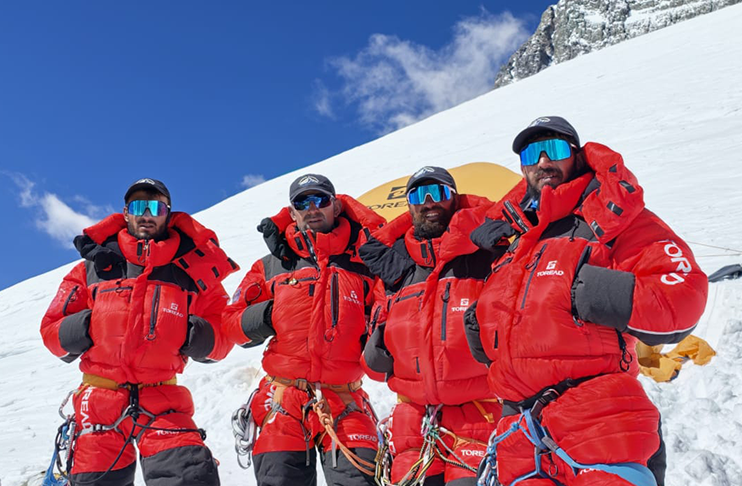
      Pakistani mountaineers have achieved a landmark feat by opening a brand-new climbing route on Broad Peak, one of the world’s highest mountains. The accomplishment is being hailed as a major milestone for Pakistan’s mountaineering community, showcasing the country’s growing expertise in high-altitude climbing and technical expedition planning. Broad Peak, standing at 8,051 metres (26,414 feet), is located in the Karakoram mountain range of Gilgit-Baltistan, approximately five miles from K2. Ranked as the world’s 12th-highest mountain, Broad Peak has long attracted climbers from around the globe because of its challenging terrain and unpredictable weather conditions. The newly established route, officially named the Mirza Ali Legacy Route, begins above Camp 3 and offers a fresh approach to the summit. The route was created after an intensive three-day effort that required climbers to navigate deep snow, steep rock faces, and mixed sections of snow and rock under extremely demanding conditions. The expedition was led by renowned Pakistani mountaineer Mirza Ali, founder of Karakorum Expeditions. Along with his team, he spent days fixing ropes and securing the mountain to make the route accessible for future expeditions. Their summit push began at 2:00 a.m. local time on July 19. Battling continuous snowfall, freezing temperatures, and severe weather, the climbers finally reached the summit at 9:55 p.m. after more than 24 hours of nonstop climbing. To establish the route, the team installed over 1,600 metres of fixed rope and placed permanent rock pitons at critical points to improve safety and stability. According to expedition organisers, the new line is shorter, more direct, and significantly safer than the traditional path, which passes through Broad Peak’s hazardous “V Section.” The redesigned route is expected to reduce climbers’ exposure to avalanches and falling rocks, two of the mountain’s most serious risks. Organisers estimate that under normal weather conditions, climbers using the new route should be able to reach the summit from Camp 3 within seven to eight hours and descend in approximately two to three hours, making the ascent both faster and more efficient. The route was unanimously named in honour of Mirza Ali to recognise his 16 years of dedication to Pakistan’s mountaineering sector. Throughout his career, he has trained aspiring climbers, organised national and international expeditions, and promoted Pakistan as a premier destination for adventure tourism. Reflecting on the achievement, Mirza Ali said the successful opening of the route demonstrates the technical capability, determination, and resilience of Pakistani climbers. He also stressed the importance of investing in mountaineering education, safety training, and adventure tourism, highlighting Gilgit-Baltistan’s enormous untapped potential within the mountain economy. International members of the expedition also praised the accomplishment. Argentine climber Juan Toro described the project as a historic milestone for Pakistani mountaineering, while Hungarian climber David Klein called the newly opened path an innovative and technically brilliant route that reflected the team’s exceptional skill and perseverance. The summit team included Mirza Ali, Ahmed Baig, Rizwan Dad, Waqar Ali, Nawaz Ali Khan, Zaman Karim, Juan Toro, and David Klein. To support future expeditions and improve emergency response, the team also recorded all major anchor locations using Garmin inReach GPS technology, ensuring the new route can be safely managed for climbers in the years ahead.
  • | |

    Flood defences shield Gujrat from monsoon

    The Water and Sanitation Agency (WASA) has credited pre-monsoon flood protection measures with preventing urban flooding in Gujrat during the recent spell of heavy rains. Managing Director WASA, Kashan Hafeez, said the city remained safe from potential flooding because of advance planning and the timely completion of key drainage projects before the arrival of the monsoon season. He said a three-kilometre-long protective drain constructed along Mehsam Mor and Fatehpur Road proved highly effective in managing the flow of rainwater. According to him, the project successfully diverted excess water away from residential and commercial areas, significantly reducing the risk of flooding. Kashan Hafeez said rainwater was redirected toward the Halsey Nullah through the newly developed drainage network. By channeling water into natural waterways, authorities were able to prevent water from accumulating in densely populated neighborhoods and major roads. He added that the drainage system functioned as planned despite heavy rainfall, allowing rainwater to flow smoothly without causing widespread disruption to daily life or damage to infrastructure. The WASA chief said the protective drainage network was developed under a Rs2 billion infrastructure project aimed at strengthening Gujrat’s flood management system. As part of the initiative, four major protective drains were constructed to improve stormwater disposal and enhance the city’s resilience against seasonal flooding. He said the successful performance of the project demonstrates the importance of proactive planning and investment in urban infrastructure. According to WASA, the newly built drainage system will continue to play a vital role in protecting Gujrat from future monsoon-related flooding and ensuring the safety of residents during periods of heavy rainfall.

  • | |

    Heavy monsoon rains claim 17 lives across Punjab

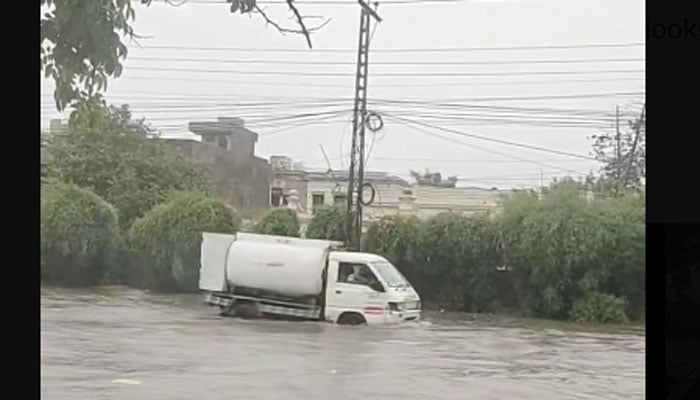
    Heavy monsoon rains continued to lash several parts of Punjab during the past 24 hours, causing urban flooding, traffic disruptions, power outages and loss of life. Authorities remained on high alert as widespread rainfall affected both central and northern districts, prompting emergency response teams to intensify drainage operations across the province. According to the Provincial Disaster Management Authority (PDMA), Gujranwala recorded the highest rainfall with 245 millimetres, making it one of the hardest-hit cities. Lahore received 123 millimetres of rain, while Sialkot recorded 139 millimetres, Mandi Bahauddin 138 millimetres, Narowal 117 millimetres and Gujrat 95 millimetres. Other districts also experienced significant rainfall, including Hafizabad with 85 millimetres, Chakwal 70 millimetres, Okara 64 millimetres, Jhang 35 millimetres, Layyah 33 millimetres and Jhelum 32 millimetres. The PDMA said at least 17 people have died in rain-related incidents since the start of the monsoon season. Twelve of the fatalities occurred after houses and other structures collapsed during heavy rainfall. Two people lost their lives after being struck by lightning, while three others died from electrocution caused by rain-related electrical hazards. The continuous downpour led to waterlogging in many urban areas, disrupting normal life and slowing traffic on major roads. Several low-lying neighborhoods remained inundated for hours, creating difficulties for commuters and residents. In Gujranwala, the Shamsi Underpass was completely submerged, forcing motorists to use alternative routes as traffic through the area became impossible. Lahore also witnessed widespread water accumulation on roads in several localities, including Johar Town, Township, Ferozepur Road, Multan Road, Samanabad, Gulshan-i-Ravi, Model Town, Lakshmi Chowk and surrounding areas. Motorists struggled to navigate flooded streets, while residents in various neighborhoods reported prolonged electricity outages following the heavy rain. The Water and Sanitation Agency (WASA) said emergency teams remained active throughout the province to clear drains and remove standing water. Officials said drainage operations were continuing in 41 districts, while monitoring of rivers, dams and barrages had been intensified due to the ongoing monsoon spell. In Gujrat, WASA deployed 20 emergency teams across three operational zones to ensure the timely drainage of rainwater. Officials said major roads remained open and traffic continued to move despite the heavy rainfall. Punjab Chief Minister Maryam Nawaz urged citizens to avoid unnecessary travel during severe weather conditions and warned people not to enter canals, rivers or rainwater drains, saying such areas become extremely dangerous during the monsoon season.

  • PPRA probes Punjab health procurement

    LAHORE: The Punjab Procurement Regulatory Authority (PPRA) has questioned the procurement practices of the Specialized Healthcare and Medical Education Department (SHC&MED) after allegations that tender specifications for cardiac consumables unfairly restricted competition and significantly increased procurement costs for the financial year 2026–27. The matter came before the PPRA after M/s 4S International filed a representation challenging the department’s decision to make United States Food and Drug Administration (US FDA) approval mandatory for several high-volume cardiac consumables. The company argued that the exclusion of European CE Mark-certified products, which had previously been accepted, created discriminatory conditions and led to an unjustified increase in prices. According to an order issued by PPRA Managing Director Sahibzadi Wasimah Umer, the complainant stated that balloon catheters (Item C3) bearing European CE certification had been procured during FY 2025–26 at a unit price of Rs6,985. Under the revised tender conditions requiring US FDA approval, the estimated unit price for the same item increased to Rs9,800. The company further alleged that the department selectively applied the US FDA requirement to certain high-volume items, including C3, C4, C7, C19 and C20, while continuing to accept European CE Mark-certified products for other comparable items such as C5, C6 and C8. The representation also claimed that objections to the revised tender conditions were formally raised during a pre-bid meeting held on June 30, 2026, but the official minutes did not reflect or address the concerns raised by prospective bidders. The complainant maintained that its CE Mark-certified products are registered with the Drug Regulatory Authority of Pakistan (DRAP) and are widely used in leading cardiology centres across Punjab with an established performance record. During a hearing before the PPRA on July 8, 2026, SHC&MED Contract Manager Shafique Hussain stated that the US FDA requirement had been introduced on the advice of medical experts to ensure higher quality standards. However, after the proceedings, the department’s representative requested that the matter be referred back for reconsideration by the department. In its ruling, the PPRA observed that public procurement laws require fairness, transparency and value for money, and noted that the distinction between accepted certifications warranted careful examination to determine whether it was based on clinical necessity, patient safety or other objective criteria, or whether it unnecessarily restricted competition without adequate justification. The authority directed the health department to constitute an independent technical committee comprising impartial experts and departmental officials to conduct an evidence-based review of whether restricting procurement exclusively to US FDA-approved products is clinically essential. The committee has also been asked to assess whether DRAP-registered products carrying European CE certification meet the required safety and performance standards and to provide M/s 4S International with an opportunity to present its case before a final decision is taken. The PPRA also ordered the immediate refund of the Rs50,000 security deposit submitted by M/s 4S International.

  • | | |

    Karachi government colleges announce Intermediate …

    The Sindh College Education Department has officially announced the merit list for Intermediate admissions in government colleges across Karachi, marking an important step for thousands of students seeking admission after completing their matriculation. The newly published lists include the names of students who have successfully secured seats in various government colleges based on merit. According to the department, admissions have been granted strictly on academic performance, ensuring a transparent and fair selection process. Students who have been selected are advised to review the merit list carefully and complete all remaining admission formalities within the given deadline. Officials have confirmed that more than 160,000 applications were received for Intermediate admissions from across Sindh this year. Karachi alone accounted for the largest share, with 98,646 students applying for admission to government colleges. The high number of applications reflects the growing demand for quality public education in the city. The Directorate General of Colleges has instructed all selected students to confirm their admission no later than July 31. Candidates who fail to complete the confirmation process within the deadline may lose their allotted seats, which could then be offered to other eligible applicants under the merit system. Students are encouraged to check their admission status through the official admission portal or by visiting their allocated college. They should also ensure that all required documents are submitted on time to avoid unnecessary delays in the admission process. The education department has emphasized that admissions are being conducted entirely on merit, with students placed in colleges according to their academic scores and available seats. Those who were not selected in the first list may still have an opportunity if additional merit lists are released after the confirmation period. Education experts advise students and parents to stay updated with official announcements and complete every admission requirement before the deadline. Timely confirmation is essential for securing a place in the preferred college and beginning the new academic session without complications. With thousands of students preparing to start their Intermediate education, the release of the merit list represents a significant milestone in the annual admission process. Applicants should act promptly to secure their seats and ensure a smooth transition into the next stage of their academic journey.

  • | |

    Pakistan, European Union reaffirm commitment to st…

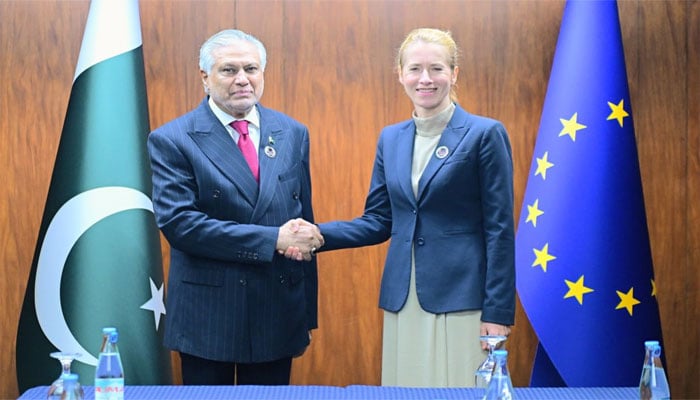
      Pakistan’s Deputy Prime Minister and Foreign Minister Ishaq Dar met with the European Union’s High Representative for Foreign Affairs and Security Policy, Kaja Kallas, in Manila, where both sides reaffirmed their commitment to further strengthening cooperation under the Pakistan-European Union Strategic Engagement Plan. According to Pakistan’s Ministry of Foreign Affairs, the meeting focused on enhancing bilateral relations and expanding collaboration in areas of mutual interest. The two leaders discussed ways to deepen political dialogue, economic cooperation, and strategic engagement while emphasizing the importance of maintaining close coordination on regional and global issues. During the meeting, Ishaq Dar and Kaja Kallas also exchanged views on the evolving situation involving the United States and Iran. Both sides discussed recent regional developments and stressed the importance of preventing further escalation that could threaten peace and stability in the wider region. They agreed that continued dialogue and diplomatic engagement remain essential in addressing international challenges and resolving disputes through peaceful means. The Foreign Office stated that both leaders recognized diplomacy as the only effective and sustainable path to ensuring lasting peace and stability. They emphasized that constructive dialogue, mutual respect, and international cooperation are critical to reducing tensions and promoting regional security. The discussion reflected a shared understanding of the need for peaceful conflict resolution in an increasingly complex global environment. A key area of discussion was the Pakistan-European Union Strategic Engagement Plan, which serves as the framework for cooperation across a broad range of sectors, including trade, governance, climate action, human rights, education, and sustainable development. Both sides reaffirmed their determination to continue working together under this framework and to further strengthen institutional ties between Pakistan and the European Union. The meeting also highlighted the importance of expanding economic cooperation. Pakistan reiterated its commitment to strengthening trade and investment relations with the European Union, which remains one of the country’s largest trading partners. Both sides acknowledged the value of continued economic engagement in supporting sustainable growth, job creation, and long-term prosperity. According to the Foreign Office, Pakistan reaffirmed its commitment to the effective implementation of all international conventions linked to the European Union’s Generalised Scheme of Preferences Plus (GSP+) programme. The GSP+ status provides Pakistan with preferential access to European markets, benefiting several export sectors, particularly textiles and garments. Islamabad emphasized that it remains committed to fulfilling its obligations under the programme by implementing the relevant international conventions related to human rights, labour standards, environmental protection, and good governance. The two sides also discussed the importance of maintaining regular dialogue to address shared challenges and explore new opportunities for cooperation. They expressed satisfaction with the positive trajectory of Pakistan-European Union relations and agreed to continue working closely to achieve common objectives. The meeting in Manila reflects the ongoing efforts by both Pakistan and the European Union to further strengthen their partnership through constructive engagement, expanded economic cooperation, and coordinated diplomatic efforts. As global and regional challenges continue to evolve, both sides reaffirmed that sustained dialogue and collaboration remain essential for promoting peace, stability, and mutually beneficial relations. The discussions concluded with a renewed commitment to advancing bilateral ties, reinforcing strategic cooperation, and building a stronger partnership that supports shared interests and contributes to regional and international stability.

  • | |

    Flood alert in Pakistan as India opens Salal dam g…

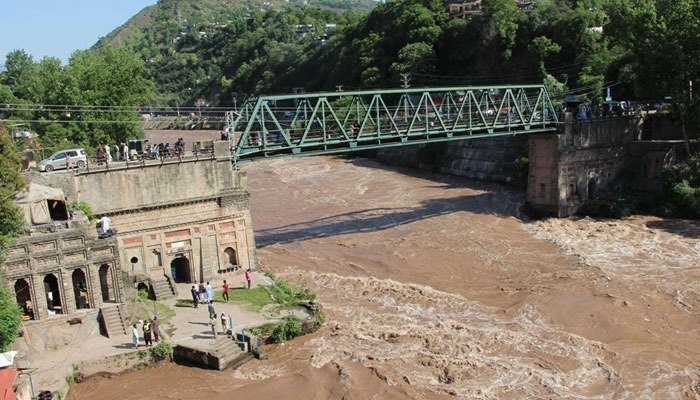
    Pakistan has issued a high-level flood alert after India released a significant volume of water from the Salal Dam following heavy rainfall in Indian-administered Kashmir. The move has raised concerns among Pakistani authorities, who are closely monitoring the situation as water levels continue to rise in the Chenab River. According to Punjab’s Irrigation Department, the heavy rainfall in the upper catchment areas prompted Indian authorities to open all gates of the Salal Dam, allowing a large flow of water to move downstream toward Pakistan. Officials have warned that the increased water discharge could reach Wazirabad within the next 48 hours, prompting precautionary measures in vulnerable areas. The Irrigation Department stated that water levels in the Chenab River have already begun to increase. Authorities are continuously tracking river flows to assess the potential impact on downstream districts and to provide timely updates if the situation changes. As a precaution, a high alert has been issued for flood-prone areas, particularly in Sialkot and Wazirabad, where local administrations have been instructed to remain prepared for any emergency. Disaster management teams are coordinating with relevant departments to monitor developments and ensure a rapid response if water levels continue to rise. Officials have urged residents living near the Chenab River and low-lying areas to stay informed through official announcements and avoid unnecessary travel near riverbanks. Emergency services are also on standby to respond quickly should flooding occur. Seasonal monsoon rains often lead to rising river levels across the region, making cross-border water management a critical issue during this period. Sudden increases in water discharge from upstream reservoirs can significantly affect downstream communities, requiring close coordination between authorities and continuous monitoring of river conditions. While officials have expressed concern over the rising water levels, they are also emphasizing that the situation remains under observation. The extent of any flooding will depend on rainfall patterns over the coming days and the volume of water continuing to flow into the Chenab River. Residents in at-risk areas are advised to follow guidance issued by local authorities, remain alert for weather and flood updates, and take necessary precautions if evacuation advisories are issued. Authorities have assured the public that monitoring efforts will continue around the clock to minimize risks and protect communities from any potential flooding. With the water surge expected to arrive within the next two days, emergency agencies remain on alert as Pakistan prepares for the possible impact of increased river flows during the ongoing monsoon season.

  • | |

    PM Shehbaz Sharif says Pakistan used autonomous sy…

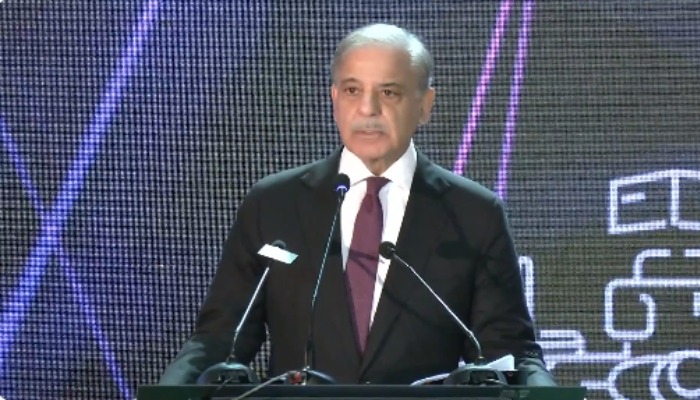
    Prime Minister Shehbaz Sharif has reaffirmed Pakistan’s commitment to strengthening national security through advanced technology, stating that the country’s armed forces relied on autonomous systems and cybersecurity capabilities to protect its borders during what he described as “Marka-e-Haq.” His remarks came while addressing the Indus Robotics and Autonomous Systems Expo in Islamabad. Speaking at the event, the Prime Minister said Pakistan is making significant progress in modern technology and innovation, adding that initiatives such as the robotics and autonomous systems exhibition will help position the country among leading technology-driven nations in the 21st century. Shehbaz Sharif emphasized that the use of advanced technologies in the security sector is a matter of national pride. He noted that Pakistan has achieved important milestones in the development of indigenous defense capabilities, particularly in drone technology. According to the Prime Minister, more than 60 percent of the country’s drone production is now being carried out locally, reflecting continued efforts to reduce reliance on foreign technology and strengthen domestic manufacturing. The Prime Minister also praised the leadership of Field Marshal Syed Asim Munir, saying the armed forces successfully adopted modern technological solutions during Marka-e-Haq. He acknowledged the contributions of the Chief of Air Staff and the Chief of Naval Staff, stating that their coordination and leadership played an important role in strengthening Pakistan’s defense preparedness. Highlighting the growing importance of digital security, Shehbaz Sharif said autonomous systems and cybersecurity have become essential components of modern warfare and national defense. He stressed that Pakistan will continue investing in emerging technologies to enhance its security capabilities and protect its sovereignty in an increasingly technology-driven world. The Prime Minister added that innovation in robotics, artificial intelligence, unmanned systems, and cyber defense is not only important for military preparedness but also for the country’s broader technological and economic development. He encouraged collaboration between government institutions, the private sector, and academic organizations to accelerate research and promote local innovation. The Indus Robotics and Autonomous Systems Expo showcased advancements in robotics, autonomous technologies, and indigenous defense solutions, highlighting Pakistan’s growing focus on technological self-reliance. Government officials believe such initiatives will help strengthen the country’s industrial base while supporting long-term national security objectives. Shehbaz Sharif concluded by reaffirming that Pakistan will continue to adopt modern technologies to safeguard its borders and enhance its defense capabilities, ensuring the country remains prepared to address evolving security challenges in the years ahead.

  • | |

    Petrol pump owners call off strike after successfu…

      A nationwide strike planned by Pakistan’s petrol pump owners and fuel dealers has been postponed after successful negotiations with the government. Following the talks, both the Petrol Pump Owners Association and the Petroleum Dealers Association withdrew their strike calls after receiving assurances that their key concerns, particularly regarding profit margins, would be addressed. The Petrol Pump Owners Association had initially announced that the strike would begin at 12:00 midnight, while the Petroleum Dealers Association planned to suspend operations from 6:00 a.m.However, after reaching an understanding with government representatives, both organizations decided to call off the protest, ensuring that fuel supplies would continue without disruption. Speaking after the meeting, Federal Minister for Petroleum Ali Pervaiz Malik thanked the All Pakistan Petrol Pump Owners Association and various petroleum dealers’ organizations for their willingness to engage in dialogue. He appreciated their decision to postpone the strike in the interest of the public and emphasized the importance of resolving issues through consultation rather than confrontation. The minister acknowledged that the country has been facing economic and regional challenges, particularly since developments in the region earlier this year. He noted that the prevailing situation has created uncertainty and concerns for both businesses and the public. According to Ali Pervaiz Malik, Prime Minister Shehbaz Sharif is fully aware of the hardships being faced by citizens and remains committed to minimizing the impact of economic pressures on the people. He further stated that the government has already provided subsidies worth several hundred billion rupees to protect consumers from rising fuel costs. The minister said a targeted subsidy mechanism has been developed to ensure that relief reaches those who need it the most. He also praised oil refineries and petroleum sector stakeholders for their continued cooperation and support during challenging times. Addressing the dealers’ primary demand, Ali Pervaiz Malik confirmed that the issue of increasing petroleum dealers’ profit margins would be resolved through mutual consultation. He announced that a summary regarding the proposed increase in dealer margins would soon be presented to the federal cabinet for approval. The government, he added, is committed to finding a fair solution that balances the interests of both consumers and fuel retailers. The petroleum minister also revealed that the recently introduced daily fuel pricing system would be reviewed after a two-week trial period. During this time, the government will closely monitor its implementation in consultation with petroleum organizations before making any long-term decisions. He emphasized that all stakeholders would continue working together to improve the system and address any operational concerns. Meanwhile, Nadeem Khan, Secretary Information of the Petrol Pump Owners Association, confirmed that the government had assured dealers that their commission and profit margin issues would be resolved. He expressed optimism that the matter would be settled within the next two weeks, allowing dealers to continue operating under more sustainable financial conditions. Nadeem Khan said the associations had decided to postpone their protest based on the government’s commitments. He expressed hope that the authorities would honor their promises and implement the agreed measures within the announced timeframe. He also welcomed the decision to review the daily fuel pricing mechanism on a trial basis, saying it would provide an opportunity to evaluate its impact before any permanent implementation. The successful negotiations have prevented a nationwide disruption in fuel supplies, offering relief to motorists, businesses, and the general public. Both the government and petroleum sector representatives expressed confidence that continued dialogue and cooperation would help resolve outstanding issues while ensuring a stable fuel supply across the country.

  • | |

    Congo virus case confirmed: health experts issue u…

    Health authorities have confirmed a case of Congo virus, also known as Crimean-Congo Hemorrhagic Fever (CCHF), after laboratory testing verified the infection. Officials said the patient’s Congo PCR test returned positive, prompting renewed calls for public awareness and preventive measures against the potentially life-threatening disease. According to health officials, the patient underwent several medical examinations, including a specialized PCR test for the Congo virus. The results confirmed the presence of the infection, allowing doctors to begin appropriate treatment and monitoring while taking necessary infection control measures. Medical experts explain that Crimean-Congo Hemorrhagic Fever is a viral disease primarily transmitted through the bite of infected ticks commonly found on livestock. The virus can also spread through direct contact with the blood, tissues, or bodily fluids of infected animals, making people who work closely with livestock more vulnerable to infection. Healthcare professionals have warned that the virus can also spread from one person to another through close contact with the blood or bodily fluids of an infected patient. For this reason, strict infection prevention protocols are essential in hospitals and healthcare facilities to protect medical staff and caregivers. The symptoms of Congo virus usually begin suddenly and may include high fever, severe weakness, intense headache, muscle pain, nausea, and fatigue. In more serious cases, patients may experience bleeding from the nose and gums, bruising on the skin, and internal bleeding, which can become life-threatening if not treated promptly. Experts emphasize that prevention remains the most effective way to reduce the spread of the disease. People who handle livestock are advised to wear protective clothing and gloves, inspect animals for ticks, and avoid direct contact with animal blood or tissues whenever possible. Farmers, butchers, veterinarians, and livestock traders are considered among the highest-risk groups. Health authorities have also urged hospitals and healthcare workers to follow strict infection control practices, including the use of personal protective equipment (PPE) when treating suspected or confirmed cases. Early diagnosis and timely medical care can improve patient outcomes and help limit the spread of the virus. As public health officials continue to monitor the situation, citizens are encouraged to seek immediate medical attention if they develop symptoms after exposure to ticks or infected animals. Increased awareness, proper hygiene, and preventive measures remain essential in reducing the risk of Congo virus transmission, particularly during periods of increased livestock movement.