
From lemongrass to lavender, here are the best essential oils for candida… that studies show work even better than antifungal medications! Plus, an oil-pulling mouthwash recipe for oral thrush.
We’re outnumbered.
There are more bacteria, viruses, and fungi in us than our body’s own cells. And while that’s one of the reasons probiotic-rich foods should be a staple in our diets, when these co-inhabitants get out of balance, we have a problem.
What Is Candida?
Candida is a fungal species naturally found in our bodies and on our skin. There are about 150 types of candida and more than 20 affect humans.
If it gets out of control though, it causes infection in areas like the mouth, gut, and vagina. Breastfeeding moms can also develop it on their nipples and pass it to their nursing babies.
Candida Overgrowth
Candida infections on the breast and in the mouth are called thrush, while vaginal infections are referred to as vaginal yeast infections or vaginal candidiasis.
When invasive candida enters the bloodstream or affects internal organs, it’s a serious issue that can cause severe side effects. Candida in the bloodstream is common in hospital patients.
What Causes Candida?
So if candida is naturally occurring, what causes it to go haywire?
Excess sugar, low nutrition, and antibiotics or other drugs can all disrupt the gut microbiome. The imbalance creates fertile ground for this invasive pathogen.
Candida Symptoms
When candida decides not to play nice with our gut microbes, it can cause symptoms ranging from annoying brain fog to more debilitating organ damage.
Vaginal yeast infections often result in vaginal discharge, pain, and itching.
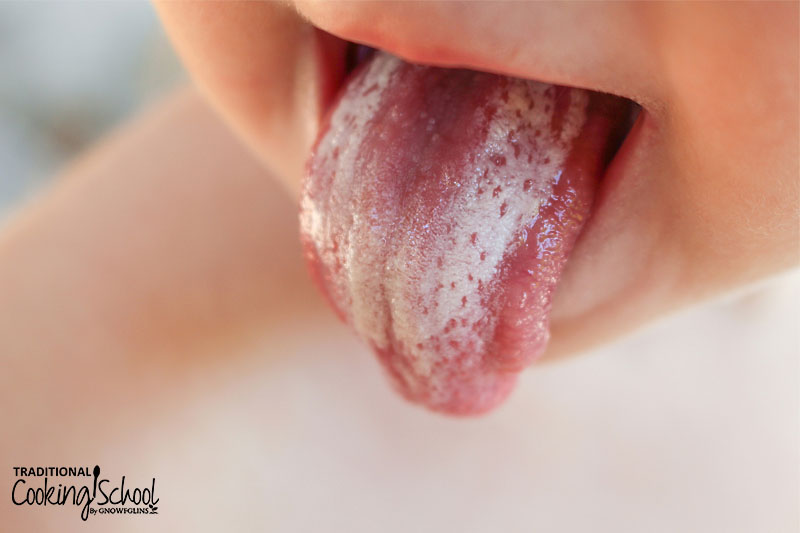
Thrush (candida infections in the mouth, throat, or breast) can cause:
- Cracked, itching, or burning nipples
- Shooting pains in the breast and intense nipple pain
- White patches or redness and soreness in the mouth
- Cotton-like feeling in the mouth
- Pain while eating
- Loss of taste
According to the CDC, thrush infections are caused by weakened immune systems.
Candida on the skin is often accompanied by:
- Redness
- Rash
- Swelling
- Scaly skin
You’re most likely to find candida in the folds of the skin, like the armpit, groin, under the breast, between fingers and toes, and in nails.
Candida nail infections can cause brittle, split, discolored, and powdery looking nails, among other symptoms.
How To Get Rid Of Candida For Good
Unlike what scientists once thought, our body isn’t a sterile environment that’s been invaded by pathogens. We don’t want to completely eliminate candida, but we do want to control the population and get rid of the overgrowth.
Systemic candida — a fungus that’s invaded the bloodstream or organ systems — is a tough cookie to crack. We need a comprehensive, long-term plan to get the candida under control.
Even regular candida overgrowth needs a holistic approach.

Eating For A Healthy Gut
A healthy body and skin start with a healthy gut. Here are some steps to take that will help tackle a candida infection.
- Drink plenty of water and then drink some more.
- Keep stress to a minimum and use techniques to manage stress and support brain health.
- Eat a healthy diet low in sugar and carbs while high in probiotic-rich foods.
- Minimize or eliminate environmental toxins, like EMF waves, pesticides, and conventional cleaners. These put stress on the immune system.
- Get at least 8 hours of sleep a night. If little ones are keeping you awake, try to at least fit a nap in.
- Call in the big guns. Candida infections, especially the systemic kind, require lots of work. Consulting with a natural health professional is key here.
Essential Oils For Candida
While it is important to make lifestyle changes, it’s equally important to use antifungals to get candida under control. Candida is resistant to many antifungal medications and the problem is only getting worse.
Thankfully, there are powerful essential oils that are up for the job.
A Word About Safety
I prefer alternative medicines to address health problems, but they need to be used in the right way.
It may seem simple to make a list of antifungal oils and just start using them, but hold up a minute! It depends on where the candida is and what essential oil you’re using.
I’ve included how to most effectively and safely use each of the candida-fighting essential oils.
Using Essential Oils For Candida Internally
Some essential oils are safe to use in baking and cooking to flavor foods and support health. When we’re talking about large amounts to fight infections though, things can get a little tricky.
If you’re using essential oils medicinally to tackle candida, I recommend working with an aromatherapist or naturopathic doctor trained in internal use.
The Best Essential Oils For Candida Skin Issues
We want something that’s strong enough to work, but not so strong it’s going to irritate the skin. Here you’ll find gentler options like lavender and tea tree oil, plus heavy hitters like oregano and clove oil.
The idea is to use them wisely so we’re not causing more harm than good!
1. Lemongrass Essential Oil For Candida
While this essential oil may smell like lemon candy, it packs a powerful punch.
A 2005 study in FEMS research looked at 38 essential oils and their ability to fight the Candida albicans strain. Lemongrass was one of the top performers and worked at concentrations below 1% in vitro.
How To Use Lemongrass
- Lemongrass can be diffused or diluted and applied topically.
- It generally shouldn’t be used above 0.7%. For a 0.5% dilution (which will keep you in the safe range), use 3 drops of lemongrass essential oil for every 2 tablespoons of carrier oil.
- Don’t use on children younger than 2 or on hypersensitive or damaged skin.
- Lemongrass essential oil is safe to take internally but should be done under the guidance of a practitioner trained in internal use for precise dilution and dosing.
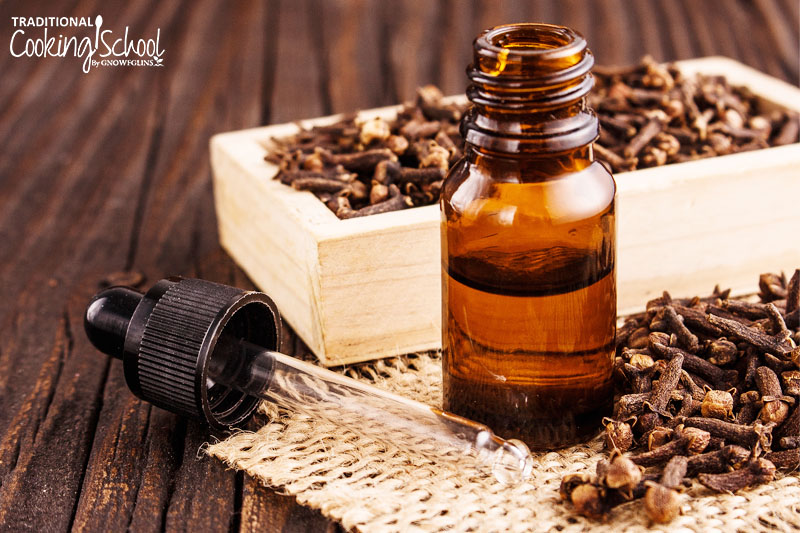
2. Clove Essential Oil For Candida
Clove bud essential oil reminds me of Christmas and the smell of cookies baking in the oven. It’s also a potent antibacterial, antiviral, and antifungal.
Researchers found it works even in low concentrations to tackle candida overgrowth in two ways. Not only does clove destroy the fungus, but it helps to prevent biofilms.
Candida and other pathogens form a sticky, protective coating around their cells known as a biofilm. Most antifungal drugs can’t break through it, but certain essential oils can.
Clove also helps control fungi in the air to improve indoor air quality. Paired with cinnamon and orange essential oils, the three together have a powerful effect against a wide variety of pathogens, especially candida.
How To Use Clove
- Clove can be diffused, diluted, and applied topically, or taken internally.
- Clove should generally not be used on children younger than 2 years old.
- This is a “hot” oil and can easily cause skin irritation. The general maximum dilution ratio for skin is 0.5% or about 3 drops of clove for every 2 tablespoons of carrier oil.
- My favorite way to use this oil is diluted in a mouthwash. (See recipe below!)
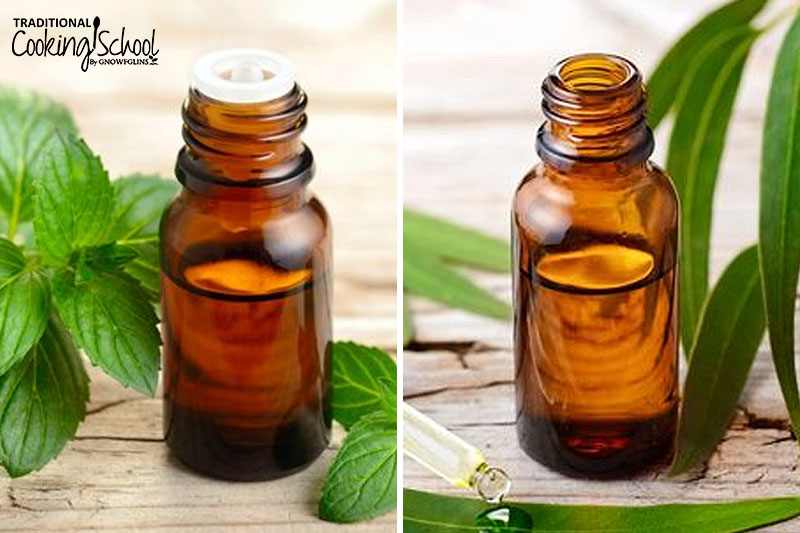
3. Peppermint & Eucalyptus Essential Oils For Candida
Another favorite smell during the holidays, peppermint has been shown to help with candida infections.
A 2010 study, Effect of Plant Oils on Candida albicans, found that Eucalyptus globulus and peppermint were the most effective out of the 30 essential oils tested.
However, another study found that peppermint was only half as effective as lemongrass.
How To Use Mint
- Peppermint essential oil can be diluted and applied topically, diffused, or taken internally.
- Peppermint shouldn’t be used above 5.4% dilution and is not recommended for young children. It’s also not recommended for use in a bath even if it’s diluted. (Source.)
- For a 5% dilution, use about 15 drops of peppermint oil to every 1 tablespoon of carrier oil.
How To Use Eucalyptus
- Eucalyptus essential oil can be diffused or applied topically.
- It shouldn’t be diffused or used near the face of young children.
- The maximum dilution ratio in adults is 20% or about 50 drops per 1 tablespoon of carrier oil.
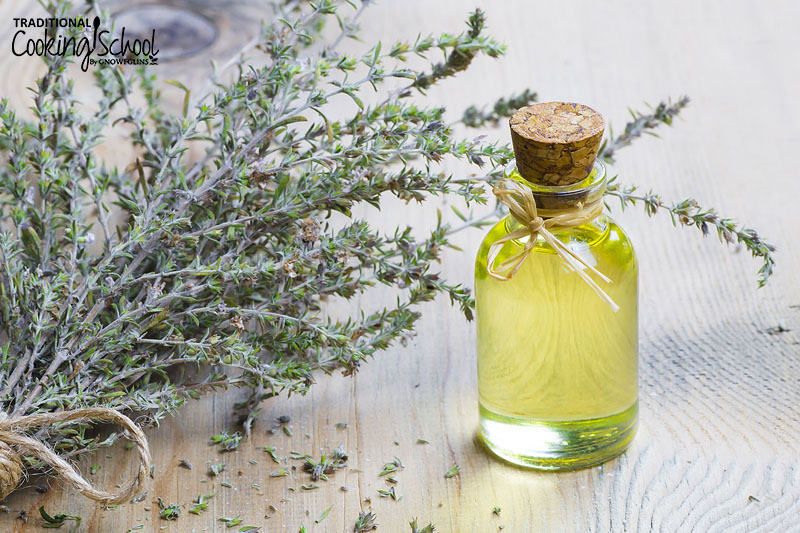
4. Thyme Essential Oil For Candida
Multiple studies show that like clove, thyme essential oil helps prevent and destroy candida biofilms (source, source).
This potent antifungal agent contains the main ingredient thymol, which fights a wide variety of pathogens.
I mix it with lemon essential oil and use it to clean my house, including adding it to homemade hand wash and hand sanitizer.
How To Use Thyme
- Thyme essential oil is safe to take internally, can be diffused (though it doesn’t smell great!), or can be diluted and applied topically.
- It generally shouldn’t be used above a 1.3% dilution. For a 1% dilution, use 3 drops thyme essential oil for every 1 tablespoon carrier oil.
- Thyme may interact with certain medications.
- It shouldn’t be used in the bath and may cause irritation if used in mouthwash. (Source.)
- For children or those with sensitive skin, consider using “white thyme” because it’s less irritating to skin and still effective at fighting germs.
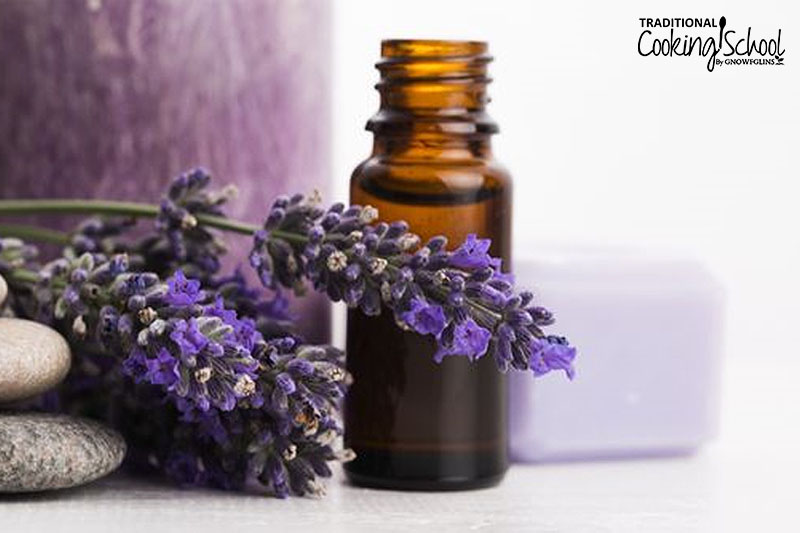
5. Lavender Essential Oil For Candida
Lavender has mixed results when it comes to fighting candida infections.
One study found lavender had an effect on only one of the strains the researchers tested.
However, another study found it worked on about 48% of tested strains of candida, including Candida albicans, the most common. Researchers found lavender was helpful for inhibiting Candida albicans growth and activity better than the prescription antifungal. (Source).
In another study, lavender worked faster than the antifungal drug at lowering candida counts. Within 24 hours researchers noted fungal cell counts of 85,000 in the drug group, but less than 20,000 in the lavender group (source.)
While it may not be as irritating as “hot” oils like lemongrass, thyme, and clove, lavender is an important one to have in our anti-candida arsenal. Because it’s gentle on the skin, lavender has a wider range of uses than oils like clove and cinnamon.
How To Use Lavender
- Lavender essential oil can be diluted and applied topically, taken internally, or mixed with Epsom salts and a carrier oil for use in a bath or homemade bath salts.
- Some experts say it’s okay to use occasionally undiluted for spot treatments, but diluted is best for longer-term use.
- Lavender is safe to use on children and is very gentle on the skin.
- There aren’t any maximum dilution guidelines for this one, but I generally do about a 25% dilution for skin (source). So for every 1 drop of essential oil, I use 3 drops of carrier oil.
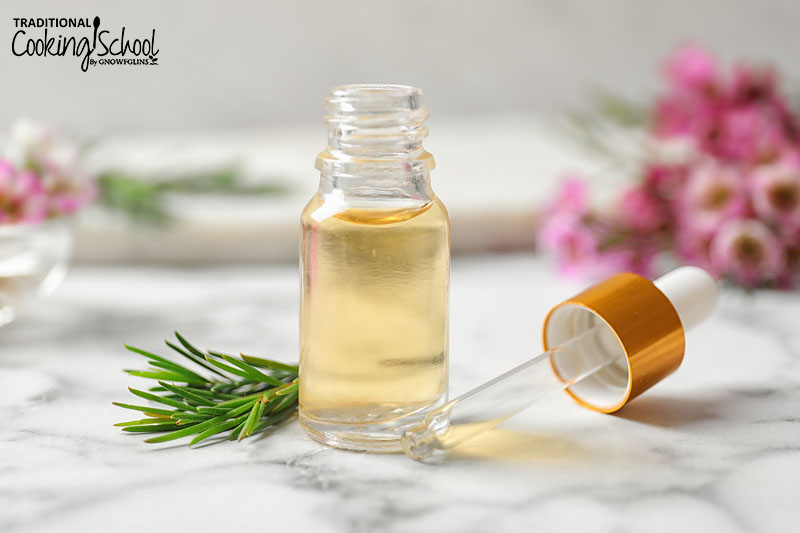
6. Tea Tree Essential Oil For Candida
Like lavender, tea tree is another gentle oil with mixed results.
Researchers reported tea tree had very little effect on the candida strains tested in their study (source). However, a 2016 study found it worked better than prescription medication and damaged candida at a cellular level (source).
On the other hand (or foot…), tea tree essential oil is commonly and successfully used for nail and foot fungus.
How To Use Tea Tree
- Tea tree essential oil can be used topically or diffused.
- Experts generally recommend a 15% maximum dilution. That’s 45 drops of essential oil per 1 tablespoon of carrier oil.
- You can also mix with Epsom salts and soak in the tub for larger areas.
Other Essential Oils For Candida
The antifungal activities of essential oils are a powerful tool when it comes to candida.
Research published in 2005 found Ceylon cinnamon, geranium, orange, and ylang-ylang essential oils all worked against candida. They also worked better than the drug Fluconazole (source).
In a 2016 study, researchers found basil, tea tree, winter savory, and oregano inhibit the growth and activity of Candida albicans better than the drug Clotrimazole. They also damaged candida at a cellular level more than the drug.
Oregano and mint savory essential oils were effective on 100% of tested candida strains (source).
You can find maximum dilution ratios and safety guidelines for each of those oils here.
What essential oils have you found effective against candida?

Oral Thrush Mouthwash
Ingredients
-
1
drop
cinnamon bark essential oil
from Ceylon cinnamon, NOT cinnamon leaf or Cassia cinnamon -
2
drops
orange essential oil -
1
drop
clove essential oil -
1
drop
thyme essential oil
or lemongrass essential oil -
1
tablespoon
coconut oil
Instructions
-
Combine essential oils and coconut oil.
-
Swish around for 10 minutes, then spit out in the trash.
-
Repeat 1 to 2 times a day until results are seen.
Recipe Notes
This recipe is safe for older children and adults.
This post was originally published and written by Paula Miller from Whole Intentions on 5/8/17. It was updated and republished on 10/26/20.


