

Did you know that rosemary can increase memory by up to 75%? That’s just the beginning! If you’re only using this incredible herb for cooking, you’re missing out on some truly game-changing benefits.
As someone who’s been gardening for years, I’ve discovered that rosemary is like a Swiss Army knife for your home and garden – versatile, powerful, and absolutely essential.
Whether you’re tending to your urban balcony garden in Manhattan or designing a backyard oasis in Seattle, rosemary deserves a special place in your green space.
This aromatic Mediterranean herb isn’t just another pretty plant; it’s a multitasking marvel that can revolutionize your gardening game, enhance your home’s ambiance, and even boost your well-being.
Let’s dive into seven surprising ways you can harness rosemary’s full potential!
1. Natural Pest Control Powerhouse for Your Garden
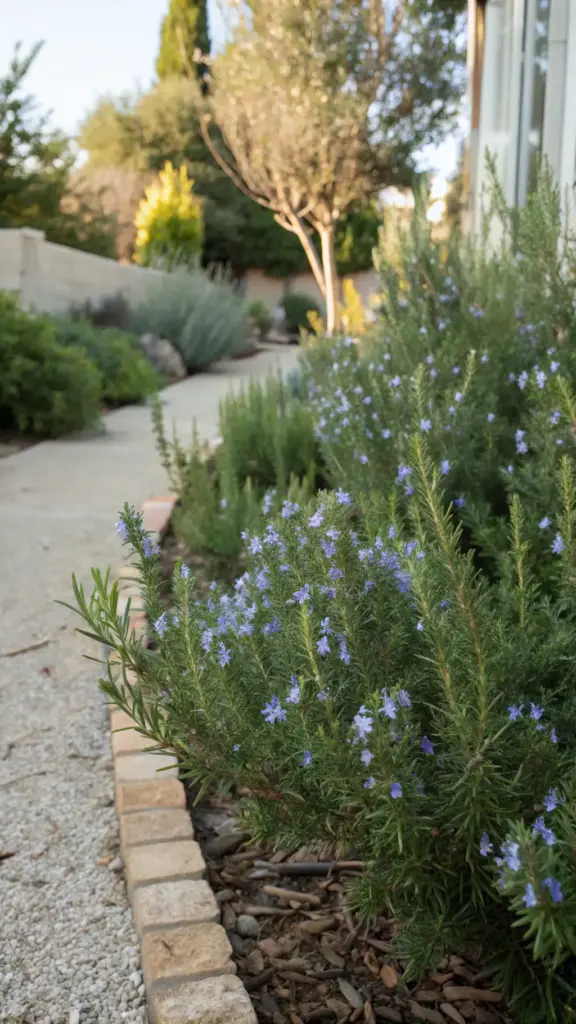
I’ll be honest – I used to be that person who reached for chemical sprays the second I spotted an aphid. What a mistake that was.
My turning point came three summers ago when I noticed my tomatoes were getting absolutely demolished by spider mites. The chemical treatments weren’t working, and I was getting frustrated watching my plants suffer.
That’s when my neighbor mentioned something that changed everything: rosemary as a natural pest deterrent.
The Science Behind Rosemary’s Pest-Fighting Power
Rosemary contains powerful essential oils like camphor, cineole, and pinene that bugs absolutely hate. These compounds mess with insects’ nervous systems and respiratory functions.
It’s like nature’s own pest control system.
I started researching and discovered that aphids, spider mites, and cabbage moths are particularly sensitive to rosemary’s aromatic compounds. The scent that we find pleasant is basically kryptonite to these garden destroyers.
My Go-To DIY Rosemary Spray Recipe
After tons of trial and error, here’s the rosemary pest spray that actually works:
Basic Rosemary Spray:
- 2 cups fresh rosemary sprigs (or 1 cup dried)
- 2 cups boiling water
- 1 teaspoon liquid castile soap
Steep the rosemary for 30 minutes, strain, add soap, and spray directly on affected plants.
Pro tip: I learned the hard way to test this on a small area first. Some delicate plants can get leaf burn if the concentration is too strong.
For heavy infestations, I double the rosemary and add a tablespoon of neem oil. This combo has saved my vegetable garden more times than I can count.
Strategic Companion Planting with Rosemary
Here’s where things get really interesting – companion planting with rosemary is like having bodyguards for your vegetables.
I plant rosemary bushes around the perimeter of my tomato beds. The aromatic barrier keeps whiteflies and hornworms at bay.
My cabbage patch is surrounded by rosemary too. Those pesky cabbage moths rarely make it past this fragrant fortress.
Best companion plant combinations I’ve discovered:
- Rosemary + carrots (repels carrot flies)
- Rosemary + beans (deters Mexican bean beetles)
- Rosemary + broccoli (keeps cabbage worms away)
Placement Techniques That Actually Work
Location is everything when it comes to maximizing rosemary’s pest control benefits.
I made the mistake of randomly scattering rosemary plants around my garden initially. Didn’t work at all.
Now I use the “strategic barrier method.” I plant rosemary in clusters of 3-4 plants every 6-8 feet around vulnerable crops.
Wind direction matters too. Position rosemary upwind from your protected plants so the essential oils naturally drift over your vegetables.
For container gardens, I place potted rosemary plants directly between rows of susceptible crops. This creates concentrated protection zones.
Year-Round Application Strategy
Spring: This is when I refresh my rosemary spray supplies and prune established plants to encourage new growth.
Summer: Peak spray season – I apply rosemary treatments every 7-10 days during heavy pest pressure periods.
Fall: I harvest and dry rosemary for winter spray preparations. Don’t skip this step.
Winter: Indoor rosemary plants continue working as natural pest deterrents for houseplants.
The key is consistency. I learned that sporadic applications don’t build up the protective barrier you need for effective organic pest management.
My Biggest Rosemary Pest Control Mistakes
Don’t make these same errors I did:
Using old, dried rosemary that had lost its potency. Fresh or properly stored dried rosemary is crucial for effective essential oil concentration.
Spraying during the hottest part of the day. Early morning or evening applications prevent leaf damage and improve effectiveness.
Ready to discover how rosemary can transform your indoor air quality while boosting your memory? Click the “next” button below to learn about rosemary’s incredible air-purifying powers that most gardeners never even realize they’re missing out on!


