
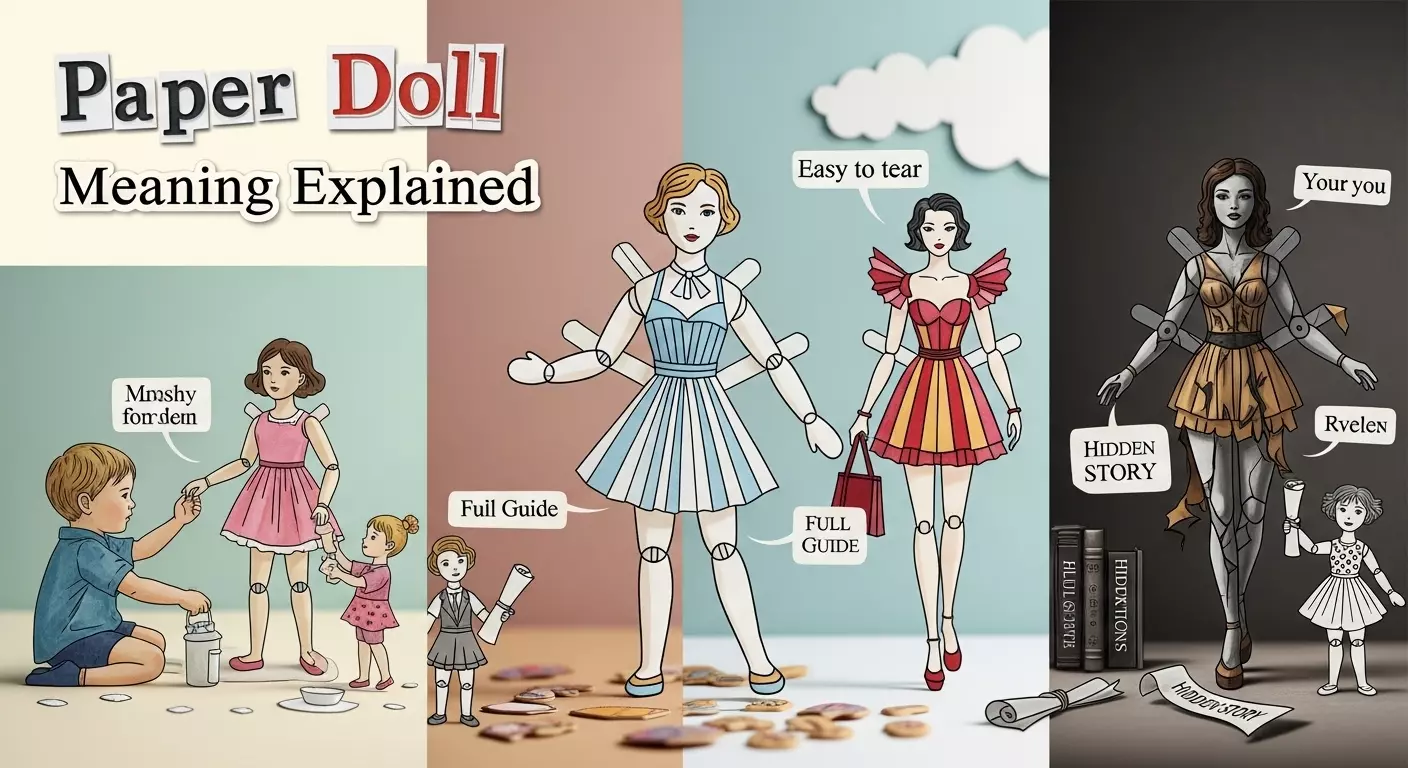
Introduction to Paper Dolls
Paper dolls have been a staple of creative play for centuries, offering a simple yet highly imaginative concept that continues to captivate audiences of all ages. At their core, paper dolls are flat figures made from paper, designed to represent human characters or fictional designs, and are typically used for dressing up in various outfits.
What is a Paper Doll?
A paper doll is essentially a cut-out figure, often created from printed sheets or hand-drawn templates, which serves as a canvas for creative expression. These dolls have been a popular form of entertainment for children, fostering creativity, imagination, and storytelling skills. Beyond their traditional physical form, paper dolls have also evolved to include digital versions, found in apps and online games, where users can design and interact with characters in a more advanced and immersive way.
Origin of Paper Dolls
The concept of paper dolls dates back to 18th century Europe, where printed paper figures became a popular form of entertainment among families. As printing technology advanced in the 19th century, paper dolls became more detailed and widely available, often published in magazines and newspapers. Over time, they have transformed from simple cutouts into cultural and artistic items, used for both play and educational purposes.
Paper Dolls in Early Childhood Culture
In the context of early childhood culture, paper dolls played a significant role in developing creativity, imagination, and fine motor skills among children. Kids would spend hours creating and customizing their dolls, designing clothing from various materials, and engaging in role-playing activities. This not only provided entertainment but also supported emotional development, communication skills, and artistic thinking.
Paper Dolls in Modern Times
Today, paper dolls continue to evolve, incorporating digital technologies and offering new avenues for creative expression. They are used in educational settings to support learning, in therapeutic contexts to promote emotional development, and in artistic endeavors as a medium for self-expression.
Paper Doll Meaning and Symbolism
Beyond their entertainment value, paper dolls also carry symbolic meanings, particularly in the context of music and storytelling. They can represent themes of identity, creativity, and the human experience, offering a unique lens through which to explore complex emotions and ideas.
Conclusion
In conclusion, paper dolls are a timeless and versatile concept, offering a platform for creativity, imagination, and self-expression. Whether in their traditional physical form or their modern digital incarnations, paper dolls continue to captivate audiences, inspiring new generations of artists, storytellers, and dreamers.


