
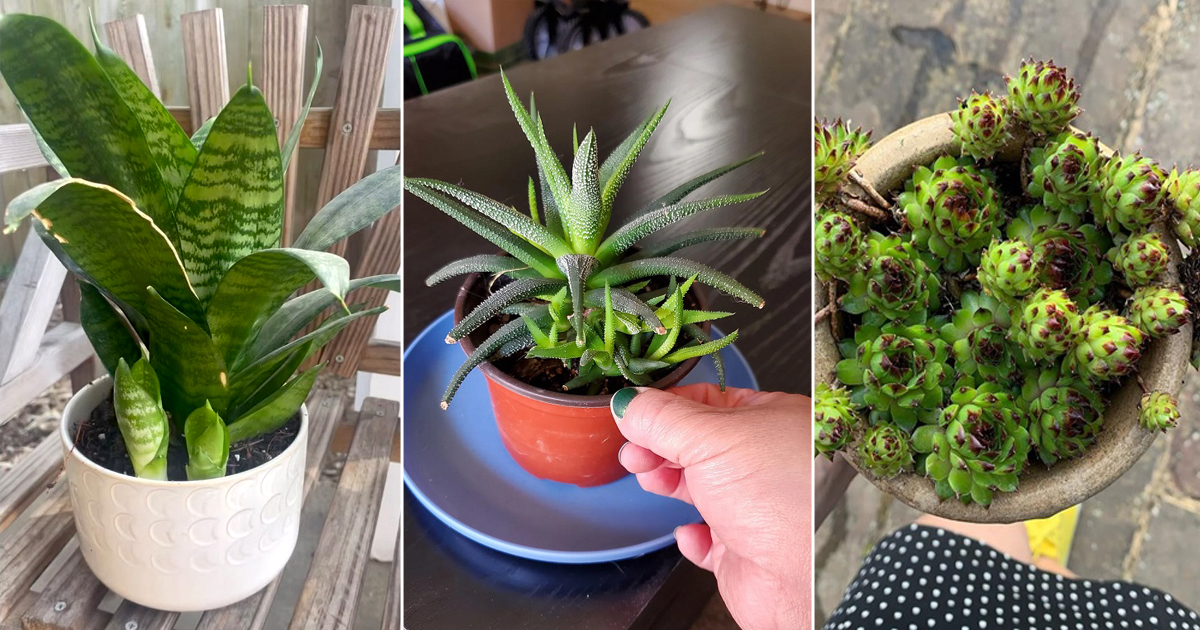
Here is a unique list of succulents that produce more pups when you keep them root-bound in small pots at home!
Think every plant needs a bigger pot to grow well? Not always. Many succulents actually prefer a snug container and often respond by producing more offsets, commonly known as pups. If you’re hoping to multiply your collection without spending a dime, these are the varieties worth growing.
Succulents That Produce More Pups When Root-Bound In Small Pots
1. Aloe Vera

Botanical Name: Aloe barbadensis Miller
Aloe vera is famous for producing baby plants around its base. And in a slightly crowded pot, you’ll often notice clusters of pups appearing near the mother plant.
The plant naturally grows in clumps, so a snug container can encourage it to reproduce rather than focus on producing larger leaves. Given enough light and proper watering, just one plant can turn into a whole pack over time.
Keep an eye on the roots, though. If the plant becomes severely root-bound for too long, growth may slow, and the leaves can shrink and become thinner. Don’t forget to use this wine barrel design decorative pot that will look perfect with your aloe vera.
Pro Tip: Allow the soil to dry between waterings and place the plant where it receives plenty of bright light. South-facing or west-facing windows work great!
2. Snake Plant
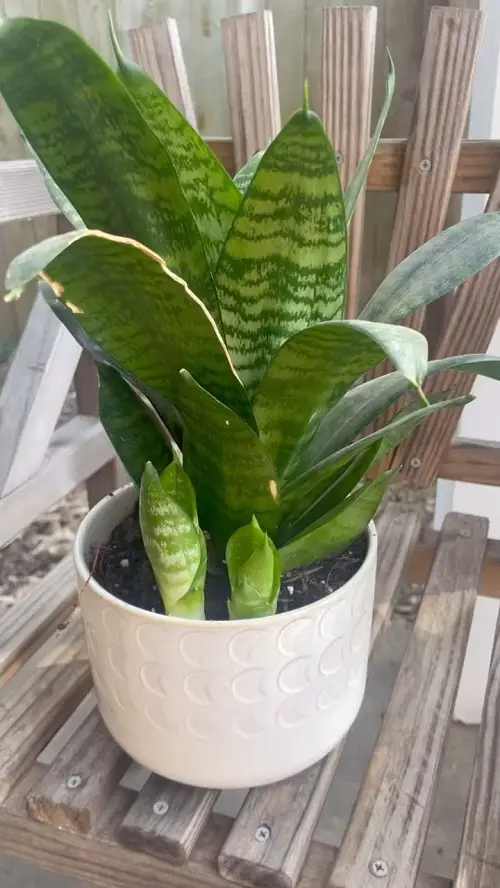
Botanical Name: Dracaena trifasciata
The Snake plant actually prefers to be a bit cramped, because when root-bound, it goes into reproduction mode and starts producing pups along the edges of the pot. It is a natural response that helps the plant spread and establish new growth.
Basically, once the roots of your snake plant circle and tighten, it allocates energy toward new shoots instead of becoming taller. Each pup is a self-sustaining unit that eventually creates its own root ball, which you can easily propagate.
Here’s a tip: if you want enough and healthy pups, the trick is to give them a well-draining soil mix and avoid watering until the soil is completely dry. And of course, one of these ceramic plant pots with proper drainage!
3. Haworthia

Botanical Name: Haworthia spp.
You might think this zebra-striped beauty needs space to flourish, but it is the opposite, as it loves compact living. When pot-bound, your haworthia begins to push out little rosette clones from the base. The habit actually comes from its desert survival instinct, where producing offsets helps the plant form larger colonies over time.
You will see baby rosettes forming in the tightest corners of the container, often pressed against the sides. Haworthia is also low-maintenance and tolerates neglect, so if you are a busy gardener, you will love to have it around. Here are different types you can go for!
4. Echeveria

Botanical Name: Echeveria elegans
Echeverias are loved for their rose-shaped ‘rosettes’, but they’re also generous producers of offsets. When grown in a small container with excellent drainage, they gradually form a ring of baby rosettes around the mother plant.
This layered appearance is actually what makes Echeverias so popular in succulent arrangements. There’s just one thing you need to pay attention to. The watering. Too much water is far more harmful than a snug pot for these plants, so drainage should always be your priority.
Growing Tip: Place Echeverias in a bright location and avoid overfeeding. Otherwise, you’ll have soft growth instead of compact rosettes. We don’t want that, do we?
5. Jade Plant

Botanical Name: Crassula ovata
Jade plants can spend years in the same container and often perform best when slightly pot-bound. Even mature plants develop new shoots from the base or along older stems, gradually becoming fuller and bushier.
But why does it happen? See, the root restriction limits access to nutrients and water, which the plant interprets as a threat. In return, your Jade plant starts spreading itself through offshoots.
Pro Tip: With the Jade plant, pups grow from the foliage that falls around it, so let it be. You can also spread the leaves around the plant to see pups growing generously after some time.
If you want your jade plant to look and grow it’s best, here are special spots in your home where you should keep it!
6. Panda Plant

Botanical Name: Kalanchoe tomentosa
With its soft, velvety leaves, the Panda plant is one of the most recognizable succulents. It grows slowly and doesn’t make pups that often, but mature plants produce offsets at the base, especially when grown in bright light and well-draining soil.
Since the Panda plant doesn’t need much root space, it is comfortable in small containers for extended periods. Along with a small pot, good drainage, and watering every 2-3 weeks helps keep the plant compact and healthy.
7. Mother of Thousands

Botanical Name: Kalanchoe daigremontiana
Most people don’t realize that keeping a Mother of Thousands slightly root-bound can encourage even more of the plantlets it is famous for producing. A small pot won’t stop this succulent from multiplying. In fact, gardeners often find themselves removing dozens of baby plants from nearby containers, too!
At first, they sprout tiny, hair-like roots and a pair of little leaves. Then, when they’re about a quarter to half an inch big, they detach at the slightest disturbance. That’s when you propagate.
Note: You’ll have so many pups that it’ll be hard to control their aggressive growth, so it’s best to keep removing them regularly. It’s pretty simple; just scrape them off the leaf edges before they fall into nearby pots.
8. Hens and Chicks

Botanical Name: Sempervivum tectorum
The name says it all. The central rosette is the “hen,” and the offsets that form around it are the “chicks.” Pretty fun, right? Hens and chicks often produce even more offsets when grown in small pots, quickly filling every bit of available space.
These tough succulents naturally grow in rocky crevices and shallow pockets of soil across mountainous regions, so they are perfectly adapted to life in tight quarters. As the mother rosette matures, it sends out short runners that develop into baby rosettes around the plant.
Fun Fact: One fascinating feature about Sempervivums is that the mother rosette flowers only once before it dies. Before that happens, it usually produces plenty of offsets, ensuring the colony continues to grow year after year. The natural cycle is one reason these plants are such prolific pup producers.
Once you have enough, just follow this quick guide on how to propagate them the right way!
If your succulents seem happy in their small pots, don’t rush to repot them. Many varieties actually enjoy a snug space and often respond by producing clusters of pups around the base. The trick is finding the balance. And for learning all about succulents, this book by Jeff Moore will become your best friend. Don’t forget to grab your succulent gardening tools from here, either!


