
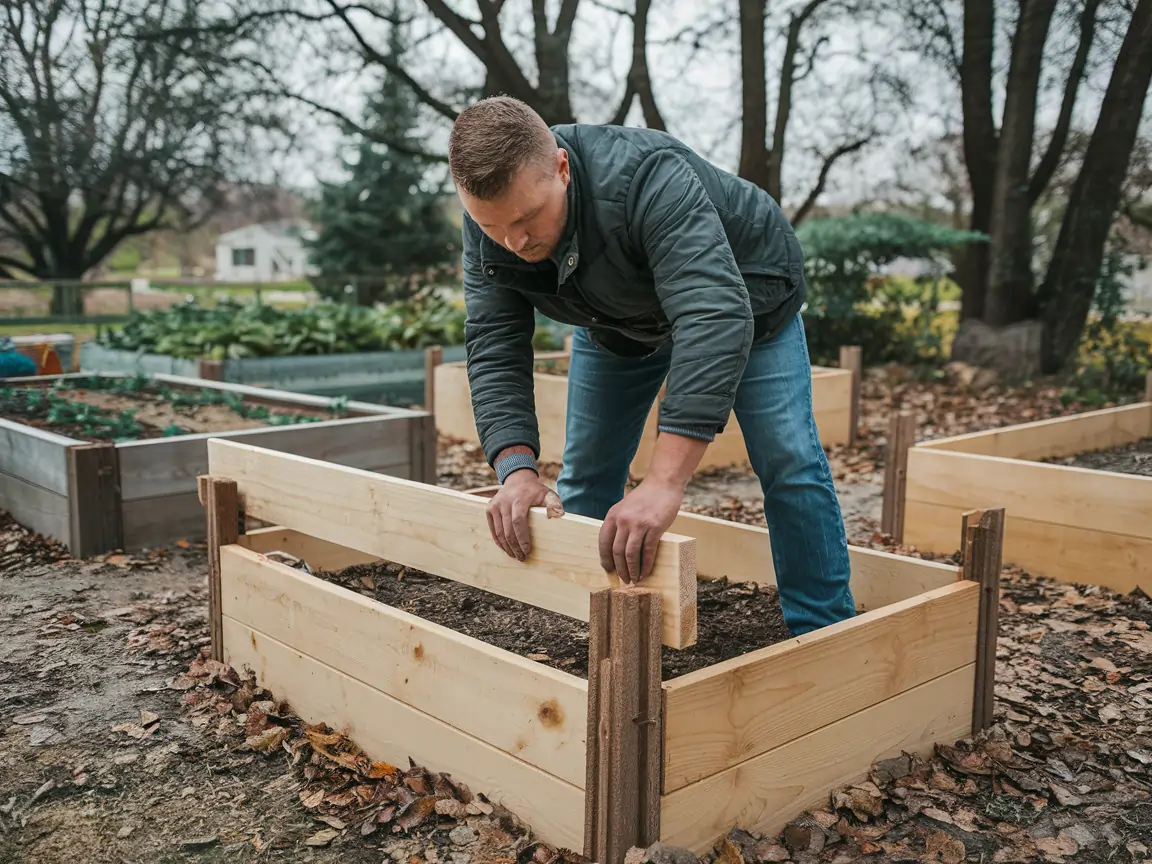
Step 2: Choose Your Perfect Location
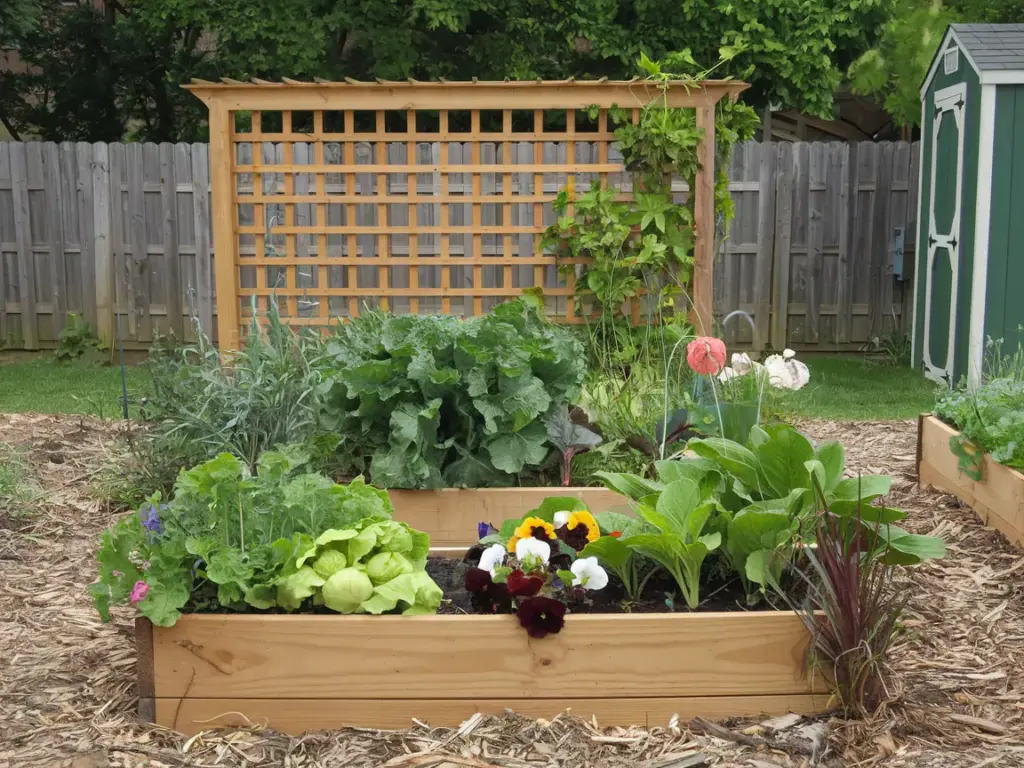
Let me tell you about the time I made the biggest mistake in my gardening journey. I was so excited to build my first raised bed that I completely ignored proper location planning. Boy, did I learn my lesson! After a season of struggling with waterlogged soil and shade-stunted vegetables, I had to rebuild everything. Now, I’m here to help you avoid my costly mistakes.
Sunlight: The Make-or-Break Factor
The sun exposure is absolutely critical for your raised beds. Most vegetables need at least 6-8 hours of direct sunlight to thrive. I keep a little notebook now and spend a full day tracking sun patterns before finalizing any garden bed location. Pro tip: use your smartphone to take photos of your yard every 2 hours – this creates a perfect sun map!
Watch out for sneaky shade sources like:
- Trees that will leaf out in summer
- Neighbor’s structures or fences
- Your own house’s shadow pattern
Ground Preparation and Leveling
Here’s something most guides won’t tell you: ground leveling isn’t just about aesthetics. After watching my first raised bed slowly tilt over a season (what a nightmare!), I learned that proper leveling affects everything from water distribution to structural integrity.
Start by removing grass and roots, then use a long level and some string to check your slope. If you’ve got more than a 2-inch slope across your bed area, you’ll need to do some serious leveling. I usually create a slight grade (about 1% slope) for optimal drainage.
Space and Accessibility Planning
Bed width is crucial – I learned this the hard way when I couldn’t reach the middle of my first 6-foot-wide bed! The sweet spot is 4 feet wide maximum. Trust me, your back will thank you later. For length, I stick to 8-foot sections because standard lumber comes in 8-foot pieces, and it’s perfect for space optimization.
Remember to leave enough room between beds for:
- A wheelbarrow to pass (minimum 3 feet)
- Comfortable kneeling space
- Future expansion possibilities
Drainage Considerations
Proper drainage can make or break your raised bed success. I once built a beautiful bed in a low spot of my yard – big mistake! After every rain, it became a mini swimming pool. Now I always check these drainage factors:
- Natural water flow patterns
- Soil composition underneath
- Distance from house foundation
- Slope of the surrounding area
A quick drainage test: Dig a 12-inch hole, fill it with water, and time how long it takes to drain. If it’s not empty within 24 hours, you’ll need to choose a different spot or add additional drainage solutions.
Ready to move forward with your perfect location? Click the next button below to discover Step 3: Prepare Your Construction Site, where I’ll show you my favorite ground-clearing tricks and the exact measurements you need to mark out your space. Trust me, you won’t want to miss my secret technique for keeping your lines perfectly straight!


