

Th8
Trong lịch sử bóng đá Việt Nam, nhiều cầu thủ đã tạo nên những khoảnh khắc đáng nhớ trên đấu trường khu vực. Từ chức vô địch AFF Cup đầu tiên năm 2008 cho đến những thành công gần đây tại ASEAN Cup, bóng đá Việt Nam luôn sở hữu những ngôi sao có khả năng tạo ra sự khác biệt.
Vậy ai là người đá bóng giỏi nhất Việt Nam? Đây là câu hỏi khó có câu trả lời tuyệt đối bởi mỗi thế hệ đều có những cầu thủ xuất sắc riêng. Tuy nhiên, nếu xét về thành tích, tầm ảnh hưởng và khả năng tỏa sáng ở những giải đấu lớn, ba cái tên nổi bật nhất chính là Dương Hồng Sơn, Nguyễn Quang Hải và Nguyễn Xuân Son.
Table of Contents
Cả ba cầu thủ đều từng khoác áo đội tuyển quốc gia Việt Nam và giành danh hiệu Cầu thủ xuất sắc nhất Đông Nam Á tại AFF Cup/ASEAN Cup, trở thành những biểu tượng đáng nhớ của bóng đá nước nhà.
1. Dương Hồng Sơn – Người hùng trong chức vô địch AFF Cup 2008

Năm 2008, đội tuyển Việt Nam tạo nên lịch sử khi lần đầu tiên giành chức vô địch AFF Cup. Trong chiến tích đó, thủ môn Dương Hồng Sơn đóng vai trò vô cùng quan trọng với những màn trình diễn xuất sắc trước khung thành.
Không sở hữu thể hình quá vượt trội, nhưng Hồng Sơn gây ấn tượng nhờ khả năng phản xạ nhanh, sự bình tĩnh và kinh nghiệm trong những trận đấu lớn. Anh nhiều lần cứu thua cho đội tuyển Việt Nam ở những thời điểm quan trọng.
Đặc biệt, trong trận chung kết gặp Thái Lan, thủ môn sinh năm 1982 đã có nhiều pha xử lý chính xác, góp phần giúp Việt Nam giành chiến thắng chung cuộc 3-2 sau hai lượt trận.
Những dấu ấn nổi bật của Dương Hồng Sơn:
- Cùng đội tuyển Việt Nam vô địch AFF Cup 2008.
- Giành danh hiệu Cầu thủ xuất sắc nhất AFF Cup 2008.
- Là thủ môn Việt Nam đầu tiên nhận giải thưởng cá nhân cao quý này.
- Được xem là một trong những thủ môn xuất sắc nhất lịch sử bóng đá Việt Nam.
Với vai trò thủ lĩnh trong khung gỗ, Dương Hồng Sơn là một trong những cái tên tiêu biểu khi người hâm mộ nhắc đến câu hỏi ai là người đá bóng giỏi nhất Việt Nam trong thế hệ trước.
2. Nguyễn Quang Hải – Ngôi sao sáng nhất AFF Cup 2018

Sau 10 năm kể từ chức vô địch AFF Cup 2008, bóng đá Việt Nam tiếp tục tạo nên kỳ tích tại AFF Cup 2018. Một trong những nhân tố quan trọng nhất trong hành trình đó chính là tiền vệ Nguyễn Quang Hải.
Quang Hải nổi bật nhờ kỹ thuật cá nhân tốt, khả năng chuyền bóng chính xác và tư duy chơi bóng thông minh. Dù tuổi đời còn trẻ, anh đã trở thành cầu thủ có tầm ảnh hưởng lớn trong đội hình của HLV Park Hang Seo.
Tại AFF Cup 2018, Quang Hải liên tục tạo ra những khoảnh khắc quan trọng. Anh ghi bàn trong trận bán kết với Philippines và có những đóng góp quan trọng giúp Việt Nam đánh bại Malaysia trong trận chung kết.
Những dấu ấn nổi bật của Nguyễn Quang Hải:
- Giúp đội tuyển Việt Nam vô địch AFF Cup 2018.
- Ghi nhiều bàn thắng quan trọng trong hành trình vô địch.
- Sở hữu khả năng kiến tạo và tạo đột biến hàng đầu khu vực.
- Nhận danh hiệu Cầu thủ xuất sắc nhất AFF Cup 2018.
- Là một trong những cầu thủ Việt Nam từng thi đấu tại châu Âu.
Phong cách thi đấu thông minh cùng khả năng tạo ra sự khác biệt giúp Quang Hải trở thành một trong những ứng viên hàng đầu khi đặt câu hỏi cầu thủ số 1 Việt Nam là ai.
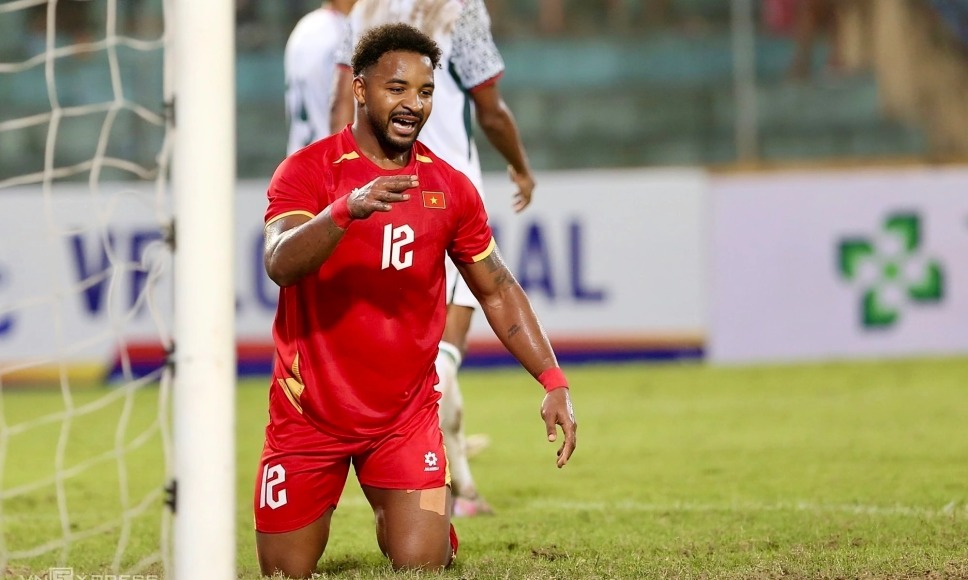
3. Nguyễn Xuân Son – Cỗ máy ghi bàn tại ASEAN Cup 2024

Năm 2024, bóng đá Việt Nam chứng kiến sự xuất hiện của một ngôi sao mới mang tên Nguyễn Xuân Son. Sau khi nhập tịch thành công và được khoác áo đội tuyển Việt Nam, tiền đạo này nhanh chóng chứng minh giá trị của mình.
Dưới sự dẫn dắt của HLV Kim Sang Sik, Xuân Son trở thành trung tâm trong lối chơi tấn công của đội tuyển Việt Nam tại ASEAN Cup 2024. Anh gây ấn tượng bằng khả năng tranh chấp mạnh mẽ, tốc độ và hiệu suất ghi bàn đáng kinh ngạc.
Chỉ trong 4 trận đấu, Xuân Son đã ghi tới 7 bàn thắng, trở thành vua phá lưới và góp công lớn giúp đội tuyển Việt Nam giành chức vô địch ASEAN Cup 2024.
Những dấu ấn nổi bật của Nguyễn Xuân Son:
- Cùng đội tuyển Việt Nam vô địch ASEAN Cup 2024.
- Ghi 7 bàn sau 4 trận đấu.
- Giành danh hiệu Vua phá lưới ASEAN Cup 2024.
- Được bình chọn là Cầu thủ xuất sắc nhất ASEAN Cup 2024.
- Trở thành một trong những tiền đạo nguy hiểm nhất Đông Nam Á.
Dù gặp chấn thương trong trận chung kết, những gì Xuân Son thể hiện vẫn giúp anh trở thành một trong những cái tên nổi bật nhất trong cuộc tranh luận ai là người đá bóng giỏi nhất Việt Nam hiện nay.
Đọc thêm:-
- Ronaldo Xe Đạp Chổng Ngược Và 5 Khoảnh Khắc Vĩ Đại Nhất Trong Sự Nghiệp
- Số Liệu Thống Kê Về Rodri: Thành Tích Của Tiền Vệ Xuất Sắc Bậc Nhất Thế Giới
So Sánh 3 Cầu Thủ Xuất Sắc Nhất Việt Nam Tại Đông Nam Á
| Cầu thủ | Giải đấu nổi bật | Thành tích | Danh hiệu cá nhân |
|---|---|---|---|
| Dương Hồng Sơn | AFF Cup 2008 | Giúp Việt Nam lần đầu vô địch AFF Cup | Cầu thủ xuất sắc nhất AFF Cup 2008 |
| Nguyễn Quang Hải | AFF Cup 2018 | Ngôi sao trong thế hệ vàng của bóng đá Việt Nam | Cầu thủ xuất sắc nhất AFF Cup 2018 |
| Nguyễn Xuân Son | ASEAN Cup 2024 | Vua phá lưới, góp công lớn vào chức vô địch | Cầu thủ xuất sắc nhất ASEAN Cup 2024 |
Kết Luận
Không có một câu trả lời duy nhất cho câu hỏi cầu thủ số 1 Việt Nam là ai, bởi mỗi cầu thủ đều có những đóng góp đặc biệt trong từng thời kỳ.
- Dương Hồng Sơn là biểu tượng của chức vô địch AFF Cup đầu tiên.
- Nguyễn Quang Hải đại diện cho thế hệ vàng với kỹ thuật và khả năng sáng tạo.
- Nguyễn Xuân Son là ngôi sao mới với khả năng săn bàn ấn tượng.
Ba cầu thủ này đều xứng đáng được xem là những gương mặt xuất sắc nhất lịch sử bóng đá Việt Nam và góp phần đưa bóng đá nước nhà vươn lên mạnh mẽ tại khu vực Đông Nam Á.


